
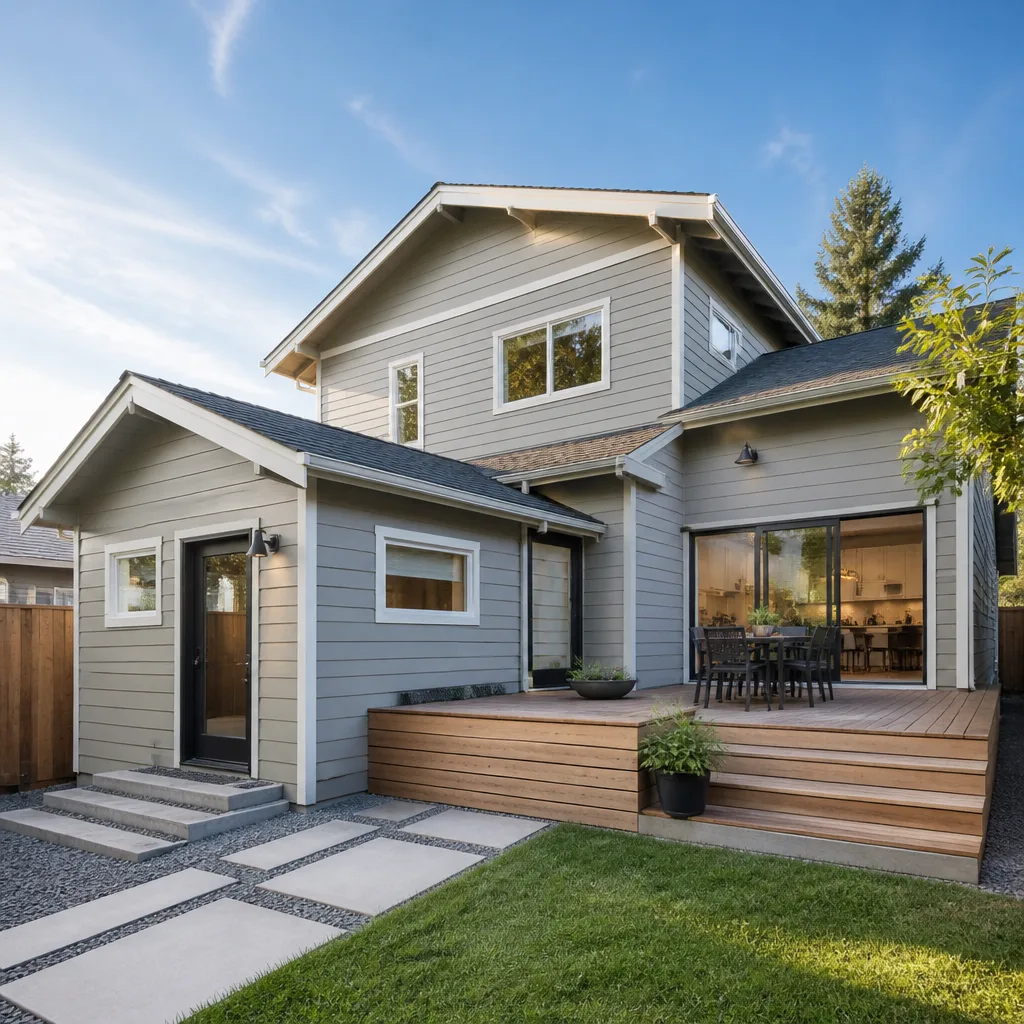
 Home additions & ADU
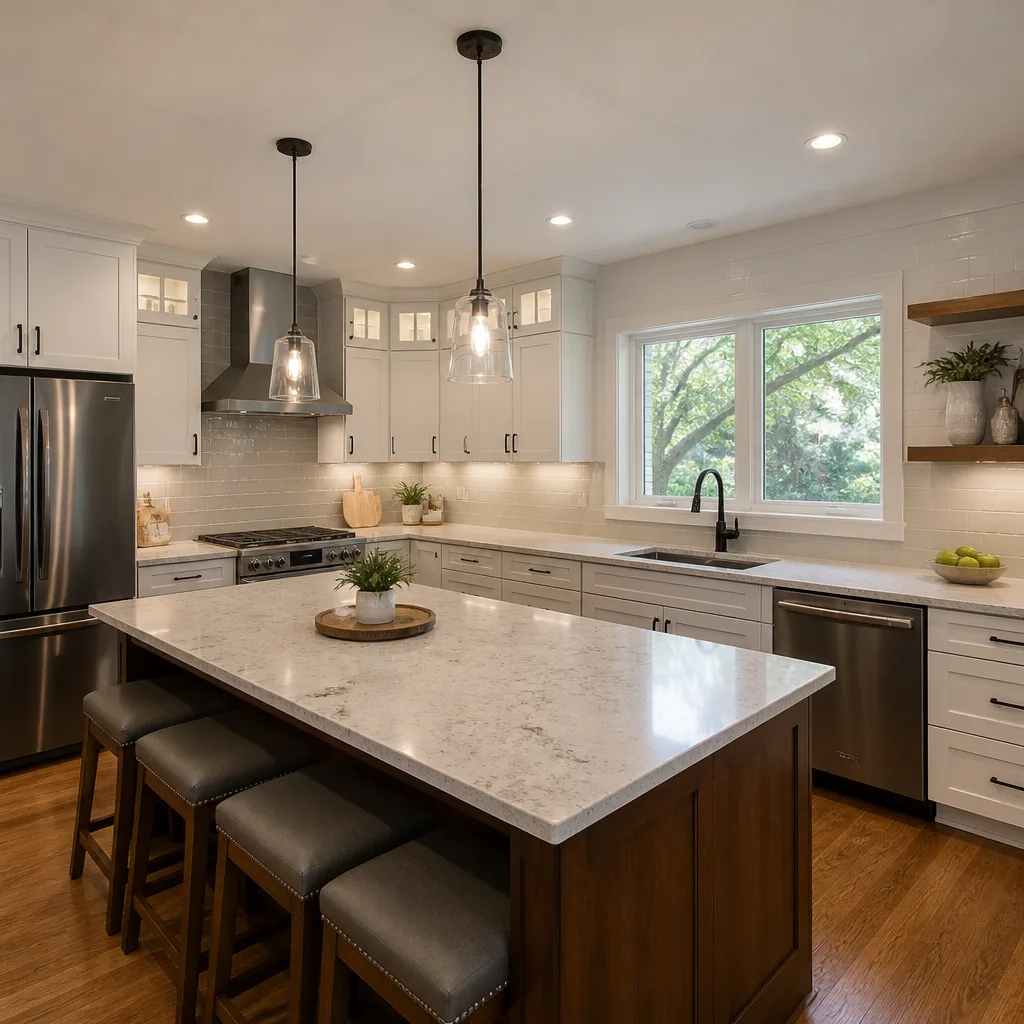 Kitchen remodeling
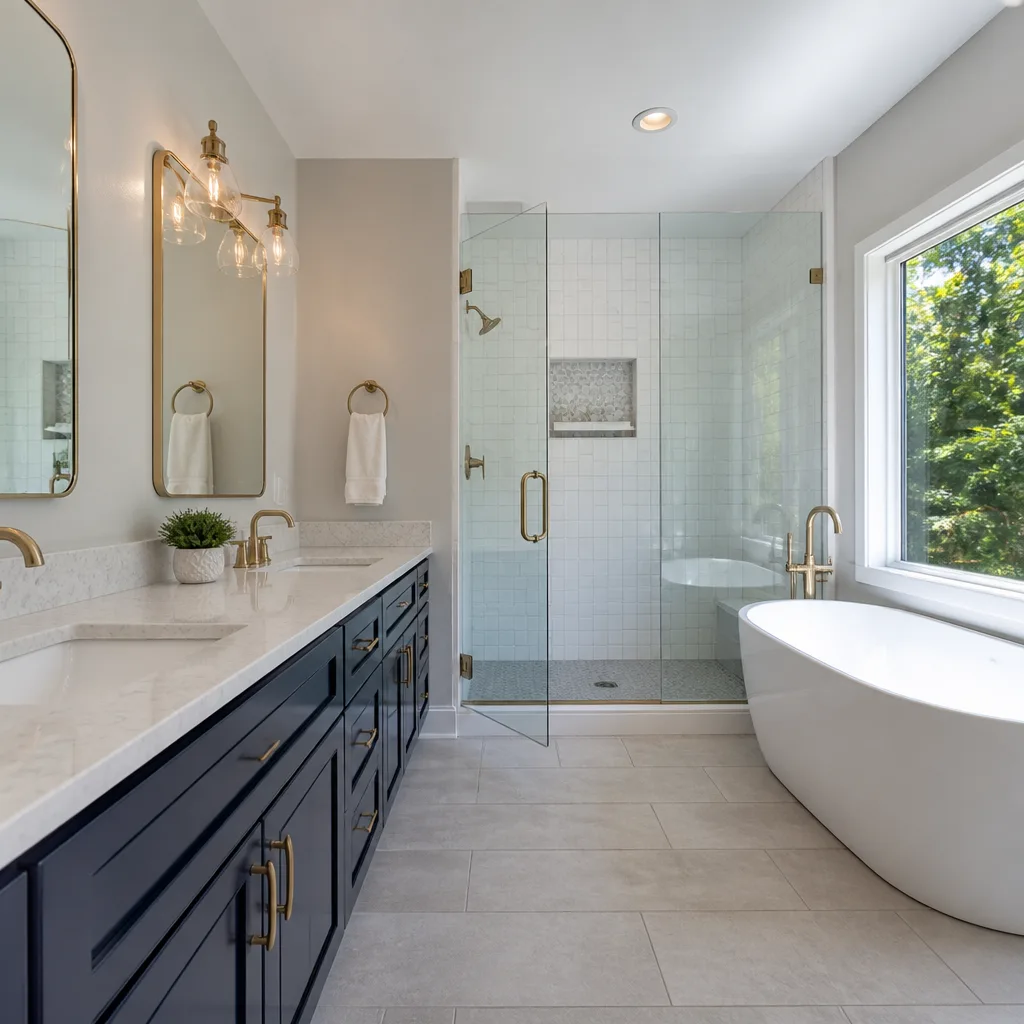 Bathroom remodeling
 Roofing
 Windows & doors
 Driveway & pavers
 Fence
Free written scope consultation - allowances, timeline, and change-order rules on paper before a single trade is scheduled
Sakrete Home Additions & ADU: The Santa Clarita Owner’s Guide
Sakrete is a concrete and mortar products brand, not an addition or ADU manufacturer, so when a Santa Clarita homeowner tells us their Sakrete “part” is failing, they almost always mean the concrete work Sakrete products go into: a slab, footing, stem wall, pier, or patio base under a planned addition or ADU. Home additions installed to Santa Clarita code typically run $45,000 – $130,000, and ADUs run $90,000 – $220,000. We don’t stock Sakrete products or carry them on a truck; we’re an independent construction company that installs the concrete work correctly the first time and connects homeowners with the right material for the mix.
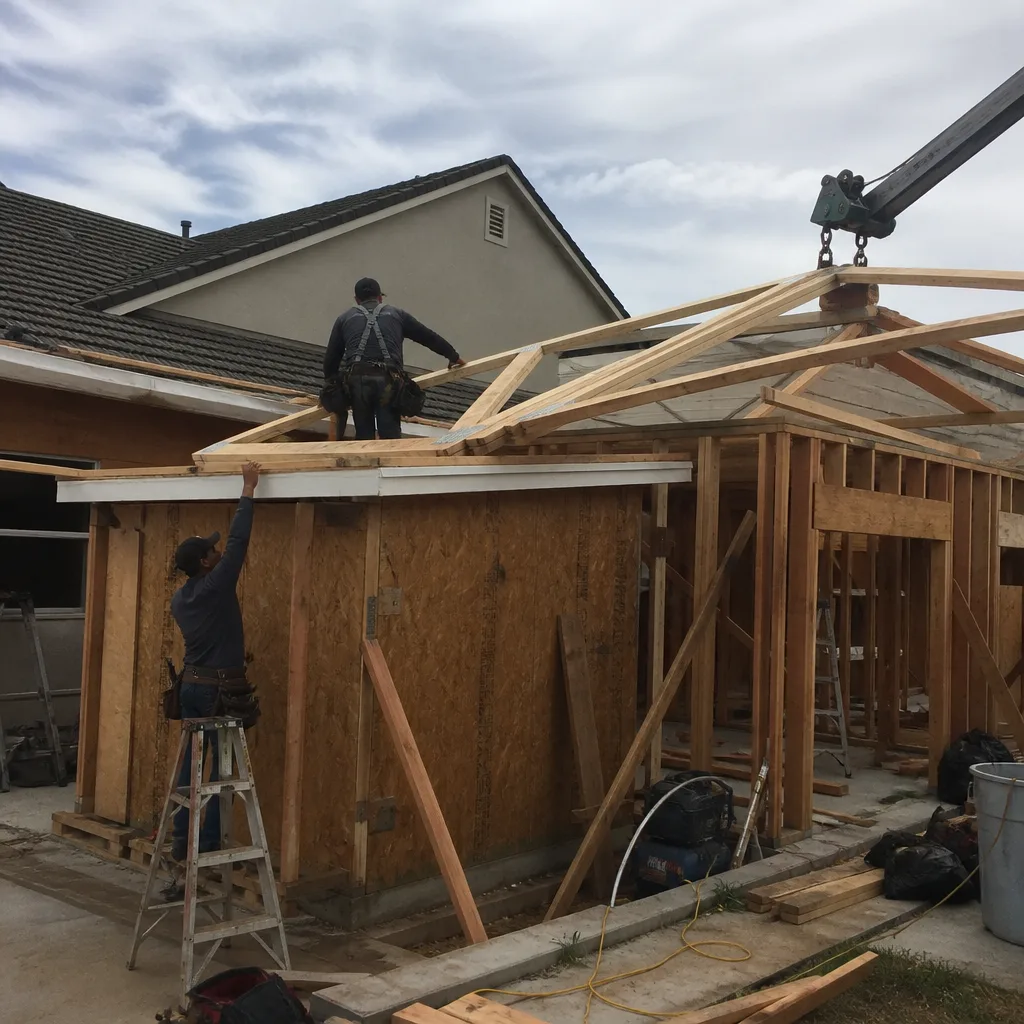
Owners usually discover the problem slowly. A hairline crack in a slab widens over a couple of seasons. A footing corner crumbles after a wet winter in Canyon Country. A stem wall that looked fine at inspection starts showing white crust along the base. By the time the patio slab under the future ADU is heaved and out of level, the project stalls until somebody diagnoses it.
Which Sakrete Models This Applies To
Sakrete sells dozens of mixes, and the product name on the bag matters far more than most people expect. The common ones in Santa Clarita addition work are High-Strength Concrete Mix, Sand Mix, Mortar Mix (Types N, S, and M), Fast-Setting Concrete, and the crack-resistant or fiber-reinforced bags. High-Strength is the right call for slabs and footings. Type S mortar is the one used for structural masonry and stem walls. Type N is for above-grade non-structural work, and using it where Type S belongs is a quiet failure that shows up two winters later. Fast-Setting is for post holes and small repairs, not for a footing you’ll pour a room on top of.
How to identify what you have: check the bag for the mix type and the PSI rating. High-Strength runs around 4,000 PSI when mixed correctly, which is what residential footings and slabs in Los Angeles County expect. Note the date on the bag, too. Sakrete products have a shelf life, and older bags lose strength. A mix that sat in a garage for a year is not the same product.
The OEM-vs-aftermarket question doesn’t quite map to Sakrete the way it would to a garage door opener. There’s no “Sakrete-compatible” part. There are correct mixes and incorrect mixes, and the real decision is whether the contractor who poured your slab in 2010 used the right one. That’s what an inspector will test if the addition ever gets red-tagged.
Styles & brands we work with
- Kitchen remodeling
- Bathroom remodeling
- Home additions & ADU
- Roofing
- Windows & doors
- Driveway & pavers
- Fence
Signs Your Sakrete Home Additions & ADU Is Failing
- Hairline cracks that keep growing. Usually a mix or cure problem. Concrete poured too wet, or poured in August heat without curing compound, shrinks as it sets and never stops. A crack that was a pencil line in spring is a quarter inch by fall.
- White crust or powdering along the base of a stem wall. Efflorescence, from moisture moving through the concrete. Not always structural, but it’s telling you water is getting in somewhere it shouldn’t, often a missing or failed moisture barrier.
- Heaved or sunken slab sections. Santa Clarita’s expansive clay soils move with the seasons, and a slab poured too thin or without proper base prep will rise and fall with them. You see it as a step up at a door threshold or a crack running across the middle.
- Crumbling or chalking surface on a footing corner. Freeze-thaw isn’t the usual culprit here. It’s usually a mix that was too lean or under-mixed, and the top half-inch turns to grit when you rub it.
- Cracks wider than a credit card, or any crack with displacement. That’s the point where an addition or ADU bearing on that slab needs a professional look before anyone frames another wall.
See the difference
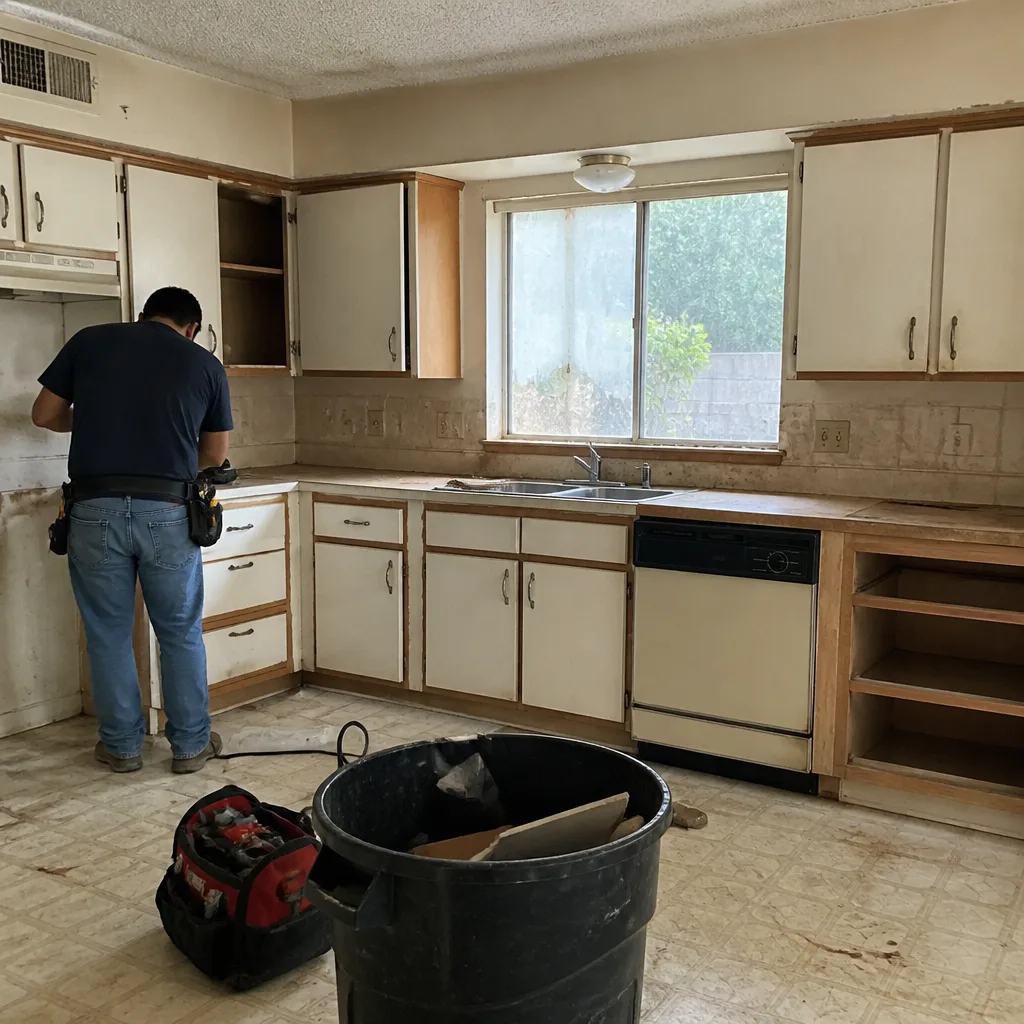 Before
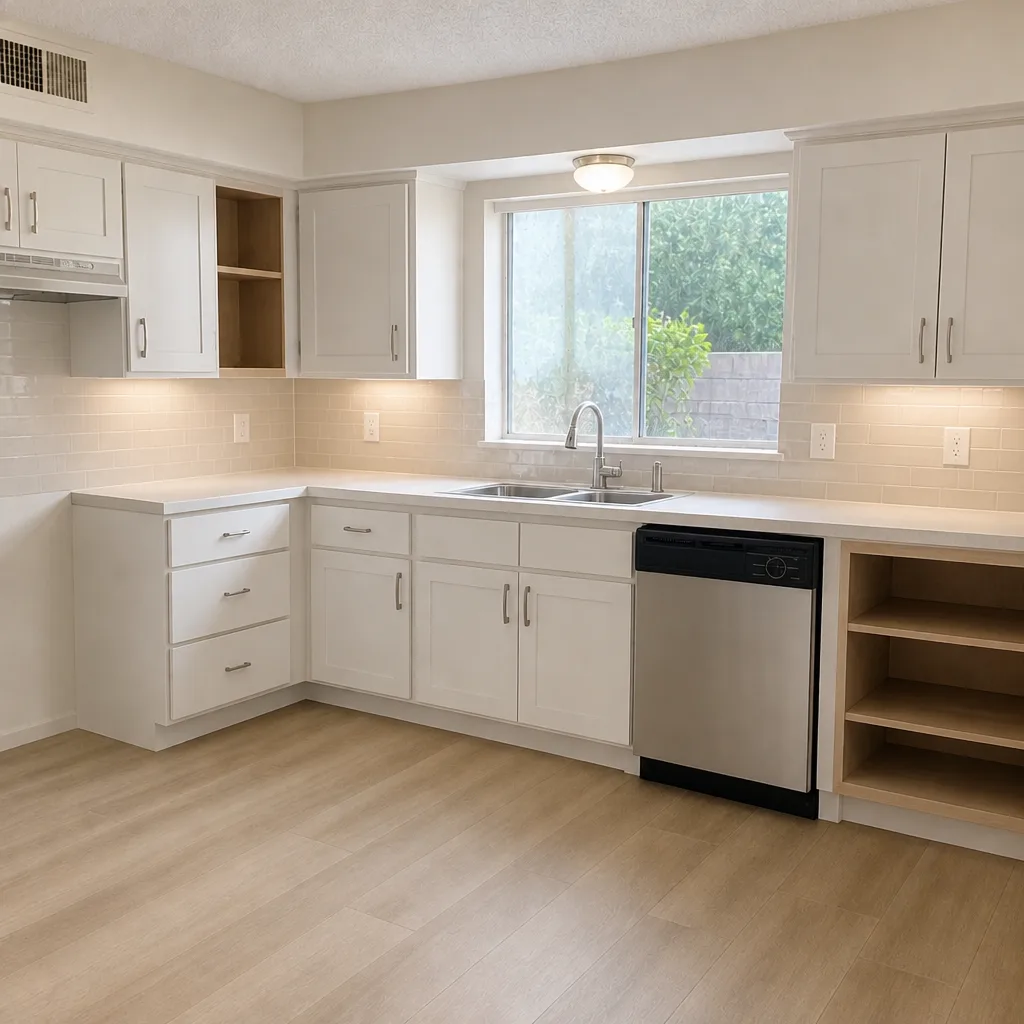 After
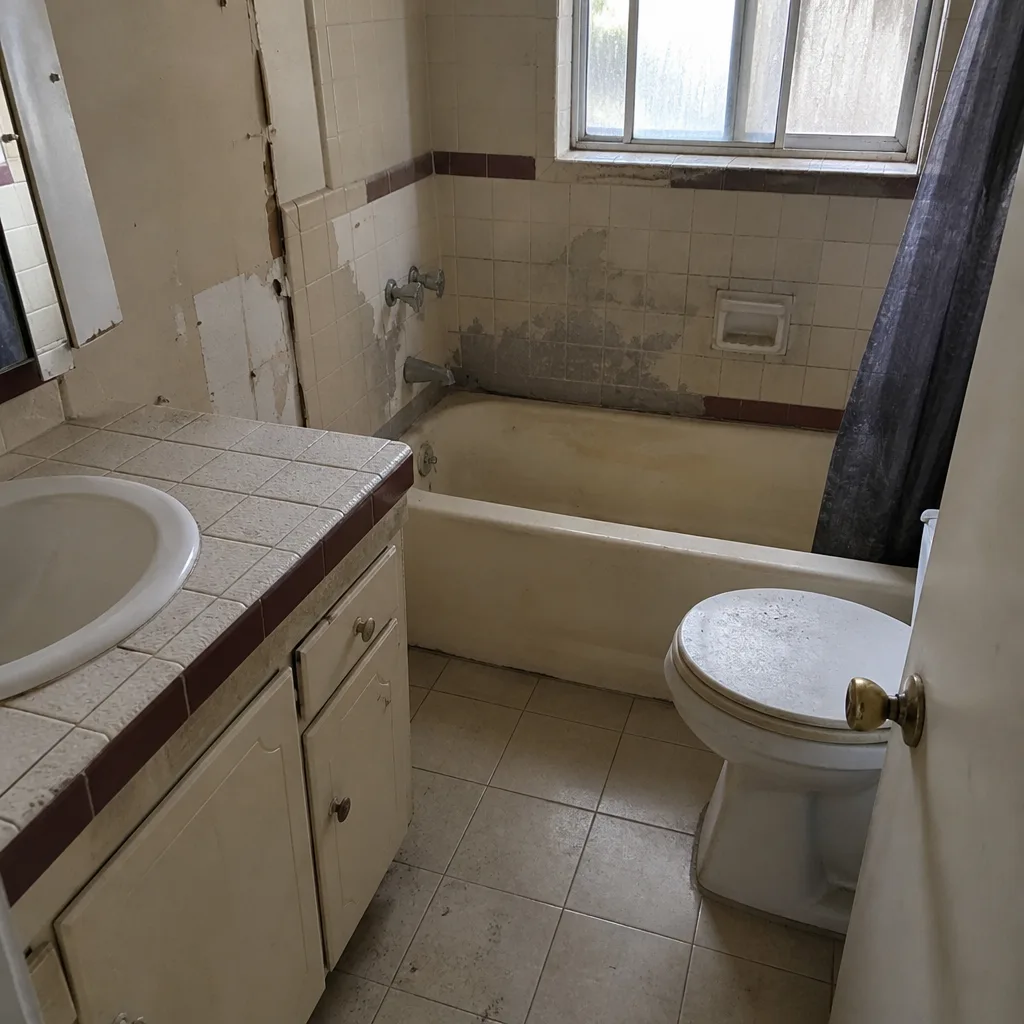 Before
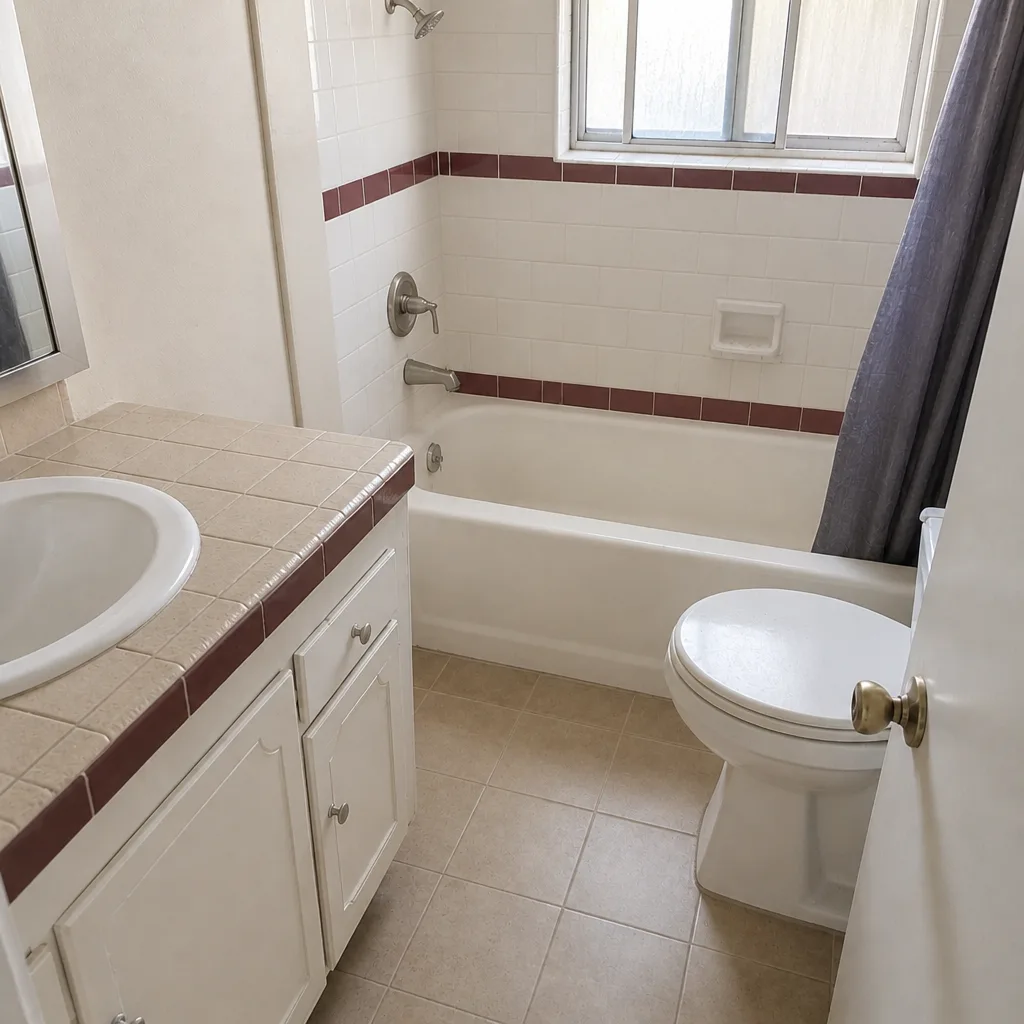 After
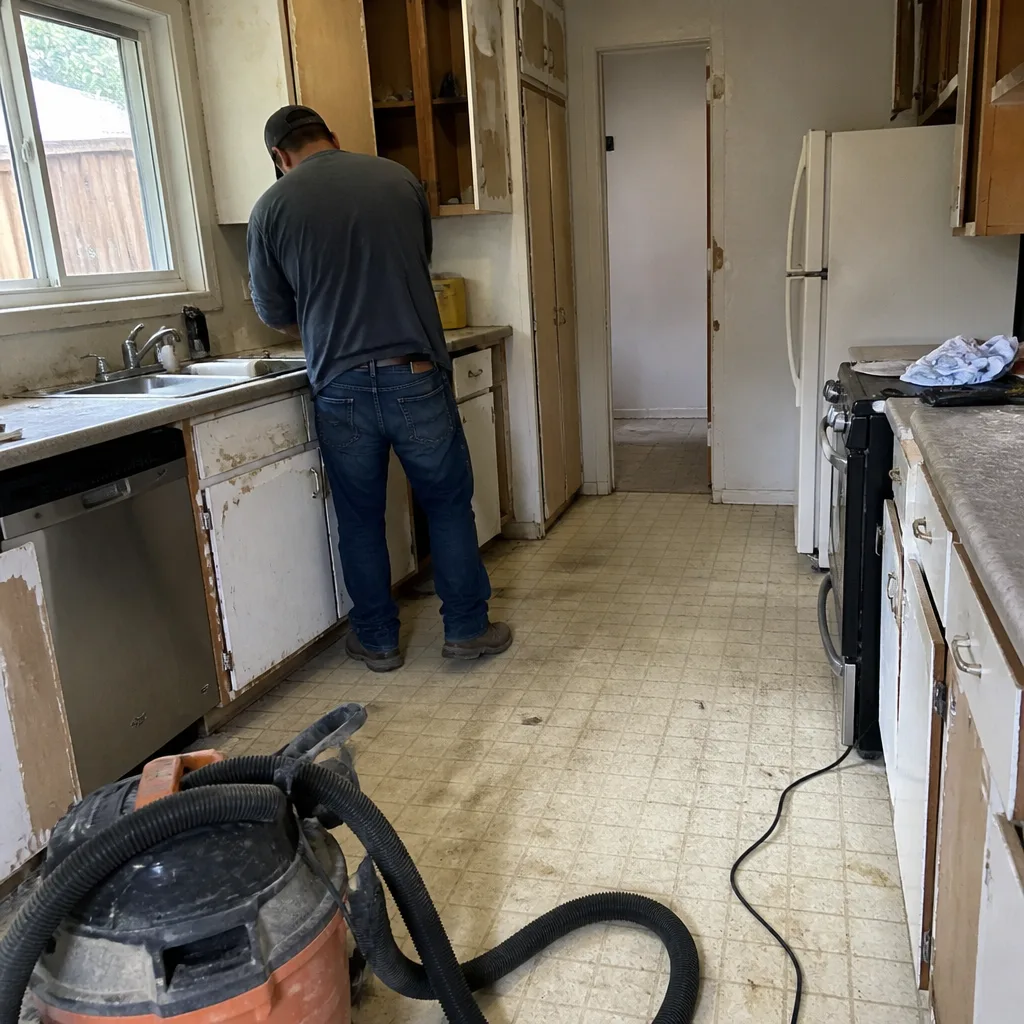 Before
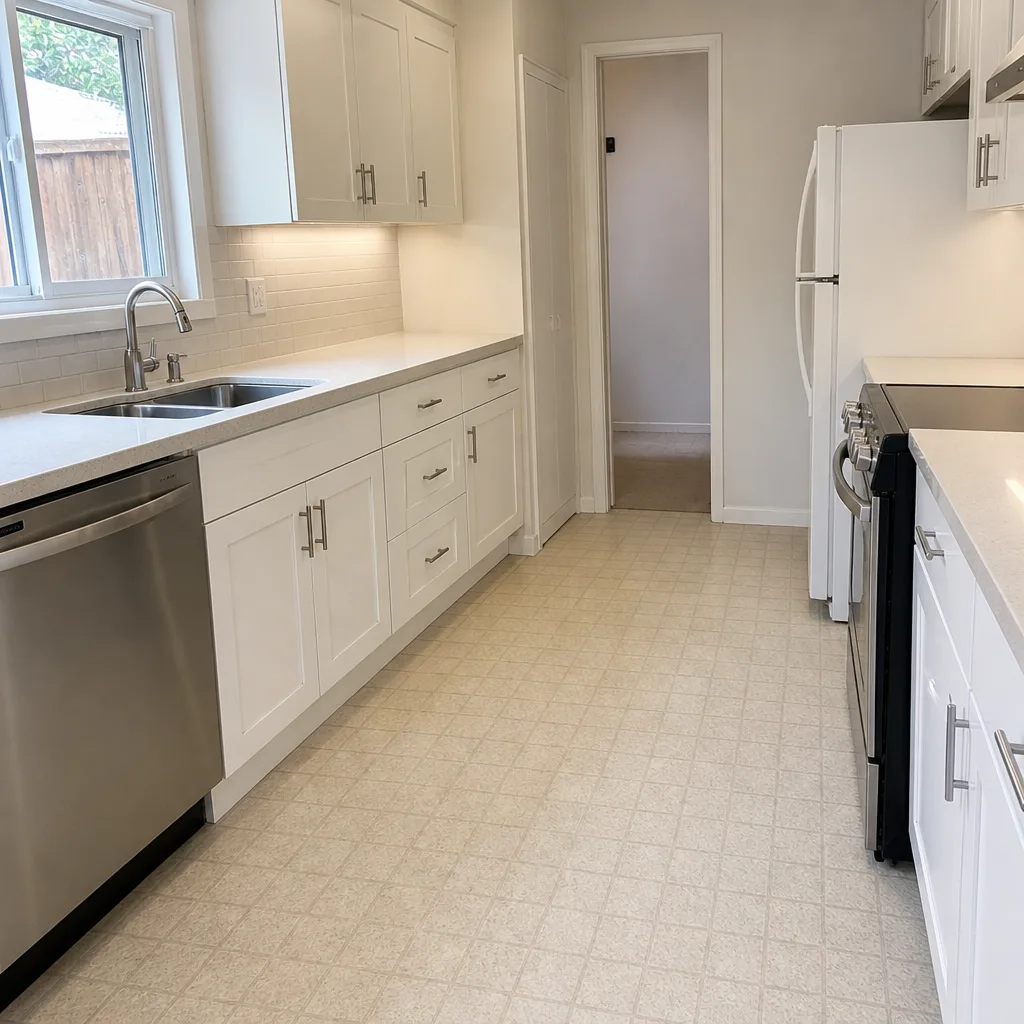 After
Replacement Cost & What’s Included
Concrete work for an addition or ADU in Santa Clarita typically runs $45,000 – $130,000 when you’re doing a full addition, and ADUs run $90,000 – $220,000. The concrete line item inside that figure depends on square footage, whether you need engineered footings, how much excavation the soil calls for, and what access you have to the pour site. A rear-yard ADU in Valencia with a narrow side gate costs more to pour than the same square footage in Saugus with a wide driveway.
Every estimate we write is a line-item scope: excavation, base, rebar, mix type, curing method, inspection sign-off. Allowances are written down. Any change to the scope comes as a written change order before the work happens. All permits pulled and inspections signed, and every job carries our 90-Day Done Right Promise: if something’s wrong, one call brings us back.
DIY or Call Us?
Bagging a Sakrete Sand Mix for a small step repair or a fence post is reasonable. A homeowner with the right tools and a clean weekend can handle a 12-inch-deep hole. What’s not reasonable is pouring a footing or slab for an addition or ADU yourself. Mixing too wet, curing too fast, missing the engineered specs the county requires, skipping the inspection, those all become problems that show up years later and cost five figures to fix. And in Santa Clarita, any addition or ADU footer needs a permit and an inspector’s sign-off before framing starts. The permit inspector works for you, not for us.
If a slab under your planned addition is failing, or you’re not sure whether what’s under there is sound, call (833) 762-8116. We’ll come look at it and tell you what we find.
FAQs
How long does a properly poured Sakrete slab last? A correctly mixed, properly cured, and correctly prepped slab in Santa Clarita’s climate should last 30 years or more. The biggest variables are mix strength (get the full 4,000 PSI), cure time, and base preparation. Expansive clay soils in the Santa Clarita Valley are the other factor, and proper base prep handles that.
Can the concrete be repaired instead of replaced? Sometimes. Epoxy injection can stabilize a hairline crack. A spalled footing can sometimes be resurfaced. But if the slab has heaved or a crack has displacement, replacement is usually the honest answer, especially under an addition. Call (833) 762-8116 for a free second opinion on any written estimate you’ve already gotten.
How long does the concrete work take? A small footing repair is usually a half-day to a day of real work, not counting cure time. A full addition slab is one to three days of forming and pouring, plus a minimum of seven days before framing can begin, sometimes longer depending on the spec. We’ll tell you the actual timeline in writing before we start.
How do you source the right Sakrete mix? We specify the mix type and PSI per the engineered plans, then source it from local suppliers who deliver fresh product. We don’t carry bags on a truck, and we don’t stock Sakrete. What we do is make sure the mix that goes into your footing matches the spec and the bag date, and we’ve seen enough bad pours to know what to look for.
Barrett & Sons Construction isn’t affiliated with Sakrete. We’re an independent Santa Clarita construction company that builds additions and ADUs the right way, using the materials the plans call for. We also install KraftMaid, Cambria, and Silestone products on the interior side of the same projects, so the addition and the finishes come from one crew.
If you’re weighing an addition or ADU in Santa Clarita and want a written estimate from a name-on-the-truck company that pulls permits, writes every change order down, and stands behind the work, call (833) 762-8116. Estimates are free, and our technicians have up to 28 years of experience on this work.
Written by the team at Barrett & Sons Construction Santa Clarita, serving Santa Clarita and nearby areas.