
Last updated November 16, 2026
 Windows & doors
 Kitchen remodeling
 Bathroom remodeling
 Home additions & ADU
 Roofing
 Driveway & pavers
 Fence
Free written scope consultation - allowances, timeline, and change-order rules on paper before a single trade is scheduled
Windows & Doors Maintenance Schedule: What to Do and When
Weep holes on the bottom rail of a window frame are supposed to drain water out. When they clog with debris, which takes about one or two seasons in a dusty valley like Santa Clarita, water backs up and sits against the sill until the sill rots. That’s a 10-second fix, once a year, with a toothpick. Most homeowners never touch them.
This guide is about catching the two or three specific failure points on your windows and doors before they turn a $40 weatherstripping job into a $400 frame repair. We’ve organized it by season and by consequence level, so you know what to check in Santa Clarita, when to check it, and what actually qualifies as “deal with it now” versus “keep an eye on it.”
Styles & brands we work with
- Kitchen remodeling
- Bathroom remodeling
- Home additions & ADU
- Roofing
- Windows & doors
- Driveway & pavers
- Fence
Quick Answer
Windows and doors need maintenance four times a year, timed to Santa Clarita’s actual climate: a spring weep-hole and drainage cleaning before summer heat, a post-Santa Ana wind inspection each fall, a winter rain-seal and flashing check, and a hardware lubrication pass on every sliding unit twice a year. The tasks that prevent the most expensive damage are weep holes, thresholds, and exterior caulk, in that order. None of them takes more than 15 minutes.
Table of Contents
- Why a Seasonal Schedule Beats Fixing Things When They Break
- Spring: Heat Prep and Weep Holes
- Summer: Lubrication and UV Check
- Fall: Post-Santa Ana Wind Inspection
- Winter: Rain Seals, Thresholds, and Flashing
- Weatherstripping Lifespan by Material
- Reading Your Caulk and Flashing After a Rain
- The Lubrication Points Nobody Tells You About
- Common Mistakes to Avoid
- When to Call a Professional
- Frequently Asked Questions
- The Bottom Line
Why a Seasonal Schedule Beats Fixing Things When They Break
Windows and doors fail slowly, then all at once. The hinge on a sliding door that’s been gummed up for two years doesn’t announce itself; it seizes on a July afternoon when you’re carrying groceries through it. The caulk joint at a sill doesn’t fail dramatically; it opens a hairline crack you can’t see, and water wicks behind the trim on the first big winter rain.
Maintenance isn’t about preventing wear. It’s about catching the failure points that cost $40 to fix in spring and $400 in October. In our experience across Santa Clarita, the failures we see on service calls are almost never mysterious. They’re predictable, and they follow the calendar.
Here’s the pattern. Santa Clarita has two things working against your windows and doors: intense UV from roughly April through September, and a fall wind season that drives grit and dust into every seam. Add four inches of rain falling in a handful of concentrated storms, and you have three distinct seasonal stressors.
A schedule that accounts for those three stressors is worth more than a drawer full of caulk. It tells you when to look, which is the part most homeowner guides skip.
If you’re assessing a bigger envelope project while you’re at it, our page on Barrett & Sons Construction Santa Clarita home lays out how we approach the exterior work that ties into windows, doors, and trim.
Spring: Heat Prep and Weep Holes
Spring is the one window of time before the Santa Clarita heat locks in and every maintenance task becomes miserable. It’s also when the year’s debris load (pollin, dust, and grit from the wind season we just finished) is sitting in the exact places you don’t want it: weep holes, tracks, and drainage channels.
Here’s the order that matters:
- Clear every weep hole. Find them on the bottom rail of each window frame, on the exterior. A toothpick or a stiff piece of trimmer line works. Push through from the exterior; don’t force from the inside. If the hole feels blocked even after you clear it, the slot behind it may be packed, and you’ll need a thin probe or a quick call.
- Clean the tracks on sliding windows and doors. Vacuum first. A dry rag spreads grit; a wet rag pushes it into the corners. Get the corners with a soft brush, then wipe.
- Check the door sweep at the bottom of every exterior door. If light shows underneath, the sweep has lost contact and you’re inviting both water and conditioned air out. These wear out faster in Santa Clarita than in cooler climates, because the rubber hardens under UV load.
- Look at the caulk line where the frame meets the siding. If it’s cracked, peeling, or has pulled away from the frame, that joint goes on your summer repair list.
Why this order? Because weep holes are the cheapest fix with the most expensive failure. A clogged weep hole in a Santa Clarita window sits against the sill through the hot months, which is exactly when wood is most willing to crack. A ten-second pass in April is why that never happens.
Summer: Lubrication and UV Check
Summer’s task list is short but specific. Two jobs, and both are about hardware and seals.
First, the sliding hardware. Every sliding window and sliding patio door has rollers on the bottom and a track they ride in. Those rollers take grit from the wind season and heat all summer. A dry PTFE or silicone spray on the track (not WD-40, which attracts dust) once in early summer and once in late summer keeps them moving smoothly. If you can feel a grind when the door slides, you’ve waited too long.
Second, the UV check. Walk the south and west faces of your home in July and look at every window for a few specific signals. South and west exposures in Santa Clarita get the harshest sun, and anything rubber or vinyl on those sides ages roughly twice as fast as the north and east side of the same house.
The signals to look for:
- Weatherstripping that looks chalky or gray instead of black or brown
- Rubber gaskets that leave a black smear on your fingertip when you touch them
- Glass sealant at the frame that’s clouded or bubbling
- Bugs getting in through a closed window (a sign that weatherstrip contact has failed)
If you see any of these mid-summer, replace the weatherstripping in fall, not in spring. Doing it before the Santa Ana wind season is what prevents grit from getting into the gap during the worst of it.
Fall: Post-Santa Ana Wind Inspection
Santa Clarita’s fall wind season is a maintenance event all by itself. Two or three days of sustained wind at 30 to 50 mph will drive grit into every weatherstrip joint, loosen trim, and find every bit of failing caulk on your house.
Don’t skip the after-inspection. Wait for the wind to settle, then walk every window and exterior door, inside and out, with a flashlight. Here’s the list:
- Look for grit in the tracks and past the weatherstrip. Wind-blown grit is abrasive; every sliding cycle on a gritty track is grinding your rollers down.
- Check the hinge-side gap on swinging doors. A door that used to close with a gentle push and now needs a shoulder is a sign that wind worked the frame or the hinge screws have loosened.
- Inspect the trim for separation. Anywhere the trim has pulled away from the frame is a future water entry point, and it’s much easier to fix before winter rain than after.
- Look at the roof edges and flashing above each window for lifted or torn material. Wind damage to roofing above a window is a direct pathway for water into the top of the window assembly. Our Barrett & Sons Construction Santa Clarita home team handles this kind of envelope work regularly, and we stock CertainTeed and Owens Corning materials for repairs that need to match an existing roof.
- Vacuum and re-lubricate. Same as spring: dry vacuum first, then light PTFE spray on sliding tracks only after the grit is gone.
Fall is also the right time to check door sweeps and thresholds one more time before rain. Wintering over with a failing sweep costs you twice: cold air now, water damage later.
Winter: Rain Seals, Thresholds, and Flashing
Santa Clarita’s wet season runs roughly November through March, and it doesn’t rain here the way it rains in the Pacific Northwest. It comes in concentrated storms, sometimes two inches in a day, which means a single failure point can let in a lot of water in a short window.
Here’s what to check before the first real storm, and after each one:
- Caulk joints at every exterior window sill and door frame. Run a fingernail along the caulk line. If the caulk gives easily or has a visible gap at either end, it needs replacing.
- The door threshold. On exterior doors, the threshold’s job is to move water away from the door. If the threshold has a gap between the door and the sweep, water pressure from driving rain will push it through. On a sloped threshold, even a quarter-inch gap is a fail.
- Flashing above every window and door. This is the metal or membrane piece at the top of the opening that sheds water off the wall. If you can see daylight behind the flashing after a storm, or if there’s a crack where the flashing meets the siding, it needs to be addressed before the next one.
- The drainage plane below each sill. Water that makes it past the window should hit a sloping surface and exit below. If water is pooling on a horizontal surface below your window, the drain is compromised.
Winter is also when you’ll find out whether fall’s inspection caught everything. Any window that shows water staining on the interior trim, or condensation between the panes, gets a call.
Weatherstripping Lifespan by Material
Weatherstripping is the material that seals the gap between the window or door and its frame. Four common materials, four very different lifespans, and Santa Clarita’s UV load shortens them all.
- Foam weatherstripping: 1 to 3 years, and shorter on south and west exposures in Santa Clarita. Foam degrades visibly, crumbles, and leaves a sticky residue on the frame. On the harsh side of a house, a foam strip can last a single season.
- Felt: 1 to 3 years, and it holds grit. Once wind-blown dust is embedded in felt, it stops sealing effectively long before it looks worn out.
- Rubber: 4 to 6 years typically, less on full-sun exposures. Rubber is the workhorse of door sweeps. It hardens before it fails outright, so a rubber seal that has gone hard is already leaking air and water even if it looks fine.
- Vinyl or silicone: 8 to 12 years, the longest-lived of the common options. Vinyl is the standard on most new windows for good reason, but even vinyl on a west-facing window in Santa Clarita will show chalky degradation around the 8-year mark. If you look up the manufacturer’s specs on an Andersen or Marvin window, you’ll usually find vinyl or silicone gaskets, which is one of the reasons we lean toward those brands when we replace.
The takeaway: on a Santa Clarita house, treat foam and felt as one-to-three-year consumables, and check rubber annually. Vinyl and silicone should be inspected each fall, but you can usually let them run to the end of their rated life unless they show chalky failure.
Reading Your Caulk and Flashing After a Rain
The day after a real rain is the single most useful inspection moment on the calendar. Wetting exposes failures that look fine when dry, and it separates the “needs attention now” pile from the “keep an eye on it” pile.
Walk the exterior after the storm passes and check four things at every opening:
- Interior trim at the bottom corner of each window. Any softness, staining, or bubbling paint is a leak source, and it’s a call-now item, not a wait-and-see.
- Pooled water on the sill cap. If water sits after the rain stops, the weep hole is clogged or the sill is out of slope. That’s a call-now item too, because standing water against a sill rots the wood from below.
- Caulk that has opened during the storm. Failing caulk that’s still attached at both ends can go on the watch list; caulk that has visibly let go at either end needs to be replaced before the next storm.
- Flashing separation. If the flashing above a window has pulled away from the wall, even slightly, that’s a call-now item. A half-inch gap can let in a surprising amount of water under wind-driven rain.
The line between “needs attention now” and “watch it” comes down to one question: is there an active pathway for water to reach wood? If yes, fix it before the next storm, not after. If no, put it on the spring list and check it again after the next rain.
The Lubrication Points Nobody Tells You About
Manufacturer guides usually cover weatherstripping and caulk. What they skip is the hardware, which is where most users actually feel the failure – a door that used to glide and now needs a shoulder.
The lubrication schedule is straightforward once you know what to hit and what to avoid.
- Sliding window and door tracks: dry PTFE or silicone spray, two times a year (spring and fall). Avoid WD-40 for this: it attracts and holds dust, and in Santa Clarita’s grit-heavy air that dust becomes an abrasive paste.
- Rollers under sliding doors: reachable by lifting the door off its track if you have a helper and a pry bar. If you’ve never done it, this is a professional task. A dropped door on 30-year-old hardware isn’t worth the risk.
- Hinge pins on swinging doors: one or two drops of light machine oil on each pin once a year. Pull the pin partway, add oil, seat it back, work the door open and closed three times.
- Door locksets and deadbolts: a dry graphite lubricant once a year, inserted into the keyway. WD-40 in a lock is a common mistake that gummers up the internal works over time.
- Casement window cranks: a drop of light oil on the operator arm, once a year. The arm is exposed to the weather and the oil film protects it from oxidation.
Common Mistakes to Avoid
- Cleaning weep holes from the inside. Weep holes drain outward. Forcing from inside pushes debris against the backing and seals the hole worse. Always work from the exterior.
- Using WD-40 on sliding tracks. It works for a week, then it gums up the rollers and collects grit. Use PTFE or silicone spray.
- Skipping the post-Santa Ana inspection. Fall wind season packs grit into every seam, and if it sits until spring, it’s had five months to abrade rollers and weatherstrip. October vacuuming is a real repair prevention, not a chore.
- Caulking over wet caulk. New caulk won’t bond to old, wet, or dirty caulk. Scrape the old stuff off, clean the joint, and caulk on a dry day. On Santa Clarita’s south and west exposures, the joint surface should be bone dry before it gets touched.
- Assuming a hard weatherstrip is a working weatherstrip. Rubber that has gone hard is leaking air and water even if it looks fine. Test it by pressing a fingernail into it: if it doesn’t spring back, it’s past service.
- Ignoring top-of-window flashing because the caulk looks fine. Caulk and flashing are two different lines of defense. We’ve pulled trim on Santa Clarita houses where the caulk was perfect and the flashing was rusted through, and the top of the window frame was already wet.
- Replacing one window when the frame has failed. A new sash on a rotted sill leaks worse than the old one. Frame condition comes first.
When to Call a Professional
Most of the schedule above is intended to be done by the homeowner. A few specific things aren’t.
Call a professional when: interior trim shows softness, staining, or bubbling at any window; caulk has let go at a joint you can’t safely reach (second story, above a hardscape, or over a roof); flashing has separated from the wall; a sliding door has dropped or is grinding badly; a fogged glass unit has failed its seal; or a door frame is out of square (door needs a shoulder to close).
Any of those signals means the failure has moved past weatherstripping and into the envelope. Barrett & Sons Construction Santa Clarita handles window and door repairs, replacement, and the flashing and trim work around them. If you’re planning something larger, our Home Additions & ADU in Santa Clarita and Driveway & Pavers in Santa Clarita teams integrate window and door work into broader exterior scopes. Every eligible job gets permits pulled and inspections signed, and every price change arrives as a written change order before work begins.
We’re happy to come look. Free estimates in Santa Clarita; call (833) 762-8116.
Frequently Asked Questions
Once a year in spring for most homes, and twice a year in Santa Clarita if you’re in a wind-exposed location. Weep holes clog with pollen, dust, and grit from the fall wind season, and a clogged hole means water sits against the sill. A 10-second pass with a toothpick and a stiff piece of trimmer line from the exterior is enough for most windows.
The line is whether water can reach wood. Caulk that has cracked but is still attached at both ends is a watch item; caulk that has visibly let go at either end is a fix-now item, because water can get behind it. Check again after the next rain, and if the crack has widened or a wet spot shows up inside, don’t wait for spring.
Yes, generally. Santa Clarita’s fall wind season drives fine grit into the tracks, and every sliding cycle grinds that grit into the rollers. Homes on the wind-exposed west sides of Santa Clarita see roller failure noticeably sooner than homes in more sheltered spots. Vacuuming the tracks in spring and fall and using a dry PTFE spray on the track once each season is the best prevention.
Vinyl and silicone last the longest, typically 8 to 12 years. Rubber runs 4 to 6; foam and felt run 1 to 3. On south and west exposures in Santa Clarita, cut those numbers by a third or so. If you’re choosing weatherstrip for a replacement, the extra cost of vinyl or silicone pays out on the harsh side of the house within a single cycle.
Fogging between the panes, a hazy film on the interior surface of a dual-pane unit, or water droplets visible inside the glass unit. That indicates the factory seal on the insulating glass has failed, and no amount of cleaning fixes it. The fix is a replacement glass unit or sash, and on a Santa Clarita window over eight years old it’s often the better call than attempting a reseal.
Skipping the after-Santa Ana inspection in the fall. It’s easy to skip because the house looks fine from the street, but that’s exactly when grit is sitting in every seam and every bit of failing caulk is getting pushed open. The second most common is ignoring door thresholds, which are the number-one entry point for water at any exterior door.
The Bottom Line
Four seasons, four focused passes: spring clears weep holes and tracks before the heat locks in; summer handles lubrication and a UV check on the sun-facing exposures; fall catches what the wind season put in; winter checks the rain seals, thresholds, and flashing before the storms hit. Most of it is homeowner work, and none of it takes more than 15 minutes per pass.
The repairs that matter are the ones this schedule catches early: a $40 weatherstrip versus a $400 frame. If something has moved past weatherstrip, our Fence Installation in Santa Clarita crews work on the same exterior surfaces and coordinate with the window and door work seamlessly.
The other thing worth keeping in mind: our L.O.C.A.L. values code means we’re accountable for what we touch, and everything we do on a window or door comes with a written scope, written allowances, and a 90-Day Done Right Promise written on the contract. If the job isn’t right, one call brings us back.
Give us a call at (833) 762-8116 for a free estimate. We’ll come look, tell you what we see, and put the scope in writing before anything gets touched.
Written by the team at Barrett & Sons Construction Santa Clarita.
See the difference
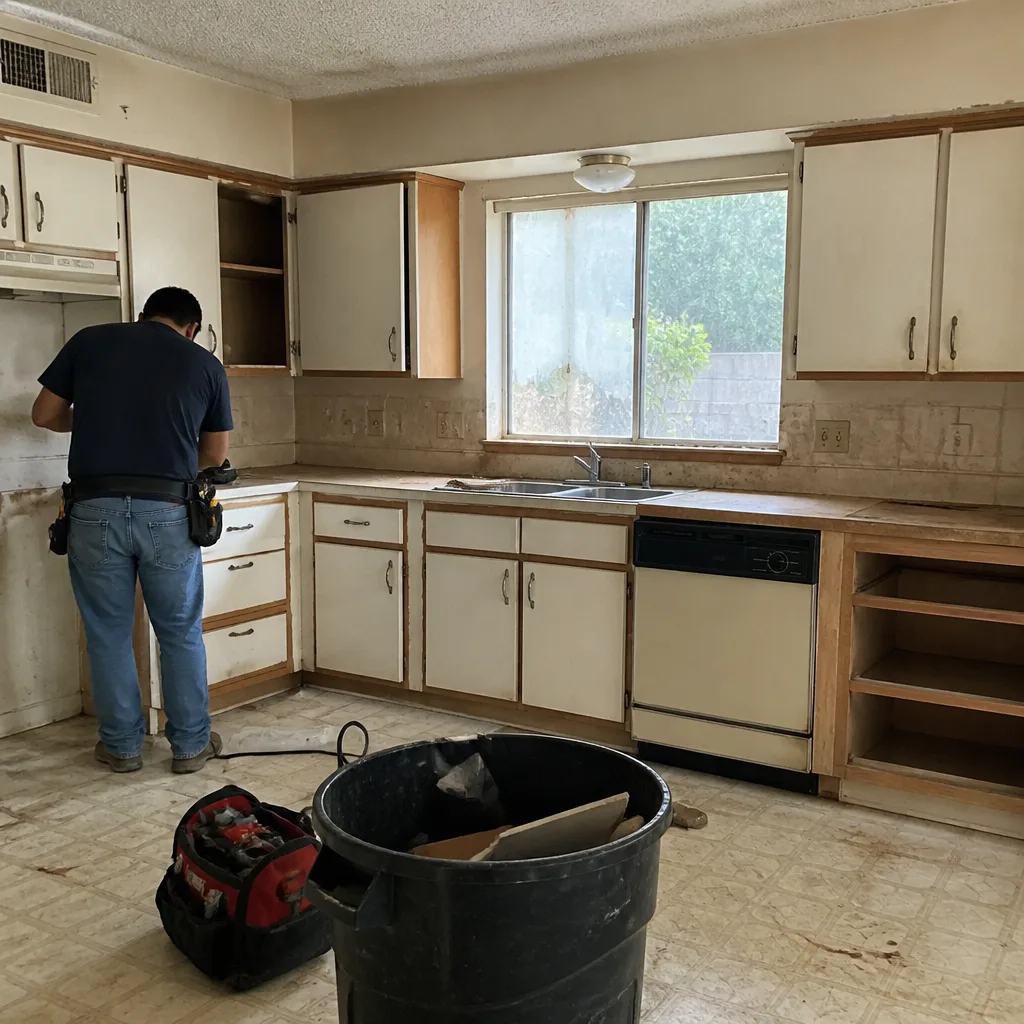 Before
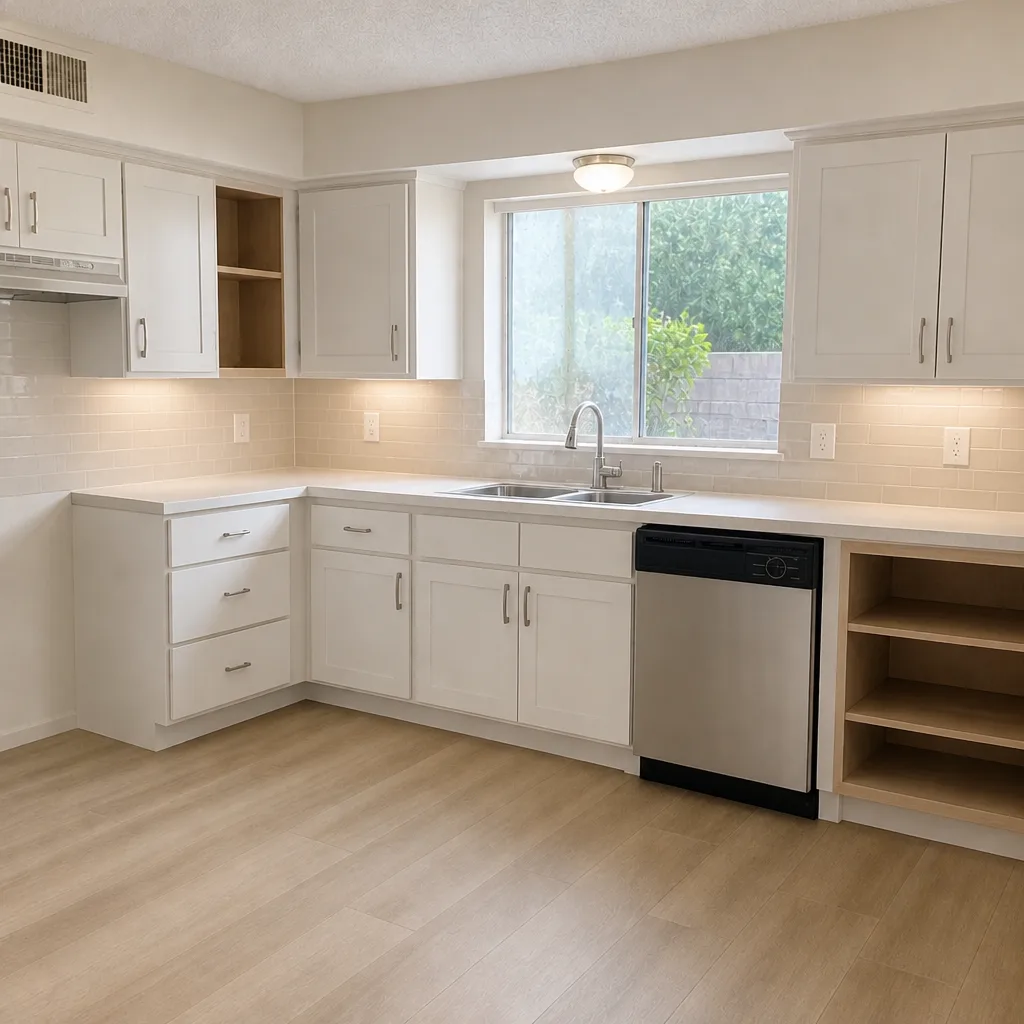 After
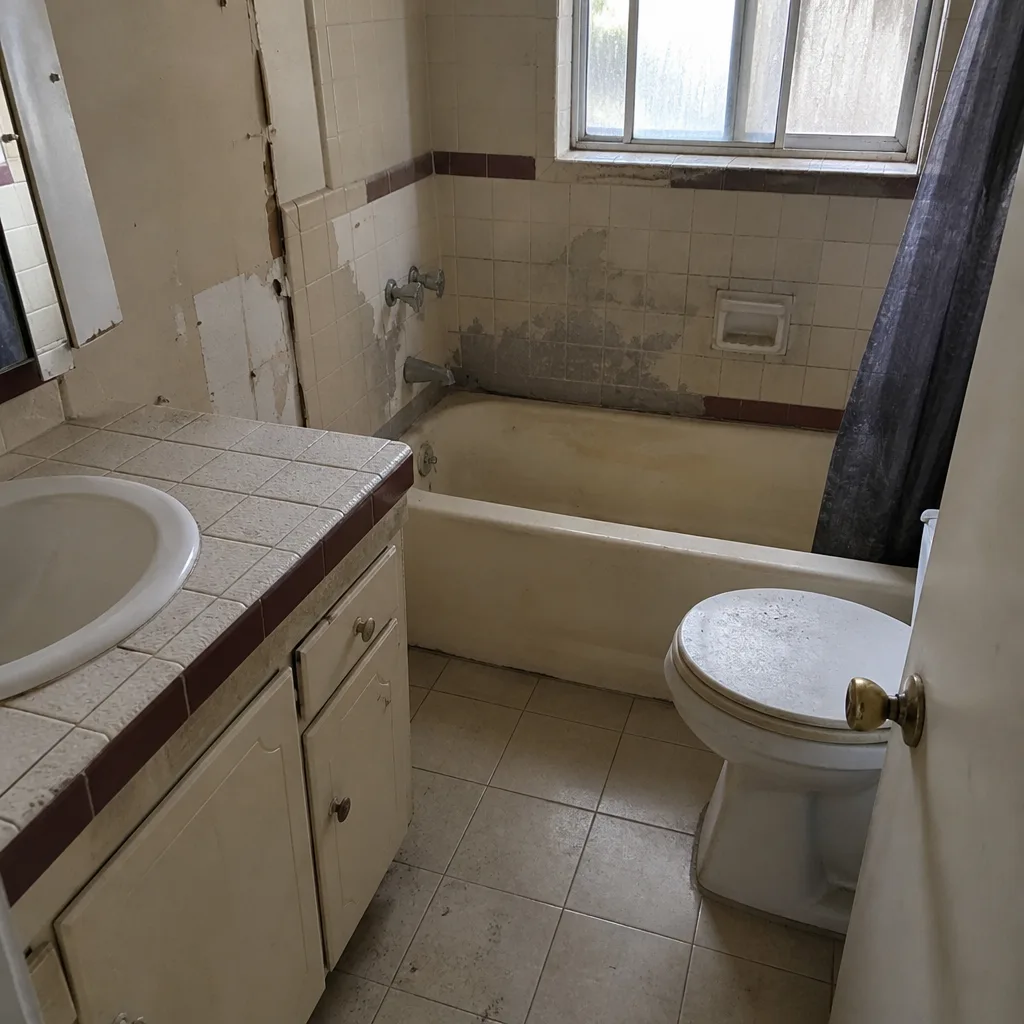 Before
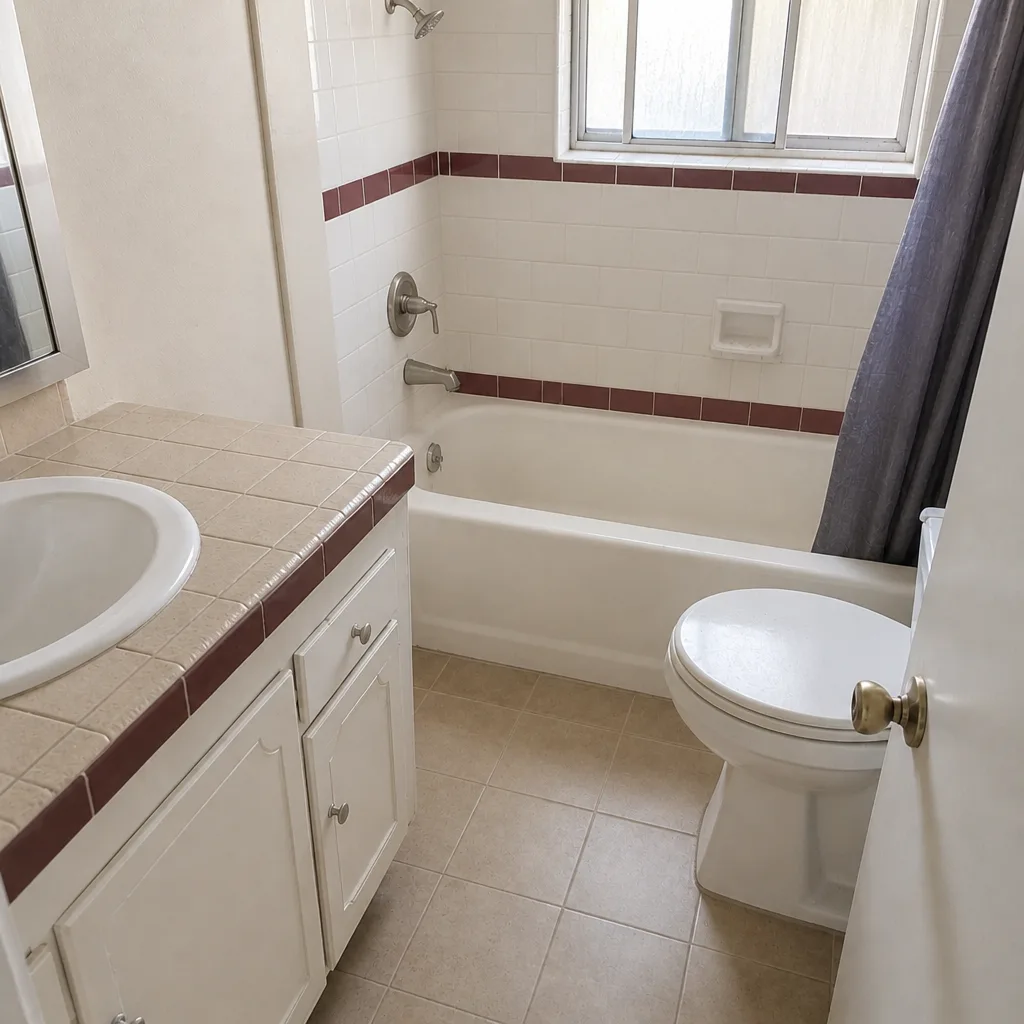 After
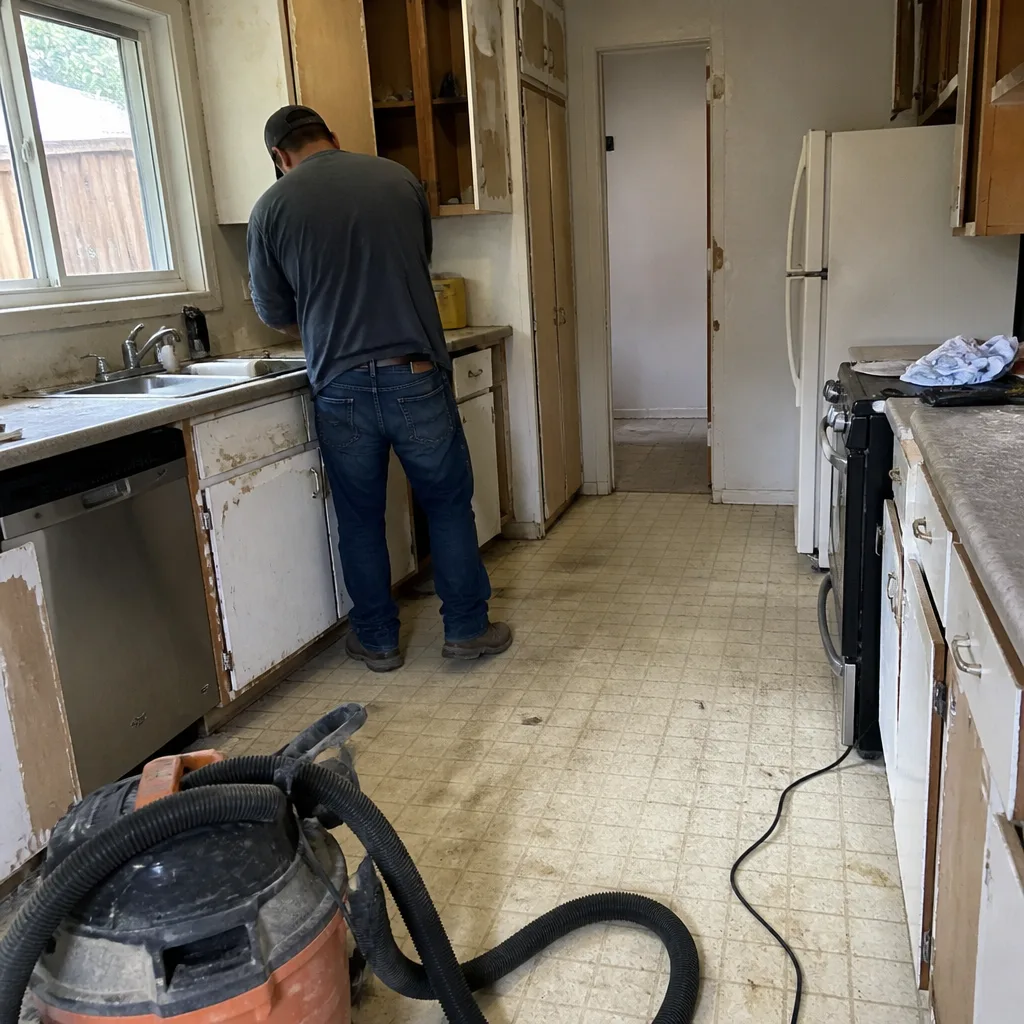 Before
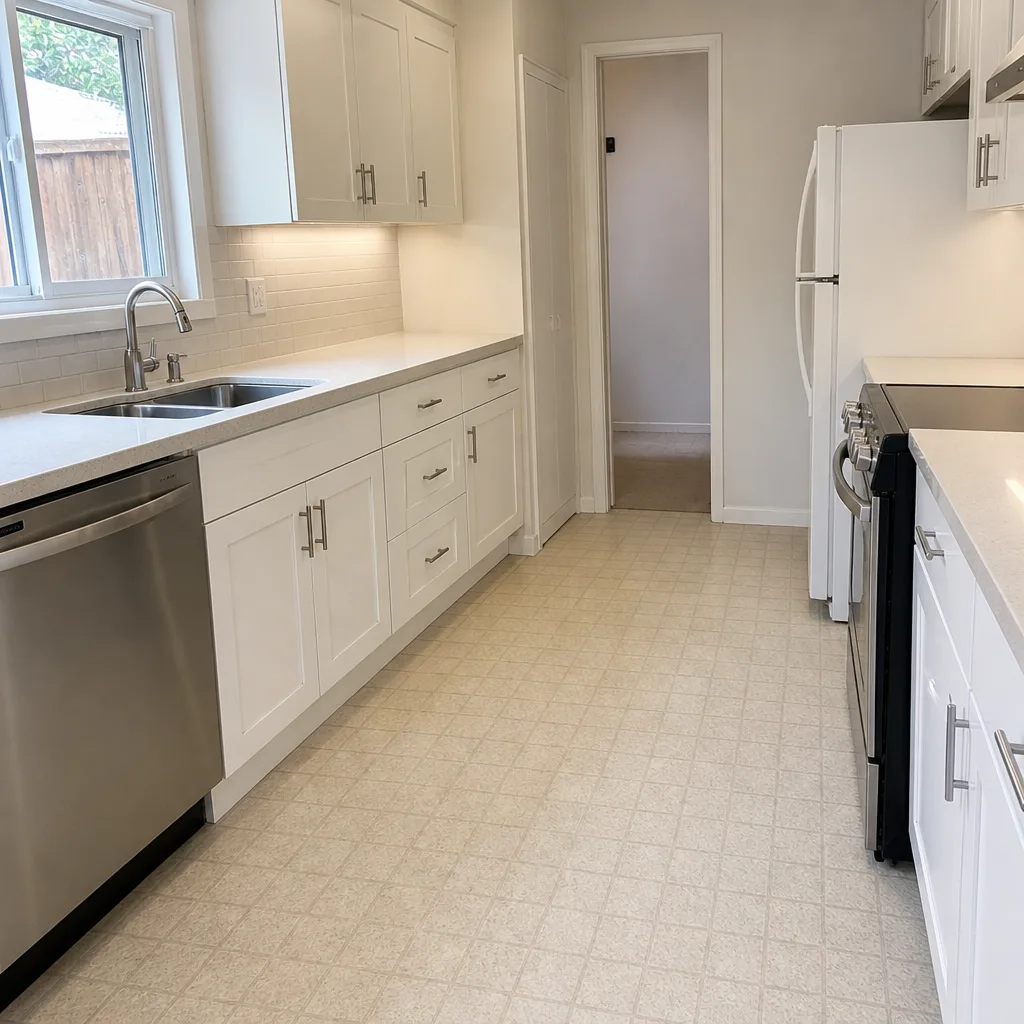 After