
Last updated November 16, 2026
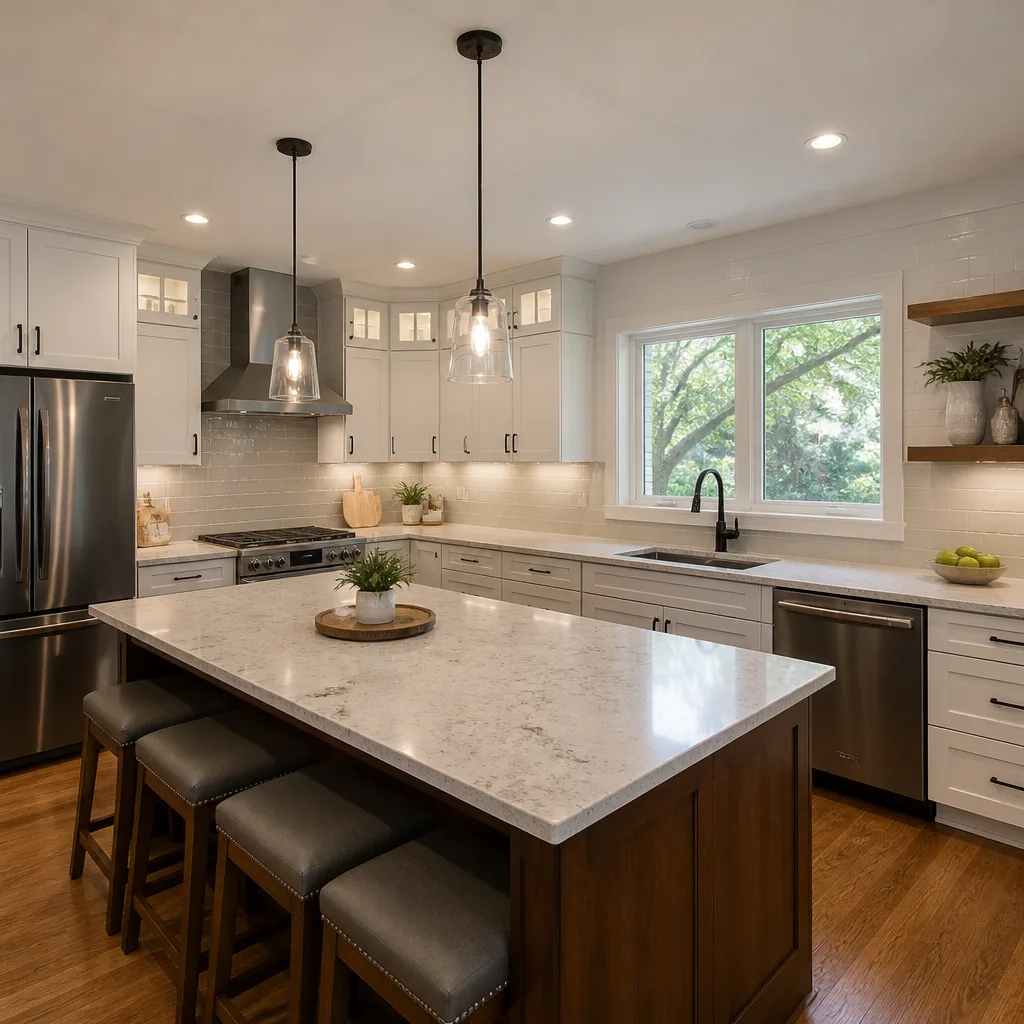 Kitchen remodeling
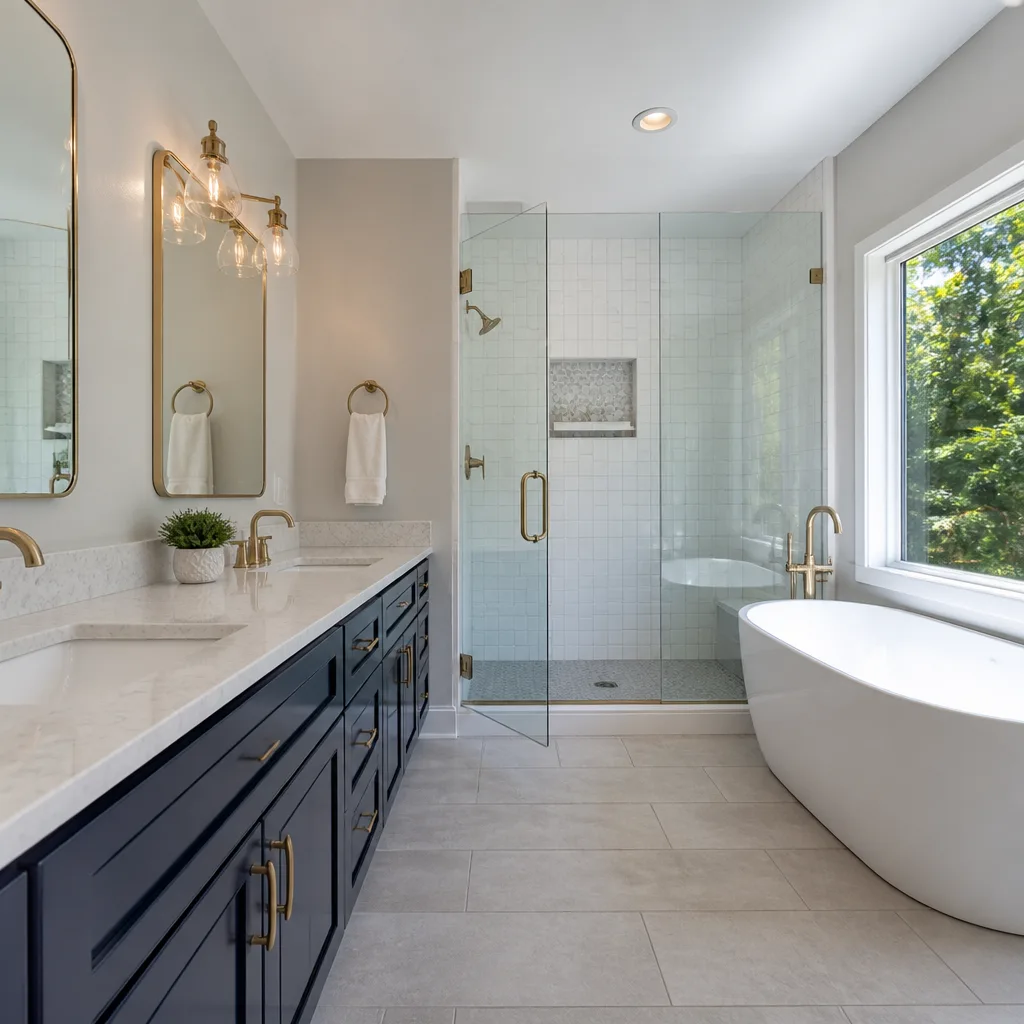 Bathroom remodeling
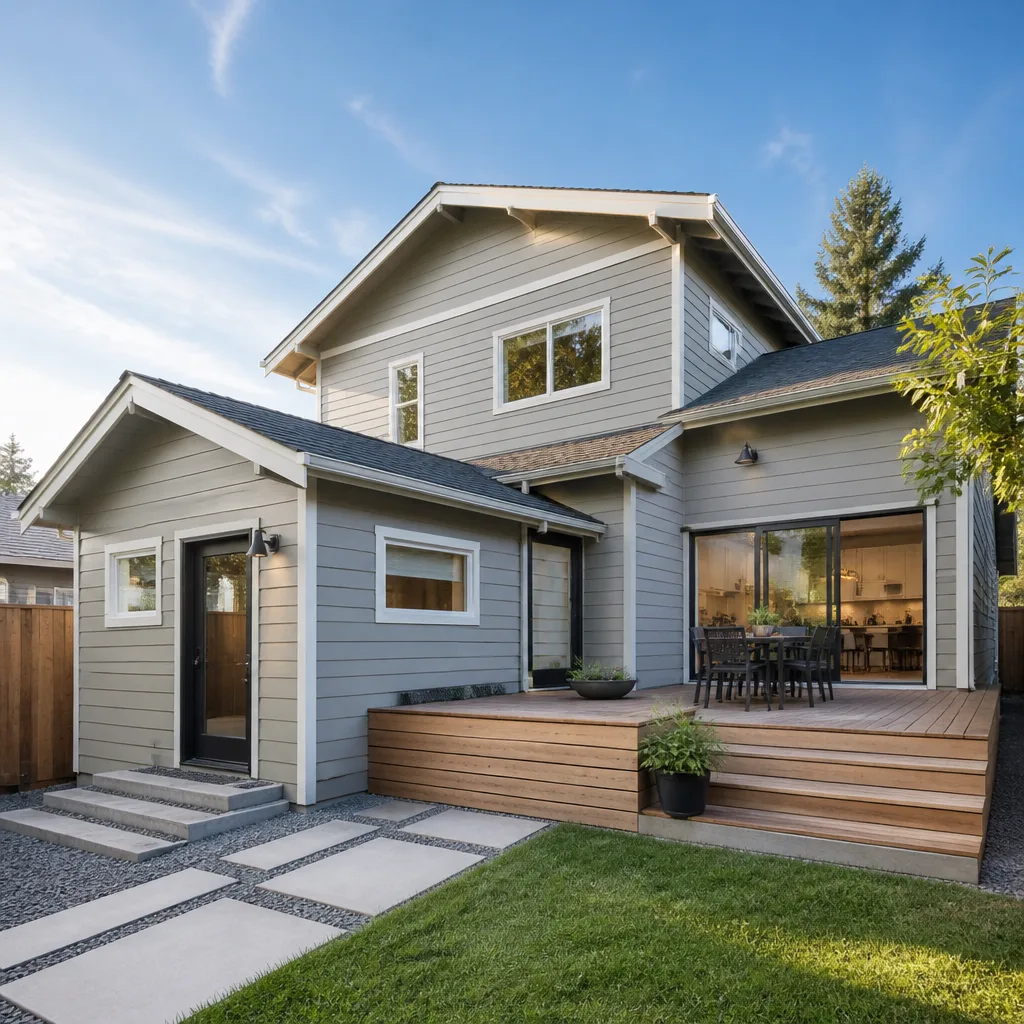 Home additions & ADU
 Roofing
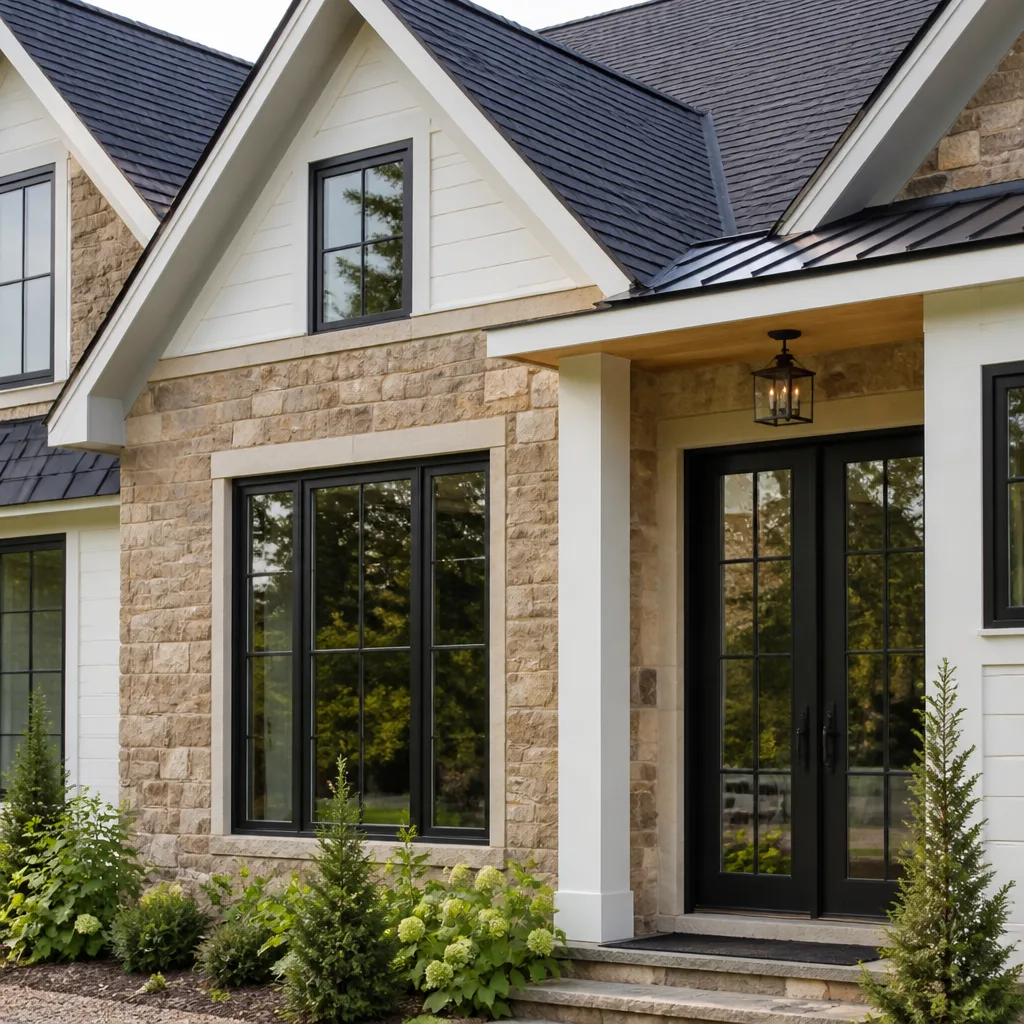 Windows & doors
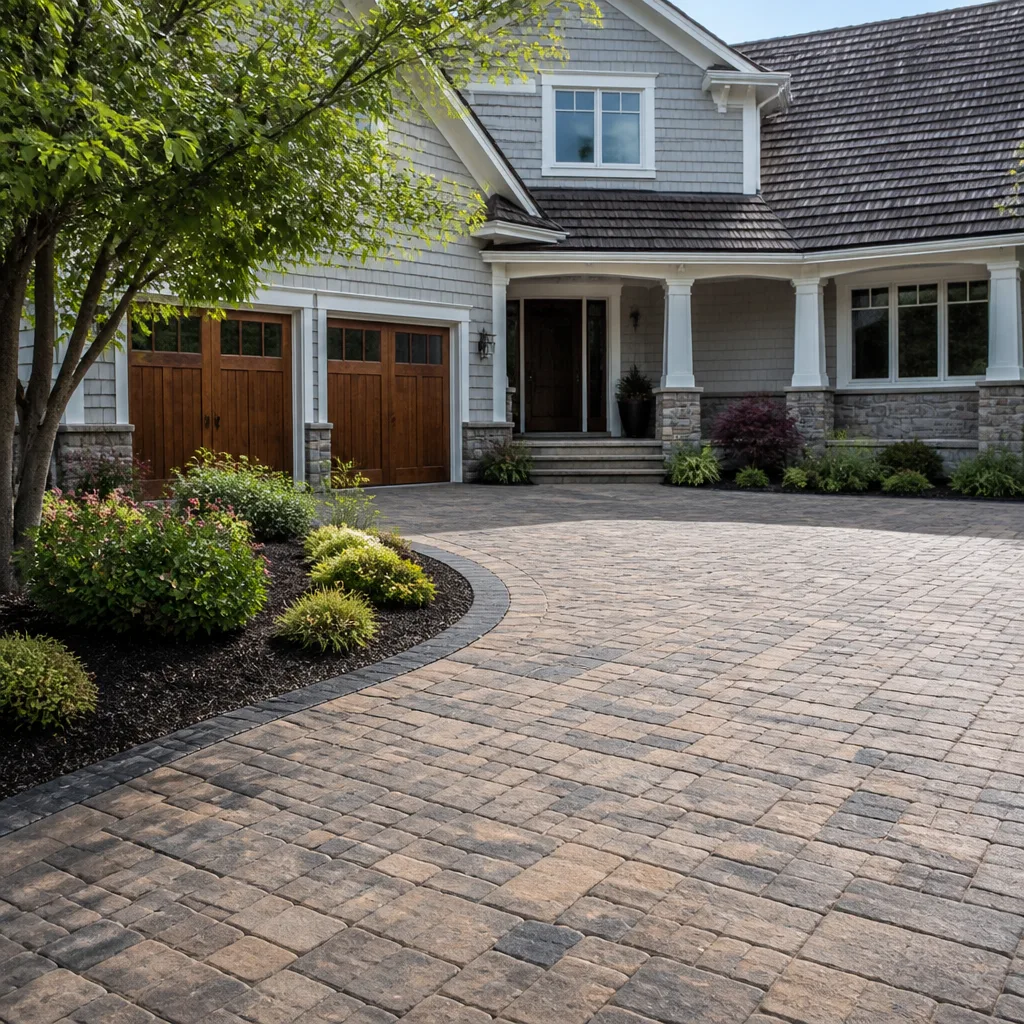 Driveway & pavers
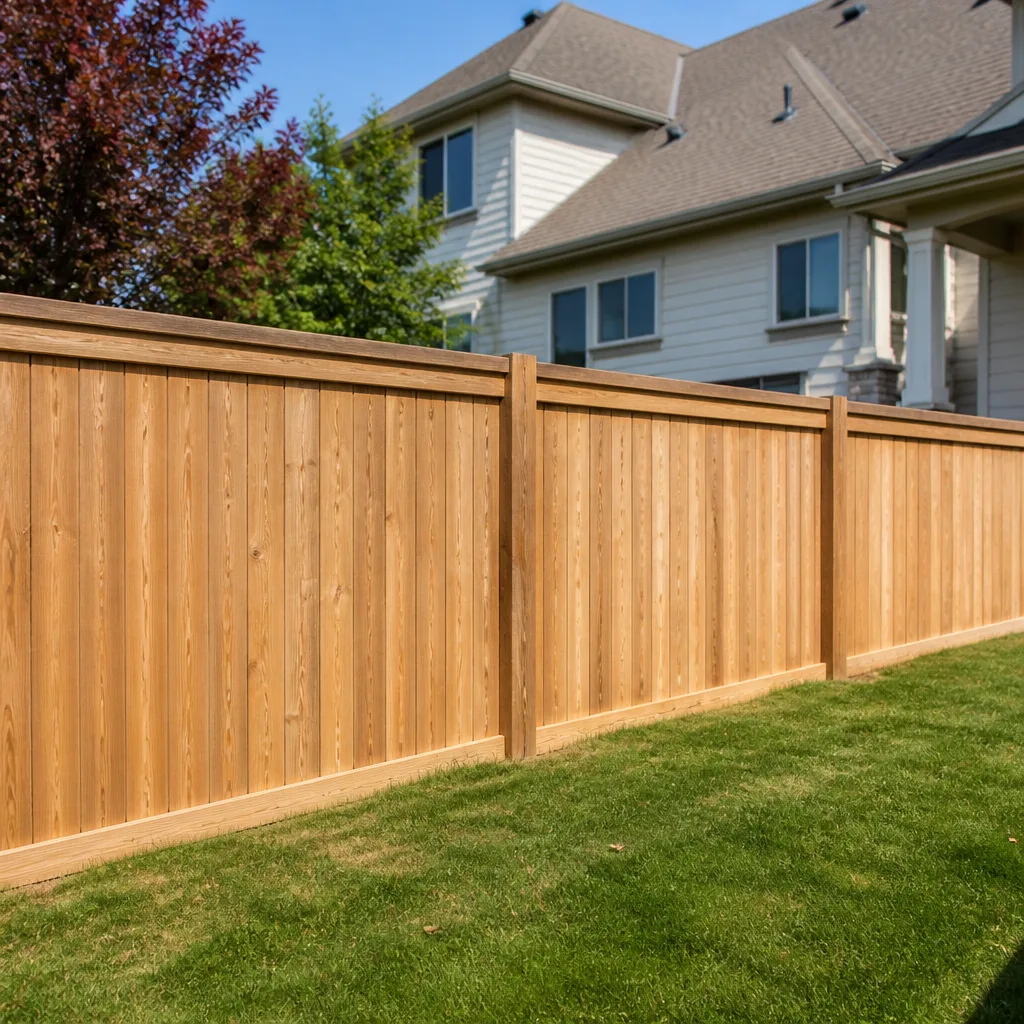 Fence
Free written scope consultation - allowances, timeline, and change-order rules on paper before a single trade is scheduled
How to Hire a Construction Contractor in Santa Clarita: A Step-by-Step Guide
The most common complaint filed with the California Contractors State License Board isn’t shoddy work. It’s a price that doubled between the signed contract and the final invoice. Nine times out of ten, the homeowner never saw it coming because nobody taught them what a complete scope of work looks like on paper. Getting three bids is fine advice, but three bids you can’t compare are worthless. In this guide, we’ll walk through how to verify a license in Santa Clarita, read a bid line by line, spot a thin scope before it becomes a change order, and ask the questions that tell you who will actually be on your job site.
Quick Answer
To hire a construction contractor in Santa Clarita, verify the contractor’s CSLB license and complaint history before you call, get every scope item and allowance in writing, and compare bids line by line – not by the bottom number. A bid that’s $15,000 lower usually isn’t cheaper; it’s missing work that shows up later as a change order. Ask who pulls the permit, who runs the crew, and how change orders are handled in writing.
Styles & brands we work with
- Kitchen remodeling
- Bathroom remodeling
- Home additions & ADU
- Roofing
- Windows & doors
- Driveway & pavers
- Fence
Table of Contents
- Step 1: Verify the License Before the First Phone Call
- Step 2: Read the Bid Line by Line
- Step 3: Understand Permits and Who Owns the Liability
- Step 4: Ask Who Will Actually Be on Your Job Site
- Step 5: Lock Down the Change Order Process
- Step 6: The Questions to Ask Every Contractor
- How Long Does a Typical Santa Clarita Project Take?
- Common Mistakes to Avoid
Key Takeaways
- A CSLB license check takes four minutes and tells you more than any reference call.
- The lowest bid is almost always the thinnest scope – compare line items, not totals.
- Pulling your own permit in California is legal but shifts liability onto you.
- Verbal change order approvals are effectively unenforceable. Get it in writing, every time.
- Santa Clarita’s clay soil, Santa Ana winds, and HOA review add complexity a generic contractor won’t anticipate.
Step 1: Verify the License Before the First Phone Call
Before you dial a contractor in Santa Clarita, pull up the California Contractors State License Board website and look them up. It takes four minutes. You’ll see the license number, the classification (B for general building, C-39 for roofing, C-27 for landscaping, and so on), whether it’s active or expired, how long it’s been in good standing, and any complaints or disciplinary actions on file. If a contractor hands you a business card with no license number, that’s your answer.
Ask for the license number in writing – on the bid, on the contract, on the truck. Anyone who hesitates is telling you something. In our experience across Santa Clarita, the contractors who push back hardest on the license question are usually the ones who either don’t have one or are operating under someone else’s.
Here’s what to look for on the CSLB site:
- Active status. “Expired” or “suspended” means stop.
- Correct classification. A B-license can pull most residential permits. A C-39 roofer can only do roofing. Hiring outside classification voids your ability to file a complaint.
- Bond and workers’ comp. The CSLB shows whether the contractor carries the required contractor’s bond – if it’s expired, you’re exposed.
- Complaint history. One complaint can be a bad client. Three is a pattern.
California requires contractors to carry a $25,000 contractor’s bond as of the current threshold for licensed work. If the license says bonded and the bond has lapsed, walk away. You can also call the CSLB at their public line and ask about pending complaints, which is a step most homeowners skip.
Step 2: Read the Bid Line by Line
Two bids that look different by $20,000 are usually not that different at all – one is a full scope, one is a teaser. The way you tell the difference is to sit down with both and compare line items. Nobody teaches you this, so most homeowners compare the total, pick the lower one, and discover the gap the day the tile order comes in.
A full-scope bid for a kitchen in Santa Clarita should list every one of these as a separate line with a dollar figure attached:
- Demolition – what’s being torn out, and who hauls it away.
- Dumpster and hauling fees, itemized separately.
- Permit fees – the actual fee, not “permits included” as a vague line.
- Rough framing and drywall, with square footage.
- Plumbing rough-in and finish, list each fixture.
- Electrical – number of outlets, dedicated circuits, panel work if any.
- Cabinetry – brand and model, e.g., KraftMaid, with door style and hardware.
- Countertops – slab material, edge profile, and template date. Cambria and quartz are priced differently than laminate.
- Tile and flooring, by square foot with overage allowance.
- Paint – number of coats, primer included, sheen.
- Appliances – by brand and model, or a stated allowance in dollars.
- Cleanup and final walkthrough – yes, this line matters.
- Contingency – a fair contractor includes a stated line for hidden conditions.
If a bid says “kitchen remodel – $48,000” with no line items underneath, that’s not a bid. That’s a promise to figure it out later, and later is exactly when the price gets interesting.
The allowance issue is what sinks most budgets. An allowance is a placeholder dollar figure for something the homeowner hasn’t chosen yet – tile, for example. If the bid shows a $2,000 tile allowance and the homeowner picks tile that costs $4,500, the difference arrives as a change order. Not dishonest, just unspoken. An allowance that isn’t on paper is a surprise waiting for a date. Ask for every allowance in writing, and ask what happens if you go over.
Step 3: Understand Permits and Who Owns the Liability
In California, a homeowner can legally pull their own permit for work on their own home. It’s allowed. The reason most contractors steer you toward it is not convenience – it’s that the permit requirement lands on the person holding the permit. If your contractor pulls the permit, the inspections are on him. If you pull it, they’re on you, and if something goes wrong – failed inspection, code issue, unpermitted work discovered at resale – the correction is your responsibility, not his, because he was never the permit holder.
Permits cost real money in Santa Clarita. A bathroom remodel permit typically runs a few hundred dollars depending on scope; additions and ADUs push higher. That number should appear in your bid as a specific line, not as “permits TBD.”
Ask this at every interview: “Will you pull the permit in your name and sign the inspection card?” The best contractors answer without hesitation. The permit inspector works for you, not for the contractor – a signed-off inspection is documentation that the work was done to code, and it’s the same document a buyer’s inspector will ask about when you sell the house.
If a contractor says permits are optional for your job, check yourself. Fence installation under a certain height may not require a permit, but a remodel that moves plumbing or electrical does. A roof replacement usually does. An ADU or addition certainly does. Skipping the permit is the single fastest way to make a home unsellable, and Santa Clarita’s inspection queue is short enough that there’s no reason to gamble.
Step 4: Ask Who Will Actually Be on Your Job Site
The person who shows up to write your estimate is almost never the person who runs your job. On a national-outfit contract, the salesperson who quoted the work moves on to the next call, and the crew that shows up a few weeks later is a rotating subcontractor hired for that week. Homeowners in Santa Clarita get surprised by this regularly – they hire a name, and a stranger’s crew arrives.
Ask three direct questions before you sign:
- Who runs the crew, and will I meet them? A specific name is fine, but you want to know they’re on-site most days.
- Are the crew members background-checked employees or day labor? This matters when they’re in your house for weeks.
- If my point of contact changes, who tells me? The answer should be “you’ll hear it from me, not from the crew.”
Owner-operated shops exist and are worth seeking out in Santa Clarita. When the person who owns the license is on the job site, the pricing, the scope, and the quality all get tighter. For additions and ADUs, plan for longer – three to six months is normal for a permitted ADU, and the ADU build process has its own permit flow with Santa Clarita’s planning department. If you hire a specialist, ask the same three questions regardless.
It’s not a red flag to use subcontractors for plumbing and electrical – every general contractor does. It is a red flag when nobody on the build answers to the person who signed your contract.
Step 5: Lock Down the Change Order Process
A change order is a written document that amends the original contract – it states the change, the cost, and the schedule impact. In California, verbal approvals for changes are effectively worthless. If you say “sure, go ahead” to a foreman and the cost shows up on the final invoice, you have no defensible position. The CSLB complaint files are full of this exact scenario.
Here’s what a working change order process looks like:
- Nothing is ordered or installed until the change order is signed. Not a light fixture, not a cabinet, not a tile.
- The change order states the exact dollar amount and schedule impact – “adds $1,850 and two days,” not “additional cost TBD.”
- The change is signed by both parties before the work proceeds. Verbal approval over the phone isn’t approval.
- Every allowance overrun is treated as a change order. Not a surprise line on the final invoice.
Ask each contractor how they handle change orders. The answer you want: written, priced, and signed before anything moves. The answer you don’t want: “we’ll work it out at the end” or “don’t worry, we’ll handle it.” Anyone who waves off written change orders is telling you exactly where the extra charges will come from.
One more thing: some contracts bury a clause that says the contractor can charge “actual cost plus 15%” for overages without written approval. Read the fine print. If the price isn’t in writing before it happens, it isn’t agreed to.
Step 6: The Questions to Ask Every Contractor
Walk into every bid meeting with this list. The answers are less important than the ease with which they’re given. A contractor who’s done this before in Santa Clarita will answer all of these without needing time to “check.”
- What’s your license number? Write it down, verify it on the CSLB site.
- Will you pull the permit in your name? Yes is the only correct answer.
- Will every change order be in writing before work proceeds? Yes, again.
- Who runs the crew, and can I meet them before we start? Specific answer.
- What’s the deposit, and what triggers the second payment? California limits the deposit for home improvement contracts to 10% or $1,000, whichever is less, before work begins. Ask whether their schedule follows that.
- Who hauls away the debris? Get the answer, and get the dumpster fee on the bid.
- What’s in writing about the warranty? Ask for it, and read it before you sign.
- What’s the realistic start date? “Three weeks” is normal. “Next Monday” off-season is a red flag for a shop with no backlog.
Payments should be tied to milestones, not to dates. A “20% deposit, 40% at rough-in completion, 30% at finishes, 10% at final walkthrough” structure is standard and protects both sides. Never pay the final invoice before you’ve walked the job.
How Long Does a Typical Santa Clarita Project Take?
Timelines in Santa Clarita depend on permit review, material lead times, and the trade sequence – not on what the contractor promises on the estimate. Rough ranges for planning:
| Bathroom remodel | 3-5 weeks |
| Kitchen remodel | 6-9 weeks |
| Roof replacement | 2-4 days |
| Driveway replacement (pavers or concrete) | 3-6 days |
| Fence installation | 1-3 days |
| Room addition | 4-7 months |
| ADU (permitted, attached or detached) | 6-10 months |
Material lead times in Santa Clarita run longer than most markets expect. Cabinet orders from KraftMaid or similar premium makers are often six to eight weeks from order to delivery, which is why the schedule needs to be sequenced around the order date, not around the crew’s availability. Ask every contractor when the cabinets get ordered – the answer tells you whether they’ve built a kitchen before or are learning on yours.
Santa Clarita’s Santa Ana wind season and the SoCal fire season affect exterior project scheduling. Roofers, fence crews, and driveway crews may lose days to high winds, and pavers get postponed if the ground is too wet to compact properly. If you’re planning an exterior project, budget for a weather allowance in the schedule, especially between September and December.
The Santa Clarita Valley’s clay soil is another factor – a fact worth knowing before you pour a driveway or compact a base. Paving and hardscape crews need to account for shrink-swell soil by digging deeper base and compacting in lifts, or the pavers will settle unevenly within two years. Ask any paving contractor what base depth and compaction they use. If the answer is “six inches of base, we’re good,” get a second opinion.
See the difference
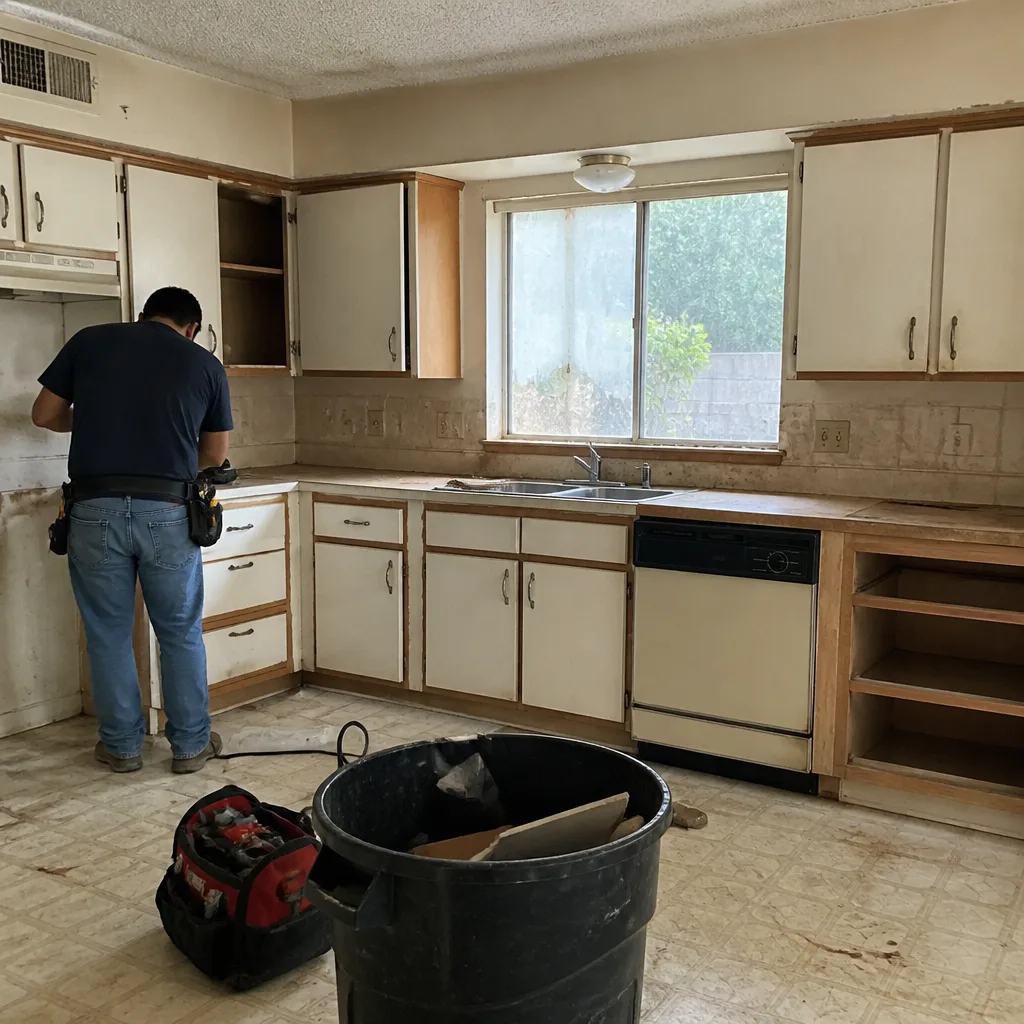 Before
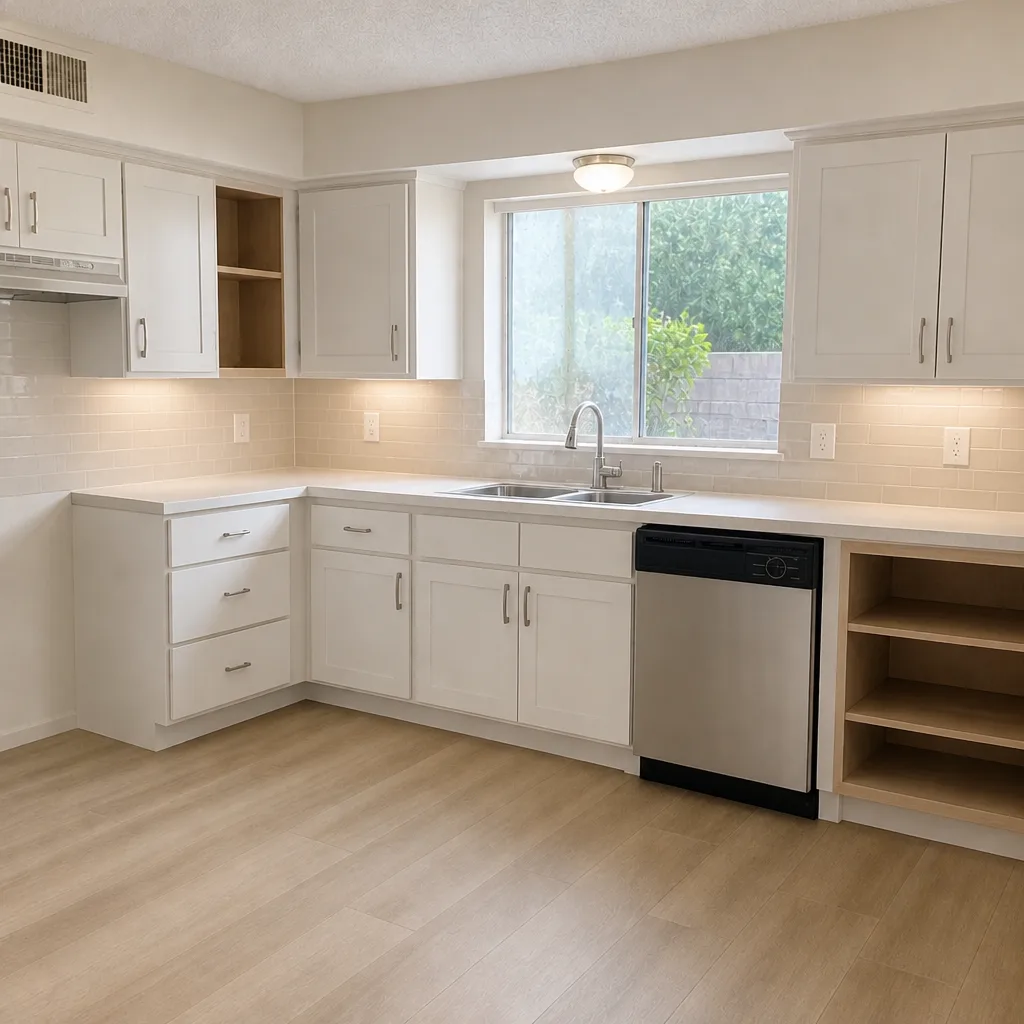 After
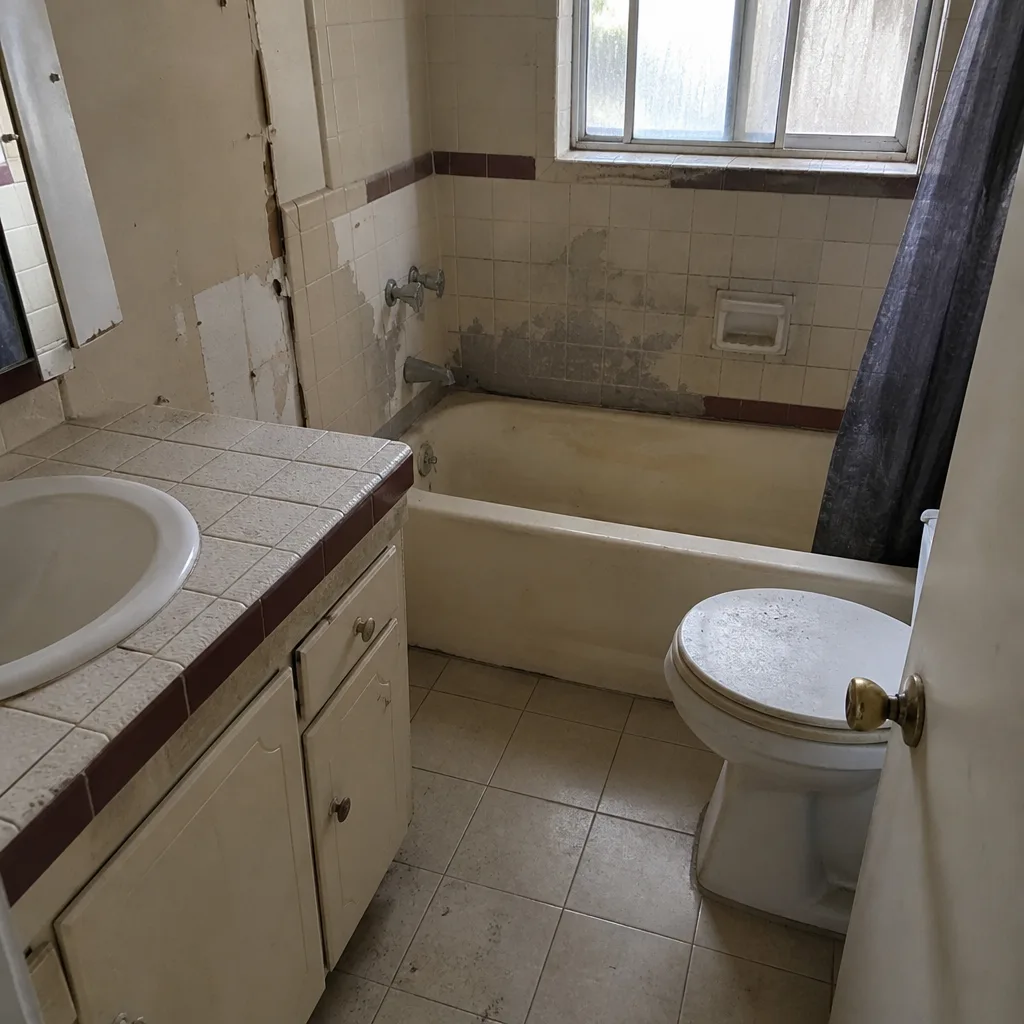 Before
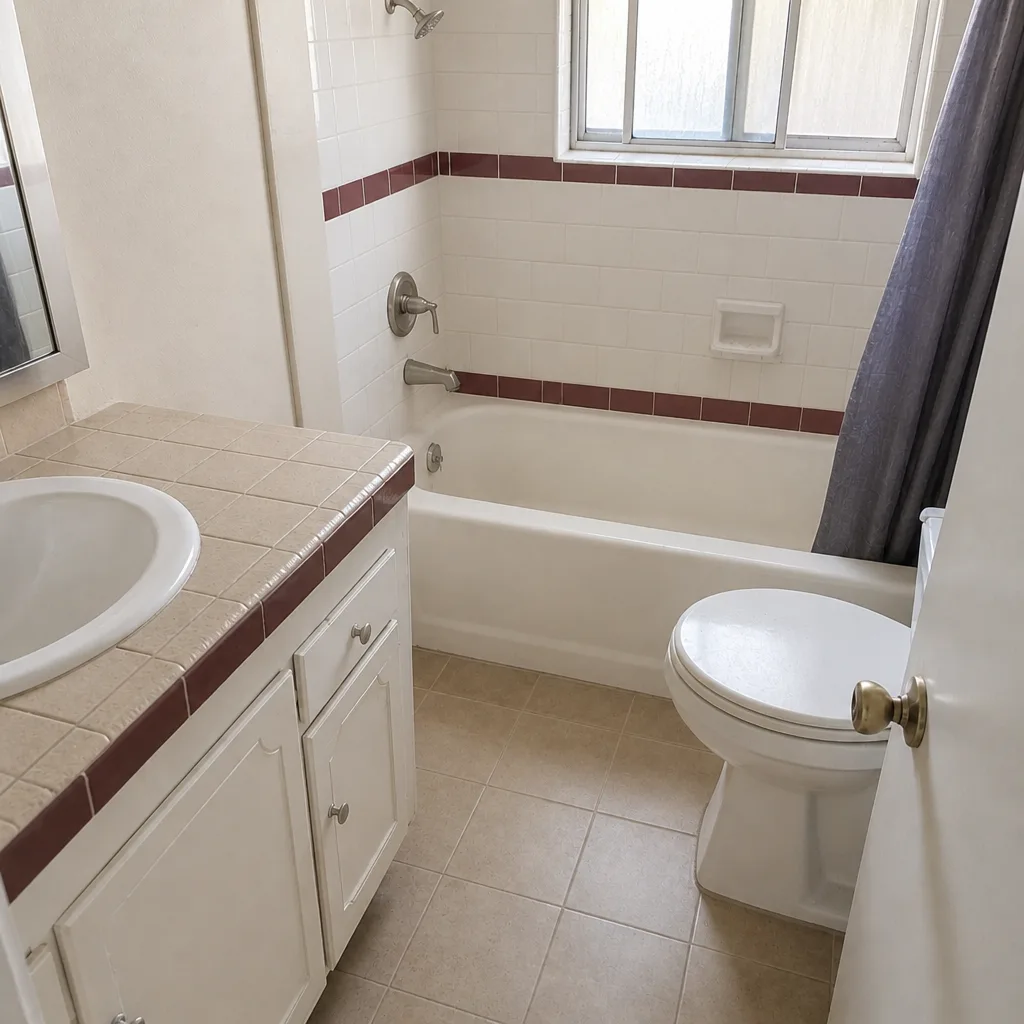 After
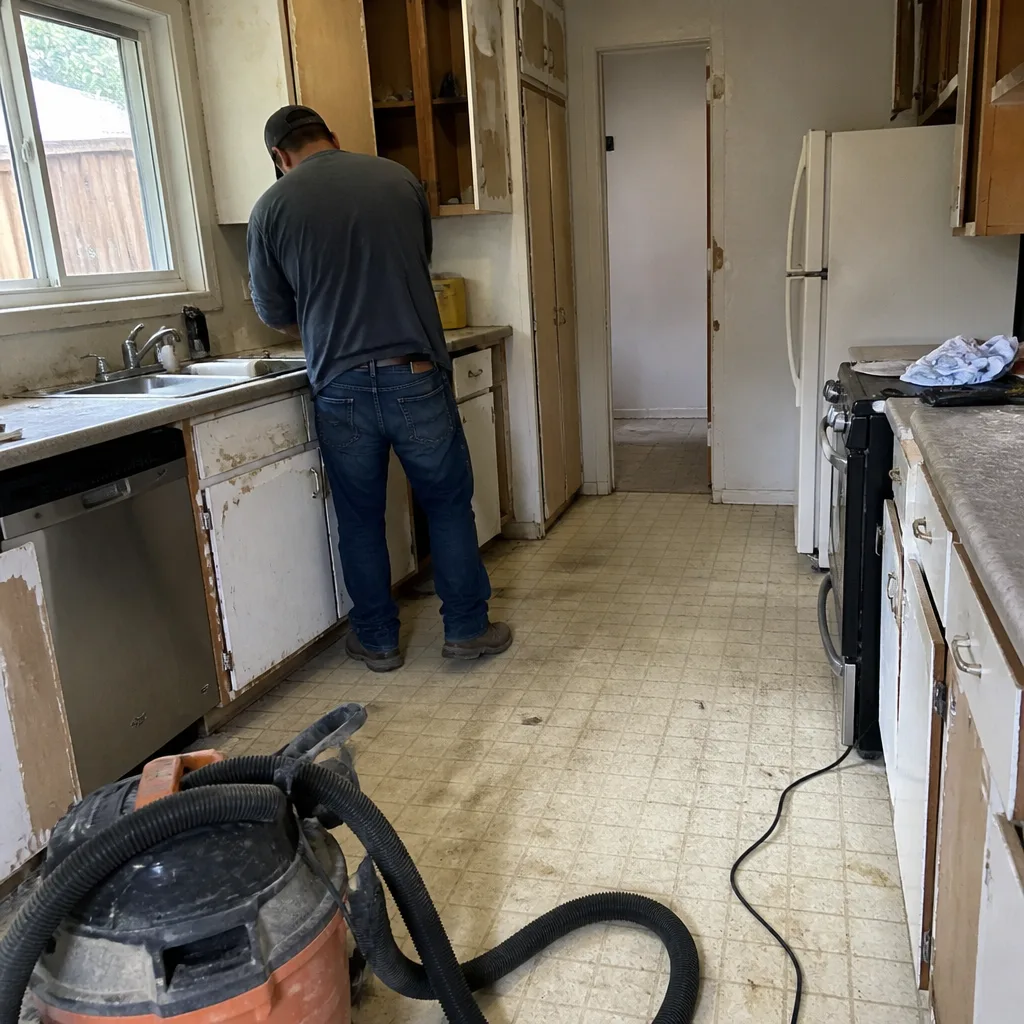 Before
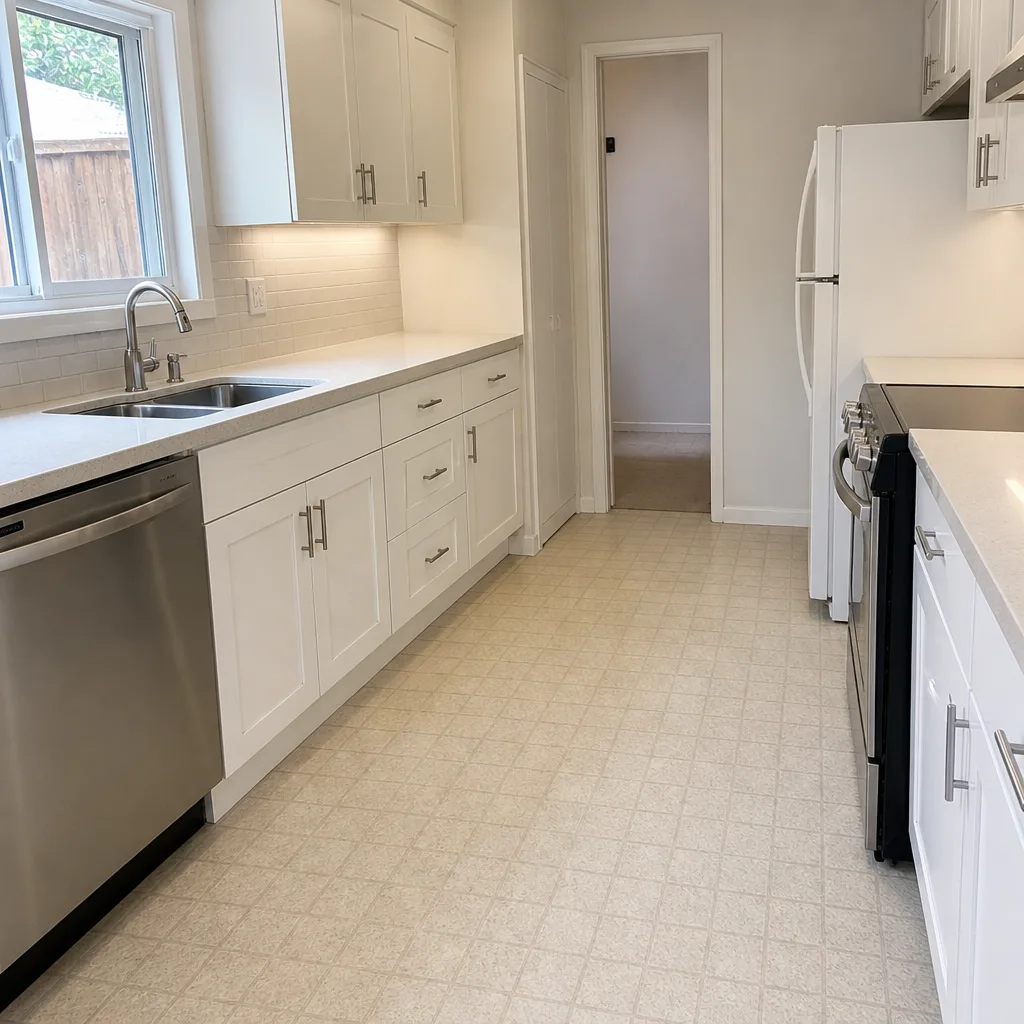 After
Common Mistakes to Avoid
- Comparing bids by the total and not the line items. A $10,000 gap between two bids almost always represents work that the cheaper bid left out, not work the pricier bid is padding. Compare scopes, not sums.
- Skipping the CSLB check because the contractor “seems legit.” Four minutes on the state website has saved more Santa Clarita homeowners than any reference list. Every complaint filed is public.
- Pulling your own permit to save a fee. A $400 permit becomes a $4,000 resale problem when the inspector finds work that never got signed off. The permit protects you, not the contractor.
- Approving a change order verbally. “Sure, go ahead” over the phone is unenforceable in California. If it isn’t on paper with a number attached, it isn’t agreed to.
- Paying a large deposit up front. California caps the pre-work deposit on home improvement contracts at 10% or $1,000. A contractor asking for 50% up front is either undercapitalized or overcommitted.
- Ignoring the HOA. Many Santa Clarita neighborhoods – Valencia and Stevenson Ranch especially – have HOA architectural review that has to happen before work starts. If your contractor hasn’t asked about the HOA, they haven’t done this before in your neighborhood.
- Not checking the classification on the license. A C-39 roofer doing your addition or a C-27 landscaper pouring a foundation is working outside their license class, which voids your complaint rights.
When to Call a Professional
Some jobs are homeowner jobs. Painting an interior wall, changing a light switch, laying a paver walkway – all doable. But high-tension work, gas lines, electrical panel upgrades, and anything that touches the structural envelope is a professional’s job, not because the average homeowner can’t learn it, but because the downside of learning on the job is your family’s safety. Same goes for an ADU or addition: pulling a permit yourself is legal in California, but the inspection sequence, structural engineering, and trade coordination are a full-time job. In our experience, DIY-pulled permits on additions add weeks and cost more in corrections than hiring a licensed general contractor would have. Ask for a free second opinion on any written estimate before you sign – it costs nothing to have a professional review the scope. Call us today to schedule your free estimate.
Frequently Asked Questions
Go to the CSLB website (cslb.ca.gov) and enter the license number or business name. The search shows license status, classification, bond and workers’ compensation coverage, and any complaints or disciplinary actions. It’s free and takes about four minutes. If the contractor can’t give you a license number, don’t hire them.
Yes. Under California law, a homeowner can pull a permit for work on their own primary residence. What most homeowners don’t understand is that the liability lands on the permit holder – so if the work fails inspection or a code issue is found later, the fix is yours to pay for and correct. Most reputable Santa Clarita contractors pull the permit in their own name, and that’s the structure we’d recommend.
Under California home improvement contract law, the contractor can’t collect more than 10% of the contract price or $1,000, whichever is less, before work begins. Any contract asking for more than that up front is non-compliant. Payments should be tied to progress milestones with the final payment at walkthrough. Call us for an exact quote – estimates are free.
A change order is a written amendment to the signed contract that states a specific change, its cost, and its schedule impact. It matters because verbal approvals aren’t legally enforceable in California – if the price goes up without a signed change order, you’re exposed. A contractor who won’t commit to written change orders is telling you where the surprise invoices come from. We can walk you through our change order process on a free estimate call.
You can, and sometimes it works well. But out-of-area contractors often don’t know Santa Clarita’s permit desk, the Santa Clarita Valley clay soil that affects driveways and hardscapes, the HOA architectural review requirements in neighborhoods like Valencia or Stevenson Ranch, or the local material lead times. Local crews are generally faster on corrections because they know the inspector’s expectations. Our free second opinion service exists for exactly this reason: call us before you sign.
10% or $1,000 at signing (whichever is less), then milestone payments – typically 30-40% at foundation and framing completion, 30% at rough-in inspection, 20% at finishes, and 10% at the final signed-off inspection and walkthrough. Never pay the final invoice before the inspection card is signed and you’ve walked the job with the contractor. Call us for an exact quote tailored to your scope – estimates are free.
The Bottom Line
Hiring a construction contractor in Santa Clarita comes down to three things: verify the license, read the bid line by line, and get every change in writing. The bid with line items and stated allowances is almost always the bid you can trust, even when its total is higher – because the cheaper bid is the one that comes back for more money mid-job. Pull the permit in the contractor’s name. Meet the crew before they show up. And when the numbers seem too good, they usually are.
When you’re ready to see how a fair, complete bid looks on paper, reach out. Free estimates, written change orders before any scope moves, permits pulled and inspections signed on every eligible job, and a 90-Day Done Right Promise on every completed project. We’re happy to give you a free second opinion on any written estimate you’ve received, even if it isn’t ours. And for anything beyond the scope of this guide – a new kitchen, a driveway redo, a fence line, or an ADU in the backyard – start with the Barrett & Sons Construction Santa Clarita home, take a look at driveway and pavers in Santa Clarita, plan the property line with fence installation in Santa Clarita, or explore the details of a home addition or ADU in Santa Clarita. We install premium brands with names you can look up – KraftMaid, Cambria, GAF, CertainTeed, Andersen, Marvin, Belgard, Techo-Bloc – and every price change comes to you in writing before work moves.
Call (833) 762-8116 for a free estimate. A live person answers, day or night.
Written by the team at Barrett & Sons Construction Santa Clarita.