
Last updated November 16, 2026
 Home additions & ADU
 Kitchen remodeling
 Bathroom remodeling
 Roofing
 Windows & doors
 Driveway & pavers
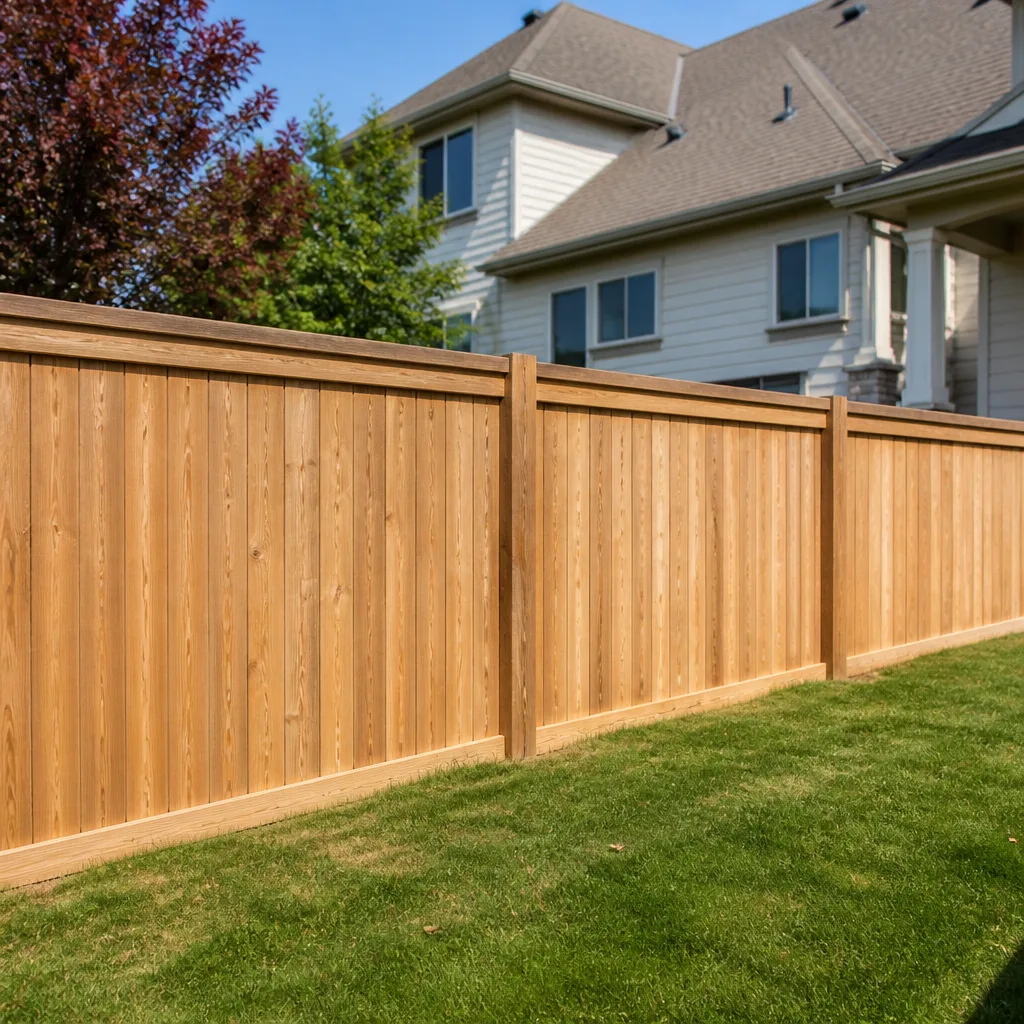 Fence
Free written scope consultation - allowances, timeline, and change-order rules on paper before a single trade is scheduled
Seasonal Construction Care for Santa Clarita: Year-Round Homeowner’s Guide
Most seasonal home maintenance guides are written for climates with snow and rain. Santa Clarita gets neither in meaningful quantities, but it gets sustained 110°F radiant heat on south-facing stucco and 60 mph Santa Ana gusts that do damage most homeowners misread as normal wear. That mismatch matters. A checklist built for Ohio will tell you to winterize pipes and shovel the walk, while the things actually attacking your house in Santa Clarita – cooked caulk joints, clogged scuppers, fence posts drying loose in the soil – go unnoticed until they’re expensive. This guide walks through the four seasons Santa Clarita actually has: heat, fire, a brief wet stretch, and wind. You’ll learn what to inspect in each and how to photograph the pattern so a contractor sees the trend, not just the latest symptom.
Quick Answer
Seasonal construction care in Santa Clarita means inspecting your exterior four times a year against the risks this valley actually has – radiant heat in summer, wildfire embers in fall, a short but intense wet season in winter, and Santa Ana wind in spring and fall – rather than following a snow-belt schedule. The highest-value tasks are an eave and vent audit before June, a stucco and caulk check on south and west walls in late summer, gutter strapping and fence-post checks before wind season, and a drainage walk after the first hard rain. Photographs and written notes each time turn scattered repairs into a visible pattern.
Styles & brands we work with
- Kitchen remodeling
- Bathroom remodeling
- Home additions & ADU
- Roofing
- Windows & doors
- Driveway & pavers
- Fence
Table of Contents
- Why Santa Clarita’s Seasons Don’t Match the Standard Checklist
- Pre-Fire-Season Exterior Audit: Eaves, Vents, and Deck Boards Before June
- Heat-Season Stucco and Caulk: Why South and West Elevations Need Separate Attention
- Santa Ana Prep: Gutter Strapping, Fence Posts, and Projectile Risk
- The Winter Wet-Season Drainage Walk: What One Hard Rain Reveals
- How to Log and Photograph Seasonal Findings
- When to Call a Professional
Why Santa Clarita’s Seasons Don’t Match the Standard Checklist
Santa Clarita sits in a high desert valley ringed by the Angeles National Forest and the Santa Susana Mountains. That geography produces a very specific annual cycle. Summer heat here isn’t a few uncomfortable weeks – it’s sustained stretches above 100°F, and the radiant load on a south-facing wall can push surface temperatures well past ambient. Fall brings the Santa Ana winds: dry, fast air that funnels through the valley and can gust above 60 mph. Winter is short and mostly dry, but when a storm does arrive, it can drop an inch of rain in a few hours on ground baked hard by months of heat. Spring is the swing month, with wind and late heat arriving together.
What this means for homeowners in Santa Clarita is that damage rarely comes from one dramatic event. It accumulates. A caulk joint that fails in August lets the first winter rain into the wall cavity. A gutter that sags after a windstorm dumps water at the foundation and undermines grading. A fence post that dries loose through the summer is the one that goes down in October. The exterior isn’t failing all at once; it’s failing in a sequence, and each season hands the problem to the next.
In our experience across Santa Clarita neighborhoods like Valencia, Saugus, Newhall, Canyon Country, and Stevenson Ranch, the homes that age best are the ones where the owner walked the perimeter on a schedule and wrote things down. It sounds simple. It’s also the difference between a $300 repair and a $9,000 stucco and framing job.
Pre-Fire-Season Exterior Audit: Eaves, Vents, and Deck Boards Before June
The most important walk you’ll take all year happens in late spring, before the hills cure to brown and the first fire weather arrives. Embers are the real threat to a home in Santa Clarita, not a wall of flame. A wind-driven ember can travel a mile and land in a gutter packed with dry leaves, on a wood deck board, or against a vent screen. Your job in May is to remove anything that gives an ember a place to land and catch.
- Clear the roof and gutters completely. Not a light pass – a full removal of leaf litter, twigs, and the fine debris that packs into valley sections. A single clogged valley holds moisture and embers alike.
- Inspect eave returns and fascia for gaps. Any crack where a bird or wasp can enter is a crack an ember can enter. Seal gaps with a fire-rated sealant, not plain caulk.
- Check attic and foundation vent screens. Screen should be intact and fine enough to stop embers. Replace torn screen before summer.
- Walk the deck boards. Press on each board near the fasteners. A board that flexes or feels soft has water intrusion, and dry-rotted wood ignites faster than sound wood.
- Clear the first five feet around the foundation. No wood mulch piled against stucco, no stored lumber, no dry brush. This is the zone most fire agencies focus on for a reason.
Santa Clarita homes near open space – the edges of Canyon Country, parts of Saugus backing to the hills – carry higher exposure, and the audit matters more there. If you have Home Additions & ADU in Santa Clarita planned, build fire-resistant detailing into the design from the start rather than retrofitting it later.
Heat-Season Stucco and Caulk: Why South and West Elevations Need Separate Attention
Stucco is a great material for Santa Clarita, but it is not maintenance-free, and it does not age evenly around the house. The south and west elevations take the worst of the afternoon sun. That radiant heat drives a daily expansion-and-contraction cycle that works on caulk joints, window perimeters, and any hairline crack in the stucco skin. The north and east sides, by contrast, stay cooler and often look fine years longer. Treating all four walls the same is how homeowners miss the failure that’s actually happening.
Walk the south and west walls in late summer, when the heat has done its worst. Look for:
- Caulk joints that have pulled away from window frames, door frames, and penetrations – look for a visible gap or a joint that has gone chalky and cracked.
- Hairline cracks in the stucco that run vertically at corners or diagonally from window openings. Small cracks are common; cracks that are widening or repeating in the same spot are a signal.
- Efflorescence – the white chalky staining that appears when moisture is moving through the wall.
- Paint or elastomeric coating that is blistering or peeling on the sun-facing walls only.
When you find failing caulk, the fix is straightforward: remove the old bead, clean the joint, and re-caulk with a paintable exterior sealant rated for high heat. Do it before the wet season, because a failed joint in August becomes a soaked wall in January. If the stucco itself is cracked through, or you’re seeing the same crack reopen after patching, that’s a professional call. Barrett & Sons has handled exterior repairs across Santa Clarita for years and can tell you in one walk whether it’s a caulk job or a stucco job.
Santa Ana Prep: Gutter Strapping, Fence Posts, and Projectile Risk
Santa Ana winds are the season most Santa Clarita homeowners underestimate. The gusts are dry and sustained, and they turn loose objects into projectiles. A patio chair, a loose roof tile, a section of sagging gutter – anything the wind can lift becomes a danger to windows, siding, and cars. And the fence that’s been slowly loosening all summer is the one that goes over in the first big blow. Prep for wind season means securing anything that can move.
- Check gutter strapping and hangers. Grab the gutter at the downspout and push up. If it moves more than a quarter inch or the hanger is pulling from the fascia, re-strap it before wind season.
- Test every fence post. Push each post firmly. A post that rocks in the soil is loose, and a loose post will fail in a gust. Posts set in Santa Clarita’s often-hard, often-sandy soil can work loose over a summer of drying. If several posts are loose, plan for a full fence evaluation.
- Secure or store loose exterior items. Patio furniture, pots, kids’ toys, trash bins, and anything on a deck. Bring it in when a wind event is forecast.
- Check roof tiles and ridge caps. Look for tiles that have shifted or lifted. A loose tile in a 60 mph gust can damage the roof and the ground below.
If your fence has been patching together for a few seasons, this is the point to think about replacement rather than repair. Our Fence Installation in Santa Clarita crew can check post depth and anchoring against the wind loads this valley actually sees, not a generic spec.
The Winter Wet-Season Drainage Walk: What One Hard Rain Reveals
Santa Clarita’s wet season is short, but it can be intense. The ground bakes hard through the summer and fall, so when the first real storm hits, water doesn’t soak in the way it would in a wetter climate – it runs. That first hard rain is the single best diagnostic tool you have. It shows you exactly where water wants to go and where your grading and downspouts are failing. The trick is to walk the property during or right after the storm, before the evidence dries.
Here’s what to look for on that walk:
- Pooling against the foundation. Any standing water within a few feet of the house within 24 hours of the rain is a grading problem. Water against the stem wall finds its way in.
- Downspouts dumping at the foundation. A downspout that discharges right at the corner of the house is sending thousands of gallons into the soil at the worst possible spot. Extend it or route it away.
- Water crossing a walkway or driveway. If water sheets across pavement toward the house, the grade is working against you. This is where Driveway & Pavers in Santa Clarita work done with proper slope matters – a paver install that sheds water correctly solves a problem a flat pour creates.
- Staining on stucco or fascia that wasn’t there before the rain. That’s water finding a path it shouldn’t.
- Soil erosion at the base of fences and retaining walls. Erosion undermines footings and leads to the wind-season fence failures described above.
Take notes and photos on that first storm. The pattern you capture is what a contractor needs to fix the drainage correctly the first time.
How to Log and Photograph Seasonal Findings
The single habit that changes how a contractor can help you is keeping a simple seasonal log. Not because homeowners need a formal file, but because the difference between “my wall has a crack” and “this crack reopened in the same spot three summers running and got wider each time” tells a professional where the real problem is. Pattern beats symptom, every time.
Set up a folder on your phone – call it “House” – and do the following at each seasonal walk:
- Photograph wide, then close. One photo showing where you are on the house, one close-up of the issue. Name or note both.
- Note the date and the weather. “August 14, after 10 days over 100°F” tells a contractor more than the photo alone.
- Mark the spot. Note which elevation and which corner (for example, “south wall, left of the sliding door”).
- Record what you did. “Re-caulked window joint” – so next year you know what was already addressed.
- Keep a printed summary. A single page of notes handed to a contractor at an estimate visit is worth more than a phone full of photos they can’t sort.
This also protects you. If a repair under our 90-Day Done Right Promise ever needs another look, a documented pattern helps everyone get to the right fix faster.
Common Mistakes to Avoid
- Following a snow-belt checklist. Winterizing pipes and shoveling walks does nothing for a Santa Clarita home. Your real risks are heat, embers, wind, and short intense rain – audit against those.
- Treating all four walls the same. The south and west elevations age faster under radiant heat and need the caulk and stucco check first. Skipping that is how a small joint failure becomes a wall repair.
- Ignoring the fence until it falls. A fence post that rocks in late summer will fail in the first Santa Ana gust. Check posts before wind season, not after.
- Cleaning gutters lightly instead of fully. In fire country, a packed gutter valley is an ember trap. Clear it completely before summer.
- Not walking the property during the first rain. The evidence of grading and drainage problems dries up in a day. If you don’t look during the storm, you’ll miss it until the damage is done.
- Patching a crack without noting whether it returns. A crack that reopens in the same spot every year is a structural or moisture signal, not a cosmetic one. Log it.
- Accepting verbal scope and prices. The contractor who tells you a change is “no big deal, we’ll sort it out” is the one who surprises you at the end. Get every scope, allowance, and price change in writing before work happens.
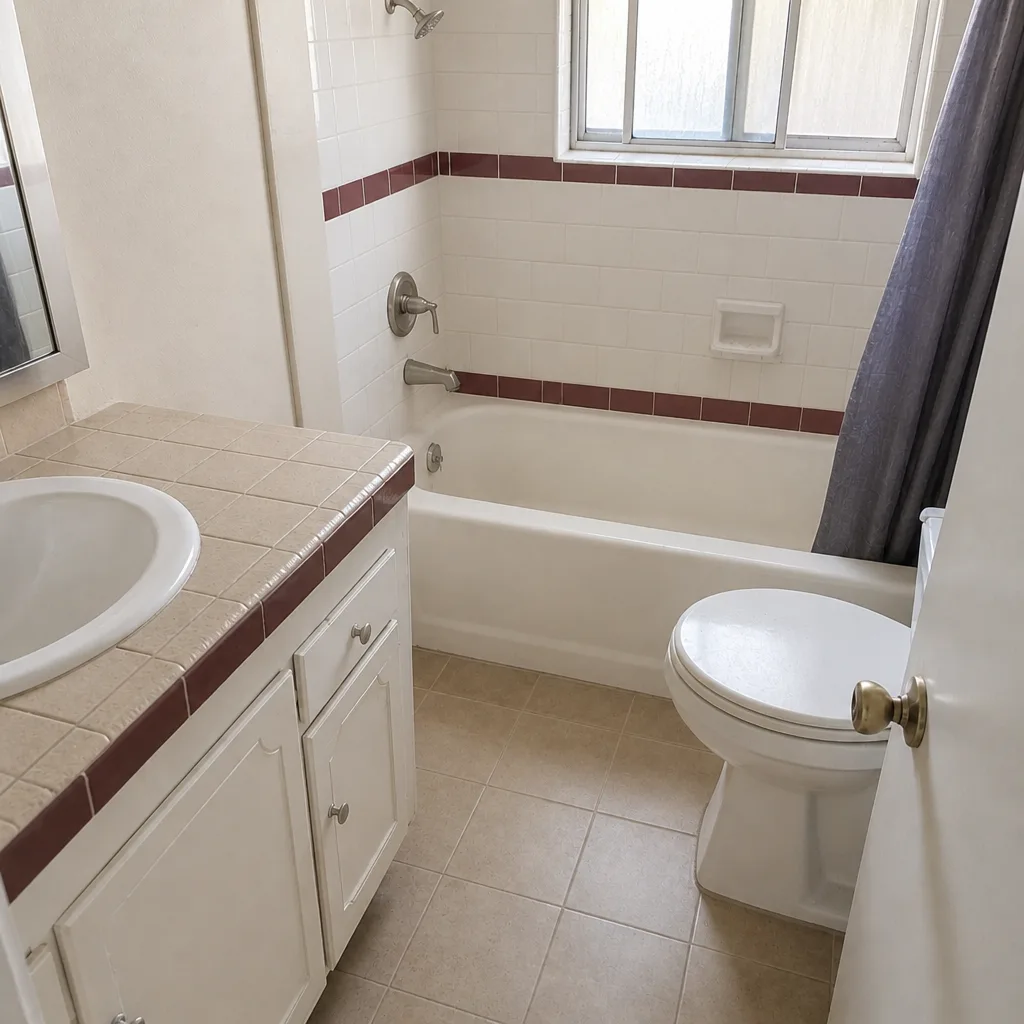
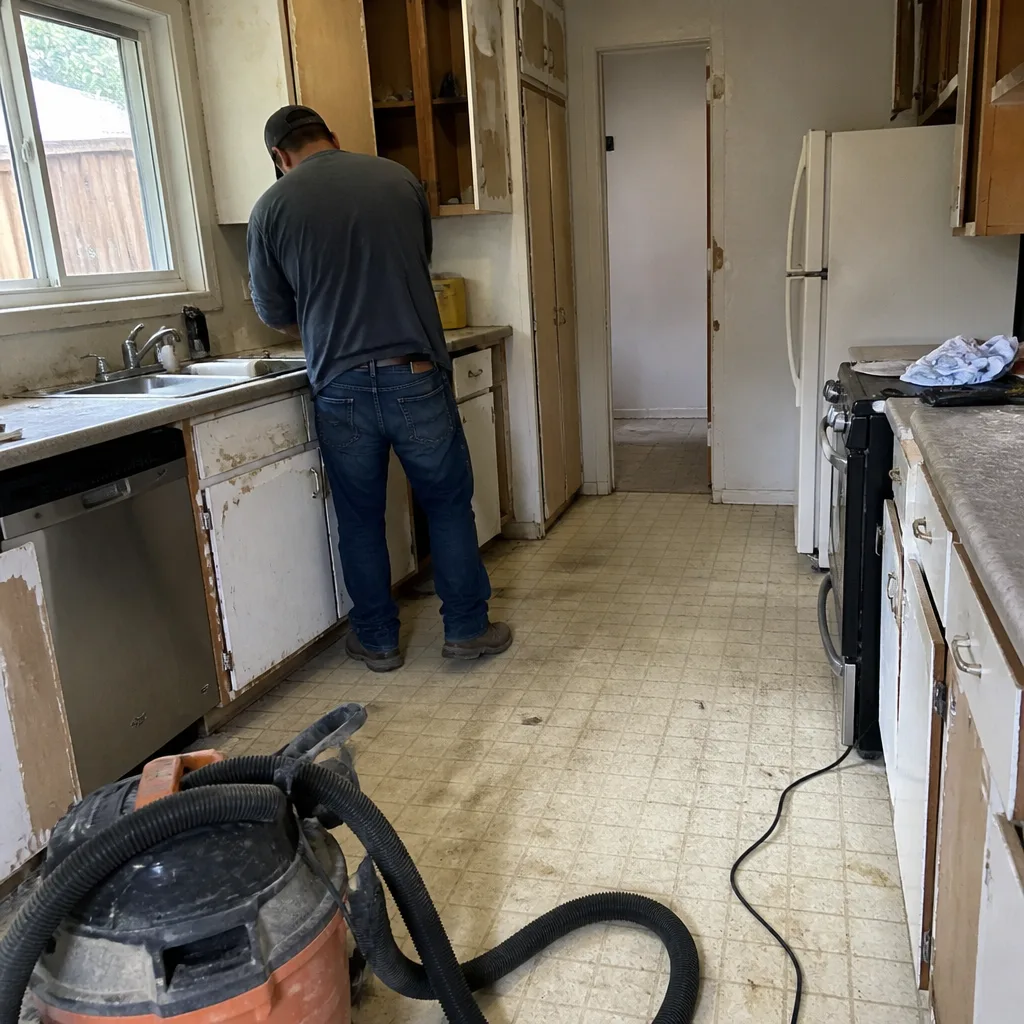
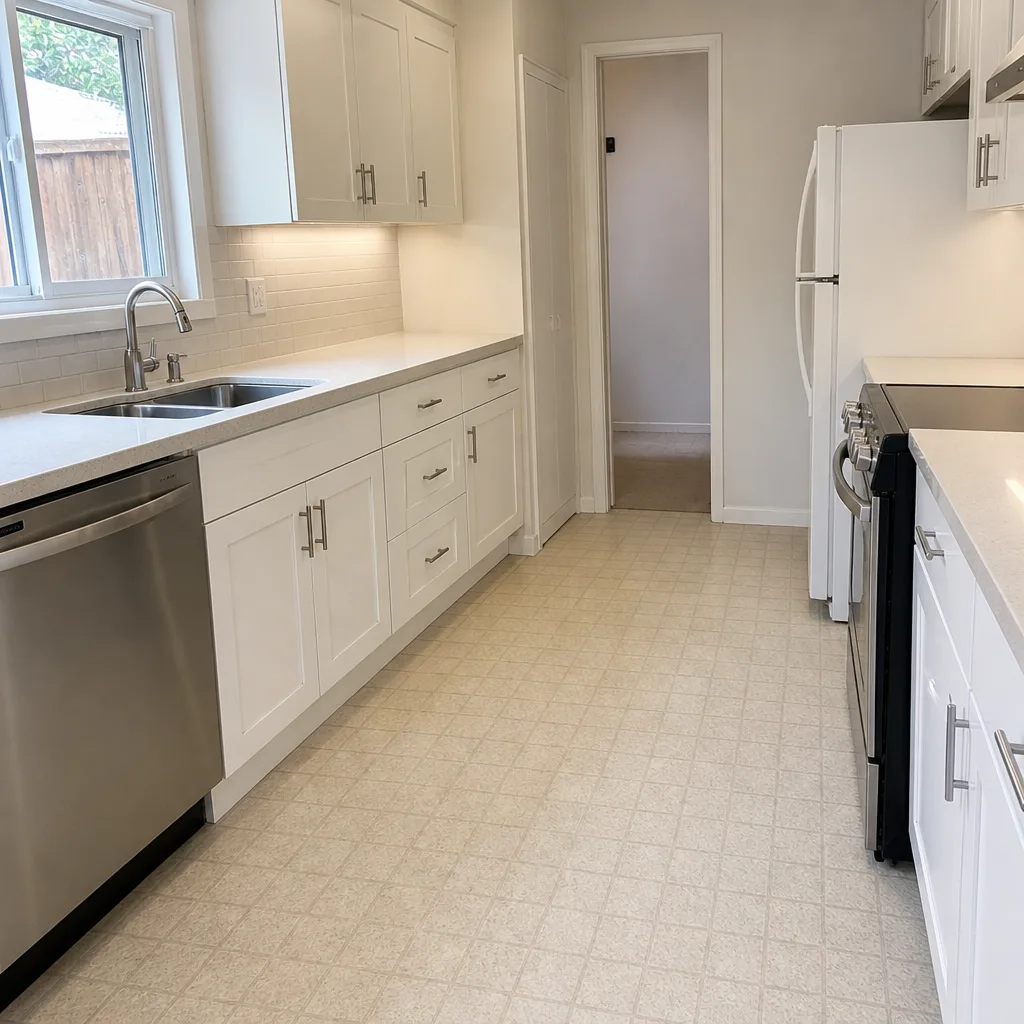
See the difference
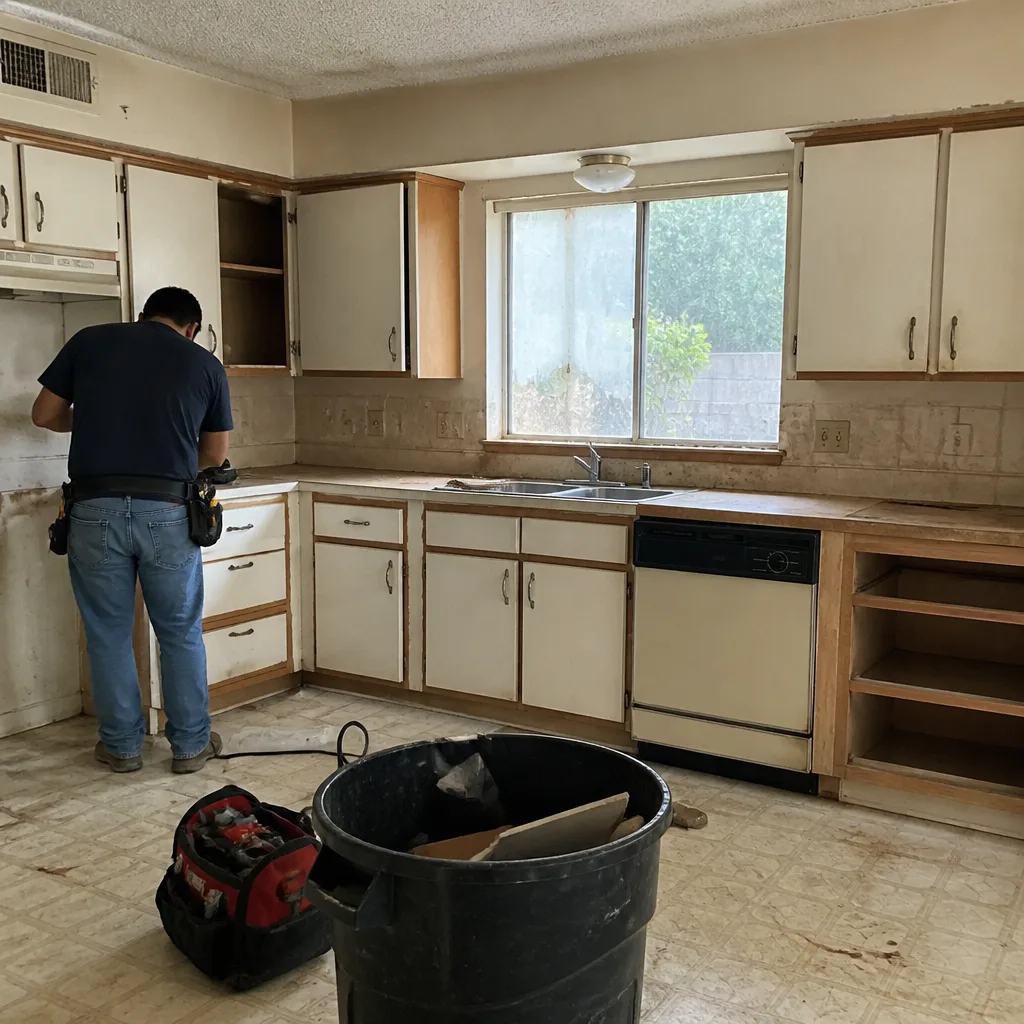 Before
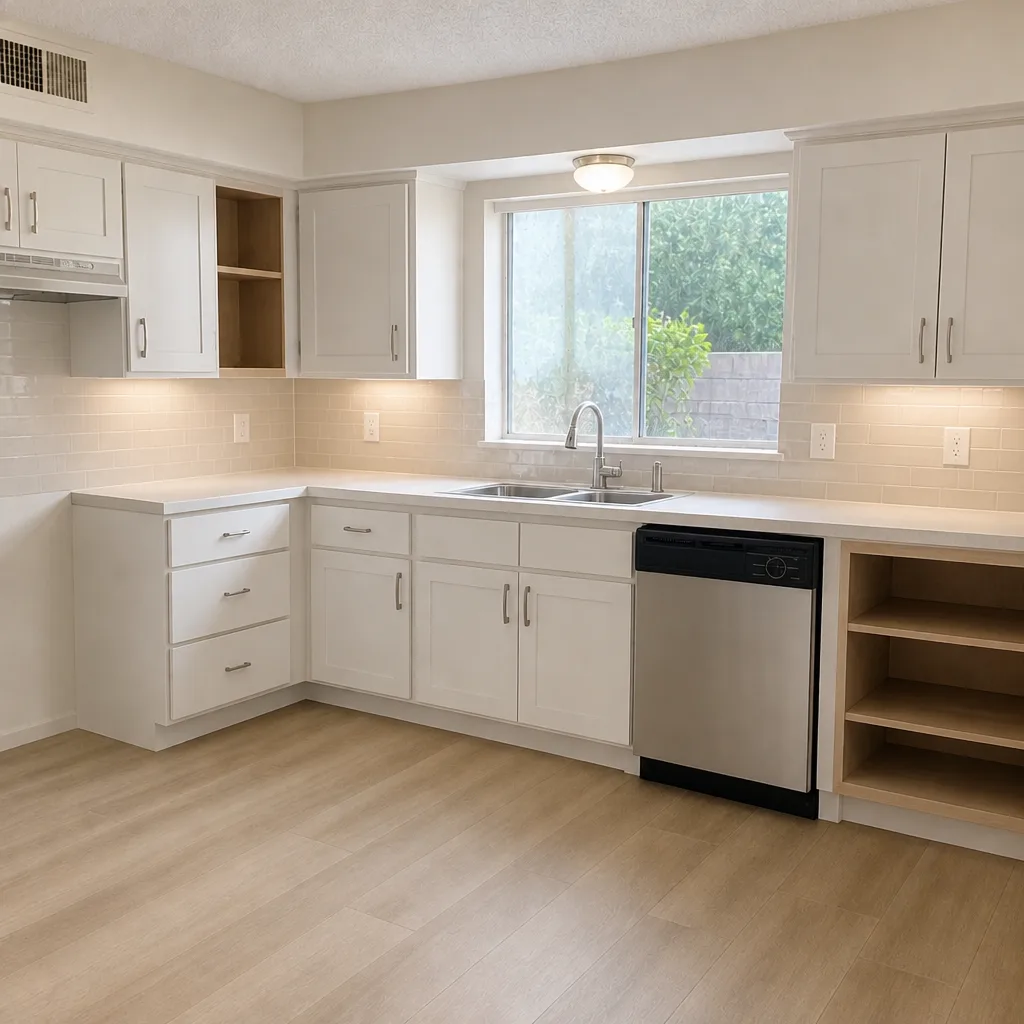 After
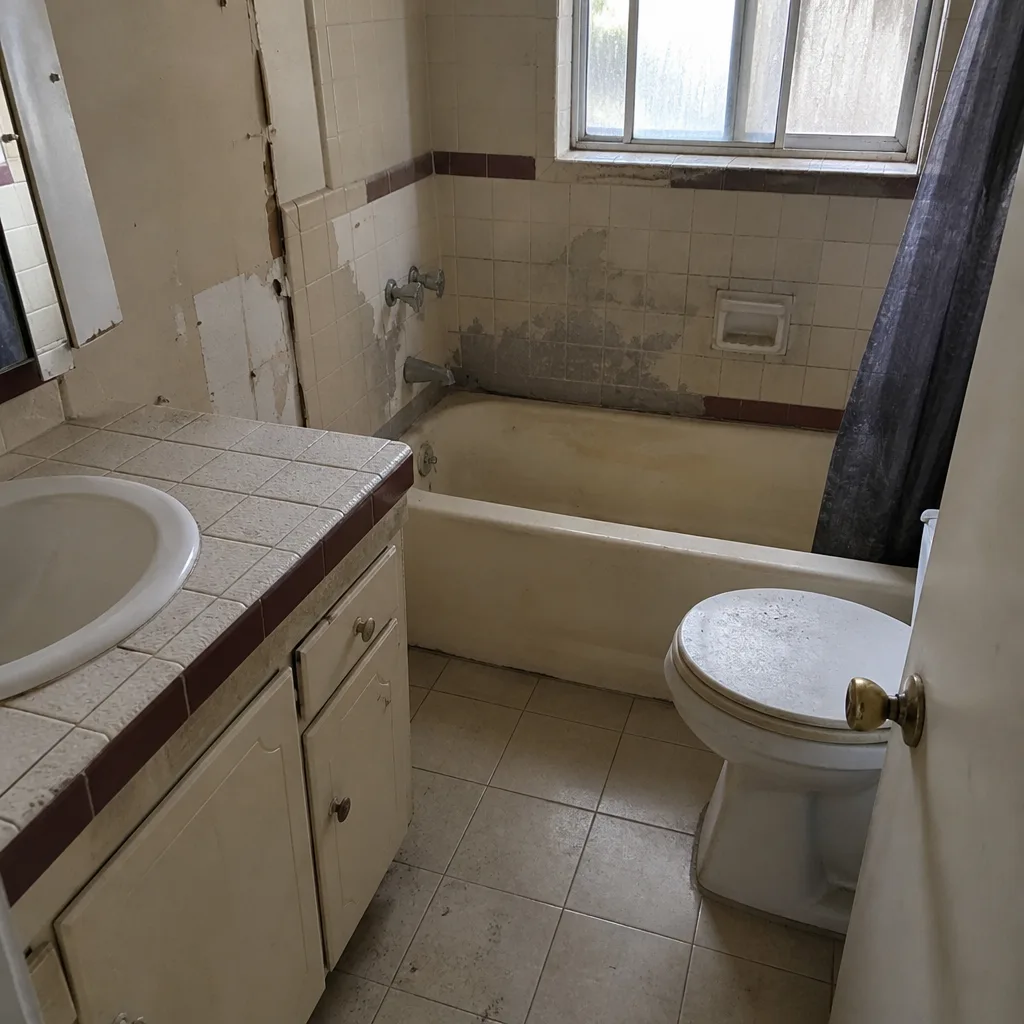 Before
 After
 Before
 After
When to Call a Professional
Many seasonal tasks are yours to handle: clearing gutters, sealing a caulk joint, securing patio furniture, photographing what you find. But some findings need a trained eye before they get worse. Call a professional when you see stucco cracks that are widening or reopening, water pooling against the foundation after a storm, fence posts that are loose in multiples, roof tiles that have shifted or lifted, or any sign of moisture inside a wall. These are the cases where a small repair now prevents a large one later. Barrett & Sons Construction Santa Clarita offers free estimates in Santa Clarita – call (833) 762-8116 to schedule yours. Our crew members have up to 28 years of experience, every eligible job gets permits pulled and inspections signed, and every price change comes as a written change order before the work begins.
Frequently Asked Questions
It needs four focused walks a year: a pre-fire-season audit in late spring covering eaves, vents, gutters, and deck boards; a heat-season stucco and caulk check on south and west walls in late summer; a wind-season prep for gutters, fence posts, and loose items in early fall; and a wet-season drainage walk after the first hard rain. A snow-belt checklist misses all four. Call (833) 762-8116 for a free estimate if a walk turns up something you’re not sure about.
Inspect the south and west elevations at least once a year, ideally in late summer when the heat has exposed failing joints. Look for caulk that has pulled away from frames, widening hairline cracks, and white efflorescence staining. Patch small caulk failures yourself; call a professional for cracks that reopen in the same spot or for any sign of moisture inside the wall.
Santa Clarita’s soil dries hard through the summer, and fence posts set in that soil can work loose over a hot season. The wind season then finishes the job. Check every post before wind season by pushing firmly; a post that rocks in the soil needs attention. If several are loose, replacement is usually more economical than repeated patching. Call (833) 762-8116 for a free fence evaluation.
Walk the property during or right after the storm and look for standing water within a few feet of the foundation, downspouts dumping at the corner of the house, water sheeting across pavement toward the house, and soil erosion at fence and retaining-wall bases. Photograph and note what you find. These findings tell a contractor whether your grading and drainage need correction. Call (833) 762-8116 for a free estimate.
Most seasonal maintenance – caulking, gutter cleaning, sealing, and similar – does not require a permit. But if a repair grows into structural work, a fence replacement, a re-roof, or a drainage or grade change, a permit is often required. Any contractor who tells you permits are optional for that kind of work is one to avoid. Barrett & Sons pulls permits and signs inspections on every eligible job. Call (833) 762-8116 for a free estimate.
Not without your written approval. At Barrett & Sons, every scope, every allowance, and every price change arrives as a written change order before the work happens. An allowance that isn’t on paper is a surprise waiting for a date – we don’t work that way. Call (833) 762-8116 for a free estimate and a written, line-item quote.
The Bottom Line
Santa Clarita doesn’t have four seasons in the traditional sense. It has heat, fire, a short wet stretch, and wind, and each one hands a problem to the next if you’re not paying attention. The homes that age well here are the ones where the owner walks the perimeter on a schedule, photographs what they find, and writes it down. Start with a pre-fire-season audit before June, follow it with a late-summer stucco and caulk check on the sun-facing walls, secure gutters and fence posts before the Santa Anas, and walk the property after the first hard rain. When a finding calls for a professional, Barrett & Sons Construction Santa Clarita is a name you can verify, with written scope, permits pulled, and a 90-Day Done Right Promise behind every eligible job.
Our technicians have up to 28 years of experience, we publish our license, and we back every eligible job with written terms. Call (833) 762-8116 for a free estimate and a written line-item quote.
Written by the team at Barrett & Sons Construction Santa Clarita.