
Last updated November 16, 2026
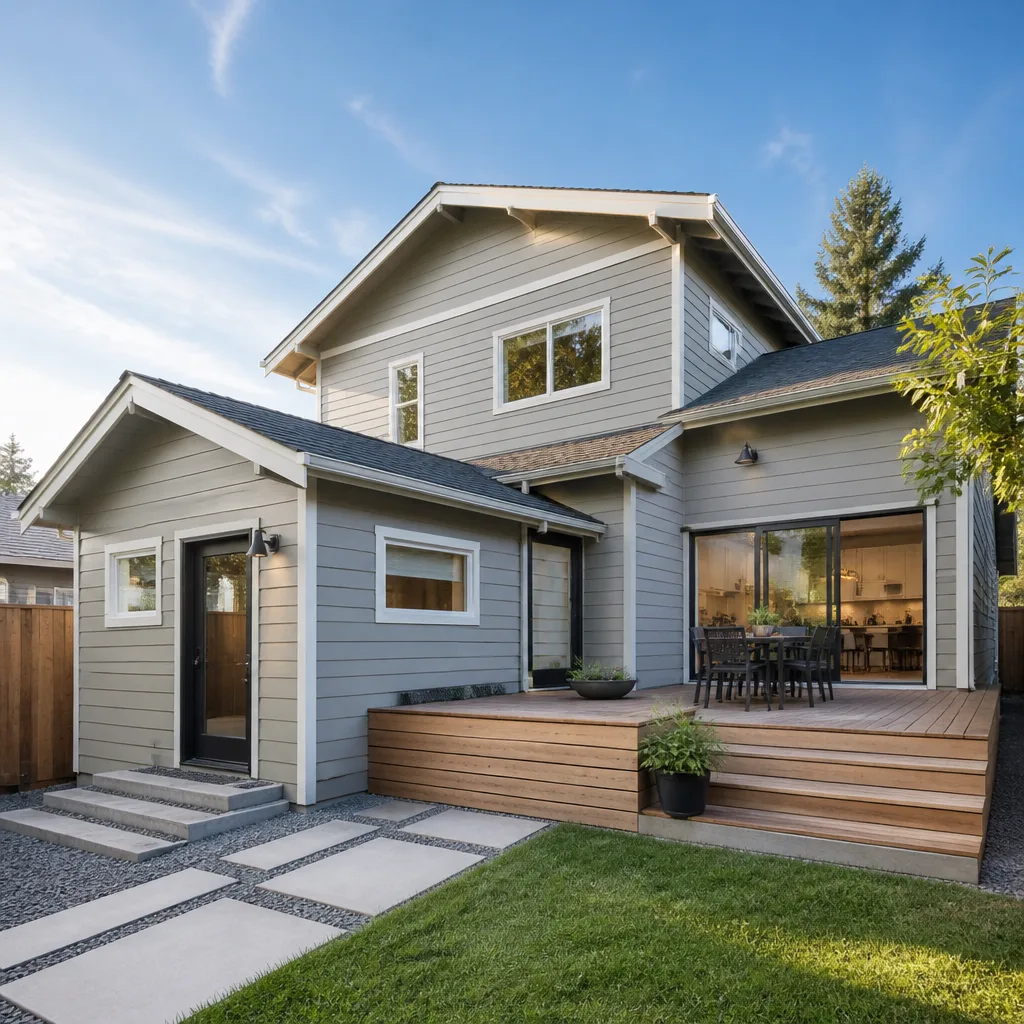 Home additions & ADU
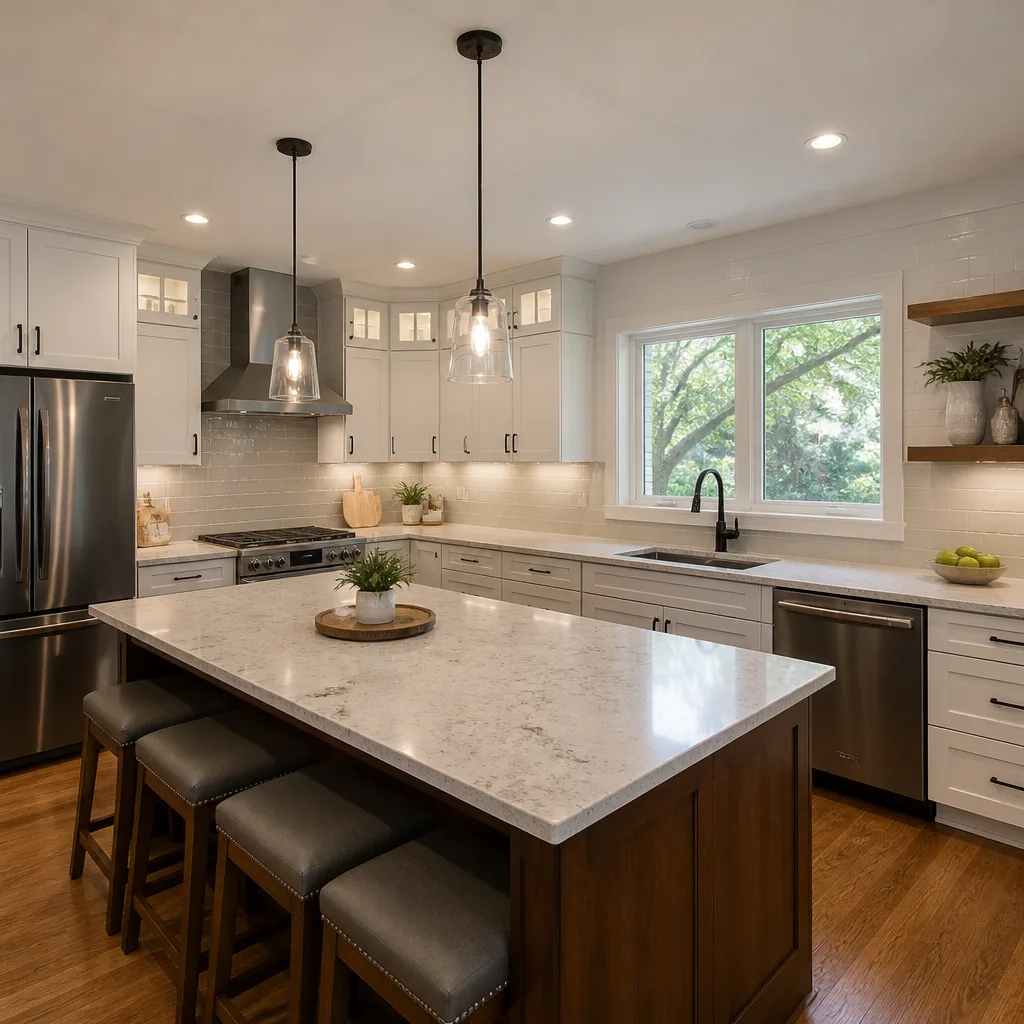 Kitchen remodeling
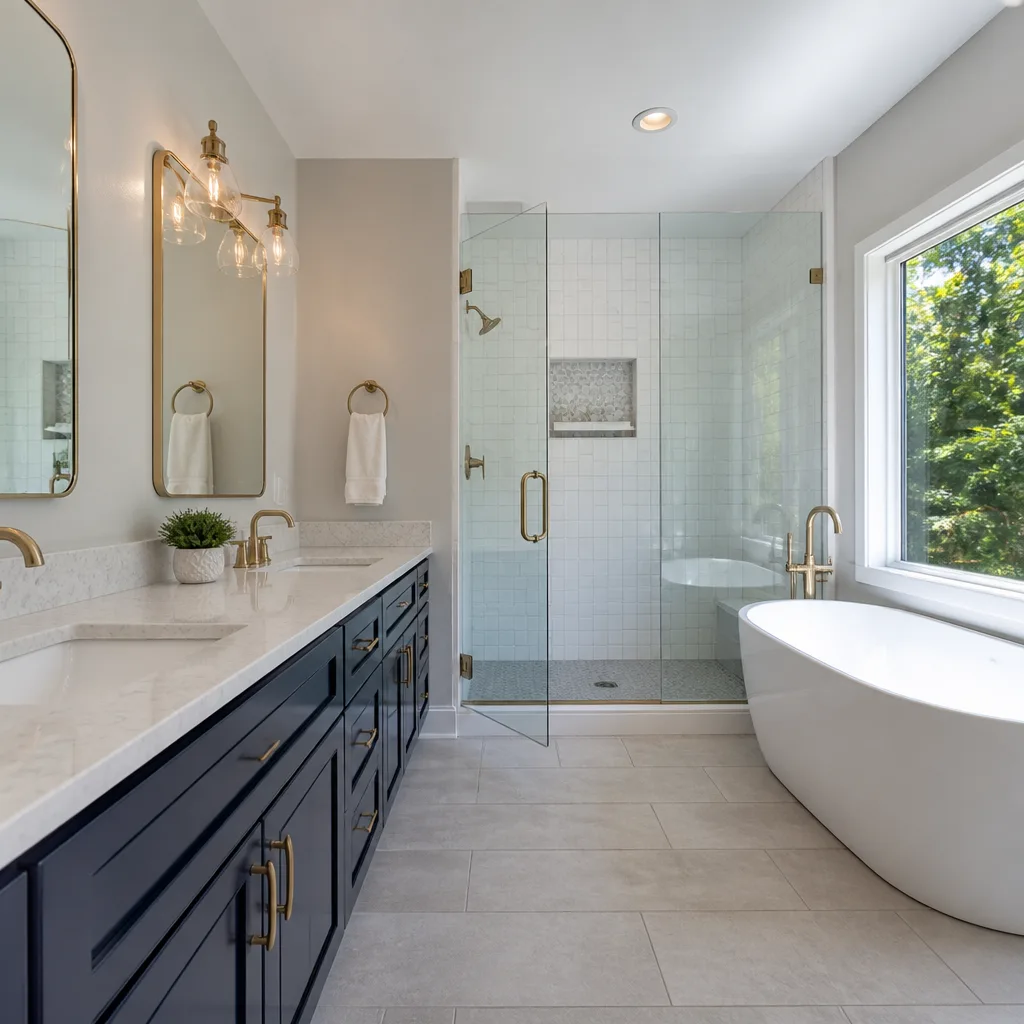 Bathroom remodeling
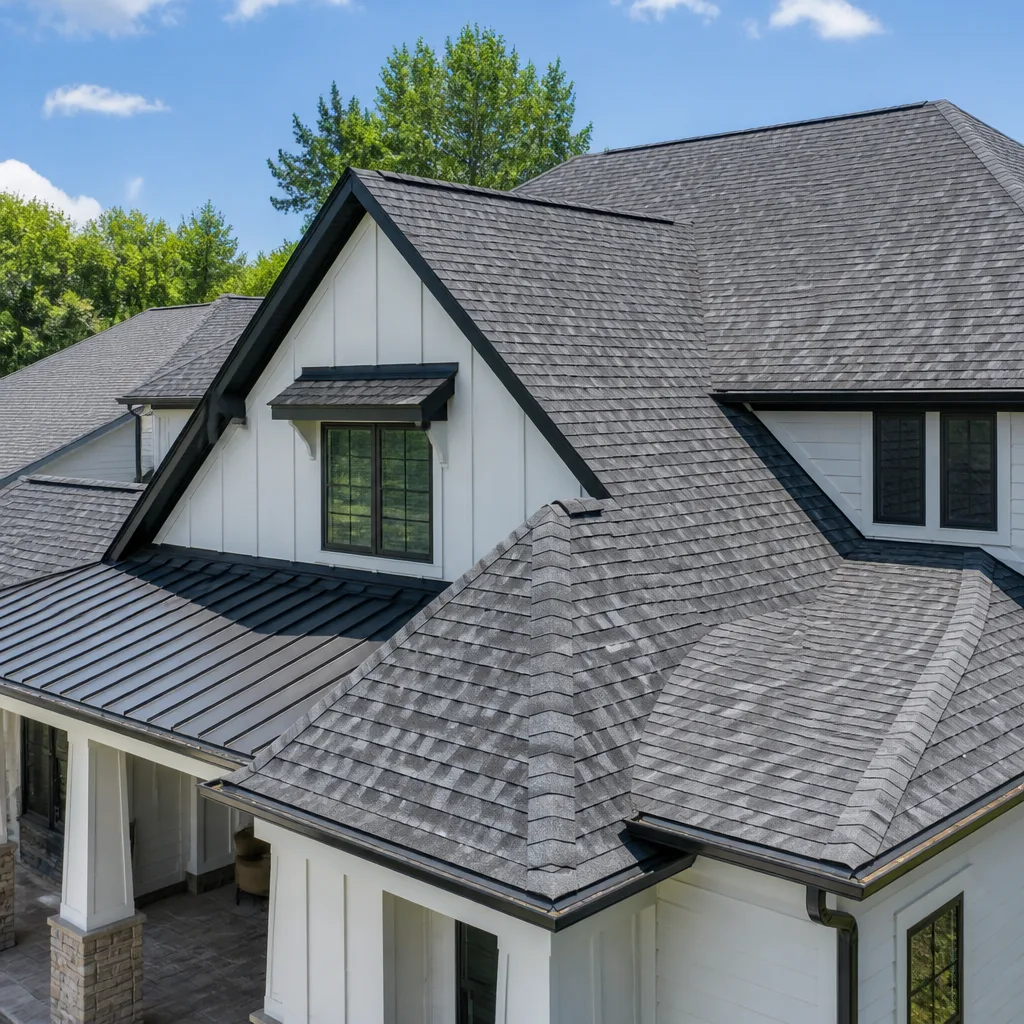 Roofing
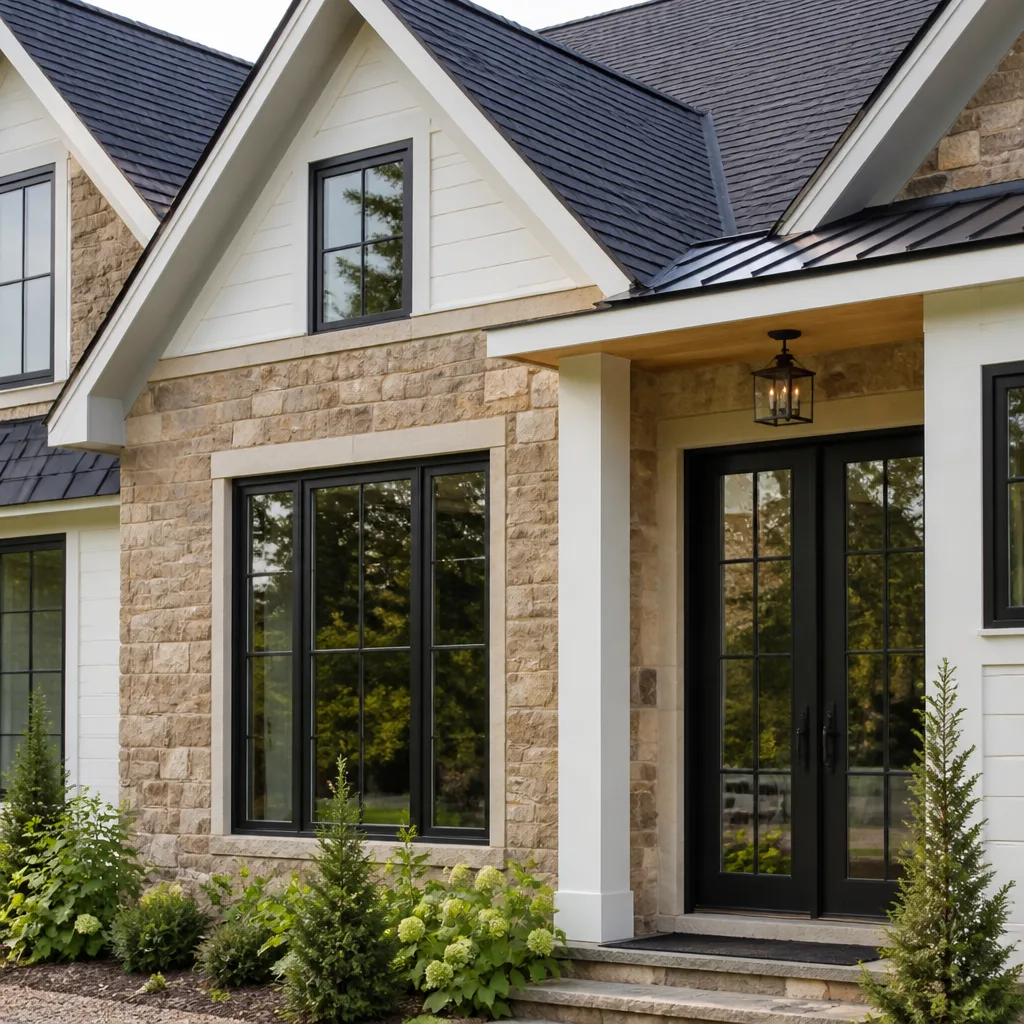 Windows & doors
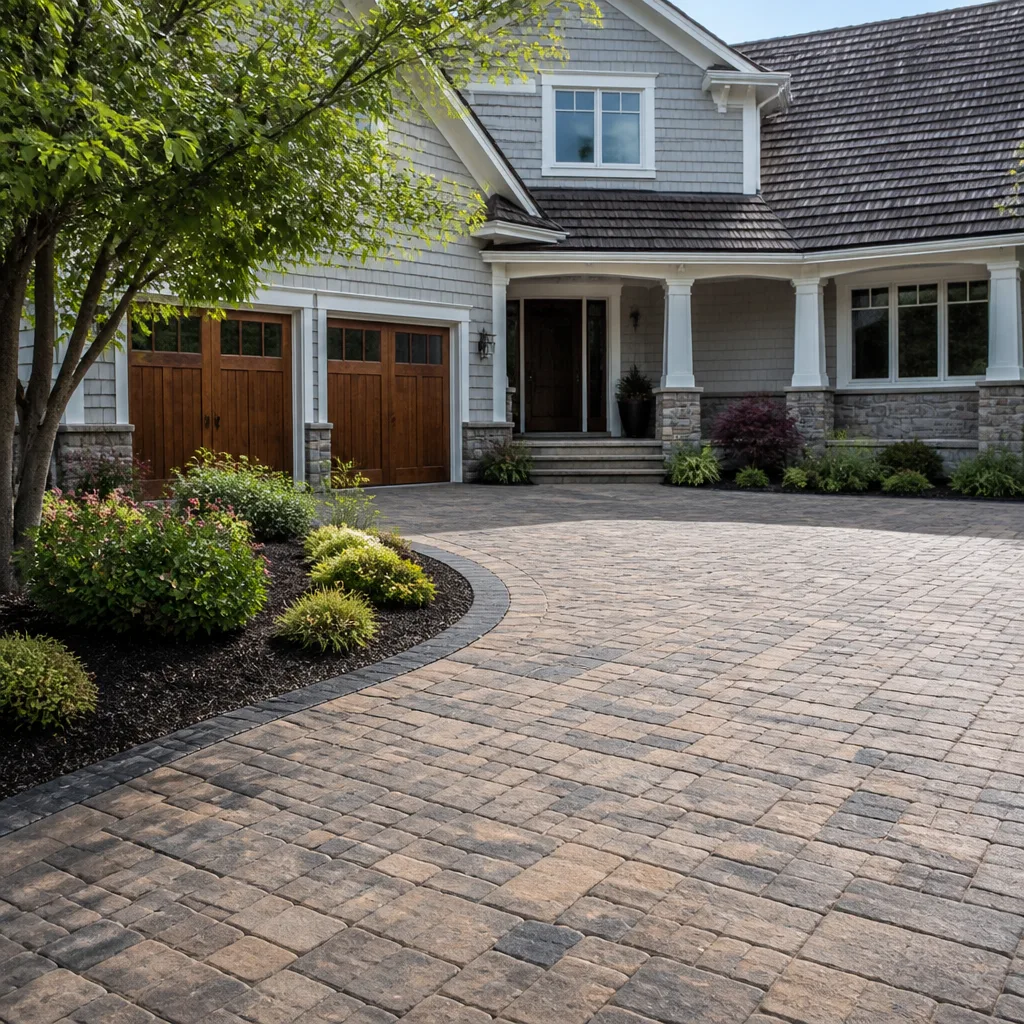 Driveway & pavers
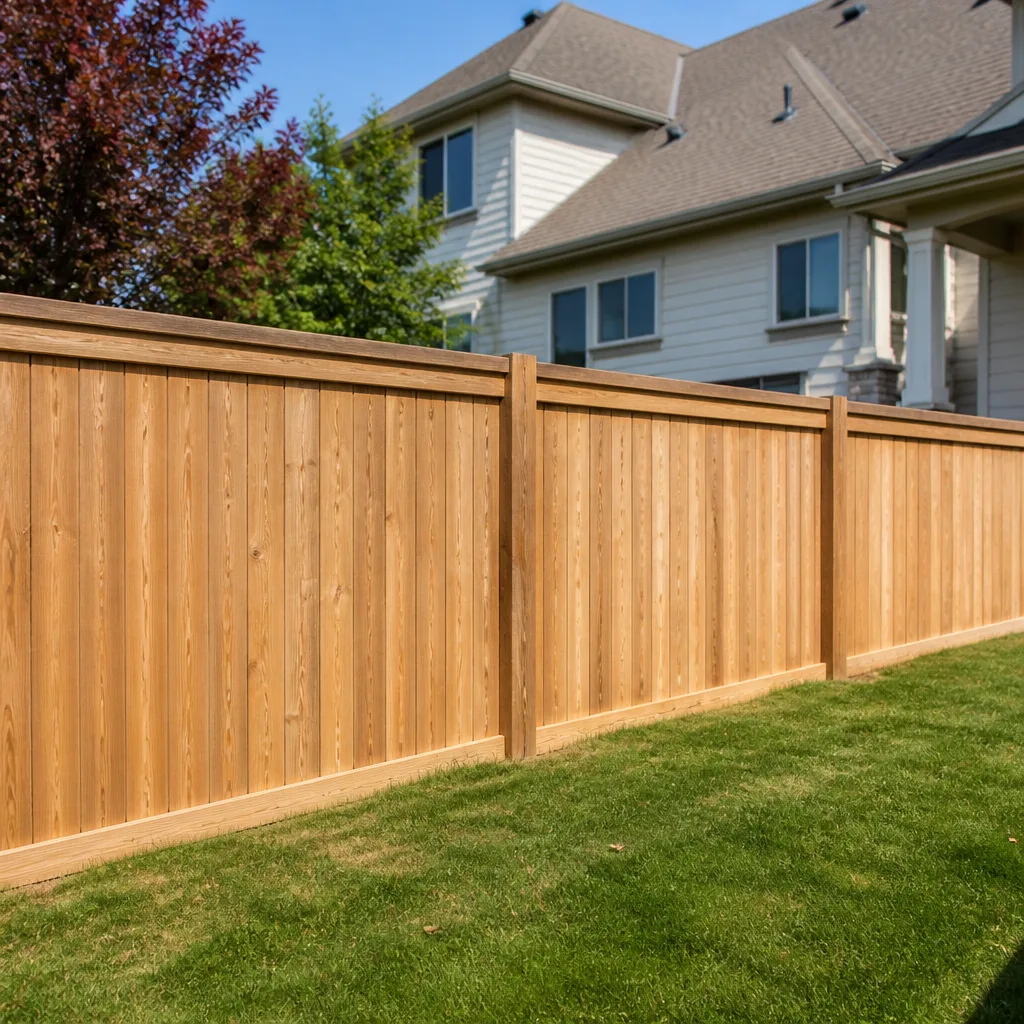 Fence
Free written scope consultation - allowances, timeline, and change-order rules on paper before a single trade is scheduled
Construction Emergency Preparedness Guide for Santa Clarita Homes
After the 2019 Tick Fire, insurance adjusters working the burn area kept finding the same thing: homes that still had their original 1980s wood eave vents took dramatically more ember intrusion damage than neighbors who’d swapped them out. A $200 vent upgrade that a lot of folks had skipped turned into a $60,000 difference in rebuild scope. That gap is the whole point of this guide. Santa Clarita sits on a rare emergency stack – wildfire, flash flood off burned hillsides, and earthquake – and most homes here carry construction weaknesses that make each one worse than it has to be. Below you’ll find the fixes that matter, in order, before the next event instead of after.
Quick Answer
The highest-value emergency prep for a Santa Clarita home is fire-hardening the vulnerable openings first (eave and foundation vents, roof covering, deck attachments), then confirming your drainage and grading can handle post-fire runoff, then checking earthquake hardware like anchor bolts, cripple walls, and water heater strapping. Document everything with photos and receipts before an event, not after. Most of these fixes are modest compared to the damage they prevent, and the ones that involve structural work should be done by licensed contractors who pull permits.
Styles & brands we work with
- Kitchen remodeling
- Bathroom remodeling
- Home additions & ADU
- Roofing
- Windows & doors
- Driveway & pavers
- Fence
Table of Contents
- Fire-Hardening Priorities for the SCV’s Very High Fire Hazard Zone
- Post-Wildfire Burn Scar Flood Risk: Grading and Drainage
- Earthquake Checks on Older Santa Clarita Homes
- Documenting Your Home’s Construction Condition for Insurance
- Emergency Contractor Red Flags After a Disaster
- The Seasonal Prep Calendar for Santa Clarita Homes
- Common Mistakes to Avoid
- Frequently Asked Questions
Fire-Hardening Priorities for the SCV’s Very High Fire Hazard Zone
Large stretches of Santa Clarita fall inside Cal Fire’s Very High Fire Hazard Severity Zone – the canyons around Canyon Country, big parts of Saugus and Newhall, and the edges of Valencia where the housing meets open hillside. If your address is in that zone, your insurance carrier already knows. What matters is whether your house’s construction gives embers somewhere to start.
Embers, not walls of flame, destroy most homes in a wildfire. They blow in ahead of the fire front and land in gutters, vents, and gaps. That’s why the vent swap matters so much. Metal mesh screens of 1/8-inch or smaller and ember-resistant vent covers on the eave and foundation vents close off the two biggest entry points, and it’s one of the cheapest fire-hardening steps on any home.
Beyond vents, here’s the priority order we’d suggest for a Santa Clarita house:
- Class A roof covering. Asphalt shingles rated Class A (GAF and CertainTeed both make them) are the standard. If your roof is original to a 1980s build and showing granule loss, that’s a coverage question for insurance and a safety question for you.
- Eave and foundation vent retrofit. Ember-resistant covers or replacements, as above.
- Gutter guards and debris clearing. A gutter full of pine needles under a tile roof is a wick.
- Deck attachments and undersides. A wood deck attached directly to the house with open framing underneath is a classic ember trap. Enclosing or screening the underside matters more than a fresh coat of sealer.
- Windows. Dual-pane tempered glass is much harder to break from radiant heat than single-pane – and window replacement is one of the projects we handle most in Santa Clarita, since most of the older homes here were built with single-pane aluminum.
One more thing worth saying plainly: this is prep work, not emergency-response work. Roof and structural fire-hardening is planned construction, and any licensed contractor should quote it as such, in writing, with permits pulled where the work requires them. That’s the standard you should hold anyone to.
Post-Wildfire Burn Scar Flood Risk: Grading and Drainage
Here’s the piece most homeowners miss. After a big fire on the hills above your neighborhood, the ground itself changes. Vegetation that used to slow rainfall is gone, and the soil can develop a water-repellent layer. Rain that used to soak in now runs off fast. That means the drainage system your house was built around may not be sized for the runoff that follows a fire – and in Santa Clarita, that risk can persist for several winters after a burn.
Neighborhoods sitting below burn slopes – parts of Canyon Country, Sand Canyon, Placerita Canyon, and the edges near the Angeles National Forest – are the ones to watch. If the hills above your street burned in the last few years, walk your property before the rainy season and check these things:
- Swales and drainage channels. Look for debris, silt, and vegetation blocking the flow path. Post-fire runoff carries ash and sediment that clogs them fast.
- Grading around the foundation. The soil should slope away from the house. If recent landscape work or settling has flattened it out, water will find the foundation.
- Retaining walls and slope stability. Check for new cracks, tilting, or bulging. A saturated slope after a burn scar rain event is where real failures happen.
- Downspouts and hardscape drainage. Make sure downspouts discharge well away from the house, and that any paver or concrete work has proper drainage plane. Poorly planned Driveway & Pavers in Santa Clarita can channel water straight to the wrong spot if the slope wasn’t planned carefully.
- Property lines and neighbor drainage. Post-fire grading changes on a neighbor’s slope can redirect runoff onto your lot. It happens more than you’d expect.
If any of this is unclear, that’s a construction inspection question, not a DIY one. Grading and drainage work should be planned and installed correctly, with permits where required, before the first big storm.
Earthquake Checks on Older Santa Clarita Homes
Santa Clarita sits near the San Andreas and San Gabriel fault systems, and the older housing stock here was built before some of the seismic bracing standards that are common today. Every city and county building inspector in this area flags three items on older homes during a remodel or addition inspection:
- Anchor bolts. Homes built before the mid-1980s often have the sill plate nailed to the foundation instead of bolted. That means the house can slide during shaking. Modern retrofits add anchor bolts or plate washers to tie the frame to the foundation.
- Cripple walls. The short stud walls between the foundation and the first floor are vulnerable to racking. Bracing and sheathing them is a well-understood retrofit that adds meaningful protection.
- Water heater strapping. An unstrapped water heater is one of the most common post-earthquake causes of home damage. Two metal straps and a flexible gas connector are cheap to install and just as cheap to verify yourself.
When you hire a contractor for a Santa Clarita remodel or Home Additions & ADU in Santa Clarita, an honest one will check these things while the walls are open and tell you what they find. Seismic retrofits fall outside the plain scope of a kitchen remodel more often than you’d think, and a written change order is the right way for that conversation to happen.
Documenting Your Home’s Construction Condition for Insurance
Every year, Santa Clarita homeowners discover during an insurance claim process that their paperwork is thin. Photos taken from a phone are fine, but they don’t tell an adjuster what’s underneath the roof or when it was installed. Here’s the documentation routine we recommend our neighbors run every year or two:
- Photograph the whole house – exterior, roof (safely, from a drone or ground-accessible angle), all windows, the deck, the fence, and the driveway. Date every image.
- Keep receipts for every improvement – roofing, windows, fence, hardscape, and any structural retrofit. Coverage terms sometimes hinge on documented upgrades.
- Keep a written record of the last contractor visit – who did the work, when, and what was replaced. This matters if you need to prove a roof was replaced within a certain warranty window.
- Note the age and condition of the roof, windows, and HVAC in a simple document. For example, the Fence Installation in Santa Clarita job you had done last spring has a lifespan, and an adjuster will want to know when it went in.
- Keep a copy off-site – cloud storage or a safe-deposit box. A binder in the hall closet isn’t useful after a fire.
This is the single cheapest step in the entire preparedness plan. It costs a couple of hours and it changes what an adjuster can actually do for you after an event.
Emergency Contractor Red Flags After a Disaster
When a wildfire or earthquake hits Santa Clarita, out-of-area contractors with clipboards show up within days. Most homeowners are already stressed, the phone is ringing constantly, and the pitches are polished. Here’s what to watch for:
- Demanding a large deposit before any written scope. A legitimate contractor quotes in writing, including allowances and terms, before work begins. Any deposit request tied to vague verbal promises should stop the conversation.
- No published license, address, or name you can verify. Ask to look up the license yourself. Anyone who resists that isn’t staying long.
- No written change order process. Every price change should arrive as a written document before work proceeds. An allowance that isn’t on paper is a surprise waiting for a date.
- “Permits are optional” or “we don’t need them for this.” Santa Clarita requires permits for structural work, and the permit inspector works for you, not for the contractor. Any contractor who treats permits as a nuisance is a red flag.
- Pressure to sign same-day. If a contractor won’t come back tomorrow to answer your questions, that’s a sign.
- Brand-name avoidance. If you ask about the brand of shingles, windows, or fence material and get a vague answer, that matters. Named brands – things like GAF or CertainTeed for roofing, Ameristar or Jerith on a metal fence, Bufftech in vinyl – are materials you can look up and verify. Ask for the model number and the spec sheet.
- Nobody answers a real phone. Calls should be answered by a live person. A voicemail box is not a good sign when you’re trying to schedule work before the next storm.
The Seasonal Prep Calendar for Santa Clarita Homes
Santa Clarita’s climate is unusual: it’s hot and dry with an extended fire season, and then it gets a concentrated rainy window usually around December through March. Both of those create specific prep timing. Here’s the calendar we suggest:
Spring (April – June)
- Clear roof gutters and check roof shingles after the wet season.
- Walk the property for any winter damage to fences, hardscape, and grading. Winter storms accelerate fence-post rot in vinyl and wood alike, especially in shaded and irrigated areas.
- Book any planned exterior improvement work before peak summer heat and the fire season demand spike. Roof replacement, window replacement, and exterior painting are much easier to schedule in spring.
Summer (July – September)
- Clear defensible space around the house: brush, dry grass, and low limbs within the first five feet of the structure.
- Check ember-resistant vent covers and screen-mesh look good.
- Wash the roof and gutters again after pollen and pine needle season. This is the busy fire-prone window where ember ignition risk is highest.
Fall (October – November)
- Test all water heater strapping and gas connectors.
- Inspect and clear swales, drainage channels, and downspouts before the winter storms.
- Take your annual documentation photos – roof, windows, siding, fence, and hardscape.
Winter (December – March)
- Watch for slope and grading issues after rain events, especially if hills above you burned recently.
- Keep an eye on any wood deck, fence, and siding for water damage and rot.
- Schedule any interior remodeling work now, when contractor schedules open up.
Common Mistakes to Avoid
- Replacing only part of the fire-hardening package. New ember-resistant vents on the eave while the foundation vents still have old open mesh leaves half the job undone.
- Assuming a fresh roof is enough. Fire-hardening is a package: vent screens, Class A covering, deck undersides, window glass, and defensible space all together. Missing one puts the others at risk.
- Ignoring post-fire drainage because it didn’t flood last winter. Post-burn runoff risk can persist for several seasons after the vegetation is gone. The hillside above your Santa Clarita house in Canyon Country or Placerita needs to be checked every year, not just the first one.
- Skipping the earthquake hardware check. A lot of homes in Newhall and Saugus get rebuilt kitchens without anyone looking at anchor bolts or cripple wall bracing. The right time to fix that is while the walls are open.
- Hiring the first contractor who shows up after a disaster. Storm-chasing crews leave town the day after the last check clears. Local trades people – the ones you can walk up to at the hardware store – are the ones you can hold accountable.
- No photos before an event. Adjusters can only work with what’s on paper. A pre-event photo set and a folder of receipts changes the entire insurance claim process.
- Treating “brands” as a sales tactic instead of a verification tool. Named brands (like the manufacturers named earlier) give you a way to check spec sheets, model numbers, and warranty terms. Skipping that step means nobody knows what’s on your roof.
See the difference
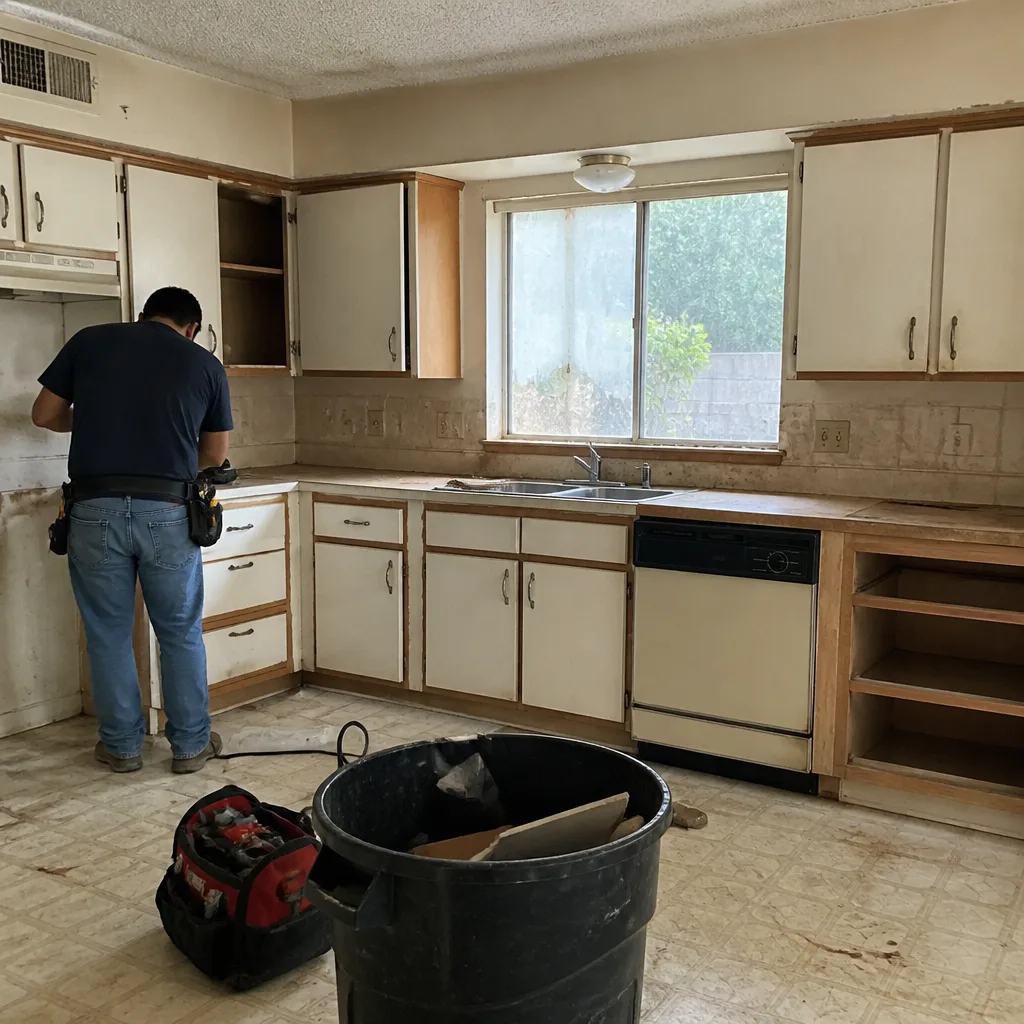 Before
 After
 Before
 After
 Before
 After
When to Call a Professional
Most emergency prep can be handled on your own – clearing gutters, checking straps, walking the slope, taking photos. But once you’re talking about anything structural, it’s time to bring in a licensed contractor. If you need vents replaced within eave framing, cripple walls braced, anchor bolts retrofitted, a roof replaced with Class A material, windows upgraded to tempered glass, or grading redesigned after a burn scar, those are permit-pulling, inspection-passing jobs. If a contractor tells you they can do structural retrofit work without a permit in Santa Clarita, that’s a red flag. Barrett & Sons Construction Santa Clarita offers free estimates in Santa Clarita – call (833) 762-8116. We publish our license number, our address, and our name so you can look it up before you sign anything. Our crews are background-checked, and if we’ve been on your property and something’s wrong, one call brings us back – that’s the 90-Day Done Right Promise written into every contract.
Frequently Asked Questions
Ember-resistant vent covers on the eave and foundation vents, usually $200 or less per house, prevent the most common path embers use to enter a home. That said, we’ve seen homes that went through the Tick Fire come out far better when they’d also installed Class A roofing and tempered-glass windows. The vent covers are the starting point, not the whole package.
A wildfire strips the vegetation that slows rain, and the soil itself can become water-repellent. That can turn a slope that used to absorb storms into a runoff channel for several years afterward, so your existing swales, gutters, and grading may not be sized for it. In Santa Clarita, homes below burn areas in Canyon Country and Placerita Canyon especially should have their drainage checked every fall. If you’d like an assessment, call (833) 762-8116 – estimates are free.
Yes, especially single-pane windows. Radiant heat from a nearby fire can crack single-pane glass, letting embers and flame into the wall cavity. Dual-pane tempered windows resist that much better, and most of our Santa Clarita window projects involve exactly this upgrade. It’s planned work, not emergency work.
If your home was built before the mid-1980s, there’s a good chance anchor bolts and cripple wall bracing are missing or minimal. That’s not a DIY question – it’s a licensed contractor and permit question. Any remodel that opens up the walls is a good time to check. Call (833) 762-8116 if you want us to take a look during a free estimate.
Ask for a published license number, a written scope, and a specific list of what brands and specs are going into the job. Any contractor who resists that isn’t staying long. Every price change should arrive as a written change order before work happens – if it isn’t in writing, it isn’t real. Our published standing offers include a Free Second Opinion on Any Written Estimate and $40 Off Any Repair Over $200; our permanent 10% Senior & Veteran discount also applies.
Take dated photos of every exterior surface and every major system, keep receipts for any improvement work, and note the age and condition of the roof, windows, and fence in a written record. Store a copy off-site. This is the cheapest prep step on the list and the one that most changes the insurance claim process. If you need a written record of current construction condition, we can produce one during a free estimate – call (833) 762-8116.
The Bottom Line
Santa Clarita’s emergency stack – wildfire, burn scar flooding, and earthquakes – is real, and the fixes that meaningfully reduce damage are concrete: ember-resistant vents, Class A roofing, tempered windows, enclosed deck framing, cleared swales and grading, anchor bolts, cripple wall bracing, and water heater strapping. None of those are dramatic. Most of them cost a fraction of the damage they prevent. Document your home before an event, not after, and keep the record current. And when the time comes to hire someone for the structural work, hold them to a standard: a published name, a published license, a written scope, written change orders, and permits pulled on every eligible job. That’s the standard we build our work around at Barrett & Sons – not because it’s how you win the job, but because it’s the only way to be sure it’s done right.
Our technicians have up to 28 years of experience, and we’re happy to talk through any of this on a free estimate. Call Barrett & Sons Construction Santa Clarita home at (833) 762-8116 – a live person answers 24 hours a day, 7 days a week. We also want you to know we’re a member of this community, not an out-of-area outfit, and we’re proud to bring the same standard to every job we take on across Santa Clarita.
Written by the team at Barrett & Sons Construction Santa Clarita.