
Last updated November 16, 2026
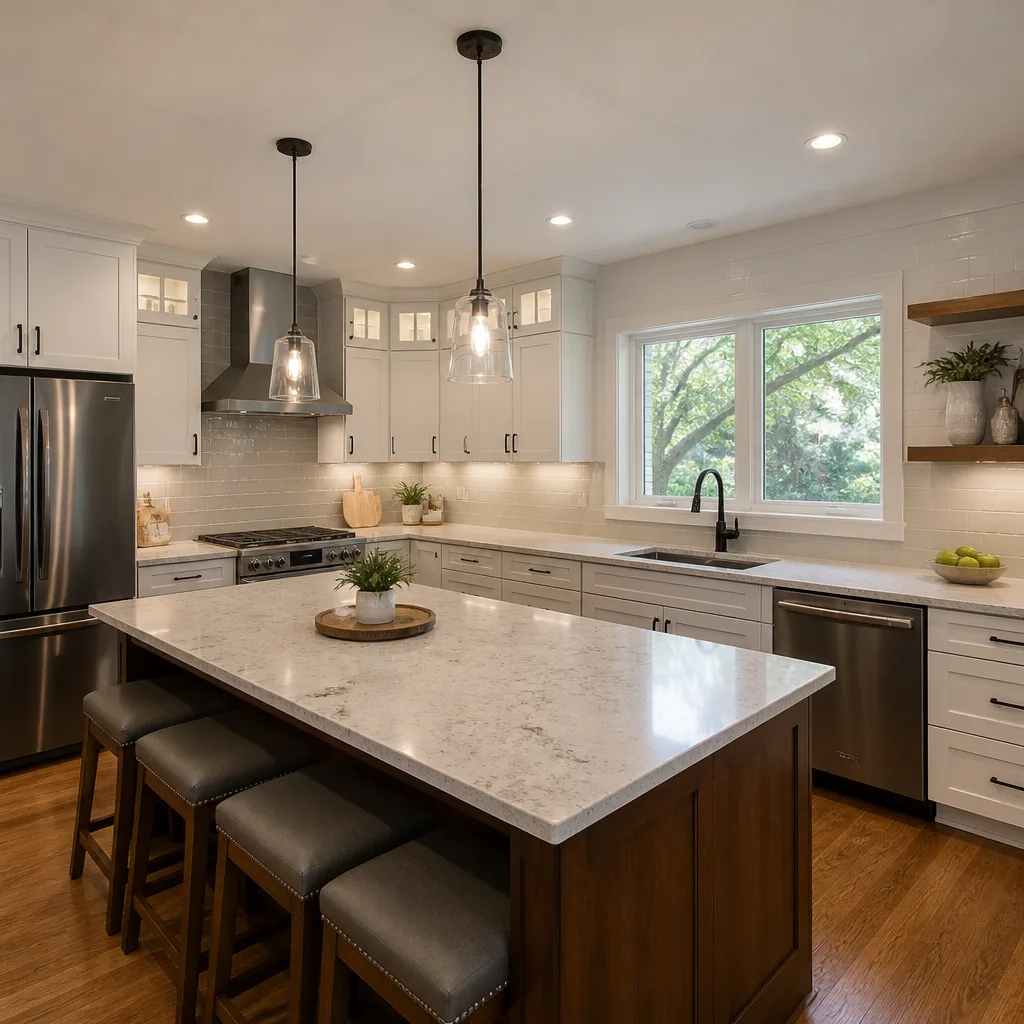 Kitchen remodeling
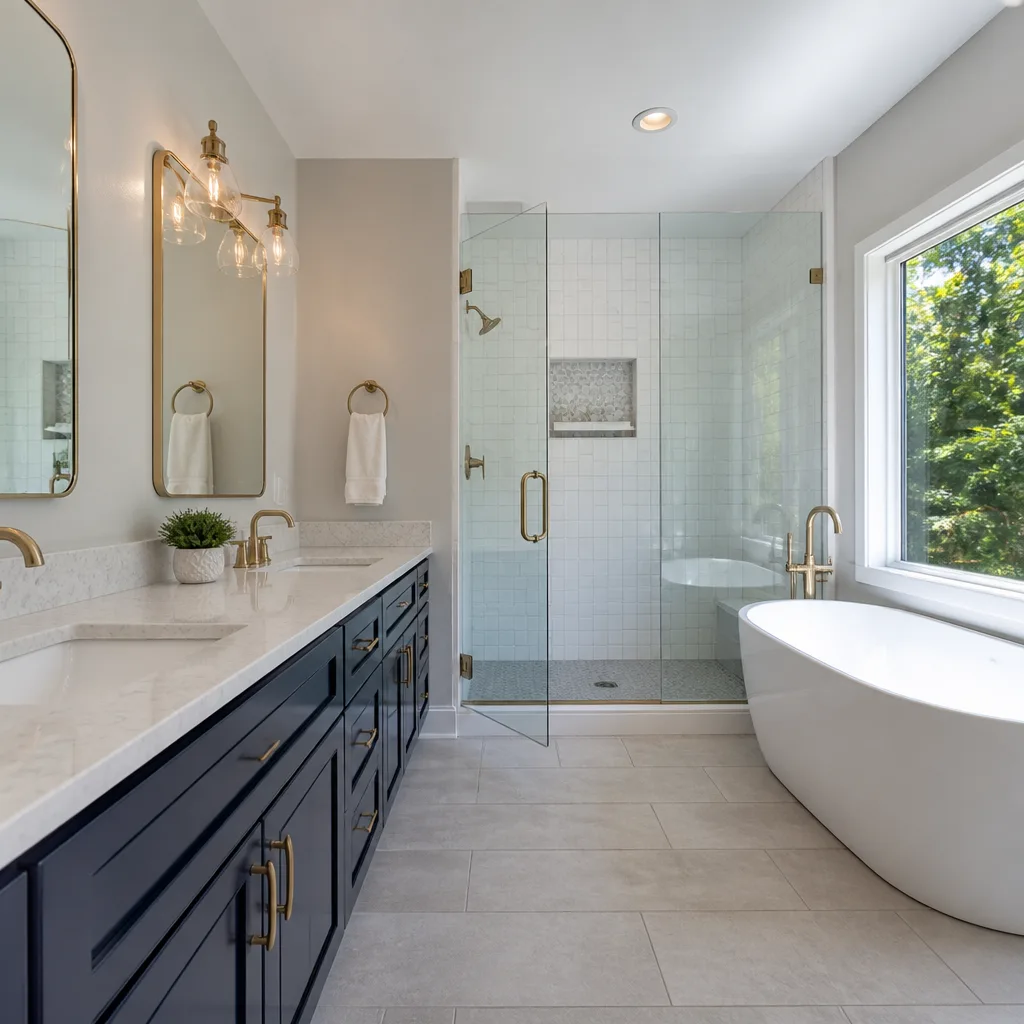 Bathroom remodeling
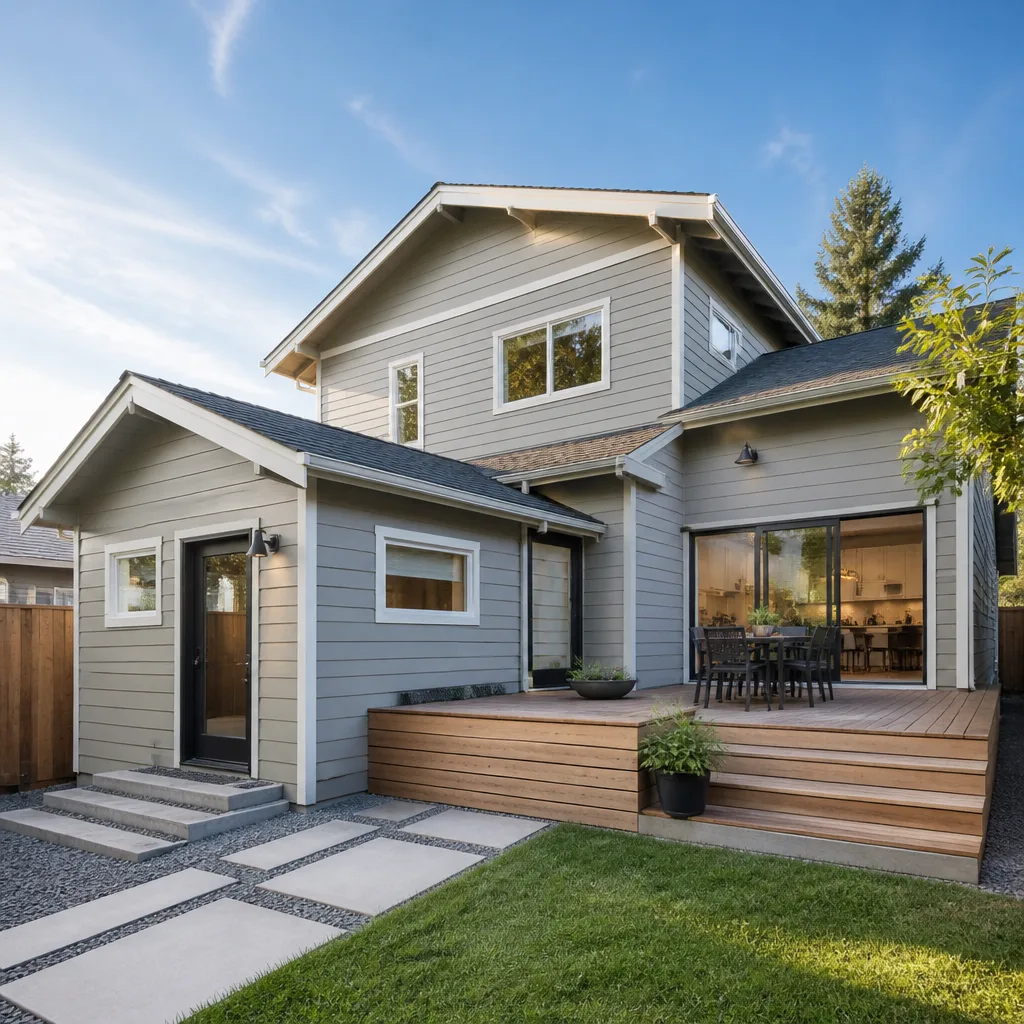 Home additions & ADU
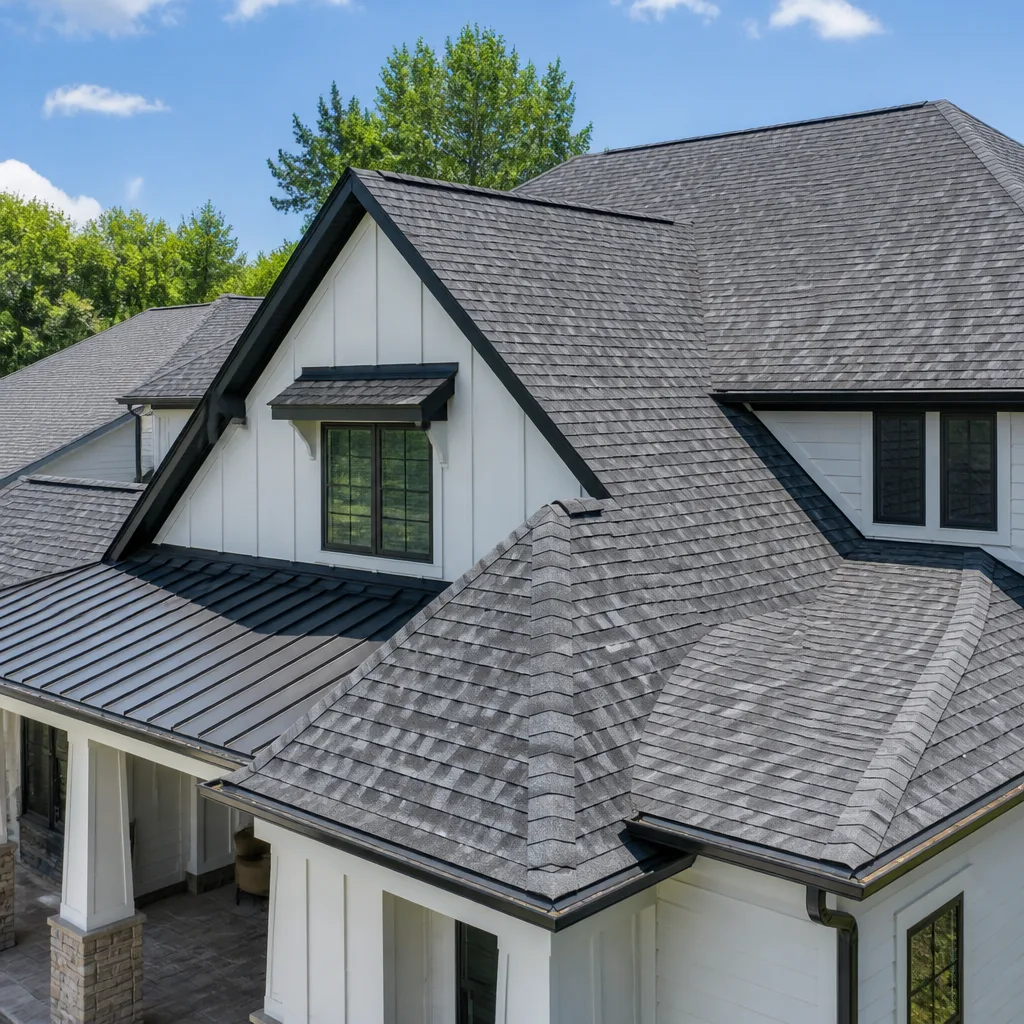 Roofing
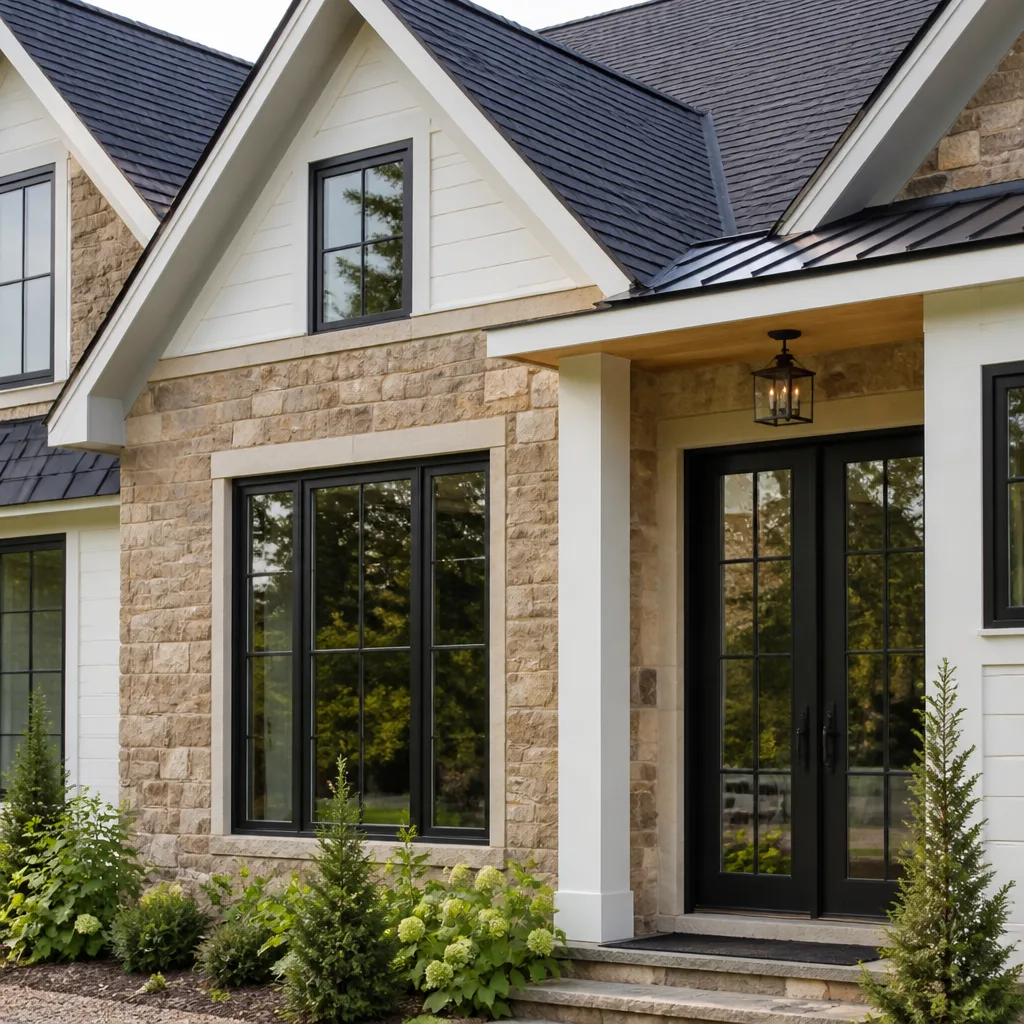 Windows & doors
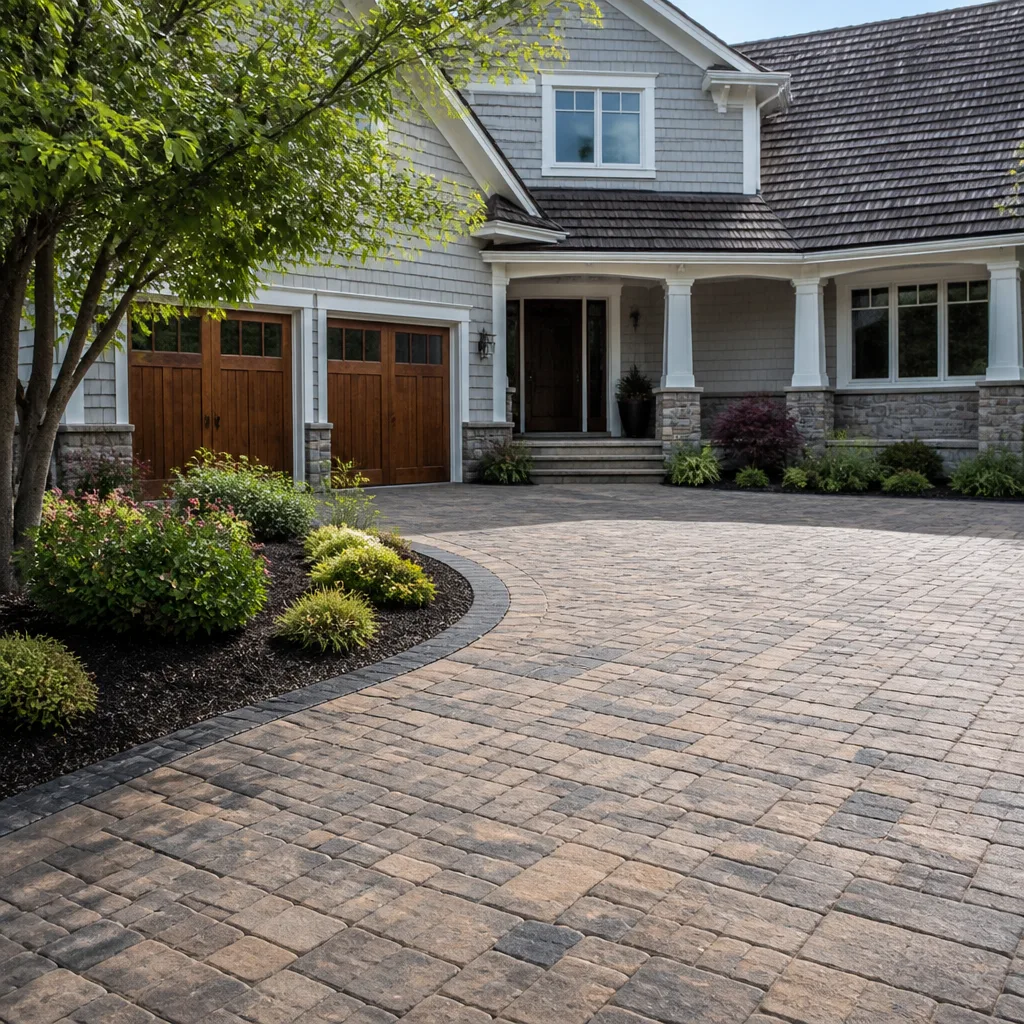 Driveway & pavers
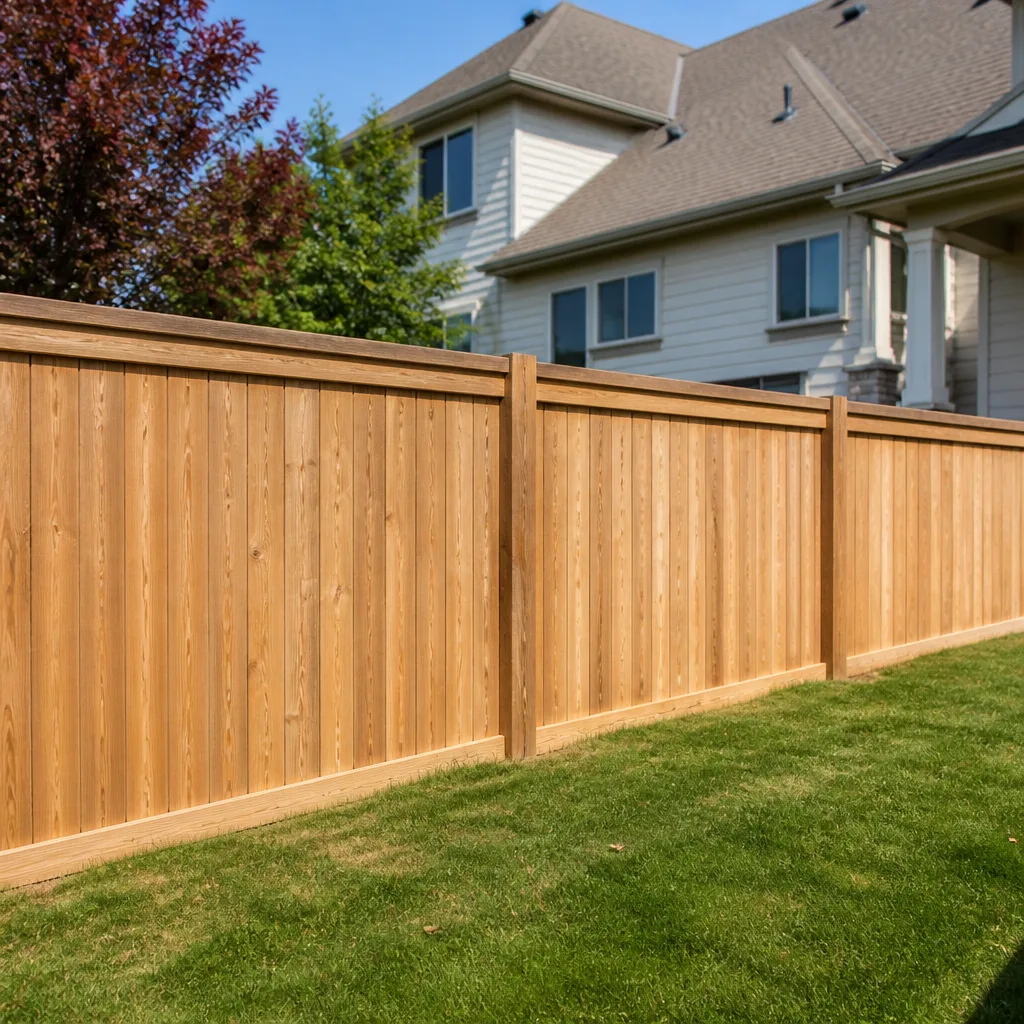 Fence
Free written scope consultation - allowances, timeline, and change-order rules on paper before a single trade is scheduled
Choosing the Right Construction Brand: A Buyer’s Guide for Santa Clarita
Two contractors can quote you “concrete pavers” at a $4-per-square-foot difference. Both meet code. One is installing a brand with a tested fade and freeze rating and a warranty infrastructure that will still answer the phone in ten years. The other is sourcing from a secondary importer with no U.S. warranty desk and no published performance data. The installed surface looks identical on day one. It stops looking identical in year six, and by then the second contractor is gone. This guide walks you through how to read a materials spec sheet for Santa Clarita’s climate, which product categories actually have meaningful brand differences, what a transferable warranty really covers, and how to spot a bid that’s leaving brand selection vague on purpose.
Quick Answer
The right construction brand for a Santa Clarita project is the one whose published performance rating matches this valley’s specific conditions – intense UV, hot inland summers, and an occasional hard freeze – and whose manufacturer will still honor a transferable warranty a decade from now. Brand names matter most in pavers, waterproofing membrane, and windows, where cheap substitutes fail in measurable ways. They matter least in framing lumber and drywall. Read the spec sheet, verify the warranty infrastructure, and get the brand written into the bid before you sign.
Styles & brands we work with
- Kitchen remodeling
- Bathroom remodeling
- Home additions & ADU
- Roofing
- Windows & doors
- Driveway & pavers
- Fence
Table of Contents
- How to Read a Material Spec Sheet for Santa Clarita’s Climate
- Where Brand Names Matter and Where They Don’t
- What a Transferable Product Warranty Actually Covers
- How to Tell Whether a Bid Specs Premium Materials or Leaves It Vague
- Why the Cheapest Installed Price Is Usually a Materials Decision
- How to Verify a Brand Will Still Be There in Ten Years
- The Questions to Ask Before Brand Selection Gets Locked In
How to Read a Material Spec Sheet for Santa Clarita’s Climate
A spec sheet is not marketing copy. It’s a technical document with subscripts and test standards, and the numbers that matter for Santa Clarita live in three places: UV stability, freeze-thaw cycling, and compressive strength. Every paver, membrane, window, and siding product you’re considering should publish these, and any product that doesn’t is telling you something by omission.
Here’s what to look for on the sheet, in order:
- ASTM C1645 (freeze-thaw durability for pavers) – Santa Clarita’s inland pockets, especially up toward Canyon Country and Saugus, get hard freeze nights in January and February. A paver that passes freeze-thaw cycling at 100+ cycles holds up. One that doesn’t starts spalling at edges within a few seasons.
- ASTM C1372 or C936 (compressive strength and absorption) – water absorption under 5% is the line most reputable hardscape brands hold. Secondary importers often publish no absorption number at all.
- UV stability / color fastness rating – the Santa Clarita sun is relentless from May through October. A paver or siding product with no published color-fastness testing will fade. Ask for the Delta E color shift figure after accelerated weathering.
- AAMA/ANSI ratings for windows – Santa Clarita’s wind zones are moderate but the UV load is real. A window with a low Solar Heat Gain Coefficient (SHGC) rating cuts cooling load significantly in a Newhall ranch home.
We’ve pulled spec sheets for customers in Valencia and Stevenson Ranch who wanted to compare a KraftMaid cabinet against a generic alternative for moisture resistance in a bathroom. The difference showed up in the core material rating, not on the showroom face. Ask for the sheet. Read it. The manufacturer who publishes detailed test data is the one who expects you to check.
Where Brand Names Matter and Where They Don’t
Not every material benefits from a famous name. Knowing which categories reward brand loyalty and which don’t saves you real money without sacrificing quality. Here’s our honest breakdown after installing these products across Santa Clarita for a long time.
Categories where brand matters a lot
- Concrete pavers – Belgard and Techo-Bloc both publish freeze-thaw and absorption data, both have U.S.-based warranty desks, and both are widely installed across the Santa Clarita Valley. Generic importers are a gamble.
- Waterproofing membrane – the hidden layer behind tile in a shower or bath. A premium membrane like Schluter or a comparable tested product is the difference between a $400 repair and a $9,000 flood repair. Never let this be a no-name line item.
- Windows – Andersen and Marvin publish tested SHGC and U-factor data, hold transferable warranties, and have service networks. A generic vinyl window may pass code and fail you in year four when the seal fails.
- Roofing shingles – GAF and CertainTeed publish wind and impact ratings that matter for Santa Clarita’s occasional Santa Ana wind events. The warranty system is real and transferable.
- Cabinetry – KraftMaid and Wellborn back their boxes with published moisture and load ratings. Custom vs. semi-custom vs. stock matters more than the badge, but brand consistency helps.
Categories where brand matters far less
- Framing lumber – dimensional lumber is graded (stud, #2, etc.), not branded. Grade matters; brand doesn’t.
- Drywall – the material is commodity; installation technique is what determines performance.
- Concrete mix – specified by PSI (2,500, 3,000, 3,500), not by brand. Ask for the mix design, not a logo.
- Standard interior paint – the prep and number of coats matter more than the label on the can.
The takeaway: spend your brand-diligence budget where the product has to survive weather, moisture, or sun. Save it where the product is a commodity and the crew’s execution is what counts.
What a Transferable Product Warranty Actually Covers
A product warranty is not the same as a workmanship warranty, and neither one covers what most homeowners assume. The product warranty is issued by the manufacturer (CertainTeed, AndersEn, Belgard, KraftMaid, etc.) and covers material failure. The workmanship warranty is issued by the contractor and covers installation errors. Both have to exist for you to be protected, and if either is missing, the other won’t save you.
Here’s what a serious product warranty typically covers:
- Manufacturing defects in the material itself (delamination, premature color fade beyond a stated threshold, seal failure on insulated glass units)
- Structural failure under normal use and weather exposure
- Transfer to a new owner of the home, often within a stated window and often with a fee
And here’s what it typically excludes:
- Installation error (that’s the workmanship warranty, not the product)
- Damage from tree roots, vehicle impact, chemical spills, or power washing beyond the manufacturer’s spec
- Fade or wear below the stated threshold, which is often generous on paper
- Products installed outside the manufacturer’s written installation instructions
- Improper substrate or site drainage that stresses the product
To verify a manufacturer will still be there in ten years, do three things:
- Look up the brand’s headquarters, manufacturing footprint, and warranty claims process. If you can’t find a claims phone line and a warranty document PDF in a search, that’s a warning.
- Check whether the brand is carried by distributors in Southern California. A product with no local distribution is a product with no local support.
- Ask the contractor to show you the warranty registration process. A reputable brand requires registration at install. If your contractor never mentions registration, either they don’t know or they don’t care.
Our 90-Day Done Right Promise is a workmanship commitment on every job we complete. It sits on top of the manufacturer’s product warranty, and the two together are what actually protect you. One without the other leaves a gap.
How to Tell Whether a Bid Specs Premium Materials or Leaves It Vague
A bid that says “premium concrete pavers” without naming the brand is not a bid. It’s a placeholder. The brand selection is being left open on purpose, and that open door is where materials swap happens mid-job. Here’s how to read a bid the way a builder reads one.
Red flags that brand selection is being left vague:
- The bid names materials by category only (“hardwood cabinets,” “vinyl windows,” “concrete pavers”) with no brand or model
- Allowances are listed with a dollar amount but no brand sample attached
- The bid says “or comparable” without defining what comparable means
- Waterproofing and underlayment have no line item at all
- There’s no mechanism described for approving a product substitution if a brand is out of stock
Signs a bid is properly specced:
- Every visible and hidden material is named with a brand and often a model (e.g., “Belgard Catalina pavers, color: Bella,” “Andersen 100 Series, white interior”)
- Allowances have brand samples attached so you know exactly what the dollar amount buys
- The bid describes a written change order process if a product must be substituted
- Underlayment, membrane, fasteners, and adhesive are called out separately, not buried in “miscellaneous”
Ask any contractor you’re considering this question: “If the brand you’re proposing goes out of stock mid-job, what happens?” If the answer involves a phone call and a verbal agreement, walk away. On every job we run, a substitution is a written change order before a box is opened. That’s not paperwork for its own sake – it’s the difference between the product you approved and whatever’s on the shelf the morning the crew shows up.
Why the Cheapest Installed Price Is Usually a Materials Decision
When two Santa Clarita bids come in $8,000 apart for the same 500-square-foot paver driveway, most homeowners assume the higher one is charging more margin. Sometimes that’s true. More often the difference is a materials decision the lower bid is making on your behalf without telling you.
Here’s where the money actually goes in a real paver driveway comparison:
- Base material – 6 inches of compacted Class II base vs. 4 inches of “whatever’s available” is a $1,200 difference and a ten-year difference in settlement
- Paver brand and thickness – a tested 60mm Belgard paver vs. a no-name 50mm import is a $2 to $4 per-square-foot swing
- Polymeric sand – a tested brand with UV stability vs. cheapest available sand is a $300 difference per driveway, and the cheap sand washes out or fades to gray within 18 months
- Edge restraint – the hidden aluminum or plastic edge that holds the whole surface together. Cheap restraint fails; the pavers slide
- Drainage – proper slope and drainage away from the foundation, or the cheapest possible grade that gets water flowing somewhere
The cheapest bid usually trims the base, the brand, or the hidden layers, not the labor. Trimming labor is how you get a bad install; trimming materials is how you get a bad product. The middle bid is often the honest one. The highest bid is often the one bidding the best of everything without asking whether you need all of it.
We recommend asking for a line-item bid, not a lump sum. That way when two bids differ by $8,000, you can see whether the gap is margin, materials, or a hidden-scope difference – and make the decision yourself. Our own bids come with line-item pricing on every scope and a written change order for any price shift, which is why we push clients to compare ours line by line against any other quote they’re holding.
How to Verify a Brand Will Still Be There in Ten Years
You can’t predict the future, but you can read the signals. A brand with a decade of stability behind it, active U.S. manufacturing, and a published warranty claims process is a safer bet than a brand you first heard about from the contractor quoting it. Here’s a quick verification routine.
- Search the brand name plus “warranty claim.” If nobody’s talking about a claims process, there may not be one.
- Search the brand name plus “recall” or “class action.” Every brand has a bad year somewhere. What matters is whether the response was handled in writing.
- Check the manufacturer’s distributor locator. If they have two Southern California distributors and one is in Santa Clarita, that’s a real signal of local support. If the nearest distributor is in Phoenix, that’s a risk.
- Look for a published technical hotline. Serious manufacturers staff an installation support line for contractors. It’s a sign of an infrastructure that will still exist after the warranty period starts.
- Ask the contractor for the manufacturer’s written installation spec. Every name-brand product (James Hardie siding, CertainTeed shingles, KraftMaid cabinetry) publishes a detailed install manual. A contractor who can produce it on request knows the product. One who can’t is likely installing from memory.
We install James Hardie siding on Santa Clarita homes because the brand publishes exact install specs, has a strong local distribution footprint, and honors its transferable warranty. That’s a materials decision we’re happy to defend in writing. If a homeowner wants to spec a different brand instead, we’ll pull its spec sheet and put both on the table. That’s what the diligence process looks like when it’s actually being done.
The Questions to Ask Before Brand Selection Gets Locked In
The brand decision has a window. It’s before the bid is signed and before the materials order is placed. Once that order ships, brand selection is locked and any change is a change order. Here’s exactly what to ask during the window.
- “What brand is each material in this scope?” Ask for brand and model on every line item, including base material, membrane, fasteners, and adhesive.
- “Show me the manufacturer’s spec sheet on each of these.” If a contractor can’t produce the sheet, they’re not confident in the product.
- “What’s the published performance rating for UV stability and freeze-thaw?” Any product with no published number is a product you’re taking on faith.
- “Is the product warranty transferable, and what’s the process to transfer it?” Get the actual warranty document in writing, not a summary.
- “What’s your substitution policy if the brand goes out of stock?” The answer should be a written change order, not a phone call.
- “Who handles the warranty registration after install?” It should be the contractor. If it’s you, ask why.
We hand our customers the manufacturer spec sheets and warranty documents for every name-brand material we install, before the order goes in. Not because we’re required to, but because the homeowner who reads the sheet and asks us a hard question is the homeowner who’s going to be happy in ten years. The right time to have that conversation is before the truck shows up.
Common Mistakes to Avoid
- Accepting a bid that says “premium” without a brand. The word “premium” has no definition in construction. If the bid doesn’t name the manufacturer and model, the actual product is being left to chance.
- Skipping the spec sheet because the sample looks nice. Samples are chosen for appearance. Spec sheets are chosen for performance. In Santa Clarita’s sun, the appearance of a sample from a dim showroom and the appearance of the installed product in July can be very different.
- Assuming the product warranty covers installation. It doesn’t. Product warranty covers material failure; workmanship warranty covers the install. If your contractor doesn’t offer a written workmanship warranty, the product one is worth less than you think.
- Comparing bids on total price only. A $4-per-square-foot gap on pavers across 800 square feet is $3,200. Ask what’s causing that gap line by line before deciding which bid is better value.
- Not verifying local brand support. A product with no Southern California distributor means no local service, no local parts, and no local claims support. Look up the local footprint before committing.
- Letting brand selection be decided during the build. By the time materials are on the truck, your brand decision has been made for you. Lock it in the bid.
- Trusting a warranty document you haven’t read. The manufacturer will hand you a warranty summary with the bid. Read the exclusions. If exclusions seem broad, ask why. If the answer is vague, ask another contractor.
See the difference
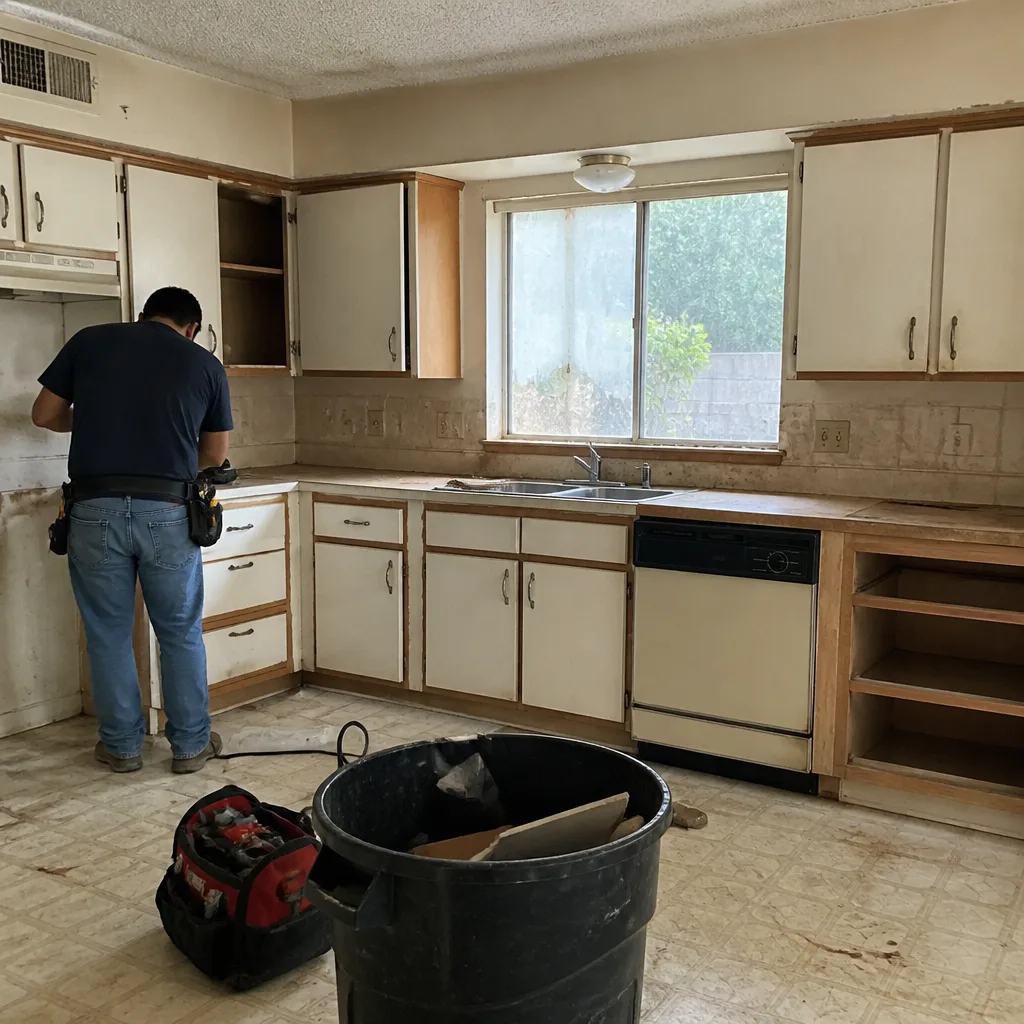 Before
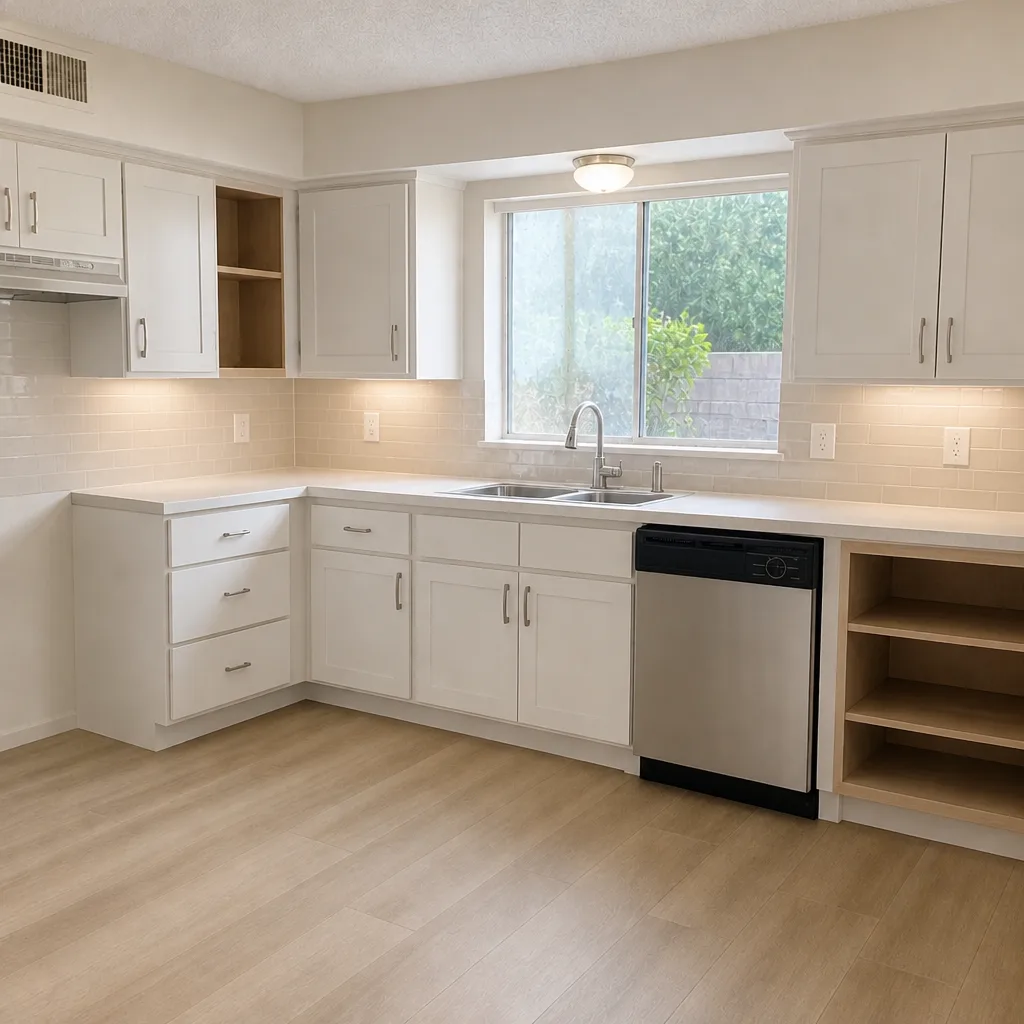 After
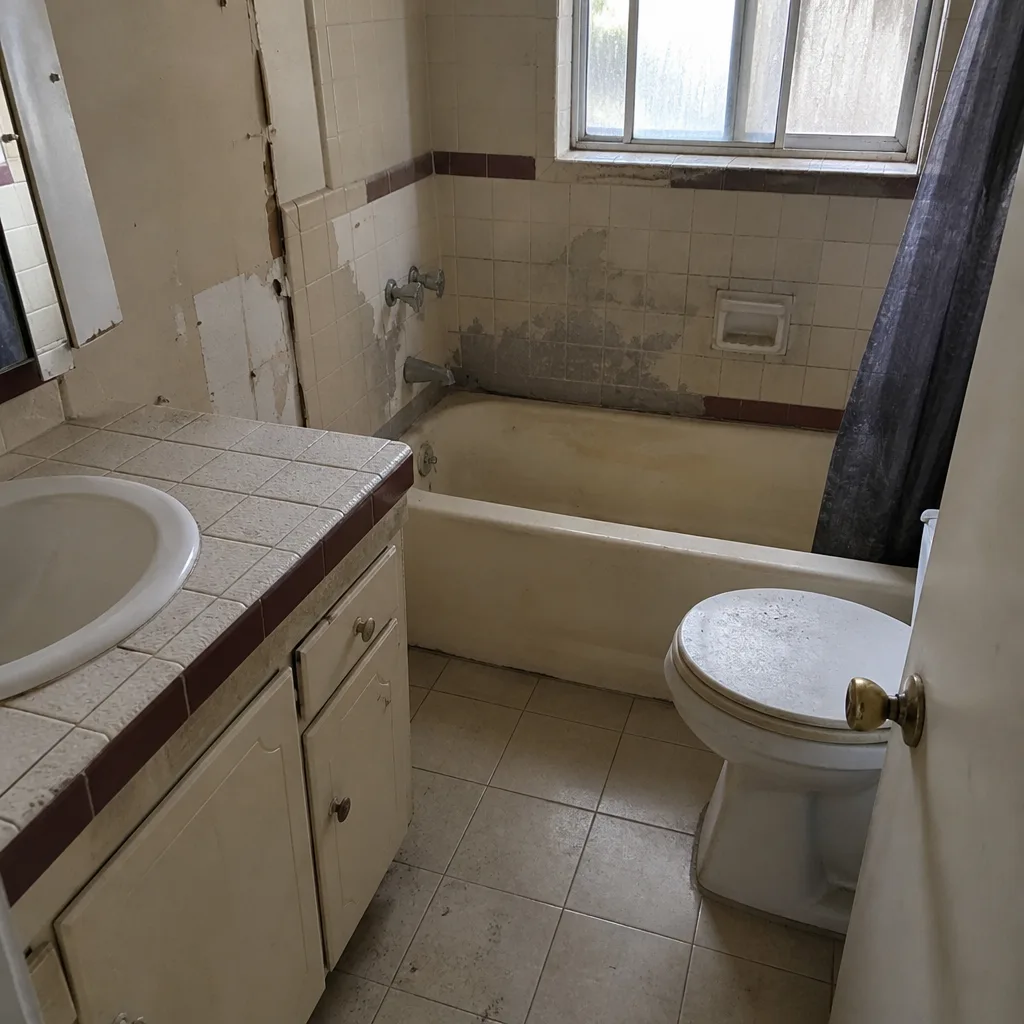 Before
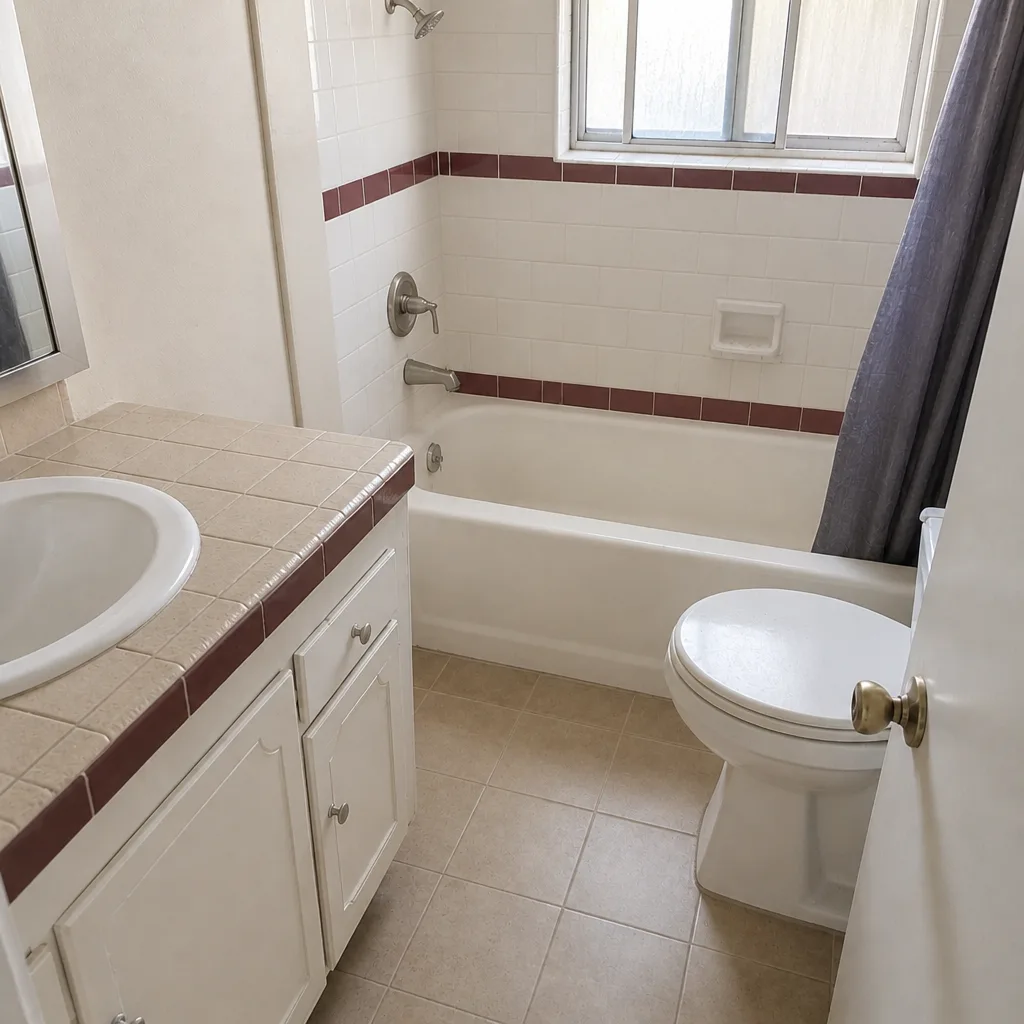 After
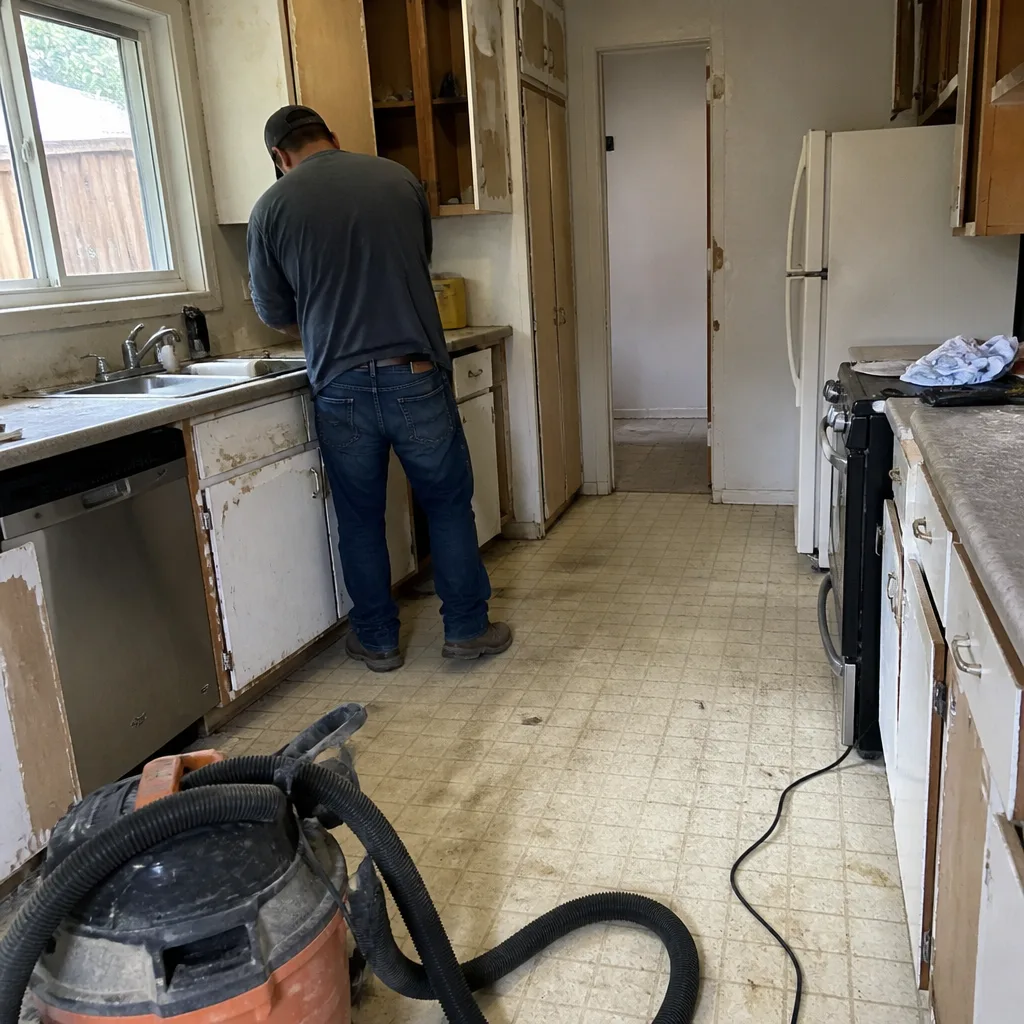 Before
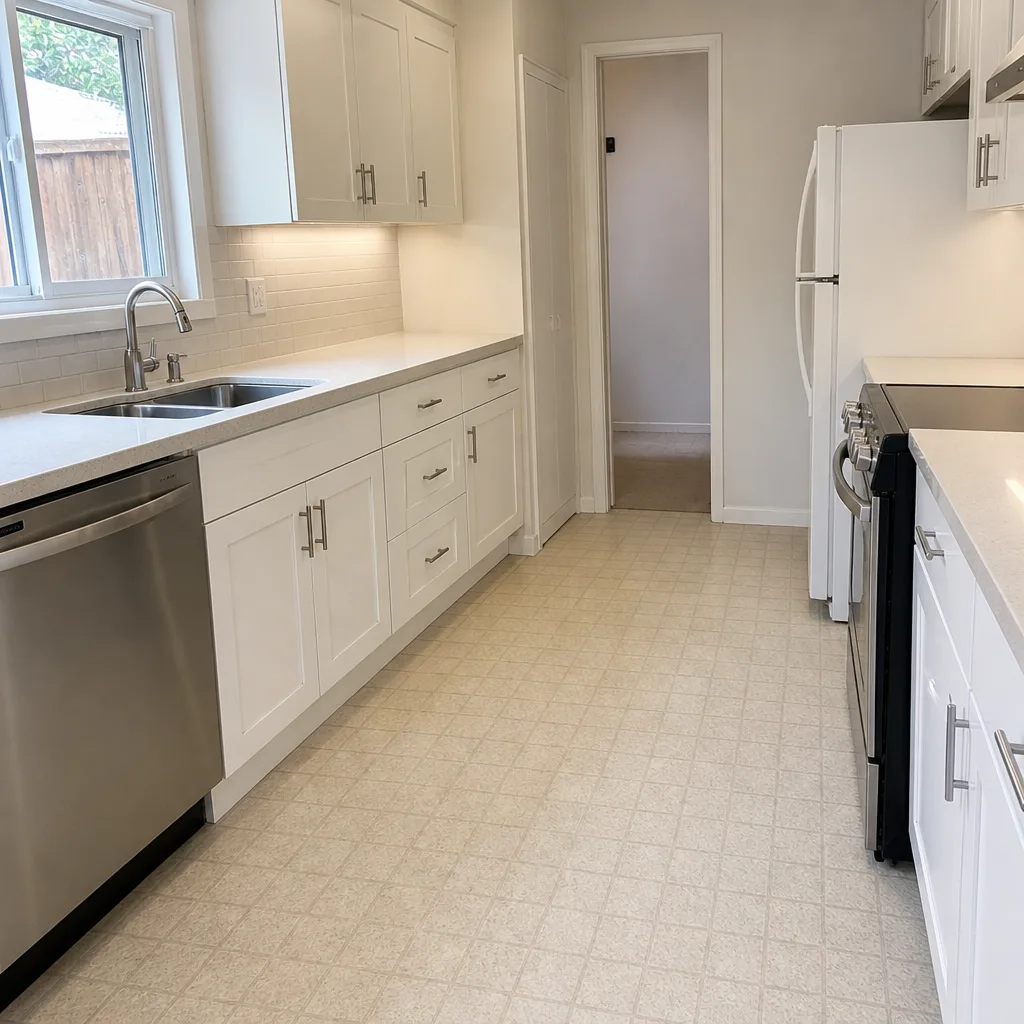 After
When to Call a Professional
Brand selection questions get complicated fast when they touch roofing, windows, waterproofing, or any structural scope. If you’re weighing window replacement and the SHGC rating is going to affect your summer cooling bill, if your paver driveway is showing early spalling and you’re trying to figure out whether it’s a materials failure or an install failure, or if you’re planning a kitchen remodel and every brand decision from cabinet to countertop goes through the same diligence process, this is when a trained eye saves real money.
Barrett & Sons Construction Santa Clarita offers free estimates in Santa Clarita – call (833) 762-8116. We’ll bring the manufacturer spec sheets, walk the scope with you, and put every brand and every allowance in writing before you commit a dollar. If the right answer for your project is a premium brand, we’ll show you why. If it’s a commodity, we’ll tell you that too.
Frequently Asked Questions
They matter most in categories exposed to Santa Clarita’s UV load, heat, and occasional freeze: concrete pavers, windows, waterproofing membrane, roofing shingles, and exterior siding. They matter less in commodity materials like framing lumber or drywall, where the grade and the installation technique drive performance more than the brand. The safe rule is to spend your brand diligence where the product has to survive the elements.
Look for three numbers: freeze-thaw cycle performance under ASTM C1645, water absorption under 5%, and a published UV color fastness rating (Delta E). In Santa Clarita, absorption and freeze-thaw matter most because winter nights can dip below freezing in the inland neighborhoods and summer UV is intense. Any paver missing those three published figures is a paver to skip. Call (833) 762-8116 if you want us to walk through a specific sheet with you.
The product warranty is issued by the manufacturer and covers material failure. The workmanship warranty is issued by the contractor and covers installation error. You need both. A manufacturer will exclude installation errors, and a contractor’s warranty won’t cover a product that fails on its own. Get both in writing before the job starts.
Yes, and the switch should always arrive as a written change order before work proceeds. Any contractor who’ll swap a brand and tell you the adjusted price at the end is one to avoid. On our jobs, every scope change and every price shift is in writing before a nail moves, because an allowance that isn’t on paper is a surprise waiting for a date.
Yes. Permits get pulled and inspections get signed on every eligible job, and the brand selection is documented in the permit scope. The city inspector works for you, not for us, and a properly permitted job with documented materials is a job you can defend if you sell the home. Skipping permits to save a few hundred dollars on a job is a mistake that costs thousands at resale.
For cabinetry we commonly install KraftMaid and Wellborn because both publish moisture ratings, back their boxes with real warranties, and have reliable Southern California distribution. For countertops, Cambria publishes performance data and holds a transferable warranty structure. For a bathroom remodel, the waterproofing membrane matters more than the tile brand. Call (833) 762-8116 and we’ll bring the sheets to your free estimate.
The Bottom Line
Brand names on construction materials are not marketing – they’re the difference between a product with a tested performance rating and a transferable warranty, and a spec-sheet match that performs identically until it doesn’t. Read the spec sheet for UV stability, freeze-thaw, and absorption. Spend your brand diligence on pavers, windows, waterproofing, roofing, and cabinetry, and let commodities be commodities. Read the warranty you’re being handed, including the exclusions. Ask for line-item bids with brand and model on every scope, and lock brand selection before the materials order ships. And if the answer you get from any contractor on any of those questions is vague, that vagueness is the answer.
Barrett & Sons Construction has installed name-brand materials across Santa Clarita for a long time, and we publish our name, address, and license number because we expect you to look them up. Our technicians have up to 28 years of experience. Our published standing offers are real: $40 Off Any Repair Over $200, Free Second Opinion on Any Written Estimate, No Trip Charge Inside the County, and a permanent 10% Senior & Veteran discount. If your project touches a category where brand matters – and most of the time it does – start with the free estimate. Call (833) 762-8116.
Written by the team at Barrett & Sons Construction Santa Clarita.