
Last updated November 16, 2026
 Home additions & ADU
 Kitchen remodeling
 Bathroom remodeling
 Roofing
 Windows & doors
 Driveway & pavers
 Fence
Free written scope consultation - allowances, timeline, and change-order rules on paper before a single trade is scheduled
The Complete Fence Installation Guide for Santa Clarita Homeowners
More fence projects in Santa Clarita get stopped mid-installation by HOA violations or property line disputes than by any construction problem – and both are entirely avoidable if you do three things before the first post goes in. We’ve watched homeowners tear out brand-new fencing because a neighbor’s recorded line didn’t match the friendly handshake, and we’ve seen HOA letters arrive the same week a back gate got hung. This guide covers what most fencing articles skip: how to verify your line, which HOA and fire-zone rules apply to your lot, why caliche in Saugus and Canyon Country changes how posts get set, and how the permit process actually works in Santa Clarita. Read it before you buy a single bag of concrete, and you’ll save yourself a summer of headaches.
Quick Answer
Fence installation in Santa Clarita typically runs $28 – $65 per linear foot installed, depending on material and post-setting method, with most residential side-and-back yard projects landing between $4,000 and $12,000. Before any digging, verify your property line through a licensed survey or recorded assessor map, check your HOA’s material and height rules, and confirm whether your lot sits in a fire hazard severity zone. Caliche-heavy soil in parts of Saugus and Canyon Country usually requires augered or core-drilled post holes rather than standard shovel-dug concrete collars.
Styles & brands we work with
- Kitchen remodeling
- Bathroom remodeling
- Home additions & ADU
- Roofing
- Windows & doors
- Driveway & pavers
- Fence
Table of Contents
- How to Verify Your Property Line Before Any Digging
- Santa Clarita HOA Rules and Fire Zone Designations
- Why Caliche Soil Changes How Posts Get Set
- Material Comparison for Santa Clarita’s Climate
- The Permit Process for Fences in Santa Clarita
- The Installation Process, Step by Step
- What Fence Installation Costs in Santa Clarita
- Common Mistakes to Avoid
How to Verify Your Property Line Before Any Digging
The single most expensive mistake in fence installation is building two feet onto your neighbor’s side and finding out after the posts are set. In Santa Clarita, we’ve seen this happen more in older tracts – parts of Newhall and the neighborhoods off Bouquet Canyon where parcel lines were drawn decades ago and fences have crept over time.
Start with the recorded source of truth, not the fence that’s already there. An existing fence is evidence of where someone once thought the line was; it’s not proof.
- Pull your parcel map. The Los Angeles County Assessor’s office has recorded maps online. Find your parcel and look for the dimension callouts on each side.
- Locate survey pins. These are usually iron pipes or rebar driven into the ground at the corners, often tagged with a surveyor’s cap. A metal detector finds them faster than a shovel. On lots built before the 1980s, pins may be buried under landscaping or gone entirely.
- Compare pins to the recorded map. If they match within a few inches, you’re good. If they’re off by more than a foot, or missing, that’s when you call a licensed land surveyor. Expect $500 – $1,200 in Santa Clarita for a residential boundary survey.
- Talk to your neighbor before the surveyor shows up. A conversation costs nothing and prevents the awkwardness of a stranger with a tripod appearing in the side yard on a Saturday morning.
When a neighbor-agreed line doesn’t match the recorded line, the recorded line wins legally – but the agreement can still govern if it’s documented. Get any neighbor agreement in writing, signed, and keep a copy. We won’t set a single post on a shared line without that paperwork in hand.
Santa Clarita HOA Rules and Fire Zone Designations
Santa Clarita has a lot of HOAs – Stevenson Ranch, Valencia, parts of Saugus and the West Ranch communities all have architectural review committees with their own fence rules. Get approval in writing before you buy material, because the failure mode here is ugly: the fence goes up, the HOA cites you, and you tear down something you just paid for.
Most Santa Clarita HOA fence rules cluster around a few points:
- Height: front-yard fences are commonly capped at 3 – 4 feet, side and rear at 6 feet. Some HOAs allow 7 feet on lots backing a slope or busy road.
- Material: many HOAs require the fence to match the community’s dominant style – vinyl in some tracts, wrought iron or aluminum view fencing on hillside lots, wood in older neighborhoods.
- Color and finish: even when material is allowed, the color often isn’t. Stained wood needs pre-approval on the stain color; vinyl color options are usually restricted.
- Setbacks and visible sides: the “good side” (finished side) usually faces the neighbor or the street.
Fire zone designation is a separate layer. Much of Santa Clarita sits in a Very High Fire Hazard Severity Zone, especially the hillside communities – Stevenson Ranch, West Hills, parts of Canyon Country near the Angeles National Forest boundary. In these zones, combustible fencing within a certain distance of a structure can be restricted or trigger additional review. Fire-resistant materials – metal, masonry, or Class A rated composite – are often the only permitted options on lots in these designations.
Three ways to find out what applies to you: your HOA’s CC&Rs and design guidelines, the City of Santa Clarita’s planning department, and Cal Fire’s fire hazard severity zone map (searchable by address). Check all three before you commit to a material.
Why Caliche Soil Changes How Posts Get Set
Caliche is a calcium-carbonate hardpan that forms under the soil in parts of the Santa Clarita Valley – the name locals use loosely for any hard, cement-like layer that stops a shovel cold. In Saugus and much of Canyon Country, and in pockets of Valencia near the older arroyo beds, we hit it regularly.
Standard post installation is a shovel-dug hole, a bag of fast-setting concrete, and a post set plumb. That method fails against caliche in a specific way: the hole can’t be dug to depth, so the post ends up too shallow, and the first Santa Clarita wind event pushes it out of plumb. A fence that looked fine on install day is leaning by summer.
What actually works in caliche:
- Auger with a carbide or rock bit. A powered auger with the right bit bores through the layer. This is the most common approach in the valley.
- Core drilling or jackhammering. For the worst of it, a two-person crew cuts through the caliche layer and then sets the post in a normal concrete collar.
- Deeper footings overall. Santa Clarita soil and wind loading usually call for footings in the 24 – 36 inch range, depending on the post height and material. Going deeper than the caliche layer solves the problem structurally.
This is where a fencing quote can look cheap and then blow up. A contractor who bids on standard dirt hits caliche on day one and either adds a change order or rushes the job. Ask upfront: has the crew worked caliche lots in your specific neighborhood? The answer tells you a lot.
Material Comparison for Santa Clarita’s Climate
Santa Clarita’s climate is not gentle on fencing. Summer UV is intense, the Santa Ana wind events rip through the valley, and fire risk is real in the hillside communities. Here’s how the main materials stack up against those specific pressures.
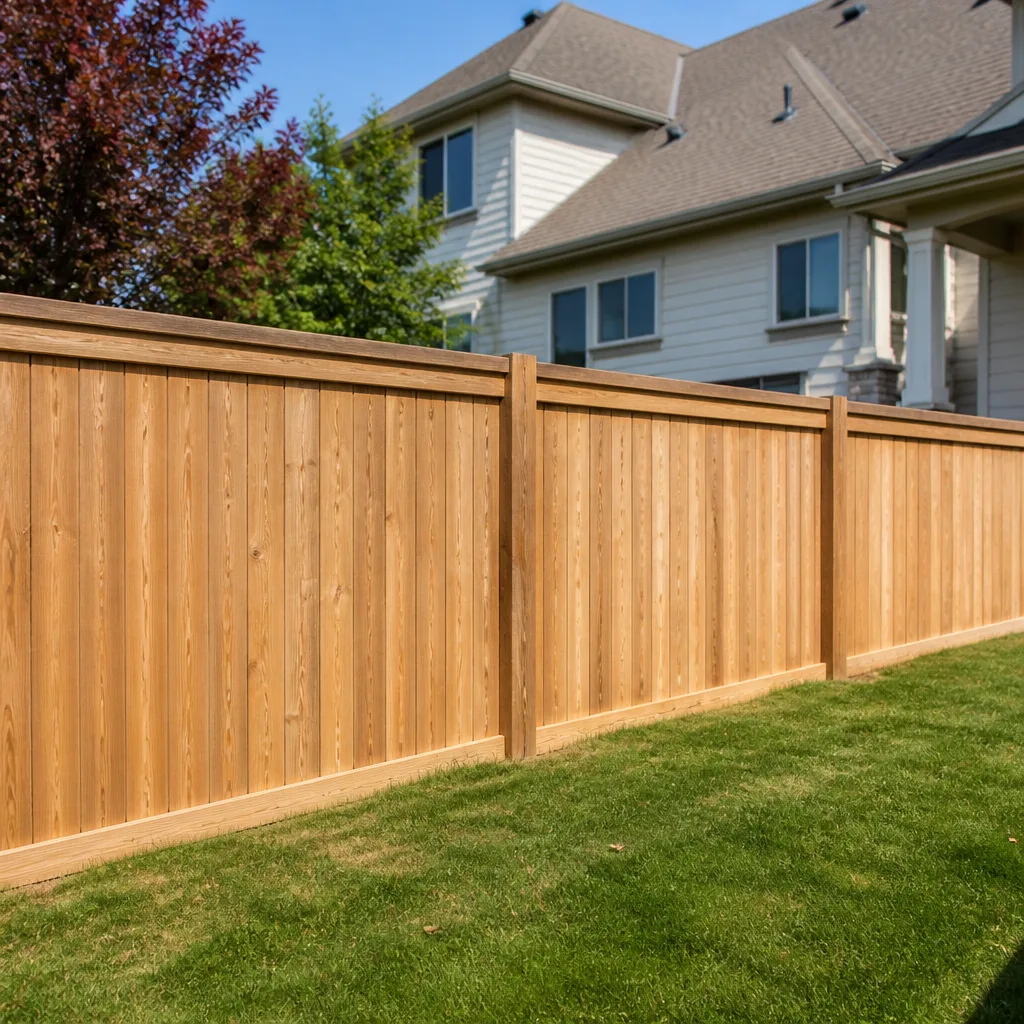
- Wood (cedar, redwood, or pressure-treated pine). The traditional choice, and still the most common fence in Santa Clarita. Cedar handles UV better than pine but needs re-staining every 2 – 4 years. Expect 10 – 15 years of service with maintenance. Not a fire-resistant material – problematic on Very High Fire Hazard lots near structures.
- Vinyl. Holds color and ignores UV without maintenance. In Santa Clarita’s heat, quality vinyl (with UV inhibitors) is fine; cheap vinyl chalk and crack within 5 years. Wind is the issue – vinyl panels act like sails, so post spacing and depth matter more than with other materials. Expect 20 – 30 years. Not allowed in some HOAs and not permitted in some fire zones.
- Aluminum. The go-to for view fencing on hillside lots in Stevenson Ranch and West Hills. Lightweight, doesn’t rust in the valley’s low-humidity air, and considered non-combustible by most fire zone reviewers. Expect 25+ years with occasional touch-up on powder coat.
- Wrought iron (steel). Heaviest and longest-lived. Handles wind better than any other option because it’s an open design. The right call for gates, driveway entries, and any place you want something that will outlast the house. Expect 30+ years with periodic paint. Non-combustible.
For most Santa Clarita lots not in a fire zone and not under a strict HOA, we see cedar or redwood going into the backyard and aluminum or wrought iron in front where the view or street line matters. If you’re in a fire zone, the material decision is largely made for you – go metal or composite and save the debate.
The Permit Process for Fences in Santa Clarita
Fence permitting in Santa Clarita depends on height, location, and material. The short version: most residential fences under 6 feet in a rear or side yard don’t require a building permit, but plenty of exceptions do. And an HOA approval is a completely separate thing from a city permit – you need both when both apply.
What usually requires a permit or plan check with the City of Santa Clarita:
- Fences taller than 6 feet (7 feet in some zoning districts, but always reviewable).
- Front yard fences over 3 feet, and any fence within a sight-distance triangle at a corner or driveway.
- Masonry and block walls of any height, which are structural.
- Retaining walls above roughly 4 feet (even a “fence” on top of a retaining wall counts as wall height in most reviews).
- Fences in fire hazard severity zones where material is restricted.
What typically goes over-the-counter or needs no permit: standard 6-foot wood or vinyl privacy fence in a rear or side yard, not in a fire zone, not on a property line with an active dispute, and not exceeding lot coverage or setback rules.
Two things matter here. First, an inspection on a permitted fence is not a burden – it’s confirmation the footings, post depth, and material meet code, which is exactly the kind of thing a future buyer’s inspector will check. The permit inspector works for you, not for the contractor; that’s why we like him. Second, if a contractor tells you “permits aren’t needed for a fence like this,” get that in writing before you hire them. Half the horror stories we hear in Santa Clarita start with a contractor who skipped a permit the previous owner could have pulled in a single visit.
The Installation Process, Step by Step
Here’s the sequence a properly run Santa Clarita fence project follows. A crew that skips early steps and jumps to post-setting is a crew you should send home.
- Confirm the property line. Survey pins, recorded map, or a signed neighbor agreement. Nothing moves until this is done.
- Confirm HOA approval and fire zone status. Both in writing. Both before material is ordered.
- Pull the permit if one is required. Submit plans with the fence height, material, location on the lot, and post spacing.
- Call 811 before digging. Free utility locate, required by law, and non-negotiable on a fence project – irrigation lines, gas lines, and old cable runs are all things a shovel finds the hard way.
- Lay out the fence line and mark every post location. String line down the run, spray paint or stakes at each post. Verify spacing and alignment before digging the first hole.
- Dig footings. Auger through caliche where it exists, dig to depth – typically 24 – 36 inches depending on post height – and widen the bottom for a proper bell.
- Set posts. Plumb, braced, and set in concrete. Let cure before hanging panels or rails.
- Install rails and panels or pickets. Level every rail; don’t trust the ground line.
- Hang gates last. Gate hardware and post alignment dictate whether the gate swings true for the next 20 years.
- Final inspection if permitted, then stain or finish. Wood wants 30 – 60 days of drying before stain in Santa Clarita’s dry heat; vinyl and metal are done when they’re hung.
What Fence Installation Costs in Santa Clarita
Fence pricing in Santa Clarita is higher than inland California averages because of labor cost and caliche. Here’s what we typically see for installed residential fencing in the valley:
- Wood privacy fence (6-foot cedar, standard): $28 – $42 per linear foot. $4,200 – $6,300 for a 150-foot run.
- Wood privacy fence, caliche soil requiring core drilling: $38 – $55 per linear foot. Add $800 – $2,000 on a typical residential run.
- Vinyl privacy fence: $35 – $55 per linear foot. $5,250 – $8,250 for 150 feet.
- Aluminum ornamental, 4 – 5 foot: $38 – $60 per linear foot.
- Wrought iron, standard residential pattern: $55 – $85 per linear foot. Higher on custom patterns and driveway gates.
- Typical Santa Clarita backyard project (150 – 250 feet, one gate): $4,000 – $12,000.
- Permit fee (if required): roughly $150 – $400 depending on scope.
- Boundary survey (if needed): $500 – $1,200.
An honest proposal lays these out as line items with a clear note on caliche contingency. If a quote doesn’t mention caliche at all, ask specifically whether it’s covered. And if a contractor hands you a verbal price on the phone and a different number on paper at the door, that’s the exact pattern you want to walk away from. Fence Installation in Santa Clarita walks through our own approach to pricing in more detail.
Common Mistakes to Avoid
- Building to the existing fence instead of the recorded line. Old fences drift over decades. Two feet of drift is common; it’s also a lawsuit when the new buyer of the neighboring lot has a survey. Verify first.
- Ordering material before HOA approval. We’ve seen $6,000 of vinyl sit stacked on a driveway for a month because the design review took six weeks. Get the written approval, then order.
- Skipping the fire zone check on hillside lots. In Stevenson Ranch and parts of Canyon Country, “I wanted wood” is not a defense the fire department accepts. Check Cal Fire’s map before material selection.
- Standard concrete collars in caliche. A caliche layer 18 inches down means a standard post hole can’t reach footing depth. The wind wins, the fence leans, and the fence has to be redone.
- No 811 call before digging. The locate is free. The gas line isn’t. This is the mistake most likely to end a project on day one.
- Tightening posts with a hammer instead of setting them with concrete. Common in cheap bids; falls apart in the first Santa Clarita wind event, especially on runs near open slope.
- Trusting a verbal quote. Fence pricing has real line items – material, labage, caliche contingency, permit. Get all four in writing before any deposit moves.
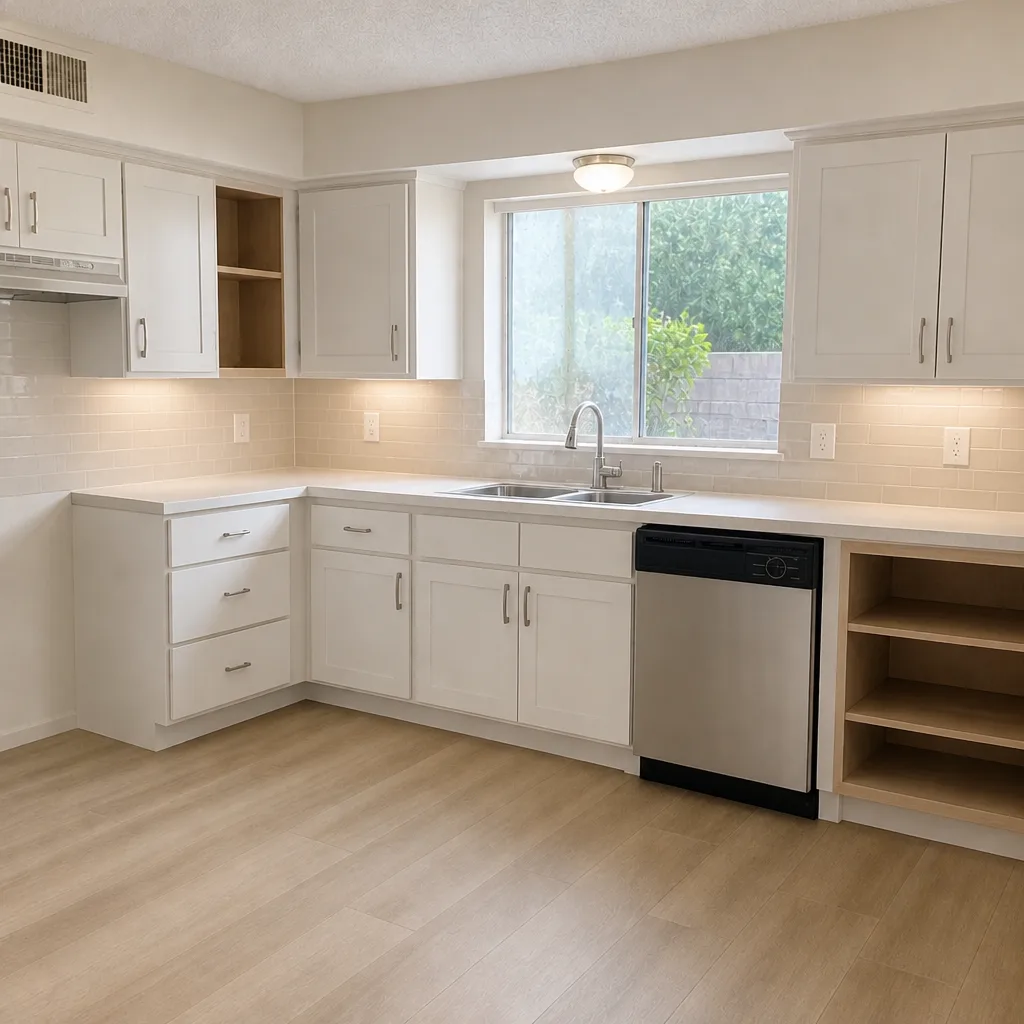
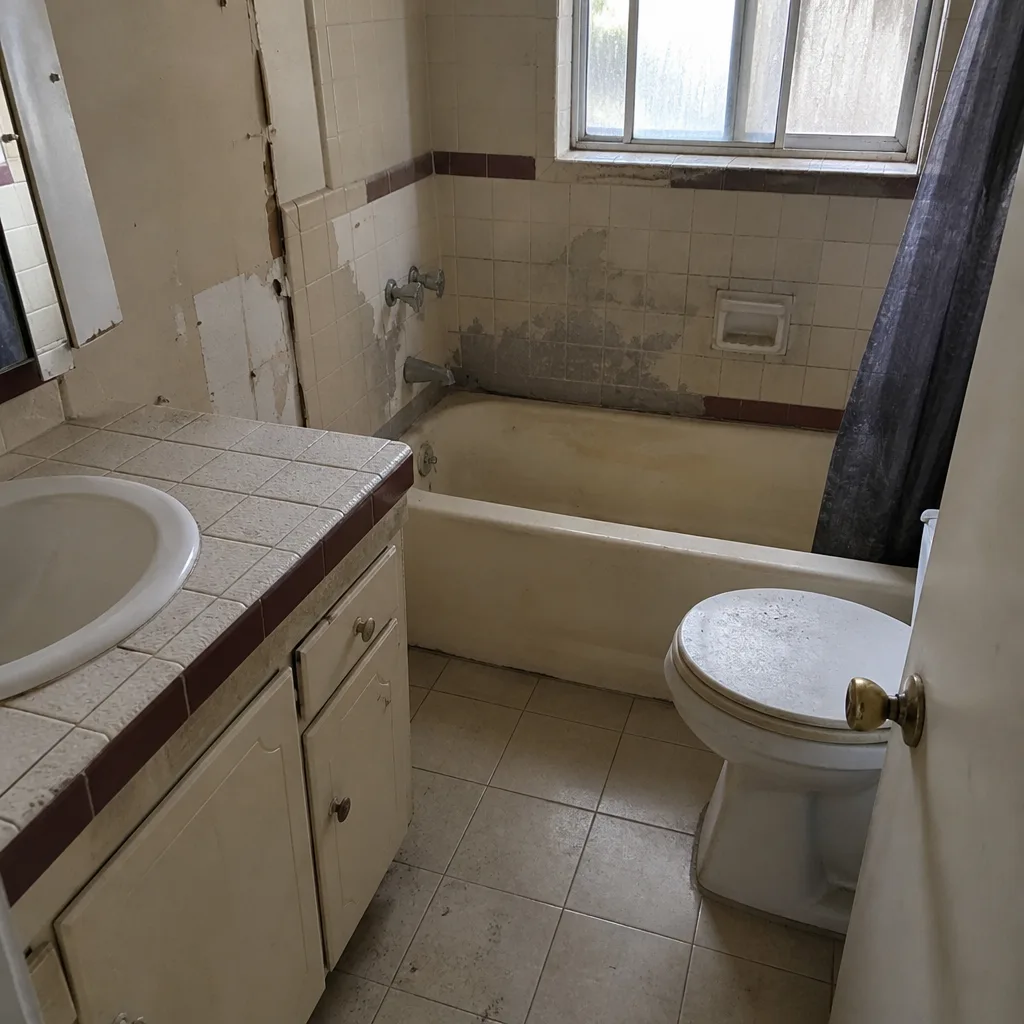
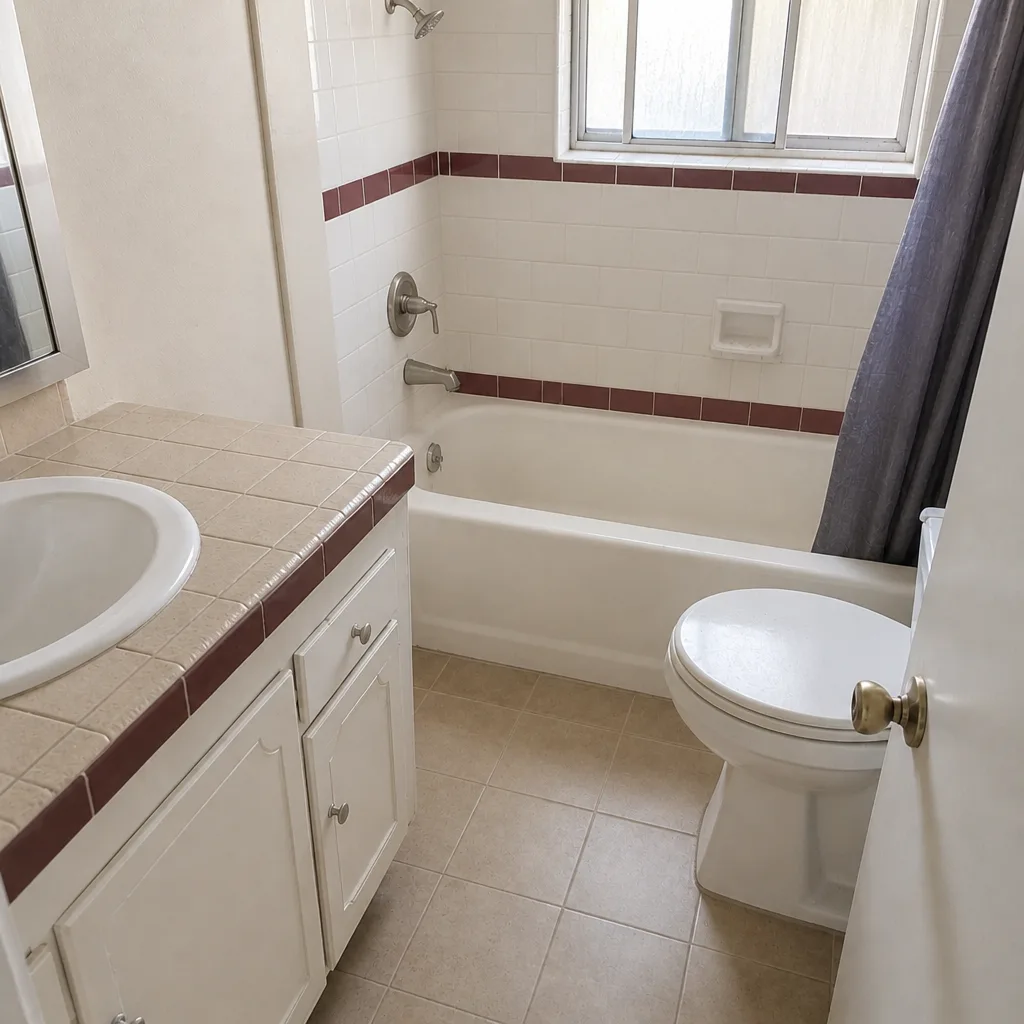
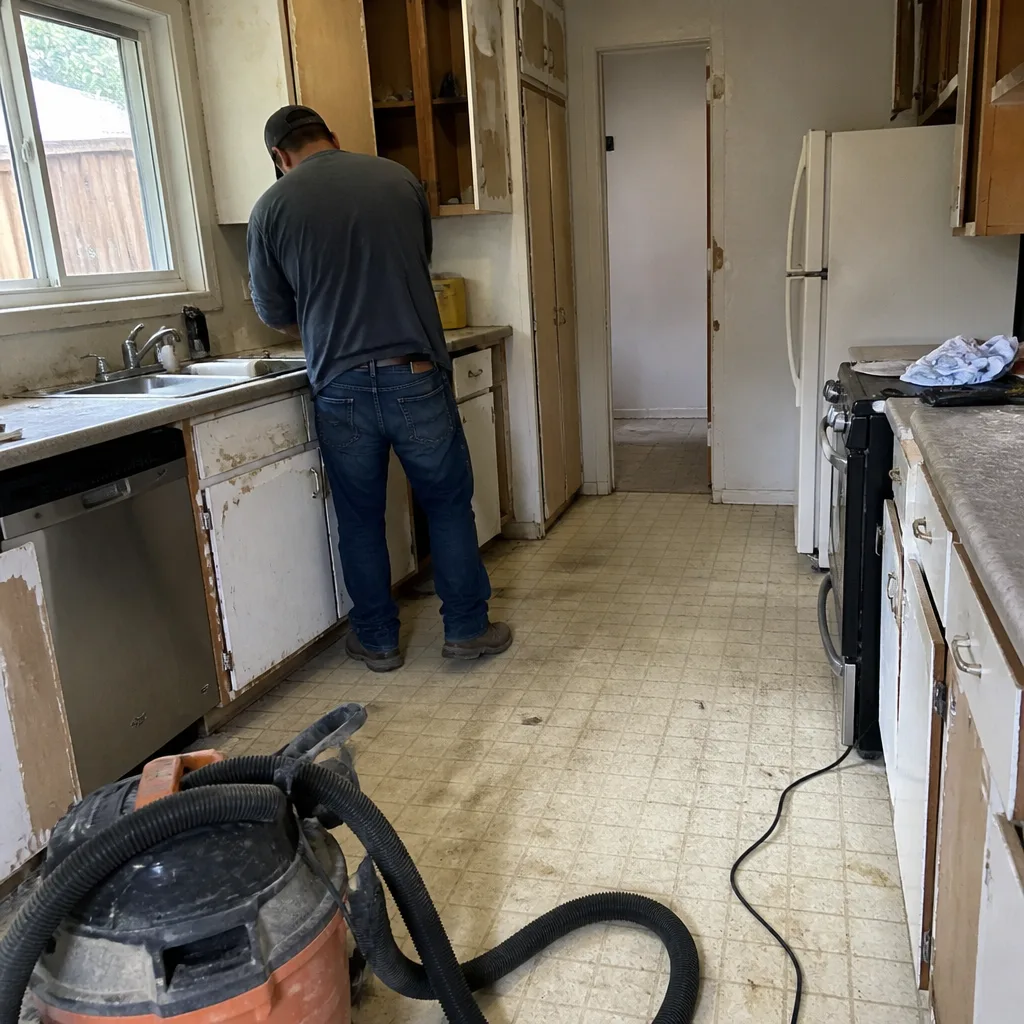
See the difference
 Before
 After
 Before
 After
 Before
 After
When to Call a Professional
Some fence work is doable for a handy homeowner. A 40-foot run across flat, sand-free dirt with no caliche and no HOA is a weekend project for someone who enjoys it. But most Santa Clarita fence projects hit at least one of a handful of walls: a caliche layer that stops the auger, a property line question, a fire zone material restriction, an HOA design review, or a permit that needs to be pulled and inspected. If your project involves any of those, the professional calculation changes quickly. A fence that fails inspection costs more than the installation did. If you’re thinking about a fence alongside a larger project – a backyard addition, a new driveway approach – it’s worth syncing the scopes so the fence doesn’t get torn out by the pavers crew, which we cover in Driveway & Pavers in Santa Clarita and Home Additions & ADU in Santa Clarita. Barrett & Sons Construction Santa Clarita offers free estimates in Santa Clarita – call (833) 762-8116. Permits pulled, inspections signed, change orders written before work, and a 90-Day Done Right Promise on every completed job.
Frequently Asked Questions
Most residential fence projects in Santa Clarita run $4,000 – $12,000 installed, with per-foot pricing from $28 for standard cedar to $85 for wrought iron. Caliche soil in parts of Saugus and Canyon Country can add $800 – $2,000 for core drilling. A boundary survey, if you need one, runs $500 – $1,200. Call (833) 762-8116 for a written line-item quote – estimates are free.
Usually not for a standard 6-foot wood or vinyl rear or side fence. You do need a permit for fences over 6 feet, front-yard fences over 3 feet, masonry walls, retaining walls over 4 feet, and fences in certain fire hazard severity zones. HOA approval is a separate requirement and is often stricter than the city’s. Call (833) 762-8116 to talk through what applies to your specific lot.
Search Cal Fire’s fire hazard severity zone map by address, then confirm with the City of Santa Clarita planning department. Much of the hillside community is in Very High Fire Hazard Severity, which often restricts fencing near a structure to metal, masonry, or Class A rated composite. Call (833) 762-8116 if you’re unsure which material zone applies to your lot.
Caliche is a hard calcium-carbonate layer that forms under the soil in parts of Saugus, Canyon Country, and some Valencia neighborhoods. It stops a shovel cold, which means standard post holes can’t be dug to footing depth – so a fence goes in too shallow and leans in the first wind event. Augering with a rock bit or core drilling through the layer solves it. Ask any contractor whether they’ve worked caliche lots in your neighborhood. Call (833) 762-8116 for a free estimate.
Not always. Most Santa Clarita HOAs restrict fence height (typically 4 feet front, 6 feet side/rear), require a specific material to match the community style, and restrict stain color. Some HOAs also require the finished side to face outward. Get the design review approved in writing before you order material – that step saves homeowners thousands every year.
A typical 150 – 250 foot residential fence takes 3 – 5 working days once material is on site and any required permits or HOA approvals are in hand. Caliche soil can add a day. HOA and permit review are the big variables – design review often takes 4 – 8 weeks, which is why we recommend starting there before anything else. Call (833) 762-8116 to schedule a free estimate.
The Bottom Line
Fence installation in Santa Clarita rewards patience up front. Confirm the property line, get HOA approval in writing, know your fire zone, and plan for caliche before the crew shows up. Choose material based on the lot, not on what’s trending on a home show. Get a quote with real line items – material, labor, caliche contingency, permit – and ask any contractor who gives you a phone price to put it in writing. Every price change should arrive as a written change order before work proceeds. That discipline is what keeps a fence standing for twenty years and a homeowner off the phone with a lawyer.
If you’re ready to price a fence – or need a second opinion on a written estimate you already have – Barrett & Sons Construction Santa Clarita is here to help. We’re owner-operated, every eligible job gets permits pulled and inspections signed, and every completed job carries our written 90-Day Done Right Promise. Call (833) 762-8116 for a free estimate, and we’ll walk your property with you, talk through caliche and HOA rules, and put the whole scope in writing before a single post goes in.
Written by the team at Barrett & Sons Construction Santa Clarita.