
Last updated November 16, 2026
 Windows & doors
 Kitchen remodeling
 Bathroom remodeling
 Home additions & ADU
 Roofing
 Driveway & pavers
 Fence
Free written scope consultation - allowances, timeline, and change-order rules on paper before a single trade is scheduled
Windows & Doors Troubleshooting: Common Problems and How to Fix Them
A door that sticks every summer isn’t a hardware problem and it isn’t a hanging problem. In most of the Santa Clarita Valley homes we walk into, it’s foundation or framing movement showing up at the one place you’d notice it first. Tighten the hinges and you’ll mask it for a season. Ignore the source and you’ll be planing the bottom of the door off by next August. That pattern runs through almost every window and door complaint homeowners call us about: the symptom lives up front, the cause lives a layer behind it. This guide works backward from six common symptoms to the real root, so you fix the source instead of the evidence.
Quick Answer
Most window and door problems trace to a cause behind the visible symptom: seasonal sticking is usually thermal movement, condensation between panes means a failed seal, and water at the sill usually entered at the head flashing. Diagnose the source before you spend money on a repair, because fixing only what you can see is why the same problem returns within a year.
Styles & brands we work with
- Kitchen remodeling
- Bathroom remodeling
- Home additions & ADU
- Roofing
- Windows & doors
- Driveway & pavers
- Fence
Table of Contents
- The Symptom-to-Cause Diagnostic Tree
- Why Doors and Windows Stick: It’s Not Always the Hinge
- Condensation Between Panes vs. on the Frame: Two Very Different Problems
- Drafts and Rattling: Where the Air Is Really Coming From
- Water Intrusion: Why the Leak Isn’t Where You See It
- The Three-Point Check for Door Alignment
- Repair or Replace? How to Decide
- Common Mistakes to Avoid
- When to Call a Professional
- Frequently Asked Questions
The Symptom-to-Cause Diagnostic Tree
Every complaint about a window or door in Santa Clarita maps to one of six symptoms, and each has a distinct root cause. Read your symptom, then look at the cause column before you reach for a tool.
- Draft: Failed weatherstripping, a worn sweep, or a frame that has moved out of square, not a gap in the glass.
- Sticking (seasonal): Thermal expansion of wood or vinyl frames, or foundation movement, not a swollen hinge.
- Sticking (constant, year-round): Framing movement or a foundation issue pulling the opening out of square.
- Condensation between panes: A failed seal and lost insulating gas, which no amount of cleaning will fix.
- Condensation on the frame or room side: Interior humidity meeting a cold surface, a ventilation or humidity problem, not a window defect.
- Rattling: Loose glazing, worn sash hardware, or a frame no longer holding the unit tight.
- Water intrusion: A failure at the head flashing, the sill pan, or the frame perimeter, usually several inches above where the water shows up.
Santa Clarita’s swing from cold mornings to hot afternoons, sometimes 40°F apart in a single day, is the thread running through the first three. In our experience across the valley, that daily expansion and contraction explains far more “settling” complaints than actual settling does.
Why Doors and Windows Stick: It’s Not Always the Hinge
A door that binds only in summer, then frees up in cooler months, is telling you the problem is movement, not alignment. Wood and vinyl frames grow and shrink with temperature, and in Santa Clarita that daily 40°F swing is enough to bind a door that was hung true. A door that sticks year-round is a different story: that’s framing or foundation movement pulling the opening out of square, and it won’t fix itself.
Here’s how the two patterns differ, and why it matters before you spend a dollar:
- Seasonal sticking: Hard to close on hot afternoons, fine by evening or in winter. Root cause is thermal movement of the frame, not the door.
- Year-round sticking: Binds every day, often worse toward one top corner. Root cause is the opening going out of square from foundation or framing.
- Sticking after a door was slammed or warped: The door itself is out of true, which is a door problem, not a house problem.
A quick way to sort it: check the gap at the top and along the latch side on a cool morning and again on a hot afternoon. If the gap changes, you’re dealing with thermal movement. If the gap stays consistent but one corner is tight, look at the frame. In Santa Clarita homes built on clay-heavy soil, especially in older tracts, that square check is the difference between adjusting a door and addressing a foundation issue.
Condensation Between Panes vs. on the Frame: Two Very Different Problems
Fog or water droplets trapped inside a double-pane window mean the seal has failed and the insulating gas is gone. That’s a glazing problem, and no cleaner or dehumidifier will touch it because the moisture is inside the sealed unit. It also means the window has already lost most of its insulating value.
Condensation on the room-side surface of the glass or on the frame is the opposite. That’s interior humidity meeting a cold surface, a ventilation issue, not a defective window. You’ll see it first in bathrooms, kitchens, and bedrooms where warm moist air collects overnight.
So which do you fix?
- Seal failure (between panes): The window unit needs to be repaired or replaced. Frost or fog that won’t clear is the giveaway.
- Surface condensation (room side): Address humidity and ventilation, and make sure the window isn’t blocked by heavy drapes that trap moist air against cold glass.
On a failed-seal unit, repair by reglazing the sash can make sense when the frame is still sound and square. Full replacement is the better call when the frame has also warped, when several panes have failed at once, or when you’re upgrading to modern glass. When we replace, we typically install Andersen and Marvin windows through Barrett & Sons because the frames and glass are specified and verifiable, not mystery units. Either way, the decision comes down to whether the frame is sound, not just whether the glass is foggy.
Drafts and Rattling: Where the Air Is Really Coming From
Most drafts come from a failed seal at the weatherstripping or the door sweep, not from the glass itself. Modern window glass doesn’t let air through; the gaps are at the perimeter, where the sash meets the frame and where the frame meets the wall. That’s also why a drafty room can feel cold even after a window upgrade if the installation left the perimeter loose.
Rattling is a close cousin. It usually means worn sash hardware, loose glazing stops, or a frame that’s no longer holding the unit tight. Wind rattles a loose sash the same way it rattles a screen that’s come untucked.
Here’s a simple air-leak check you can do safely:
- On a windy day, close the window firmly and run your hand along the perimeter slowly, especially the top and latch-side edges.
- Light a thin strip of tissue and hold it near the seams to watch for movement; don’t use an open flame near drapes or combustibles.
- If air moves at the sash seam, the weatherstripping is the suspect. If air moves at the frame-to-wall seam, the installation perimeter is the suspect.
Rattling that comes with visible frame movement is the one to hand off; a frame that’s shifting in the wall is structural, and it’s why we tell Santa Clarita homeowners to get a professional look before tightening anything.
Water Intrusion: Why the Leak Isn’t Where You See It
Water that shows up at the sill usually entered six inches higher, at the head flashing above the window. Water is patient. It enters at the highest gap it can find, runs along the framing, and only drops out where gravity catches it, which is almost never the point of entry. That’s why patching the sill is the single most common wasted repair we see.
The likely entry points, in the order we check them:
- Head flashing: The top edge of the window, above the frame, where flashing should shed water out and away.
- Frame perimeter sealant: A cracked or pulling bead around the window edge lets water in behind the wall.
- Sill pan: The bottom shelf that should drain outward and slope away from the interior.
- Above-wall siding or trim: A gap or failed joint higher up can send water down inside the wall to the window.
When we trace a leak, we start at the head and work down, because that’s where the water came from. In Santa Clarita, the dry summers and occasional heavy winter rain make this worse: a small sealant failure can sit unnoticed for months and show up as a stain inside a single storm. If you’re unsure whether it’s a window perimeter issue or a wall issue, a free second opinion on any written estimate is worth the call before anyone starts cutting.
The Three-Point Check for Door Alignment
Before you spend money on a fix, run a three-point check that tells you whether the problem is in the door, the frame, or the foundation. It takes five minutes and saves you from adjusting the wrong thing.
- Top gap: Measure the gap between the top of the door and the head jamb, closed, on a cool morning and again on a hot afternoon. A gap that changes means thermal movement; a gap that stays tight on one side means the frame has racked.
- Latch-side gap: Look at the gap along the latch edge, top to bottom. A gap that’s tight at the top and wide at the bottom (or reverse) means the opening is out of square, which is the frame.
- Hinge-side reveal: Check whether the door is rubbing the hinge-side jamb or sitting proud of it. If the door binds hard against the frame at one consistent corner all year, that’s a framing or foundation movement signature, not a hardware problem.
If the gaps are even on a cool morning and the door still binds on a hot afternoon, you’re looking at thermal movement and the door can usually be adjusted or its sweep tuned. If one corner stays tight through every season, stop tightening hinges and have the opening checked. That check is also the reason we pull permits and get inspections signed on every eligible job: the inspector who confirms the rough opening is square works for you, not for us, and that’s exactly how we like it. If you’re adding a door in the course of a bigger project, our Home Additions & ADU in Santa Clarita page covers how openings are built to stay square.
Repair or Replace? How to Decide
Repair when the frame is sound and only the glazing, weatherstripping, or hardware has failed. Replace when the frame has warped, several units have failed together, or the window is so old that parts aren’t available. That’s the short version; the full version comes down to a few concrete questions.
- One foggy pane, sound frame: Reglaze the sash. Cheaper than a full unit, and the frame stays.
- Foggy panes across several windows, older frames: Replacement usually wins on both performance and cost over time.
- Door that sticks seasonally and frees up: Adjust the sweep and hinges; the door and frame are fine.
- Door that sticks year-round with a tight corner: Have the opening checked before replacing the door; a new door in an out-of-square opening will stick too.
- Water intrusion at one point, dry elsewhere: Trace and fix the flashing and perimeter; the window may be intact.
- Water intrusion at multiple points with frame rot: Replacement.
In our experience across Santa Clarita, the biggest money-waster is replacing a window when the real problem was the flashing above it, or replacing a door when the real problem was a foundation movement. Diagnose first. On replace jobs we install specified brands and write every scope, allowance, and price change in writing before work starts, so the price you agree to is the price you pay. If your window work is part of a larger exterior project, the same crew installs fencing and pavers, and the details line up instead of fighting each other.
Common Mistakes to Avoid
- Fixing the symptom, not the source. Tightening hinges on a door that’s out of square hides the problem for a season and wastes the next repair. Diagnose the frame first.
- Scrubbing a foggy double-pane window. The moisture is inside the sealed unit, and no cleaner reaches it. Cleaning damages the glass and saves nothing.
- Patching the sill when the leak is at the head. In our Santa Clarita work, this is the most common wasted repair we see. Trace up, not down.
- Ignoring a seasonal stick until it’s permanent. A door that binds only in summer is an early warning. Catch the movement pattern while an adjustment still fixes it.
- Treating surface condensation as a failed window. If the moisture is on the room side, it’s a humidity issue; replacing the window won’t solve it.
- Letting a contractor skip the permit on a window replacement. Permits and inspections protect you, and a job without them can complicate a future sale. We pull them on every eligible job.
- Approving verbal pricing. Get scope, allowance, and change orders in writing before work happens, because an allowance that isn’t on paper is a surprise waiting for a date.
When to Call a Professional
Call when the symptom tells you the issue is structural or behind the wall. That means a door or window that sticks year-round with one tight corner, water intrusion that doesn’t stop after a flashing and sealant check, fogged units across multiple windows, or any frame that moves when you push on it. Those are the cases where a wrong repair costs more than the right one. On the safe side, we don’t recommend homeowners open up wall cavities or chase a leak behind flashing on their own; that’s where water damage and rot hide. Barrett & Sons Construction Santa Clarita offers free estimates in Santa Clarita. Our technicians have up to 28 years of experience, and every eligible job gets permits pulled and inspections signed. Call (833) 762-8116 to schedule yours.
Frequently Asked Questions
Seasonal sticking is almost always thermal movement of the frame, not a door or hinge problem. In Santa Clarita, the 40°F swing between morning and afternoon expands and contracts wood and vinyl frames enough to bind a door that was hung true. If the door frees up in cooler weather, it’s thermal; if it binds year-round, have the opening checked.
No. Moisture between panes means the seal has failed and the insulating gas is gone, and no cleaner reaches inside the sealed unit. Repair by reglazing works when the frame is sound; replacement is the better call when the frame has warped or several panes have failed together. Call (833) 762-8116 for a free estimate on the right fix.
Water at the sill usually entered at the head flashing, six inches or more above where you see it. Water runs along the framing and drops out where gravity catches it, so patching the sill rarely stops the leak. The fix starts at the top of the window and works down. Call (833) 762-8116 for an exact diagnosis; estimates are free.
Replacement windows typically require a permit, and inspecting the installation is how the work gets checked against the opening and flashing. We pull permits and get inspections signed on every eligible job. If a previous contractor told you permits were optional, get a free second opinion on the written estimate before you sign.
You can check where the air enters safely and replace worn weatherstripping or a door sweep if you’re comfortable with the tools. But if the draft comes from the frame-to-wall seam or the frame is moving, that’s a professional job. We don’t advise cutting into flashing or wall cavities on your own because water damage tends to be worse than it looks.
It shouldn’t, and on our jobs it doesn’t without your signature. Every scope, allowance, and price change arrives as a written change order before work happens, so there are no surprise invoices at the end. That’s the standard we’d want on our own homes. Call (833) 762-8116 for a free estimate, and every completed job is backed by our written 90-Day Done Right Promise.
See the difference
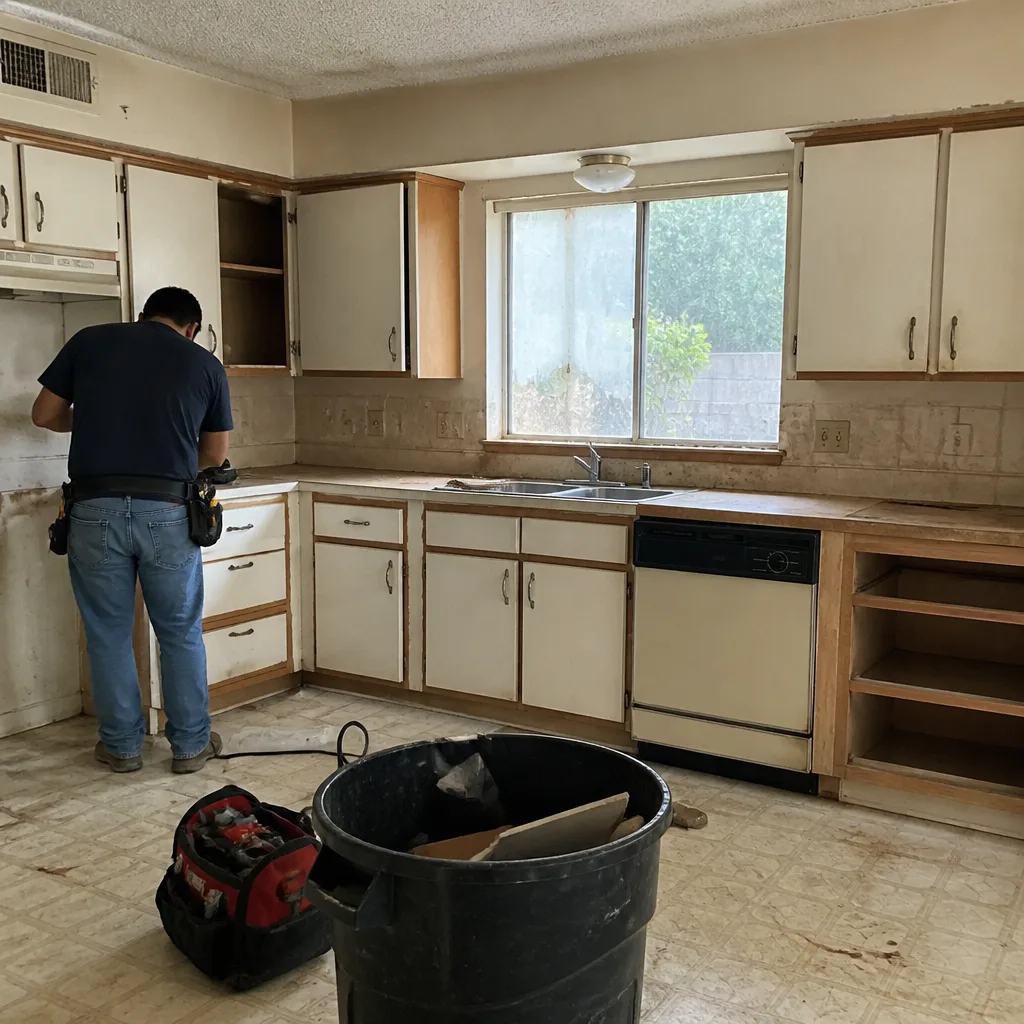 Before
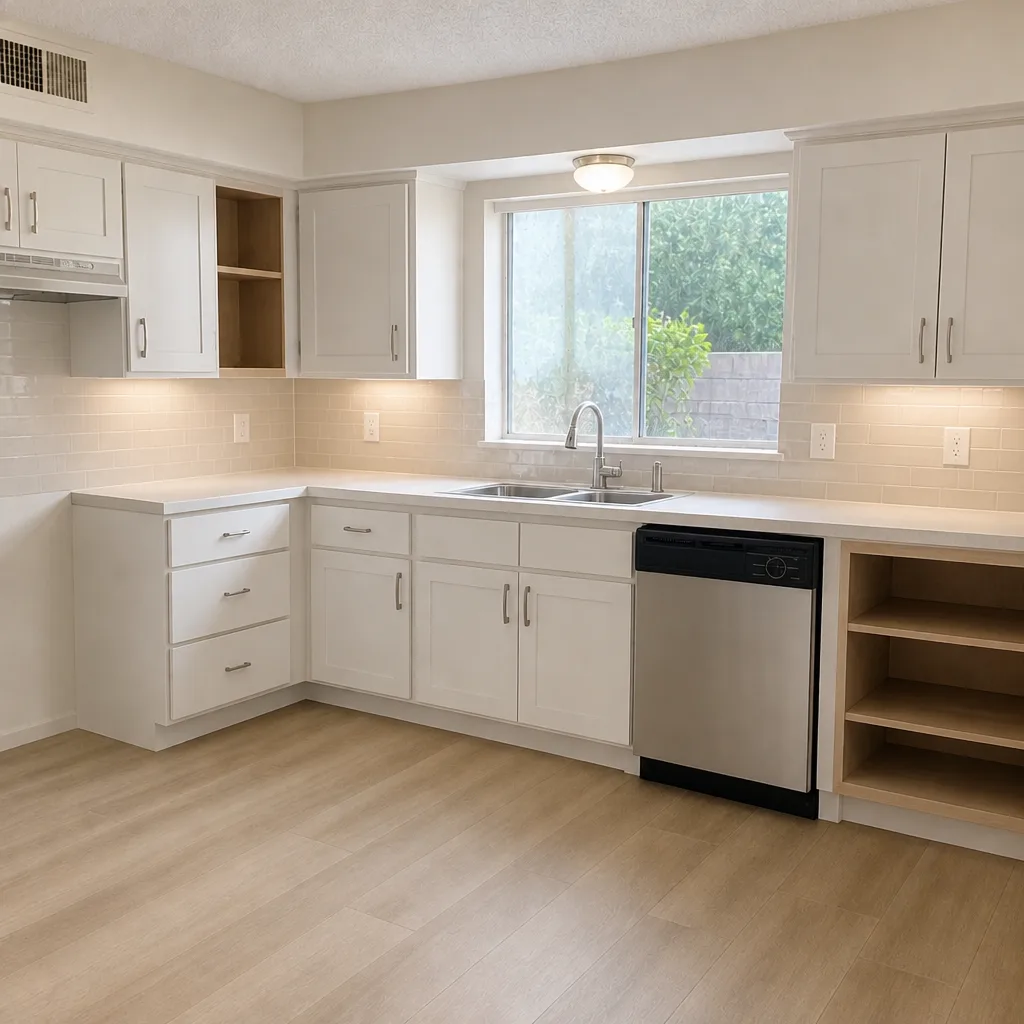 After
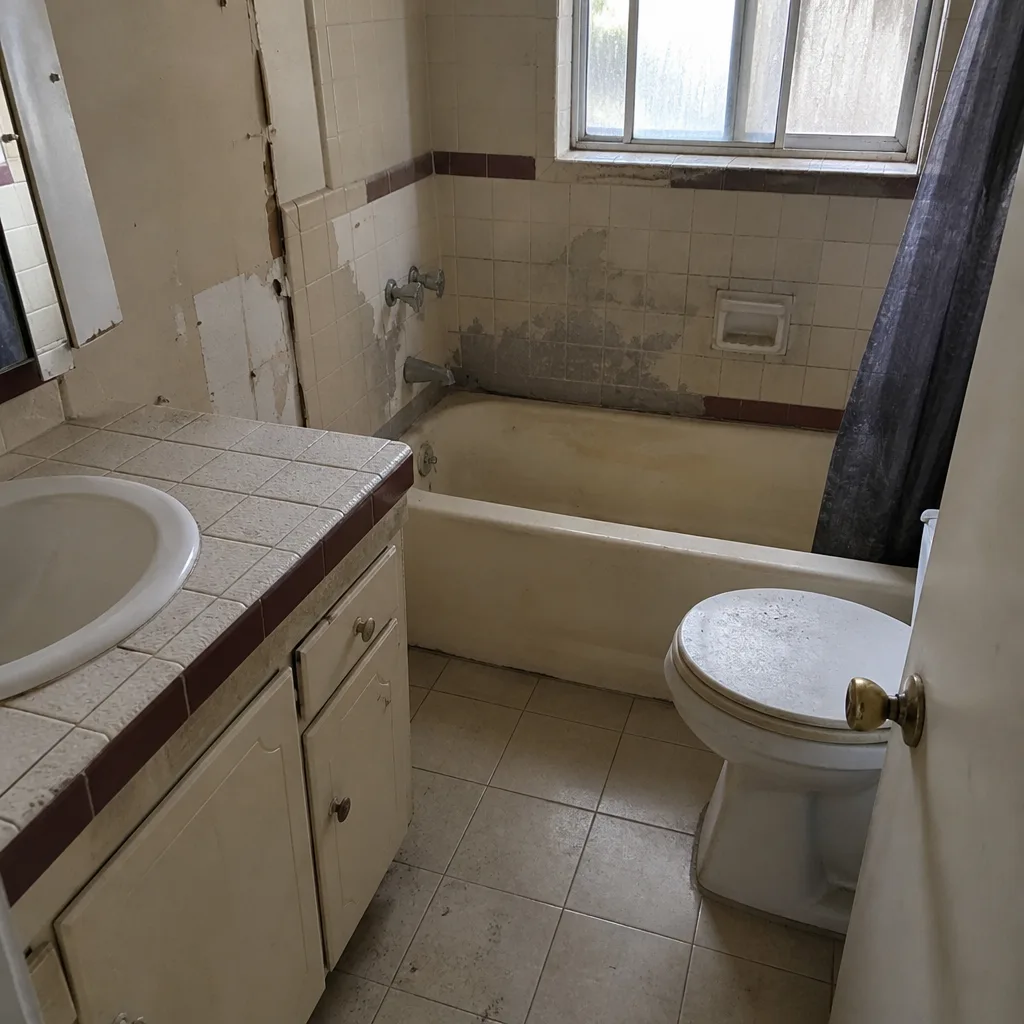 Before
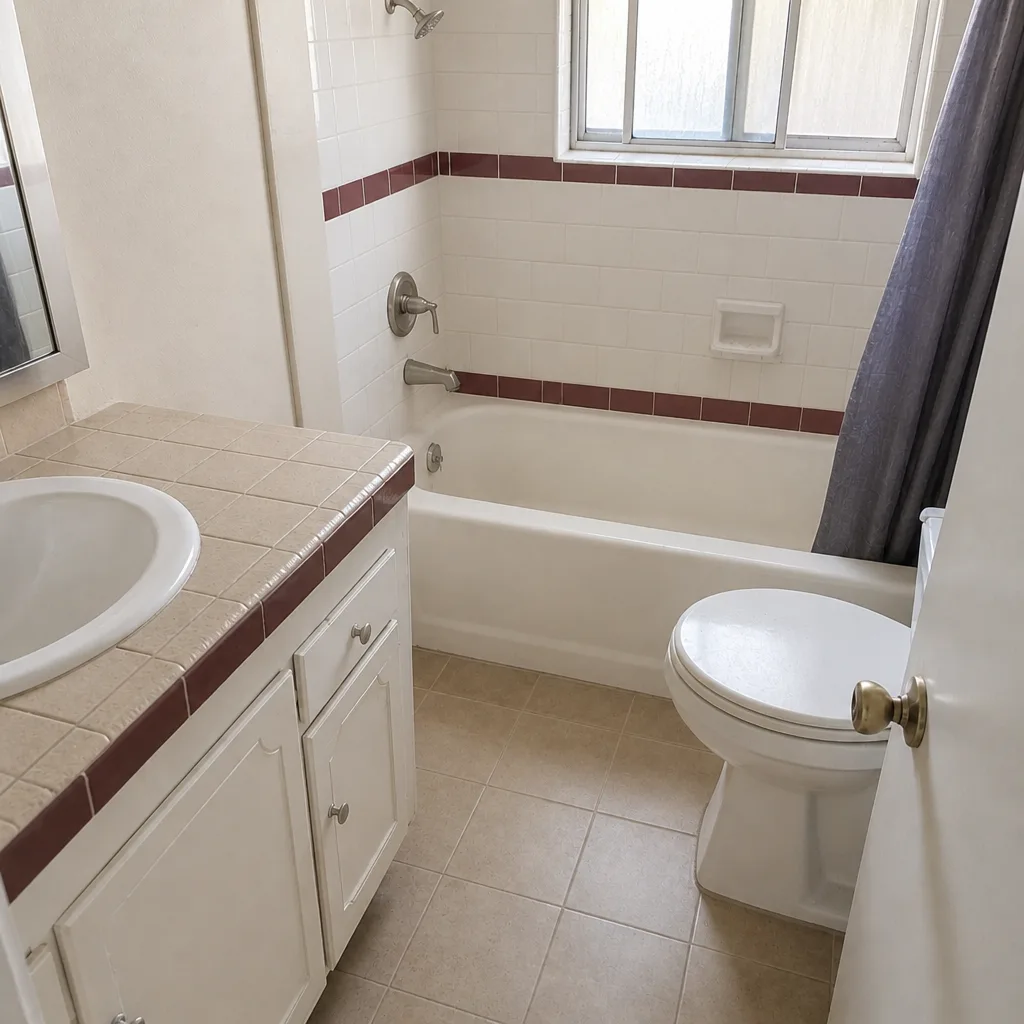 After
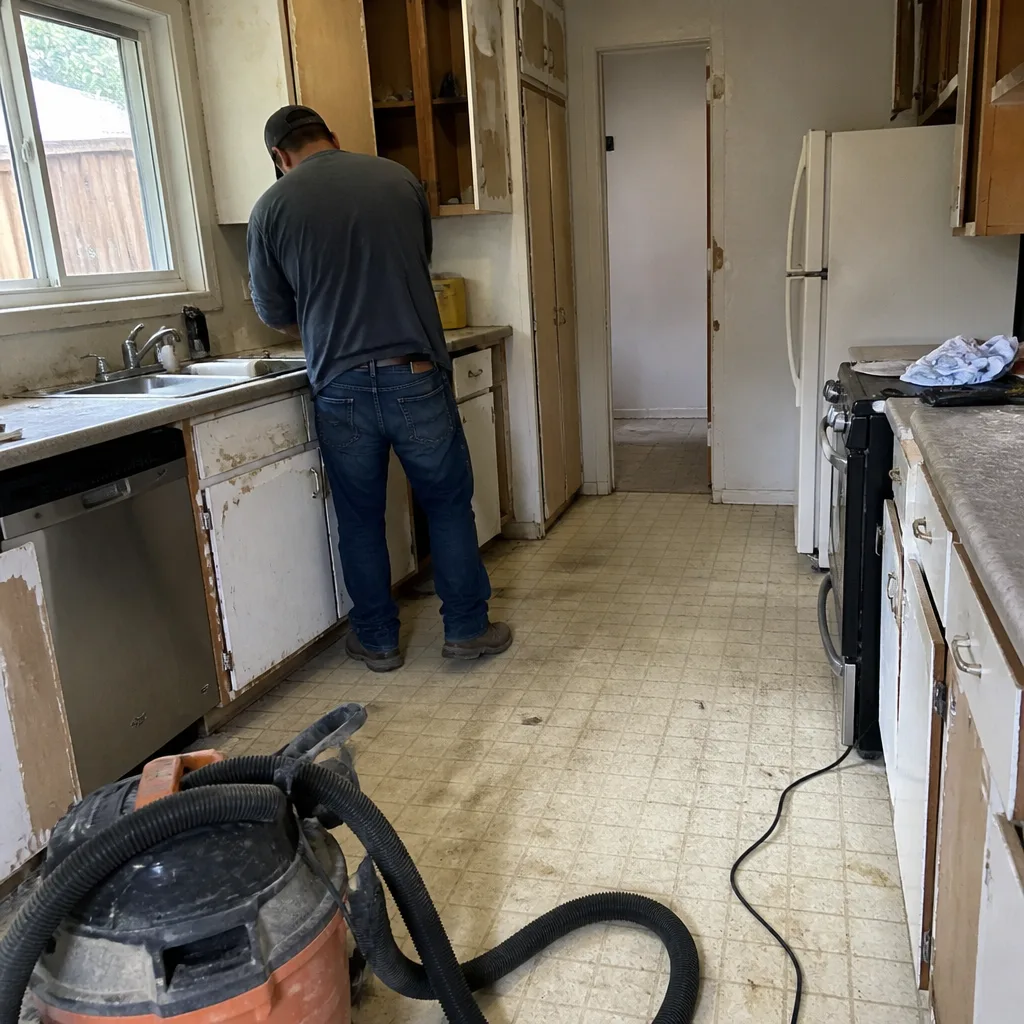 Before
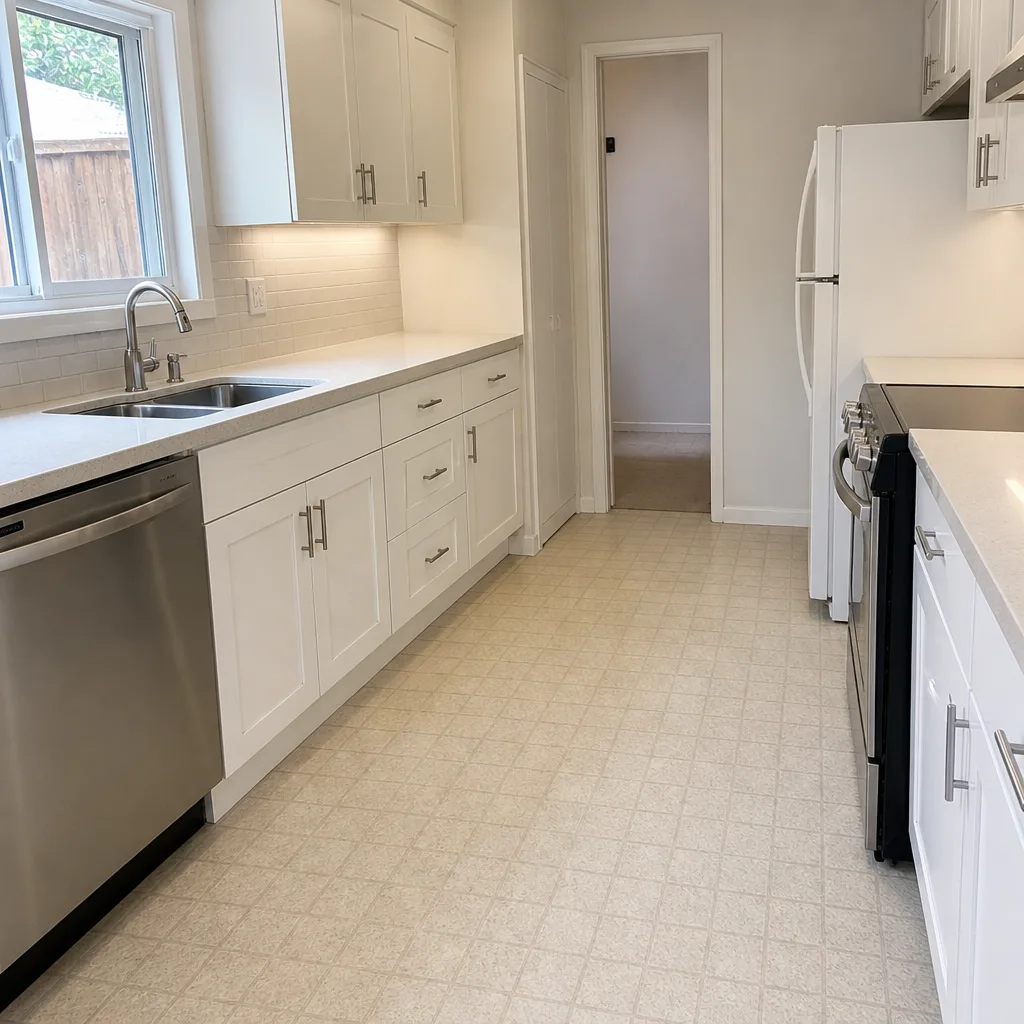 After
The Bottom Line
Window and door problems almost always start behind the symptom. Seasonal sticking is thermal movement; fog between panes is a failed seal; condensation on the frame is a humidity problem; and water at the sill usually entered at the head flashing. Fix the source, not the evidence, and the problem stays fixed. The three-point check and the repair-or-replace rules here will tell you what you’re dealing with before you spend money. When it’s structural, or when you want it done once and done right, a free estimate is the place to start. Let’s get it done right the first time and stand behind it with a written 90-Day Done Right Promise.
Contact
Ready to stop patching symptoms and fix the source? Barrett & Sons Construction Santa Clarita offers free estimates across Santa Clarita. We’re owner-operated, our technicians have up to 28 years of experience, and every eligible job gets permits pulled and inspections signed with a written change order before any scope change touches the job. Call (833) 762-8116 for your free estimate. Ask about our $40 Off Any Repair Over $200, Free Second Opinion on Any Written Estimate, No Trip Charge Inside the County, and our permanent 10% Senior & Veteran discount.
Written by the team at Barrett & Sons Construction Santa Clarita.