
Last updated November 16, 2026
 Fence
 Kitchen remodeling
 Bathroom remodeling
 Home additions & ADU
 Roofing
 Windows & doors
 Driveway & pavers
Free written scope consultation - allowances, timeline, and change-order rules on paper before a single trade is scheduled
Fence Installation Maintenance Schedule: What to Do and When
The cheapest fence maintenance you will ever do costs nothing but ten minutes: pull the soil and mulch back from the base of every wood post. Most homeowners never touch it. A post buried in damp mulch rots from the ground up while the rails above it still look fine, and by the time the wobble shows up, the post is gone. We’ve watched a six-year-old fence fail at the base across a Canyon Country backyard while the same wood in a drier spot twenty feet away was solid. This guide lays out what to do and when across a Santa Clarita year, how often wood here actually needs sealing versus what the can says, and what you can skip.
Quick Answer
In Santa Clarita, a wood fence needs sealing or staining every 2 to 3 years, an inspection after every Santa Ana wind event and after the first real rain of the season, and a post-base check at least twice a year. Vinyl needs a rinse once or twice a year and nothing else. That schedule, plus keeping soil off the post bases, is the whole job.
Styles & brands we work with
- Kitchen remodeling
- Bathroom remodeling
- Home additions & ADU
- Roofing
- Windows & doors
- Driveway & pavers
- Fence
Table of Contents
- Why Santa Clarita Demands Its Own Fence Schedule
- Spring: Before the Dry Season Bites
- Summer: The UV Test and What to Watch
- Fall: Santa Ana Winds and the First Rain
- Winter: The Quiet Repair Window
- How Often Wood Fences Actually Need Sealing Here
- Cleaning a Wood Fence Before Re-sealing
- What Vinyl Fence Maintenance Actually Requires
- Spotting Post-Base Rot Before It’s Structural
Why Santa Clarita Demands Its Own Fence Schedule
Santa Clarita is hard on wood in two directions at once. The summers bake with weeks of triple-digit heat and single-digit humidity, which pulls moisture out of the wood and opens hairline cracks along the grain. Then the Santa Ana winds roar through the passes and stress every joint on the windward side. Stevenson Ranch, Saugus, and the ridges above Newhall catch the worst of it. A fence that sits up there takes more lateral pounding in one October than a fence in a sheltered Valencia backyard sees all year.
Then winter arrives. Santa Clarita gets its rain in a short window, and a fence that dried and cracked all summer soaks up that moisture fast. Water finds those cracks, the wood swells, and the cycle repeats. It’s the wet-dry flip-flop, not any single season, that ages a fence here fastest.
So the schedule below isn’t generic. It’s built around the two forces that actually break fences in the Santa Clarita Valley: UV on one end, wind and winter water on the other. If your fence is wood, work the schedule. If it’s vinyl or ornamental metal, half of it won’t apply, and we’ll say which half.
Spring: Before the Dry Season Bites
Spring is your one chance to set the fence up before the heat and the wind do their work. Do these tasks in late March and April, before the first hot stretch.
- Clear the post bases. Pull soil, mulch, and leaf litter back from every post so you can see roughly two inches of bare post above grade. This is the free task from the opening. Damp material piled against a post holds water and invites rot, so clearing it adds years at zero cost.
- Inspect the fasteners. Walk the line and tighten or replace loose rail screws, pickets, and post caps. Anything a hard wind could grab needs to be snug before wind season.
- Check the gates. A sagging gate is usually a loose hinge or a hinge that pulled out of softening wood, not a failed post. Fix hinges now and the gate won’t drag all summer.
- Note the sealing window. If your fence is due for a coat, pencil it in for spring or early fall when wood is dry and the weather is mild. We’ll explain the timing in the sealing section.
Spring is also when you find last winter’s damage while it’s still small. A split rail or a leaning post caught in April is a repair. The same problem in July is usually a replacement. If the fence has more than a couple of failing sections, it may be smarter to look at Fence Installation in Santa Clarita than to chase repairs from year to year.
Summer: The UV Test and What to Watch
Santa Clarita summers aren’t the time for sealing. It’s too hot and too dry, and a stain applied in that heat can flash off before it soaks in, leaving a blotchy coat that fails early. Summer is a season for watching, not working.
What you’re watching for:
- Sun fade and gray wood. Wood that’s gone silver-gray on the sun-facing side has lost its finish. That’s the signal it’s time to re-seal, and the work should wait for the milder weeks of early fall.
- Warping and cupping. Pickets that curl at the edges on a hot afternoon may flatten again overnight, which is normal. Pickets that stay cupped after dark are drying unevenly and worth noting.
- Loose pickets. Heat expands the wood and loosens nails and screws. A monthly walk-and-push along the line in July and August catches them before a wind takes one off.
If you’re adding to your property this summer, timing matters too. A new Home Additions & ADU in Santa Clarita often means reworking the fence line and gates, and it’s far easier to plan that before framing than to patch it after.
Fall: Santa Ana Winds and the First Rain
Fall is the most important season on this schedule, and the one most homeowners overlook. The Santa Ana winds arrive from October on, and the first significant rain usually follows within weeks. Two checks bracket that window.
After any Santa Ana wind event
- Walk the windward side first. That’s where stress shows up.
- Push on posts and listen for a hollow sound or movement at the base.
- Look for popped screws, split rails, and pickets that look straight but are hanging by one fastener.
- Check the gate latch and hinges. Wind slams a gate harder than you ever will.
After the first real rain
- Look for puddling at post bases. Water standing against a post for two or three days starts the rot clock. If a spot drains poorly, redirect the runoff or add a little gravel so water moves away.
- Check the downhill side. In the hilly parts of Santa Clarita, from Newhall up through the canyons, water runs along the fence line and pools at the low posts. Those are the first to fail.
- Re-walk the windward side. Rain loosens fasteners that wind already worked loose.
Fall is also the best sealing window in this valley. Mild temperatures and dry wood let a stain soak in and cure properly. If your fence is due and you’ve been putting it off, early fall is the time to act.
Winter: The Quiet Repair Window
Winter is for repairs, not prevention. The wood is damp, the ground is soft, and it’s the one stretch when a crew can dig and set a post without fighting baked clay. Santa Clarita soil can get hard as concrete by July, so winter is genuinely the easier season for real structural work.
Use winter to:
- Replace rotted posts and rails. If the post-base check turned up soft wood, address it now while digging is easy.
- Reset a leaning post. Sometimes a post just needs re-setting or re-bracing, not replacing. Soft ground makes it possible.
- Fix drainage problems for good. If a low spot keeps a post wet, correct the grade or add gravel so next fall’s rain drains away.
- Plan the spring checklist. Jot down what you found this year so spring’s walk-through goes faster.
One caveat: don’t seal in winter. Damp wood and cool, wet weather keep a stain from bonding, and you’ll be redoing it in a year. Repairs in winter, sealing in spring or fall. Keep those two jobs in their own seasons and the fence holds up.
How Often Wood Fences Actually Need Sealing Here
Every 2 to 3 years is the honest answer for Santa Clarita, and that’s usually sooner than the product label suggests. Labels are written for a national average. They don’t account for our UV load. The sun here fades a finish faster than in most of the country, so a stain rated for five years often shows its age at three.
What moves the number:
- Sun exposure. A fully exposed west-facing fence in Valencia may need a coat every 2 years. A shaded fence under trees in Saugus can stretch to 3 or 4.
- Finish type. A good penetrating stain lasts longer here than a thin surface sealer that UV breaks down first.
- Wood species. Cedar and other tight-grained woods hold a finish better than softer, open-grained options. We install brands you can look up rather than mystery material, and the species matters as much as the finish.
A coat every 2 to 3 years, applied in spring or early fall, is the schedule that works. Skip the annual reseal some label directions imply. Recoating a fence that doesn’t need it wastes money and builds up a film that cracks.
Cleaning a Wood Fence Before Re-sealing
Prepping the fence right matters as much as the stain. Clean it wrong and you raise the grain or drive moisture in, and the new coat fails early. Here’s the method that works.
- Wash, don’t blast. Use a garden hose and a soft brush, or a pressure washer on a low setting held well back from the wood. A high-pressure blast furs up the grain and drives water into cracks.
- Use a wood-friendly cleaner. A commercial wood cleaner lifts dirt, mildew, and old finish residue without soaking the wood. Skip harsh bleach mixes that discolor the surface.
- Let it dry completely. This is the step people rush. In Santa Clarita’s dry air, a fence usually needs a few warm, dry days to fully dry. Test by touching the wood; if it feels cool and damp, wait.
- Stain or seal in mild weather. Apply in the 60s or 70s, not on a 100-degree afternoon, and follow the product’s coverage directions.
If the fence is new, give the wood a few weeks to dry before the first coat. Fresh lumber carries moisture from the mill, and staining it early traps that moisture under the finish.
What Vinyl Fence Maintenance Actually Requires
Vinyl needs far less than most people expect. There’s no sealing and no staining, ever. A rinse with a garden hose once or twice a year handles the dust and the occasional bird mess. That’s the whole job.
Two things do matter, though.
- Clean off desert dust and grime. Santa Clarita’s dry air and wind coat a white vinyl fence with a film that dulls it over a season. A soft brush and a mild soap solution on the worst spots keeps it bright.
- Check posts and panels after wind. Vinyl panels are light, and a strong Santa Ana gust can pop a panel out of its channel or loosen a post cap. A quick look after each big wind event catches it while it’s a one-minute fix.
Vinyl isn’t indestructible. It can crack in extreme cold and it fades slowly over many years, but it won’t rot at the base like wood. If you want a fence that barely asks anything of you in this climate, vinyl is a solid choice, and it’s worth weighing against wood up front. Our Fence Installation in Santa Clarita page covers both.
Spotting Post-Base Rot Before It’s Structural
Post rot starts underground, at the base, and works up. You won’t see it until it’s advanced. Two simple tests catch it early: the smell test and the screwdriver test. Do both twice a year, spring and fall.
The smell test
Kneel at a post base and smell the wood right at grade. Healthy wood smells like wood. A musty, earthy, mushroomy smell means rot is active in that post. Trust your nose here; it’s often the first sign.
The screwdriver test
Push a thin screwdriver into the post base about an inch to two inches above grade, at a spot the sun doesn’t hit. What comes back tells you the condition:
- The screwdriver won’t go in and the wood is hard: the post is sound.
- It goes in with firm resistance and the wood is solid: normal, healthy wood.
- It sinks in easily and the wood is soft or crumbly: rot is underway. That post is on its way to failing.
- It punctures through with little pressure: the post is gone below grade. It’s a structural problem and needs replacing, not patching.
Catch soft wood early and you’re looking at one post and a repair. Catch it late and the fence section comes down. That’s why the free ten-minute base-clearing task from the top of this guide matters so much: clearing the base lets you run both tests and keeps the wood dry between checks.
Common Mistakes to Avoid
- Sealing in the heat of summer or the damp of winter. Santa Clarita summers flash the finish off before it soaks in, and winter’s damp wood won’t bond. Stick to spring or early fall.
- Pressure-washing too hard. A high-pressure blast furs the grain and drives water into the wood. Wash gently and let the fence dry.
- Piling mulch against the posts. It looks tidy and it’s the fastest way to rot a post base. Keep the material pulled back two inches.
- Skipping the wind-walk after a Santa Ana event. The damage is small right after the wind and expensive a week later. Walk the windward side while it’s fresh.
- Ignoring the smell test. If a post base smells musty, treat it as rot until the screwdriver test proves otherwise.
- Re-staining on a schedule instead of on condition. Recoating a fence that doesn’t need it builds a film that cracks and peels. Check the wood, don’t just count years.
- Treating a hollow post as a patch job. A screwdriver that pushes through means the post is gone below grade. It needs replacing before it takes the section with it.
See the difference
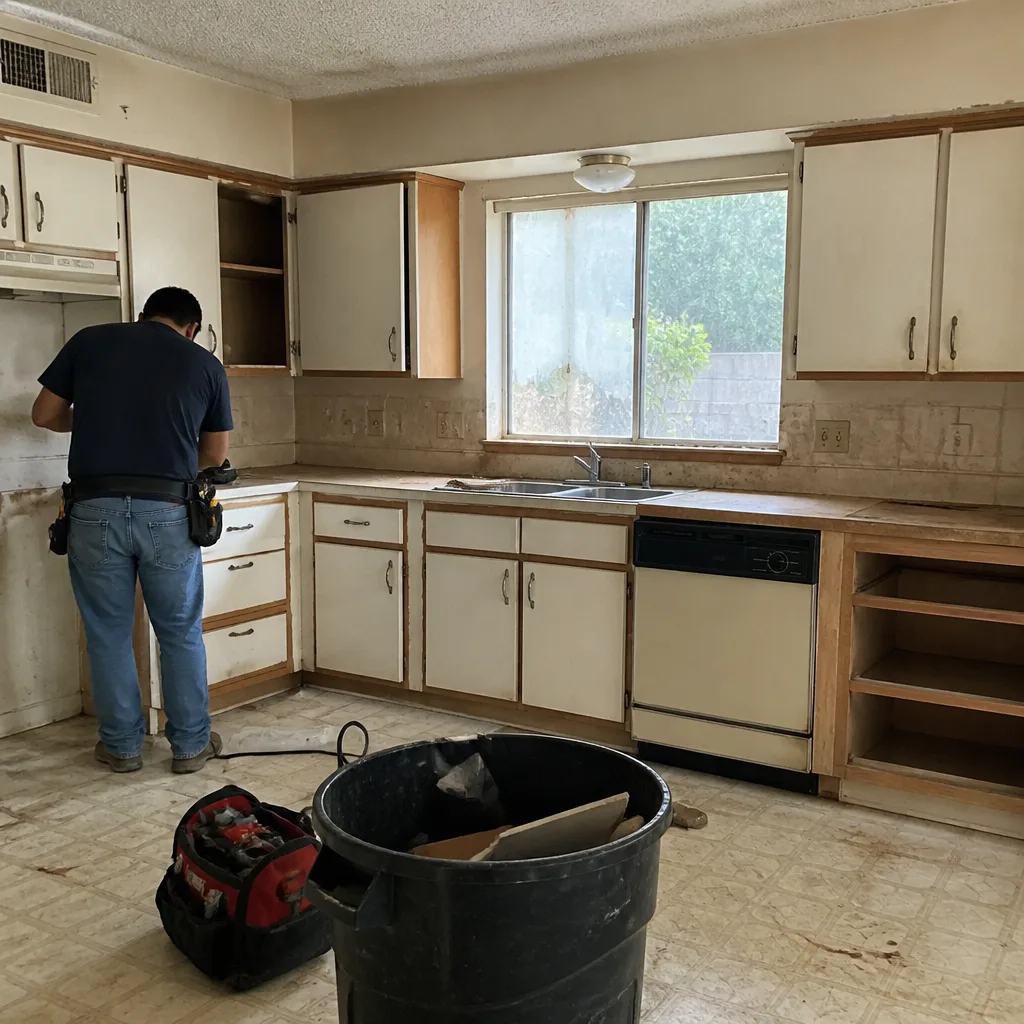 Before
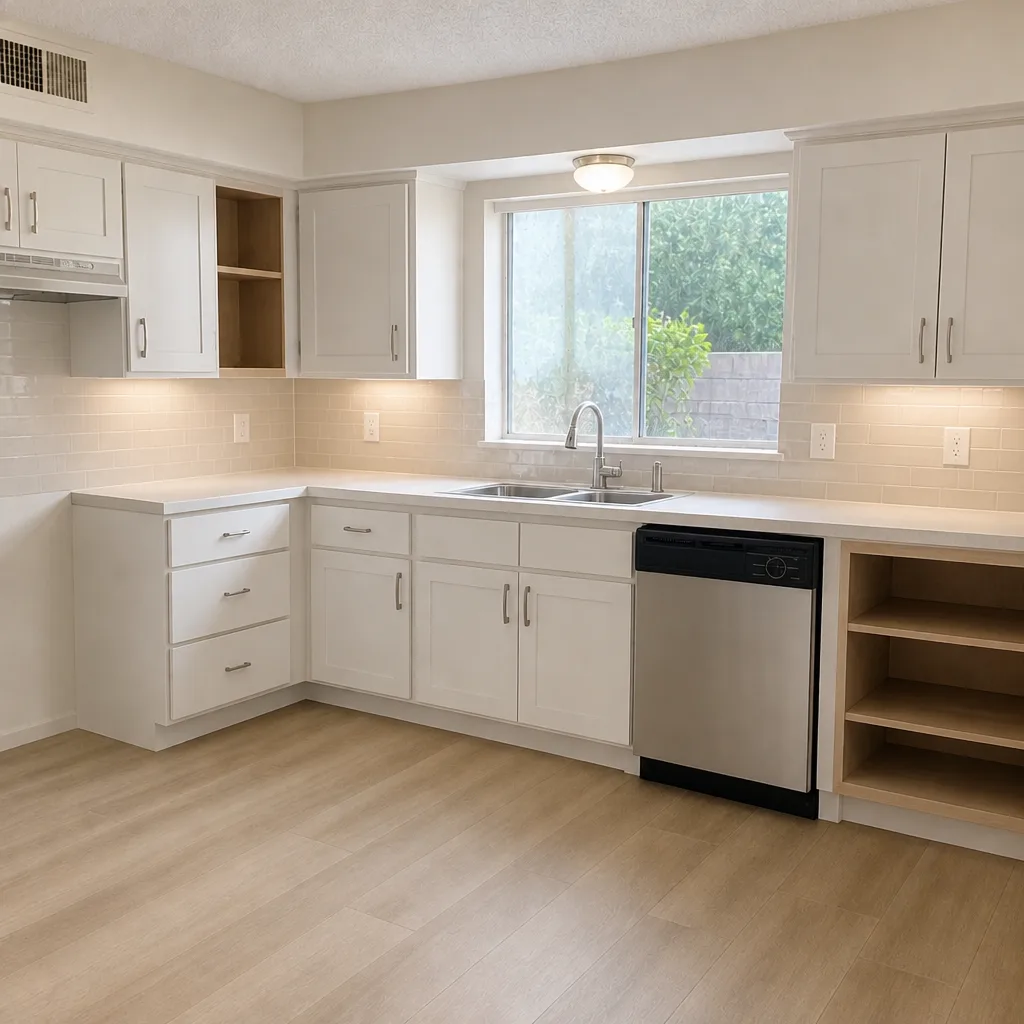 After
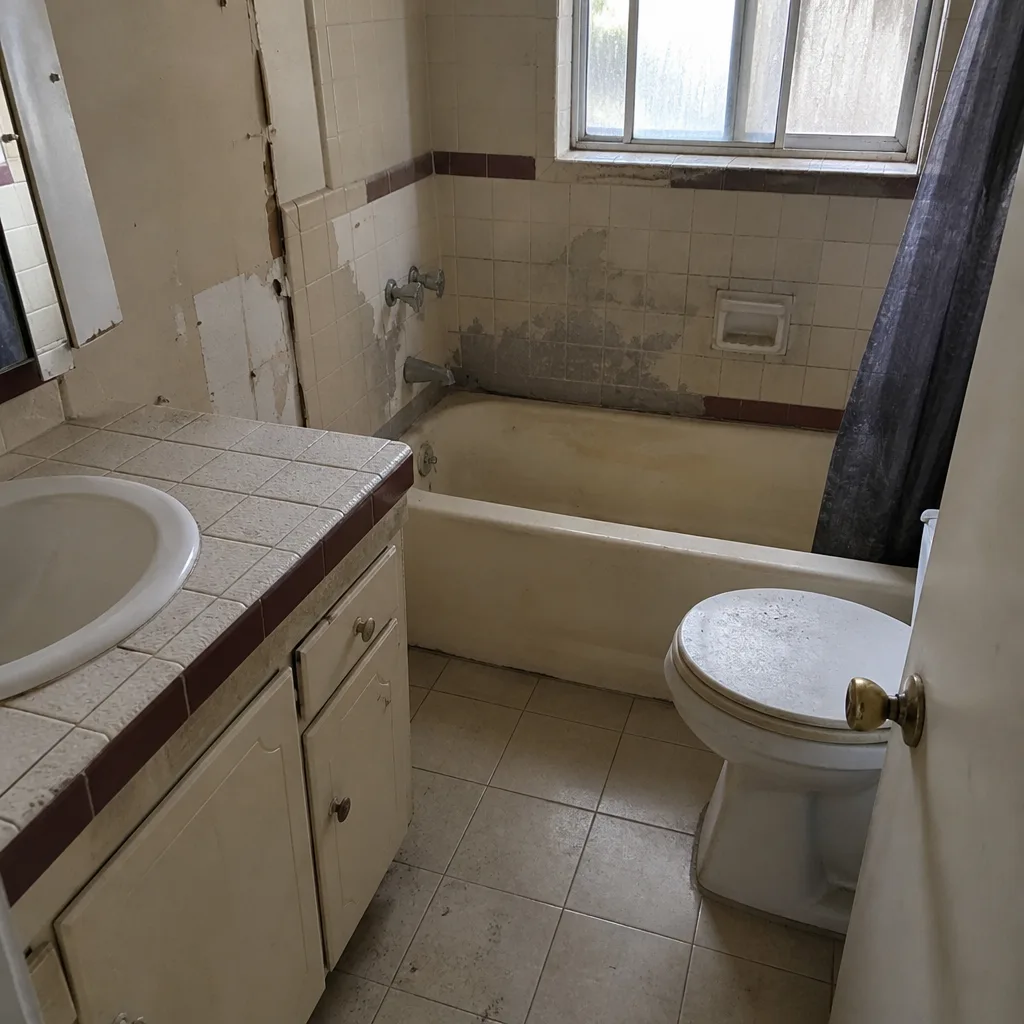 Before
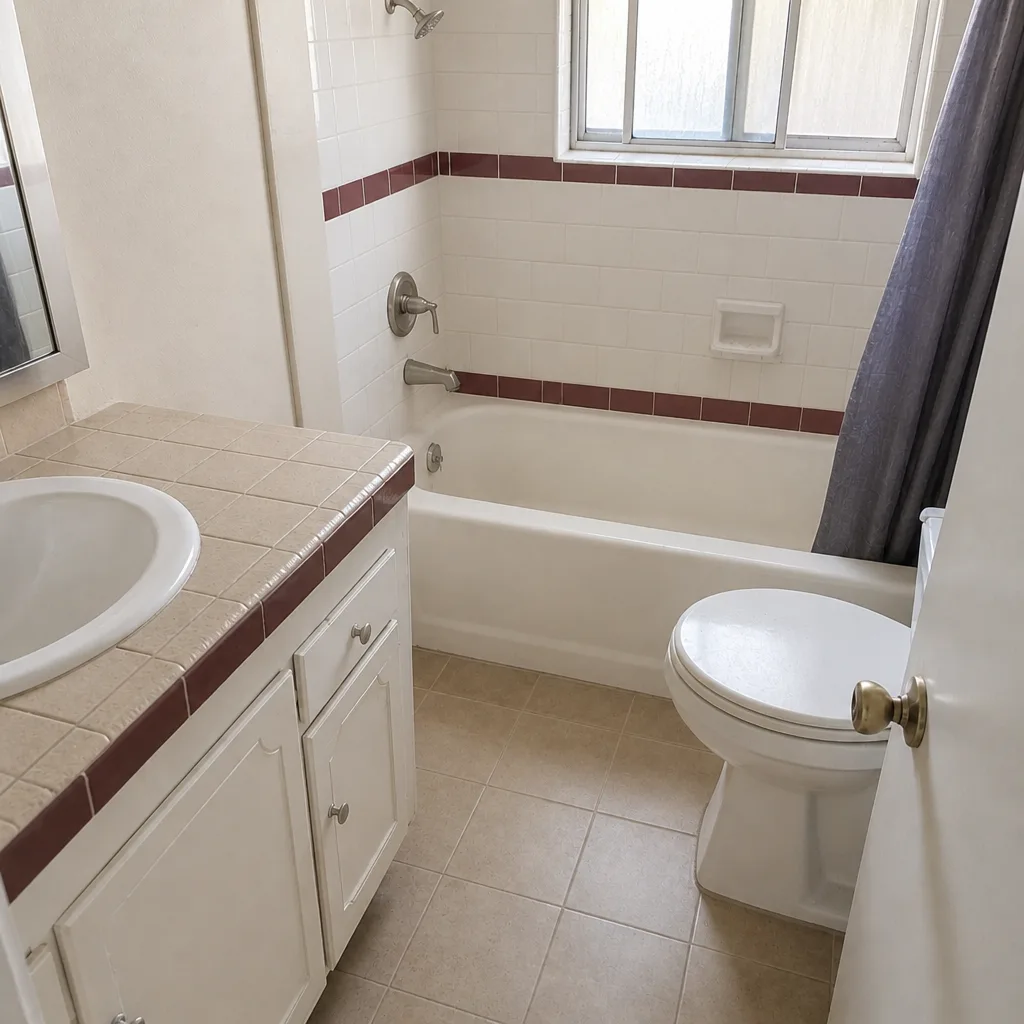 After
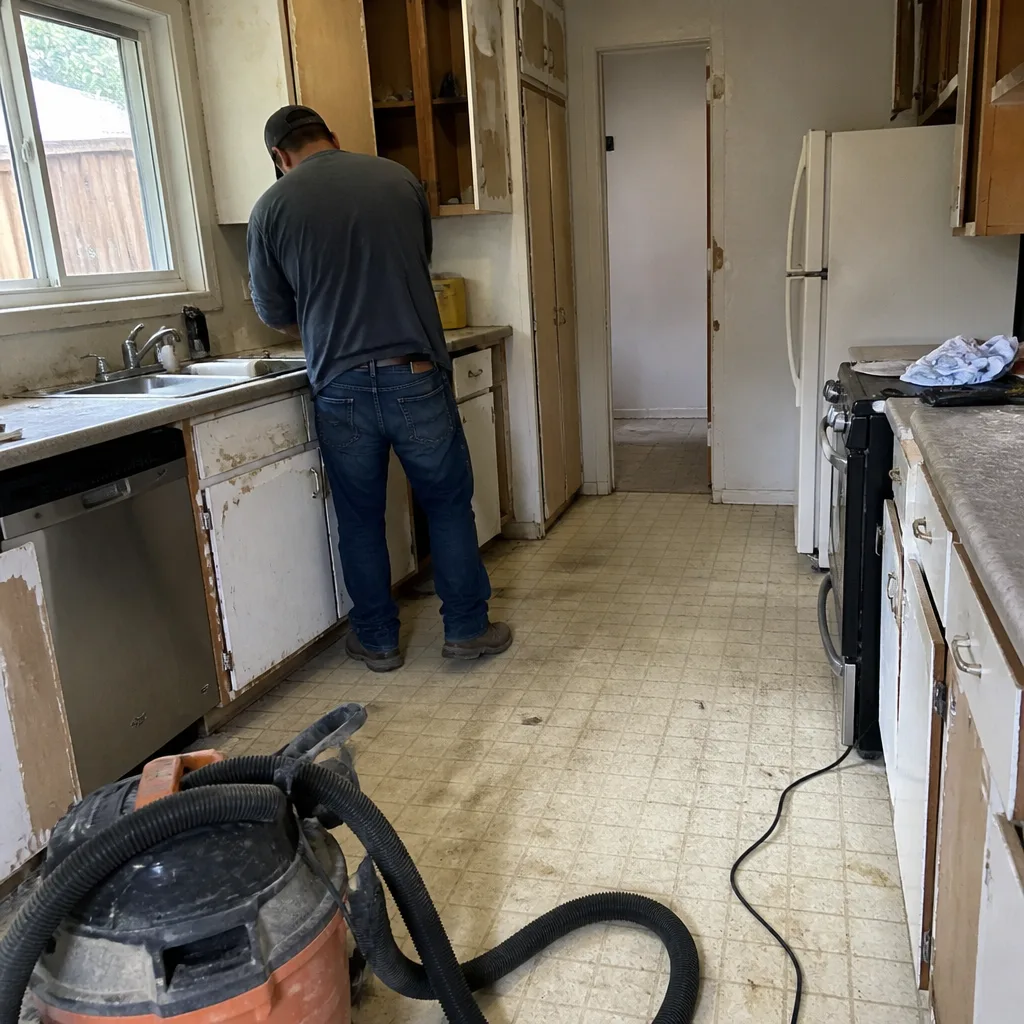 Before
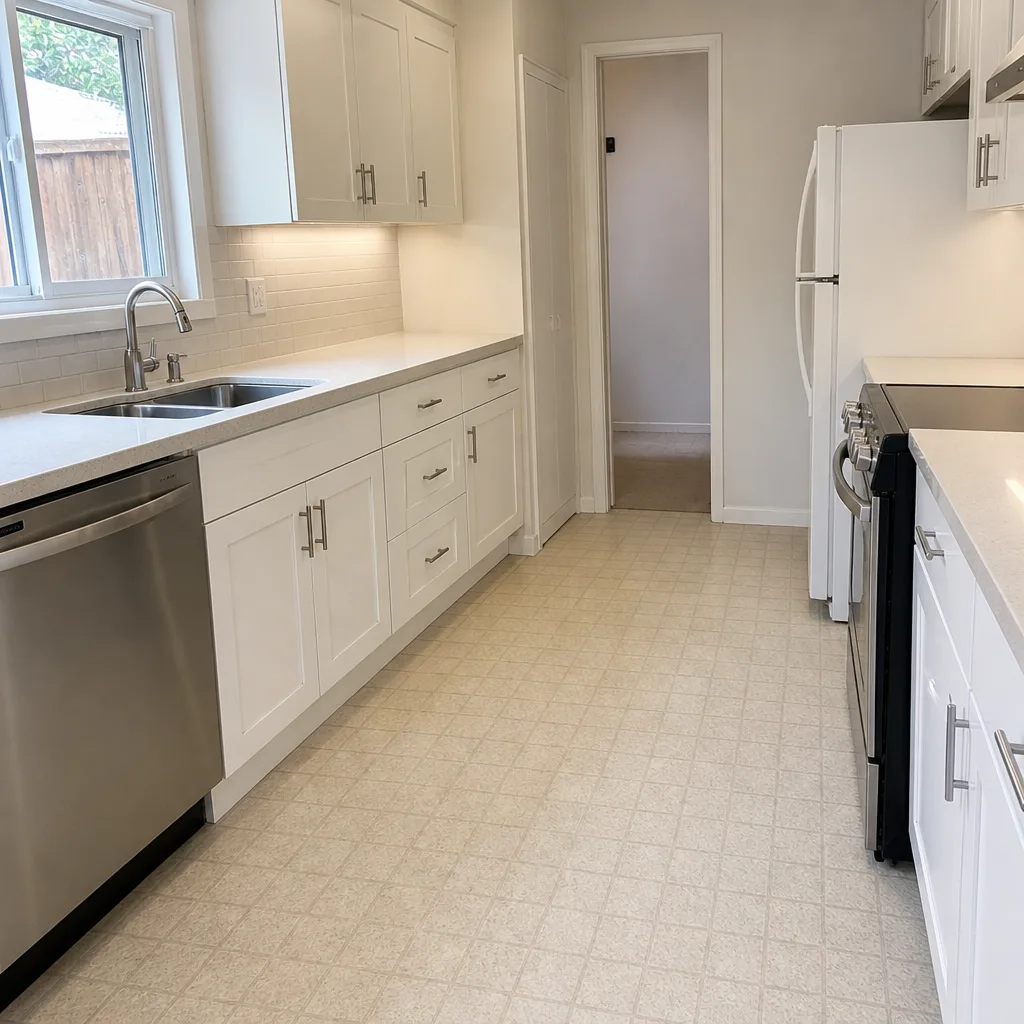 After
When to Call a Professional
Some fence problems are yours to handle, and some want a trained eye. Call a professional when a post fails the screwdriver test and pushes through with little pressure, when a stretch of fence leans after a wind and won’t reset, when several posts are soft at the base at once, or when the wood has passed the point of resealing and needs replacing. Structural post work, on a fence that holds the line of your property and keeps animals and kids in, is worth getting right. In our experience across Santa Clarita, a fence that fails in more than a couple of spots is usually telling you it’s time for new rather than repair. Barrett & Sons Construction Santa Clarita offers free estimates and pulls permits on eligible jobs, so you get a written scope before anything starts. Call (833) 762-8116 to schedule yours.
Frequently Asked Questions
Every 2 to 3 years in Santa Clarita’s climate, applied in spring or early fall. The valley’s intense UV fades a finish faster than the national average the product labels are written for, so a stain rated for five years often shows its age at three.
Clear the soil and mulch away from the base of every wood post so a couple of inches of bare wood shows. Damp material against a post holds water and starts rot, and pulling it back adds years to the post’s life at zero cost. Do it each spring and fall.
No. Give new wood a few weeks to dry before the first coat, because fresh lumber carries moisture from the mill and staining it early traps that moisture. Then seal in mild weather once the wood is fully dry.
Count on 2 to 3 years, not five, in Santa Clarita. The label’s lifespan assumes average sun. Check the wood itself; sun-bleached, silver-gray pickets mean it’s time, regardless of how many years it’s been.
Use the smell test and the screwdriver test. If the base smells musty and a screwdriver sinks in easily and the wood is soft, rot is underway. If it pushes through with little pressure, the post is gone below grade and needs replacing.
Very little. Rinse it with a garden hose once or twice a year to clear desert dust, and check posts and panels after a Santa Ana wind event for popped panels or loose caps. There’s no sealing or staining, and it won’t rot at the base like wood.
The Bottom Line
A wood fence in Santa Clarita doesn’t need much, but it needs the right tasks at the right time. Clear the post bases every spring and fall, run the smell and screwdriver tests on the posts, walk the windward side after every Santa Ana wind and after the first rain, and seal every 2 to 3 years in spring or early fall. Do the structural repairs in winter when the ground is soft. Vinyl asks only for a rinse and a post-wind check. Skip the annual reseal and the high-pressure blast; they cost money and don’t help. One focused hour at the right time each season will outlast a fence that’s left alone until something breaks. If the work gets past what you want to handle yourself, give us a call. It’s the kind of thing our crew members have been doing for a long time, and it’s why we put our name on it.
For a written estimate and a clear plan, Barrett & Sons Construction Santa Clarita is glad to help. Start from our Barrett & Sons Construction Santa Clarita home, and when the fence line turns into a bigger yard project, look at Driveway & Pavers in Santa Clarita so the whole approach comes together in one plan.
Call (833) 762-8116 for a free estimate.
Written by the team at Barrett & Sons Construction Santa Clarita.