
Last updated November 16, 2026
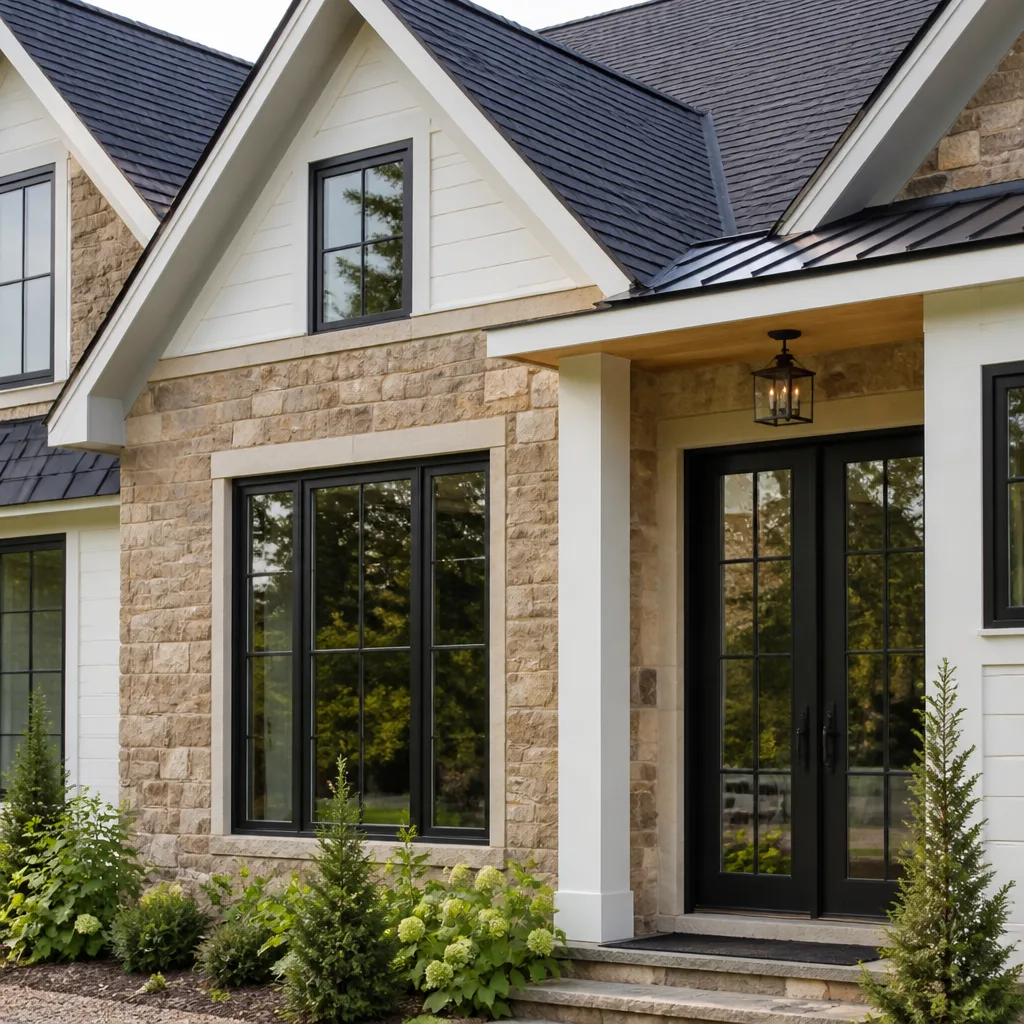 Windows & doors
 Kitchen remodeling
 Bathroom remodeling
 Home additions & ADU
 Roofing
 Driveway & pavers
 Fence
Free written scope consultation - allowances, timeline, and change-order rules on paper before a single trade is scheduled
How Long Does Windows & Doors Take? Timelines and What to Expect
A single window replacement takes about three hours on install day. It can also take six weeks from signed contract to finished job if the window you picked has to be built first. Both are normal. The problem is that a lot of quotes only tell you the second number, and that’s where the scheduling disappointment starts. If you’re planning a project in Santa Clarita, knowing which timeline you’re on before you sign changes how you schedule your life around the crew being in your house. This guide breaks down material lead time versus install time, per-opening labor by window type, whole-house sequencing, and the honest reasons projects run long.
Quick Answer
Window and door replacement takes two separate timelines. Material lead time runs from a few days for in-stock sizes up to six to twelve weeks for custom or built-to-order units. Installation itself is usually three to six hours per window and four to eight hours per exterior door, so a whole-house job of ten to fifteen openings typically runs one to three days of actual labor. Total calendar time from signature to final inspection is usually two to eight weeks for in-stock, and two to four months for custom.
Styles & brands we work with
- Kitchen remodeling
- Bathroom remodeling
- Home additions & ADU
- Roofing
- Windows & doors
- Driveway & pavers
- Fence
Table of Contents
- The Two Timelines You Have to Track Separately
- In-Stock vs. Custom Lead Times: What’s Realistic
- How Long Does Each Window Type Take to Install?
- Whole-House Replacement: Sequencing and Daily Disruption
- How Long Do Exterior Doors Take?
- Permits and Inspections in Santa Clarita
- What Actually Causes a Project to Run Over Schedule
- How to Write a Contract That Handles Delay Honestly
The Two Timelines You Have to Track Separately
Every window and door project runs on two clocks at once. The first is material lead time, meaning how long it takes the manufacturer to get your specific units to the job site. The second is installation time, meaning the labor hours the crew spends on your house. These two clocks are independent, and a quote that only tells you installation hours isn’t lying, it’s just incomplete.
Here’s why it matters. A homeowner hears “about three days” and plans a kitchen remodel right after. Then the Andersen order arrives in week seven instead of week three, and the kitchen gets pushed back by a month. Or the reverse: the homeowner expects six weeks, the metric-size Marvin units come in stock, and the crew wants to install next Tuesday, which feels too fast to trust. Neither reaction is wrong. The information gap is what’s wrong.
Ask for both numbers in writing, before the contract:
- Material lead time: a specific range in weeks from order placement to delivery at the job site, and confirmation of which brands and series drive that range.
- Installation time: a daily labor estimate per opening and a total crew-day count for the whole job.
- Permit and inspection window: the additional days to cover Santa Clarita permit review and the final inspection before signoff.
- Buffer: a written acknowledgment of what happens if either clock slips.
Once you have those four numbers in writing, you can actually plan. The projects that surprise homeowners aren’t the long ones. They’re the ones where nobody said “long” until the deposit was already cashed.
In-Stock vs. Custom Lead Times: What’s Realistic
Most windows people imagine are in stock everywhere aren’t. Only the common metric sizes and standard configurations sit in regional distribution. Everything else is built to your measurement. That single fact separates a fast project from a slow one more than any other variable.
What generally sits available in regional distribution, ready in a few days to two weeks:
- Standard single-hung and double-hung vinyl units in common widths (roughly 24, 30, 32, 36 and 48 inches) and common heights.
- Sliding vinyl windows in standard sizes.
- Basic aluminum slider and fixed units for common openings.
- Stock exterior steel and fiberglass doors in standard widths and heights.
What’s typically built-to-order with a four to twelve week lead time:
- Casement and awning windows in non-standard sizes.
- Picture windows and large glass panels, especially anything over five feet wide.
- Andersen and Marvin units with a specific wood finish, factory trim, or grille pattern.
- Bay, bow, and multi-panel configurations.
- Custom exterior doors, particularly wood with a specific stain, sidelights, or transom.
The brand and series matter here. A builder-grade Andersen 100 series in a common size is much faster than a Marvin Signature unit with factory finish. When we quote a job in Santa Clarita, we tell customers which specific configuration drives the timeline, so they can decide whether a common size at the same view is worth two fewer months of waiting. It often is. Sometimes it isn’t.
How Long Does Each Window Type Take to Install?
Installation time on the day of work varies more by opening than by brand. A 30-inch single-hung in a clean opening takes a couple of hours. A picture window on the second story with rotted framing and a tight access path can take most of a day. The per-opening ranges below reflect normal replacement work, not new construction.
- Single-hung or double-hung: 2 to 3 hours per opening. These are the fastest swap; the frame is typically retained and the sashes come out cleanly.
- Casement or awning: 3 to 4 hours. Crank hardware, hinge adjustment, and a careful check for square add time.
- Sliding: 2 to 3.5 hours. The track is the whole game; if the existing sill is out of level, budget an extra hour.
- Picture / fixed: 3 to 5 hours. Large glass is heavy, needs two-person lift, and takes careful shimming on bigger openings.
- Bay or bow: 6 to 10 hours. These are almost always a two-day build, and they often need rough framing work plus stucco patching around the new unit.
Three variables push every one of these toward the top of the range:
- Accessibility. A ladder up to a narrow second-story window with a corner fence in the way adds an hour to set up and an hour to break down. Windows above the ground floor also need extra care with fall protection.
- Story height. First-floor installs are quick. Second-floor installs add real time for lifting, tie-off, and re-grading the exterior.
- Existing frame condition. A clean frame is quick. Dry rot, termite damage, or a previous install that’s out of square will show up at demo. In Santa Clarita, we see more of this on north-facing walls and older ranch homes in Newhall and Saugus, where 1960s-era window frames have been patched around more than once.
Whole-House Replacement: Sequencing and Daily Disruption
A whole-house window replacement works differently from a single-opening job, and the difference matters for how you plan. We work rooms in order, close up each opening fully before starting the next, and try to leave you with at least one working window and one usable exterior door in each bedroom at the end of every day.
A typical 10 to 15 opening Santa Clarita home sequences like this:
- Day 1, morning: walkthrough and staging. Crew confirms each opening against the written scope, lays drop cloths, covers furniture, and stages materials in the driveway or garage.
- Day 1, afternoon through Day 2: primary living areas. Front-facing windows and the largest glass units go first while energy and daylight are high.
- Day 2 or 3: bedrooms and harder-access units. Second story and narrow-access windows take longer, so we schedule them when the crew has the full day.
- Final day: exterior sealing, trim touch-up, stucco patching, and cleanup. If a permit is required, this is when the site is ready for inspection.
What daily disruption looks like: the crew typically works 8 a.m. to 4 p.m. There’s noise during demo, and a room is unusable for a few hours while its window is out. Rooms not being worked on stay live. Most families stay in the house the whole time. If you have pets or work from home, plan the noisiest room around a lunch break or a trip to the store. For a look at how this sequencing applies to bigger projects, our guide on Home Additions & ADU in Santa Clarita covers how crews phase work room by room on more involved jobs.
How Long Do Exterior Doors Take?
Exterior door replacement is usually a longer single-day job than most people expect. A standard pre-hung exterior door runs four to six hours, and anything with sidelights, a transom, or a custom wood unit can go to a full day or more. The door slab itself is fast. The trim, threshold, and weather sealing around it are what takes time.
What actually drives the door timeline:
- Pre-hung vs. slab: pre-hung units install into the existing opening and close up in a day. A slab door rehanging into an existing frame is faster but requires a jamb that’s still true, which is less common in older homes.
- Opening condition: a door opening that has been re-hung twice has a jamb that’s out of square. That adds two hours, sometimes more if the rough framing under it has swollen from past water intrusion.
- Custom order: wood doors, sidelights, and any factory finish typically land in the four to ten week material range.
- Sliding patio doors: typically six to eight hours. The threshold is the working part; if the floor transitions need to be rebuilt, budget a second day.
For most Santa Clarita homes, a stock fiberglass exterior door in a standard 36-inch width is a single-day project with a week or two of lead time. A custom wood door with factory stain and sidelights is a month or two of lead time plus a long install day. Both are worth doing right. They are not the same project.
Permits and Inspections in Santa Clarita
Most straight window replacement in Santa Clarita doesn’t require a building permit, but the change won’t be as simple as swapping like-for-like. Permit requirements depend on what’s changing:
- Like-for-like replacement (same size and location, same operation type) generally does not need a permit, but check with the city before you sign; requirements have tightened in some jurisdictions since the 2022 energy code updates.
- Enlarging an opening or changing the size, type, or number of windows almost always requires a permit, because the structural header and egress requirements come into play.
- Window replacement in an area with a required egress route (bedrooms especially) triggers a permit and inspection to verify the opening meets current egress width and height.
- Exterior door replacement follows the same logic; a same-size swap is often permit-free, but adding a new exterior opening or a sliding door in a new location needs a permit and inspection.
Budget two to four weeks for permit review in Santa Clarita on jobs that need one, plus scheduling time for the inspection after install. If you’re in unincorporated Los Angeles County near Castaic or Agua Dulce, review runs through the county building department and typically takes a similar window. The permit inspector works for you, not for us. That’s why we pull permits and get inspections signed on every eligible job, even when a homeowner says the last contractor told them permits were optional.
What Actually Causes a Project to Run Over Schedule
Projects slip for three reasons that have nothing to do with the crew being slow. Knowing them upfront is how you build a contract that handles delay honestly instead of blaming someone after the fact.
1. Damage discovered at demo. Once the old window comes out, the framing underneath is visible for the first time. Dry rot, termite damage, a header that’s undersized, or a previous install with no flashing are all things nobody could see through the drywall. On a Santa Clarita home in Newhall that was last re-windowed in the 1980s, there’s a decent chance at least one opening in the run has a surprise. That’s a one to two day add if the framing needs rebuilding and stucco patching.
2. Re-orders. If a measurement was off, or a unit arrives damaged from the factory, that opening goes back into the manufacturer’s queue. This is the reason accuracy on the first measurement matters more than anything else in a window project. A good measure day takes longer than most homeowners expect. It’s worth the extra hour.
3. Inspections. If a permit and inspection are required and the inspection fails for any reason, the schedule pushes. Most failures we see are simple: egress not meeting current code, flashing details not visible, or a nailing schedule that doesn’t match the manufacturer’s install instructions. None of these are dangerous. All of them cost a week.
What you can do: ask for a written change order any time the scope changes, including a framing rebuild, a reorder, or an added inspection. Every price change should arrive in writing before the work proceeds. An allowance that isn’t on paper is a surprise waiting for a date, and that principle applies to window and door projects exactly as it does to a kitchen.
How to Write a Contract That Handles Delay Honestly
A good window and door contract spells out the two timelines, the change order process, and what happens if either side delays the job. Here’s what to insist on before you sign:
- Line-item scope. Every opening listed separately, with the specific brand, series, size, and glass package for each.
- Material lead time in writing. A range in weeks, plus the specific configuration that drives it.
- Installation schedule. Crew-day count and daily working hours.
- Permit responsibility. Who pulls it, who pays for it, who pays if it has to be pulled twice.
- Change order clause. Any scope change, price change, or added framing work arrives as a written change order before the work proceeds. No verbal approvals.
- Warranty terms. Manufacturer warranty and workmanship warranty, both in writing.
- Completion guarantee. What the contractor commits to if something goes wrong after the job is closed. Our version is a 90-Day Done Right Promise, written on every construction contract: if it’s not right, we come back and make it right with one call.
If you’re evaluating a written bid from another contractor, we’ll give you a free second opinion on it, line by line, before you sign. That’s one of our standing offers, and it’s honest to say it costs nothing.
Common Mistakes to Avoid
- Comparing quotes that only show install time. Two bids with the same “3 days” number can be eight weeks apart in total calendar time once lead times are included. Always ask for the material delivery week in writing.
- Choosing a window series before confirming it’s in stock or in current production. A discontinued or special-order series can add a month. Verify the specific look and glass package is in the manufacturer’s current catalog.
- Skipping the measure day. An under-measured opening means a reorder, and a reorder means four to twelve weeks added while the other windows sit installed. Ask who does the final measurement and when.
- Assuming permits are never needed. Enlarged openings, egress windows in bedrooms, and new exterior door locations in Santa Clarita need a permit. A contractor who says “we’ll skip the permit, it’s faster” is telling you something about every other job they’ve done.
- Scheduling landscaping or painting right after installation. Stucco patching around new windows needs to cure before painting, and exterior painting in Santa Clarita’s dry summer heat cures fast but needs a couple of days of buffer. Don’t book the painter for the next morning.
- Ignoring HOA or neighborhood architectural review. In communities like Stevenson Ranch, Valencia, and parts of Saugus, exterior door colors and window styles with divided lites need architectural committee approval before the order goes in. That review itself takes two to four weeks and can collapse a tight timeline.
- Paying the full amount up front. A deposit tied to material order is normal. Paying the whole job before the last window is installed is not. Progress payments tied to written milestones protect you, and any contractor worth hiring will offer them without being asked.
See the difference
 Before
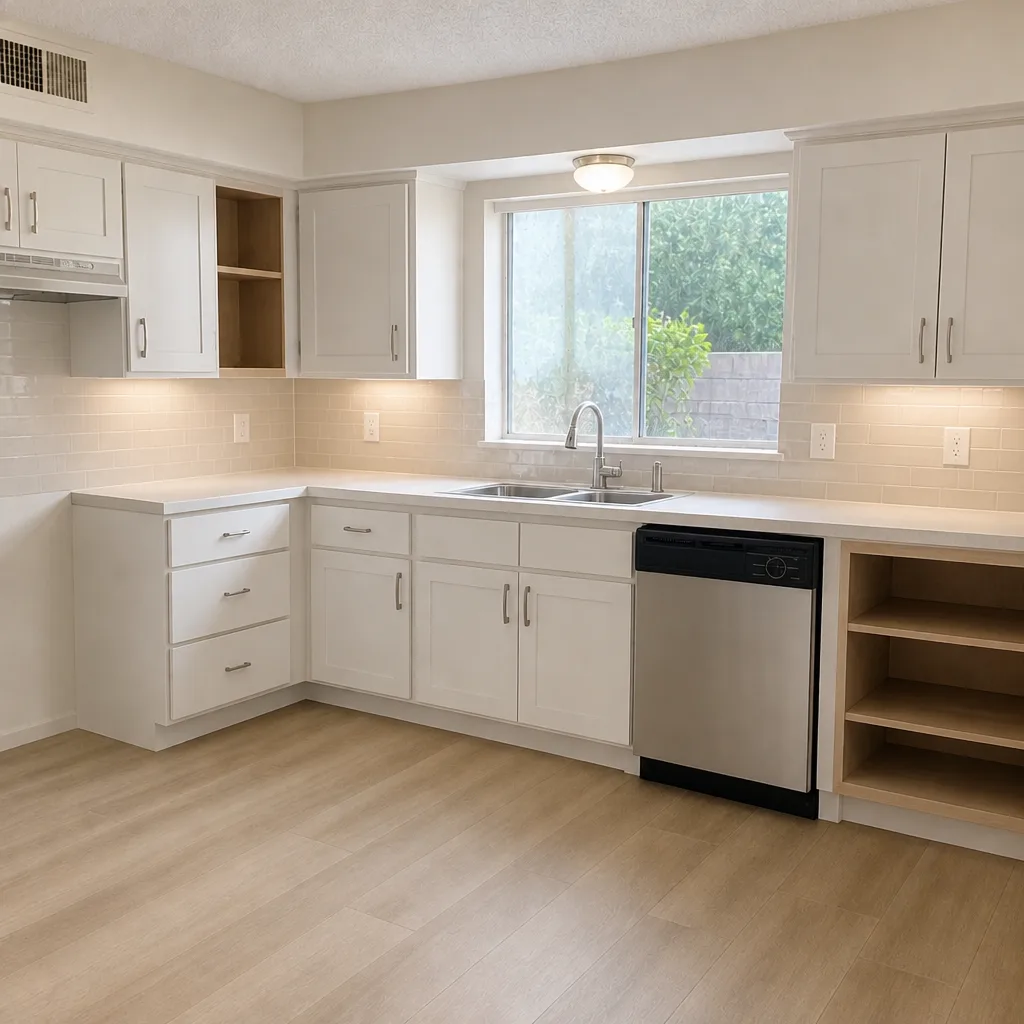 After
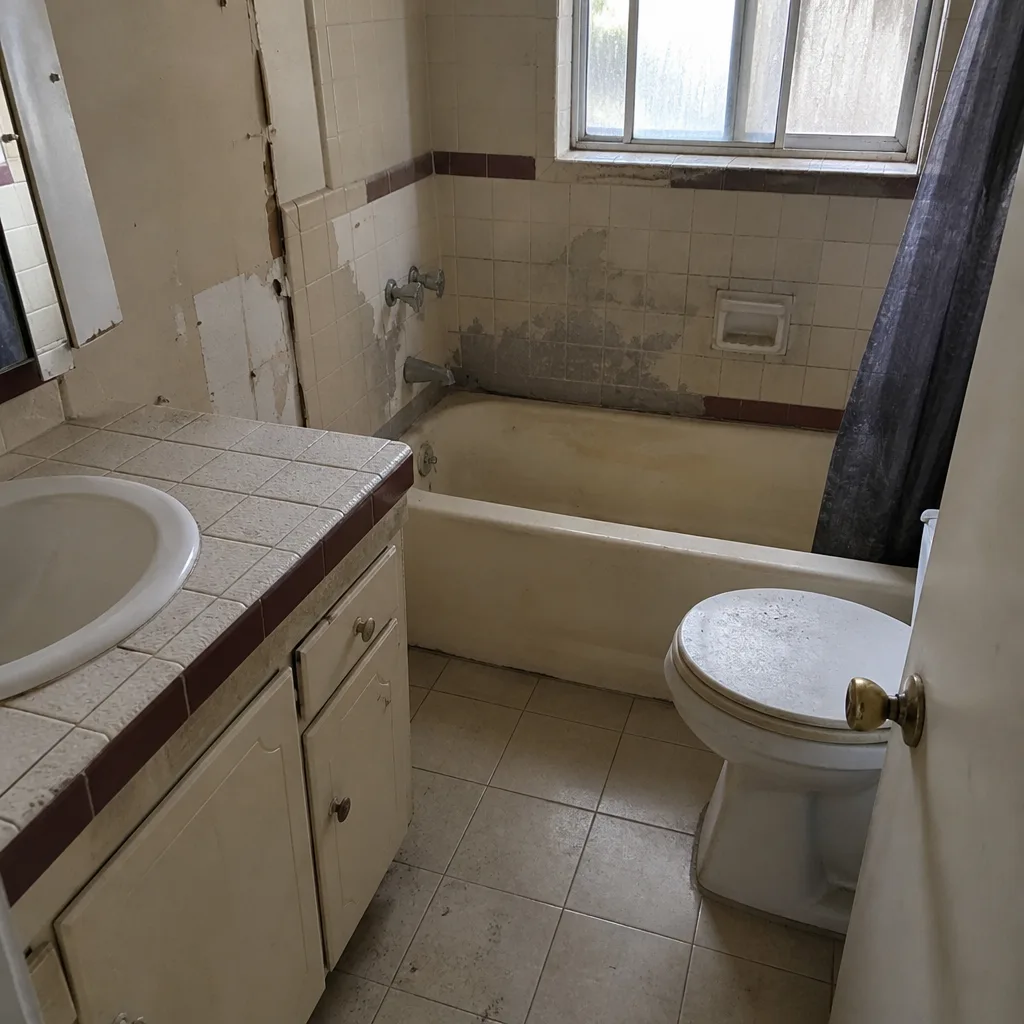 Before
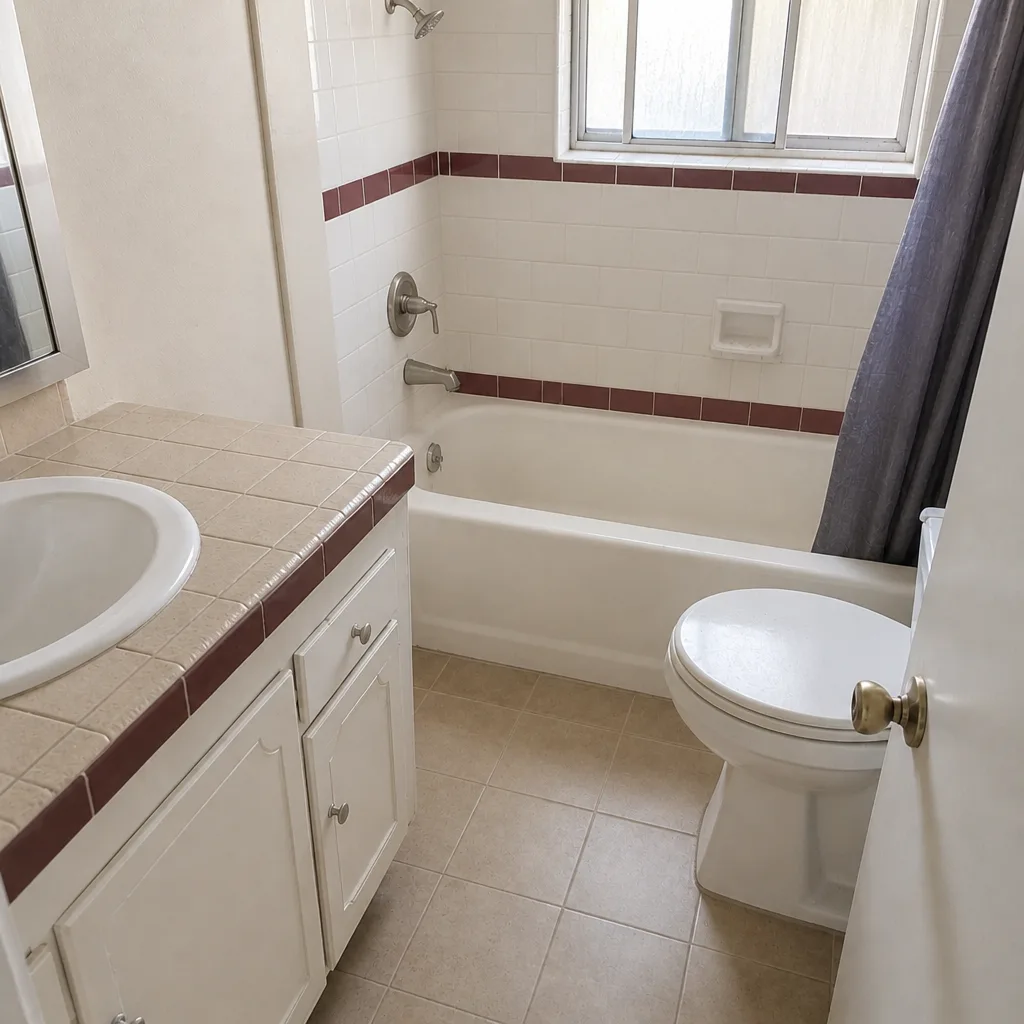 After
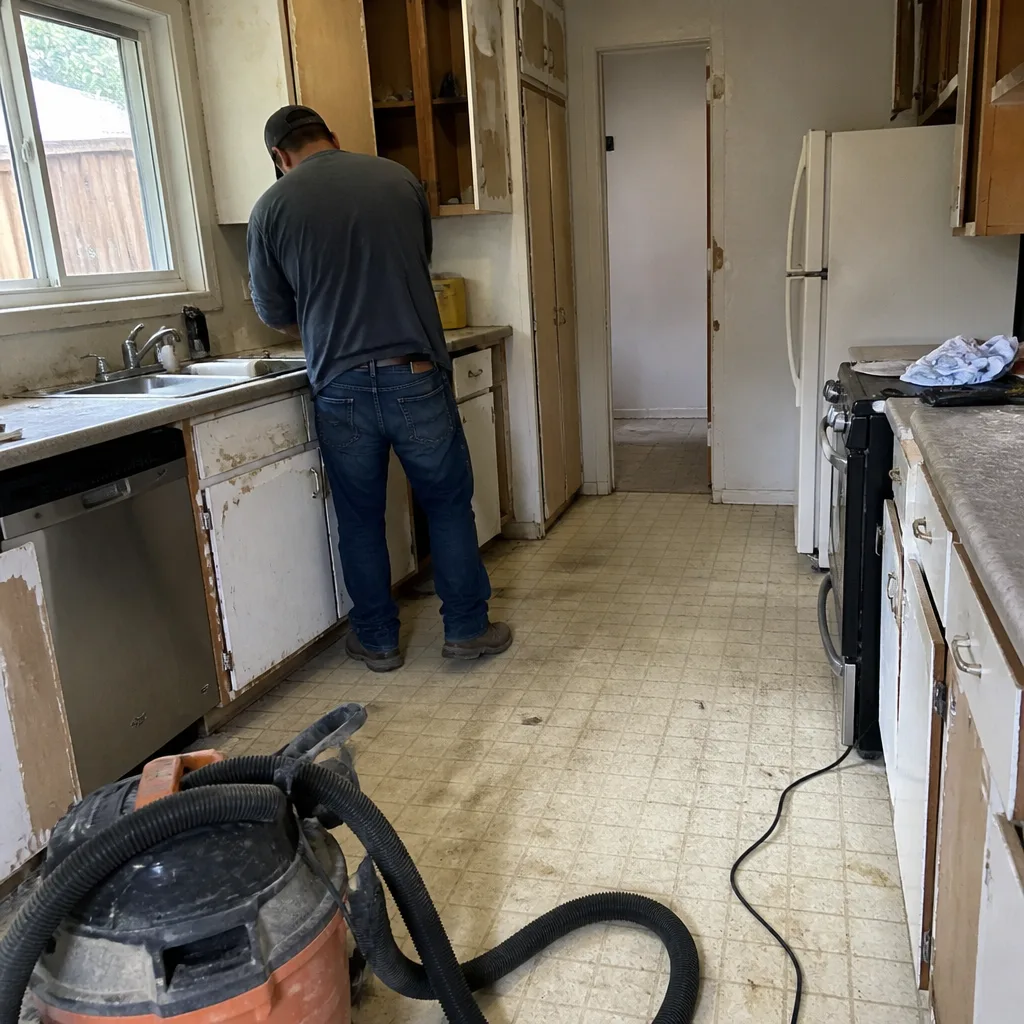 Before
 After
When to Call a Professional
Call a professional crew when the work involves a second-story opening, a large picture window or slider, any window in a bedroom that needs to meet egress code, an exterior door in an opening that might be out of square, or a home built before about 1980 where framing damage is likely. Do not open up framing or remove a window that’s holding an upper wall load yourself; that’s the moment a project goes from a repair to a structural job. Window and door swaps are also the trades where bad flashing causes a leak that doesn’t show for two years and then rots a wall. Get it done right the first time. Barrett & Sons Construction Santa Clarita offers free estimates in Santa Clarita, pulls permits on every eligible job, and puts every price change in writing before work proceeds. Call (833) 762-8116 to schedule yours.
Frequently Asked Questions
Window replacement in Santa Clarita usually takes two to eight weeks total from signed contract to finished install for in-stock units, and two to four months for custom or built-to-order windows. Installation labor itself runs three to six hours per window, so a ten-window home is usually a two to three day install. Call (833) 762-8116 for a written timeline specific to your openings.
Rarely, and usually not for a full house. A one-day full replacement only happens on very small homes (four or five openings) with in-stock units already on site. Ten or more windows takes two to three days of install labor for a well-run crew; trying to compress it into a single day means rushed flashing and skipped trim work. Call (833) 762-8116 to get an honest crew-day count for your house.
Standard vinyl single-hung window replacement in Santa Clarita typically runs $550 to $1,100 per opening installed, casement and awning windows run $800 to $1,600, and picture windows run $1,000 to $2,500 depending on size and access. Whole-house projects of ten openings usually land in the $7,000 to $15,000 range for standard configurations, and custom Andersen or Marvin wood units can run significantly higher. Pricing depends on material series, glass package, story height, and framing condition. Call (833) 762-8116 for an exact written quote.
Not unless the scope changes, and any change has to arrive as a written change order before the work proceeds. The two legitimate reasons a price changes mid-project are damage discovered at demo (rotted framing, undersized headers) and a reorder caused by measurement error or factory damage. Anything else showing up at the end is a surprise invoice, and that’s not how we operate. Call (833) 762-8116 and ask about the change order process before you sign.
Yes, whenever the job requires a permit. Straight like-for-like swaps often don’t need one, but enlarged openings, egress windows in bedrooms, and new exterior door locations do. In Santa Clarita that means a permit review of two to four weeks plus a final inspection before the job is considered done. We pull them and get the inspection signed on every eligible job, because the last contractor most customers used told them permits were optional. Call (833) 762-8116 if you want your quote to specify permit responsibility in writing.
The fastest path is choosing a standard-size, standard-configuration unit from a brand that’s in regional distribution. That’s usually a vinyl single-hung or sliding unit in a common width. Material can be on site in a week or two, and the install can often be scheduled within days of delivery. Custom Andersen or Marvin wood units are worth the wait when you want a specific look, but they aren’t the fast path. Call (833) 762-8116 to talk through which of your openings can go standard and which need to be custom.
The Bottom Line
Window and door projects run on two timelines: material lead time and installation time. A window you can get in stock is a two to eight week project; a window that has to be built is two to four months. Per-opening installation is three to six hours for standard windows, longer for casement and picture units, and a full day for a bay window or an exterior door with sidelights. Whole-house jobs sequence room by room over two to three days of labor, with at least one usable window per bedroom left live overnight. What makes projects run long is almost never the crew; it’s framing damage found at demo, a reorder, or an inspection. Get both timelines in writing, get the change order process in writing, and get the permit responsibility in writing. Every other decision gets easier once those three things are on paper.
If you’re ready to price out your project, our Barrett & Sons Construction Santa Clarita home page lists every service and our standing offers, including a free second opinion on any written estimate and a no trip charge inside the county. For exterior work that runs alongside a window or door job, our guide on Fence Installation in Santa Clarita covers access and yard disruption when crews are working around perimeter fencing. And if the driveway needs repair from delivery-truck traffic, our guide on Driveway & Pavers in Santa Clarita covers what to plan for and how to protect hardscape during a window or door delivery.
Our crews have up to 28 years of experience installing premium brands like Andersen and Marvin, and every eligible job includes permits pulled and inspections signed. Call (833) 762-8116 for a free estimate. A live person answers the phone 24 hours a day, and we’ll walk through both timelines with you before you sign anything.
Written by the team at Barrett & Sons Construction Santa Clarita.