
Last updated November 16, 2026
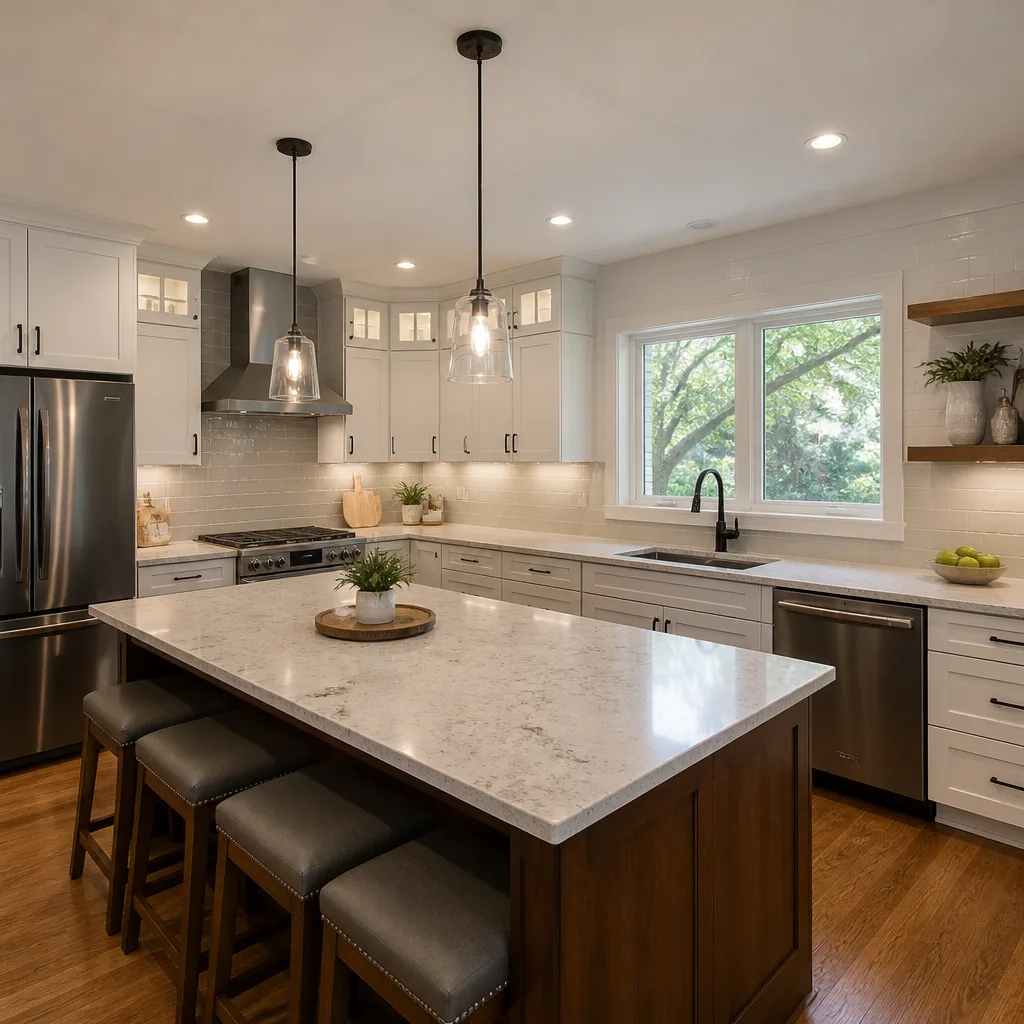 Kitchen remodeling
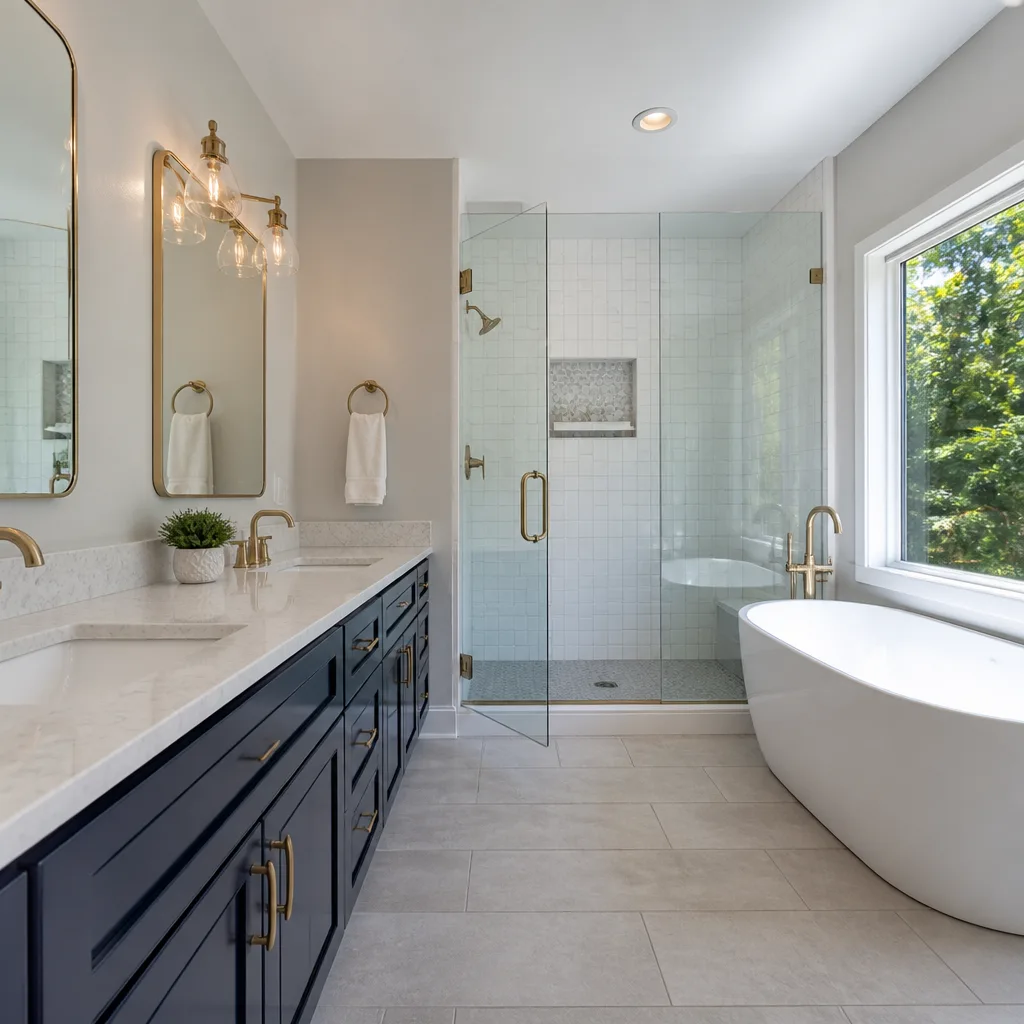 Bathroom remodeling
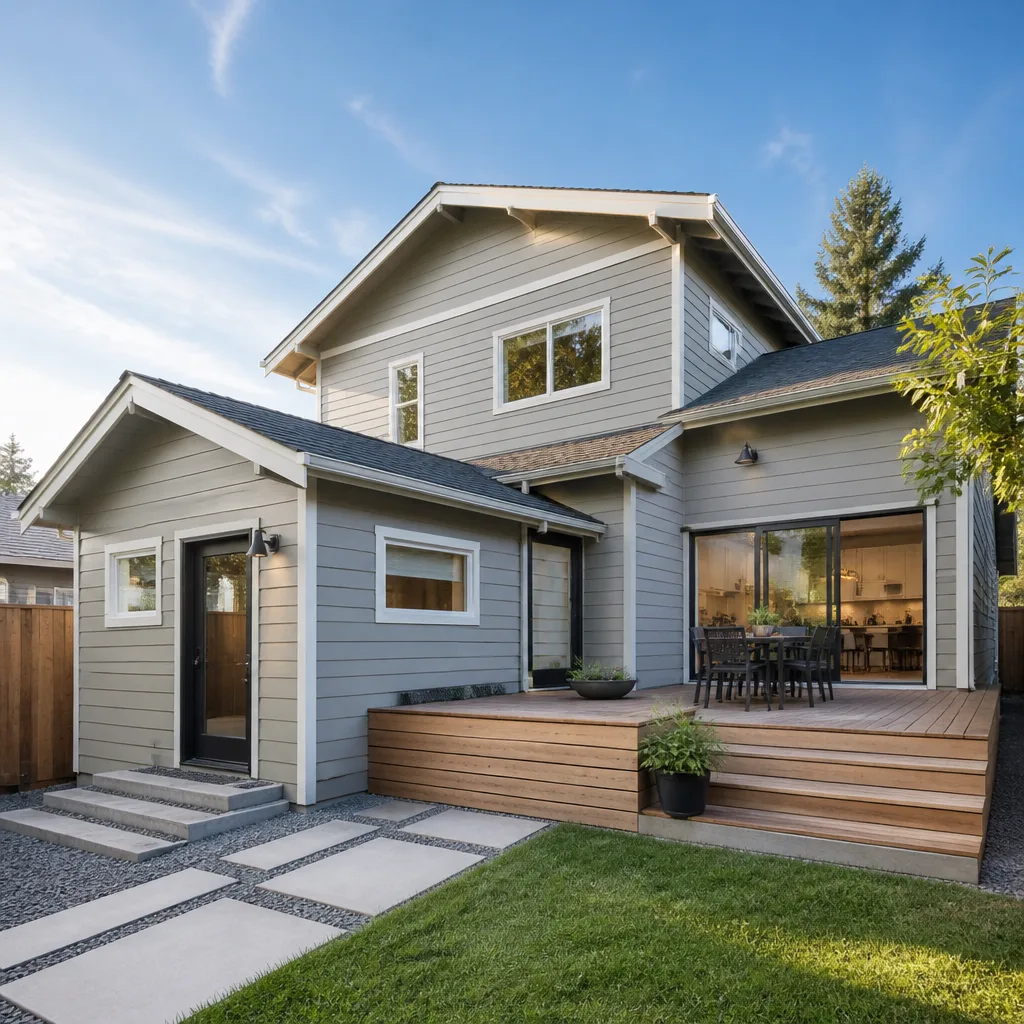 Home additions & ADU
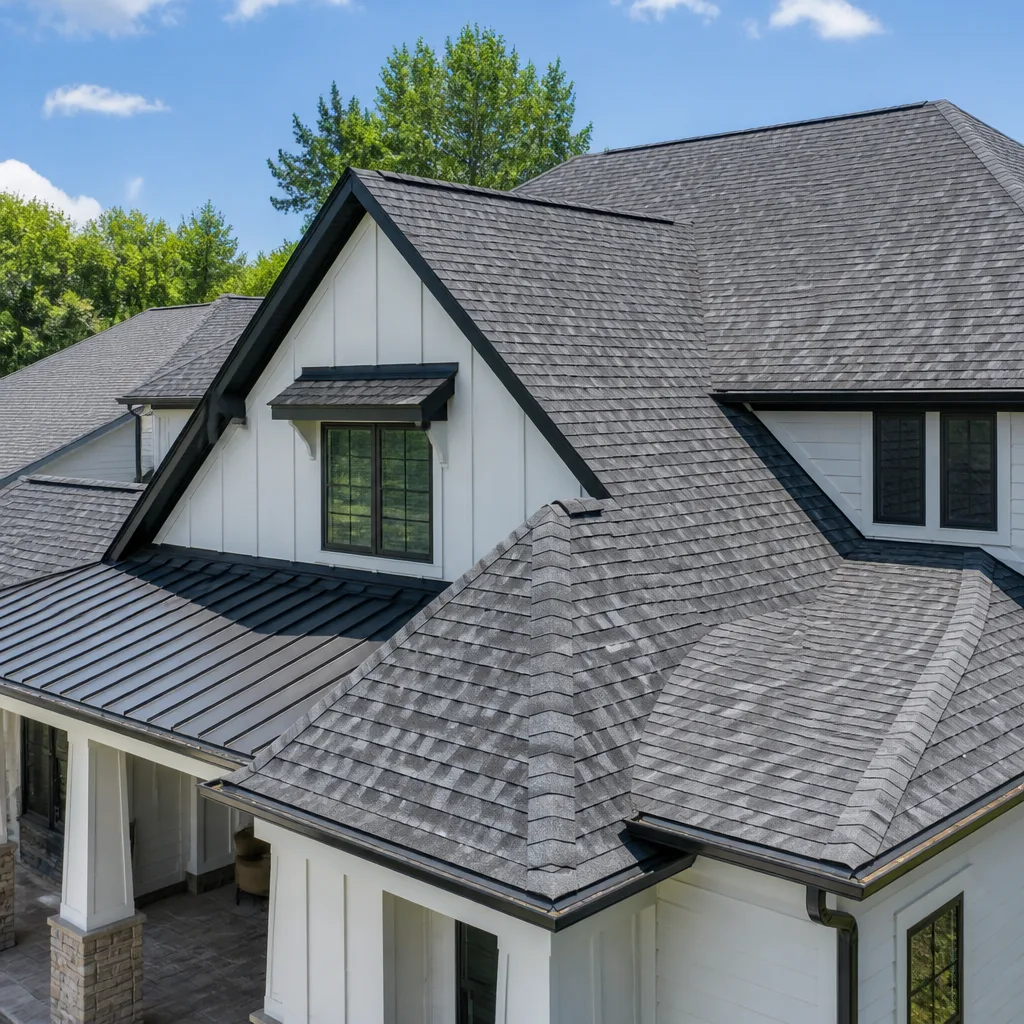 Roofing
 Windows & doors
 Driveway & pavers
 Fence
Free written scope consultation - allowances, timeline, and change-order rules on paper before a single trade is scheduled
The Complete Guide to Construction in Santa Clarita
Santa Clarita sits across three separate permitting jurisdictions – the City of Santa Clarita, LA County unincorporated pockets, and special fire districts – and most homeowners don’t find that out until their project stalls on week two. A homeowner in Canyon Country might pull a city permit for a room addition while the same build one ridge over in a county island needs a county permit plus fire district sign-off. Miss the split and your start date slides a month. This guide walks through how the jurisdictions actually divide, why the soil under your lot changes your foundation plan, how HOA approvals run parallel to city permits, which trades are backed up here, and what owner-operated really means when something goes wrong after the trucks leave.
Quick Answer
Construction in Santa Clarita requires matching your project to the right permitting jurisdiction first – City of Santa Clarita, LA County, or a fire district – before you draw plans or sign a contract. Soil conditions, fire zone overlays, and HOA rules then layer on top. A contractor who knows which jurisdiction governs your address saves you weeks. The single most useful step before you hire anyone is confirming, in writing, which jurisdiction will issue your permit.
Styles & brands we work with
- Kitchen remodeling
- Bathroom remodeling
- Home additions & ADU
- Roofing
- Windows & doors
- Driveway & pavers
- Fence
Table of Contents
- Which Jurisdiction Governs Your Santa Clarita Project?
- Why Santa Clarita Soil Changes Your Foundation and Drainage Plan
- Fire Zone Overlays and What They Add to Your Build
- How HOA Approval Runs Parallel to City Permits
- Which Trades Are Backlogged in Santa Clarita and How to Sequence Around Them
- What Owner-Operated Actually Means When Something Goes Wrong
- How to Build a Realistic Santa Clarita Construction Budget
- A Step-by-Step Pre-Construction Checklist
Which Jurisdiction Governs Your Santa Clarita Project?
Before you think about materials or bids, find out who issues your permit. Santa Clarita is a patchwork. The City of Santa Clarita covers the incorporated core – most of Valencia, Newhall, Saugus, and Canyon Country addresses. But unincorporated LA County islands sit inside and around the city, and a handful of fire districts have their own review authority for anything touching access, water supply, or vegetation clearance.
Here’s how the split plays out in practice:
- City of Santa Clarita addresses: the city’s building department reviews plans, issues permits, and inspects work. Most residential remodels and additions fall here.
- LA County unincorporated pockets: county building and safety reviews. Timelines and submittal packets differ from the city’s, sometimes by weeks.
- Fire district overlays: projects in higher fire severity zones need extra review for access roads, hydrant distance, and roof and vent details.
We’ve watched a homeowner in the unincorporated edge of Saugus spend three weeks reworking plans because the contractor assumed a city permit. The fix was paperwork, but the schedule hit was real. That’s why the first question we ask on any Santa Clarita construction job is which jurisdiction the parcel number sits under – and we put that verification in writing before anything else moves.
Ask your contractor to confirm, in writing, which department will review your plans and who will sign the inspection card. A vague answer is a red flag. The permit inspector works for you, not for the contractor – that’s why a good builder welcomes the review rather than dodging it.
Why Santa Clarita Soil Changes Your Foundation and Drainage Plan
Santa Clarita sits in a valley with two very different soil profiles depending on where your lot is. In parts of the valley floor and near the river wash, you’ll hit sandy loam and loose fill – soil that drains fast but can settle under a slab. Up on the hillside lots and ridges in Canyon Country and the eastern edges, you’ll find expansive clay that swells when it’s wet and shrinks hard in summer.
That difference matters for two things:
- Foundation type. Expansive clay pushes and pulls on a slab or stem wall. Footings often need to go deeper, and post-tension slabs or reinforced designs are common. On sandy loam, the concern flips to settling and water movement under the slab.
- Drainage. Clay sheds water slowly. On hillside lots, grading and drainage plans aren’t optional extras – they’re how you keep water from pooling against a foundation or washing out a retaining wall.
We’ve seen spring failures in Natomas where a drain wasn’t graded away from the slab and water found the soil seam. In Santa Clarita, the clay-to-loam transition on a single lot can do the same thing if nobody accounts for it. A geotechnical report isn’t required on every job, but on hillside additions and anything over a certain footprint, it’s cheap insurance.
Ask your contractor how they plan to read your specific lot – not the general soil type for the zip code. Plans that treat every Santa Clarita lot the same are plans that weren’t drawn for your address.
Fire Zone Overlays and What They Add to Your Build
Most of Santa Clarita carries a fire severity overlay, and a few pockets sit in the higher tiers. The overlay isn’t just a fire department formality – it changes what materials you can use and how your lot has to allow fire access. Roofing is the big one. Class A roof assemblies are standard here, and on rebuilds or replacements that means a full assembly, not just the surface layer.
Beyond the roof, fire zone review can affect:
- Roof edge and eave details – ember-resistant vents and enclosed eave designs are common requirements on rebuilds.
- Vegetation clearance and defensible space – the county and fire district have their own spacing rules, and they’re inspected.
- Access and water supply – lot width, driveway turnaround, and hydrant distance get a hard look on additions and ADUs.
On windows and doors, tempered glass and tighter assemblies often come into play on the fire-facing side of a house. This is where premium brand depth helps: brands like Andersen and Marvin publish the fire- and impact-rated options in their catalogs, so you can look up exactly what’s being installed instead of taking a mystery brand off the back of a van.
Ask your contractor to point to the specific fire zone code section that applies to your parcel. A builder who can’t name it hasn’t done the research.
How HOA Approval Runs Parallel to City Permits
An HOA approval and a city permit are two totally separate tracks – and the HOA can stop your project even when the city is ready to say yes. This is one of the most common schedule killers in planned communities across Santa Clarita, where HOA architectural review boards hold their own set of rules on fence height, roof color, window style, and paint.
Treat them as two independent approvals:
- Pull the HOA architectural guidelines before you draw anything. They often dictate material brands and colors up front.
- Submit to the HOA review board and get approval in writing – not a verbal yes from a board member at the mailbox.
- Submit for the city or county permit in parallel, since the reviews run at the same time but on different clocks.
- Reconcile the two if the HOA wants a material the code doesn’t allow, or vice versa. This happens more than people think on fence and roof changes.
We’ve watched a homeowner get a city fence permit approved and then face a six-week HOA back-and-forth because the fence exceeded the community’s height rule by six inches. That’s a fence project that didn’t need to lose six weeks. Start both tracks the same week and you cut the risk. Every scope and allowance goes in the HOA packet and the contract, in writing – an allowance that isn’t on paper is a surprise waiting for a date.
Which Trades Are Backlogged in Santa Clarita and How to Sequence Around Them
Labor availability in the Santa Clarita Valley isn’t uniform. Some trades book out weeks; others can start next week. Sequencing your project around the backed-up trades is how you save a month without cutting quality.
In our experience across the valley, the current pressure points are:
- Roofing and re-roof crews: heavy demand, especially after a hot summer and any wind event. Book early if the roof is on your list.
- Concrete and hardscape: driveway and paver crews fill up fast in spring when homeowners start outdoor projects. This is where driveways and hardscape work can slip if it’s scheduled late.
- Windows and doors: lead times are usually driven by brand and lead-time on the units themselves, not the install crew. Order early.
- Framing and additions: a smaller pool of crews who can frame to plan and pass fire zone inspections. This is where owner-operated scheduling shows its value.
Sequence around it: lock in the roof and the concrete early, order windows before you break ground, and keep the framing crew scheduled in parallel with rough mechanical. A good Santa Clarita contractor builds a sequence around the calendar, not around hope. Ask for the schedule in writing with trade dates – a contractor who won’t put trade dates on a calendar hasn’t planned the job.
What Owner-Operated Actually Means When Something Goes Wrong
“Owner-operated” isn’t a marketing badge. It’s a description of who is legally and practically accountable when something goes sideways after the final inspection. Barrett & Sons was founded in 1998, and Tom Barrett’s sons run the crews. Tom is on-site most days. That structure changes the math on the day something needs fixing.
Here’s what to look for when you interview any contractor:
- Name on the truck and on the contract. The same legal name should show up on the estimate, the permit application, and the warranty. If they differ, ask why.
- License and address published. Tom Barrett publishes his name, address, and license number so you can look them up before you sign. A contractor who won’t is a risk you don’t need.
- Written warranty with a call-back path. Our 90-Day Done Right Promise is written on every contract, not buried in fine print. If it’s not done right, one call brings Tom back to make it right.
- Live person answers the phone. Calls are answered by a live person 24 hours a day, 7 days a week. Not a voicemail box, not an out-of-state call center.
- Written change orders before work moves. Every scope, allowance, and price change arrives as a written change order before the nail goes in. No surprise invoices at the end.
The homeowner who pays a little more for a name they can verify has a direct line when something goes wrong 90 days later. The homeowner who saved $2,000 on the bid and can’t find their contractor in month four has a very different story. Compare a few bids side by side, but compare the warranty language and the accountability, not just the bottom line. If you want a second look at any written estimate, the free second opinion on any written estimate is a standing offer – no strings. You can see how that plays out across every trade we run on the Barrett & Sons Construction Santa Clarita home page.
How to Build a Realistic Santa Clarita Construction Budget
Santa Clarita prices sit in the mid-to-upper range for the LA metro, and a realistic budget has to account for three things competitors skip: the permit track and inspection count, the soil and drainage work a hillside lot needs, and a contingency line. Here’s the shape of a working budget, with ranges we’ve seen across the valley this year:
- Permits and plan review: typically $800 to $4,500 depending on scope, plus fire district review where it applies.
- Soils and drainage work: $1,200 to $6,000 on a hillside lot; often $0 to $1,500 on a flat lot with good drainage.
- Structural and foundation work: varies by scope; hillside and expansive clay add cost here.
- Contingency: 10% to 15% on remodeling and additions – not optional.
Add a written change-order process to the budget so you know how the price moves when it moves. Pricing is set upfront with no change orders without your written approval. That’s the whole point. You can see how the numbers shape up for each service in the Home Additions & ADU in Santa Clarita guide, where scopes run bigger and the fire and soil factors weigh heaviest.
Ask any contractor to walk you through the full budget – permits, contingency, and change-order mechanics – before you sign. A bid that looks clean and cheap often hides the change orders on the other side of the signature.
A Step-by-Step Pre-Construction Checklist
Before you sign a contract or break ground, walk through this checklist. Every line saves you either money or time, and most of it is free.
- Confirm your jurisdiction. Look up your parcel on the city or county site and write down which department reviews it.
- Pull the fire zone designation. Confirm what overlay applies and whether the fire district needs to review your plans.
- Read your HOA architectural guidelines. Note the material, color, and height rules before you draw anything.
- Get a soil read on your specific lot. A geotech report on hillside lots and additions is cheap insurance.
- Interview at least two contractors. Ask each to put the jurisdiction, permit responsibility, and the estimate in writing.
- Verify the license and address. Look up the name, address, and license number of the company that will actually do the work.
- Confirm change-order mechanics in writing. No change order without your written approval, full stop.
- Confirm warranty, call path, and post-build contact. Get it in writing before you sign, not after.
A contractor who balks at any of these steps is telling you something. A contractor who hands you the answers in writing, pulls the permit, and stands behind the work with a written call-back promise is worth the search.
Common Mistakes to Avoid
- Assuming every Santa Clarita address is a city permit. County islands and fire district overlays catch people every year. Confirm the jurisdiction first or lose weeks.
- Treating the HOA as optional or late. The city can approve your plans and the HOA can still stop you. Start both tracks the same week.
- Ignoring the soil under your specific lot. Expansive clay and sandy loam need different foundation and drainage plans. General soil data for the zip code won’t cover your address.
- Letting a contractor start without a written scope and change-order process. A verbal scope becomes a surprise invoice. Get every allowance on paper before work starts.
- Skipping the permit to save on the bid. The last contractor who told someone permits were optional left the homeowner holding an inspection order. Permits pulled and inspections signed on every eligible job.
- Not verifying the license and address. Any company can claim tenure. Published name, address, and license number is a verifiable claim; everything else is marketing.
- Scheduling the backed-up trades last. Roof and concrete lead times are the ones that slip in Santa Clarita. Order windows early and put trade dates in writing.
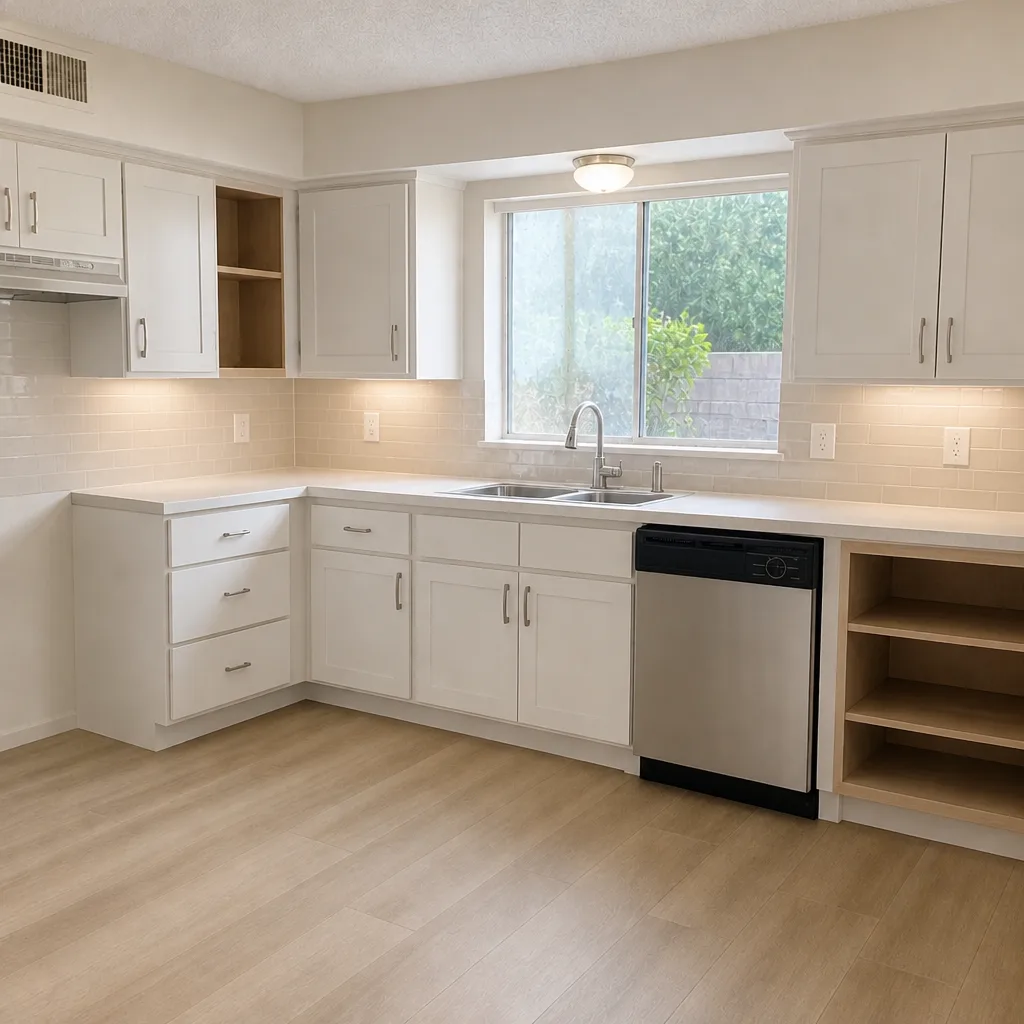
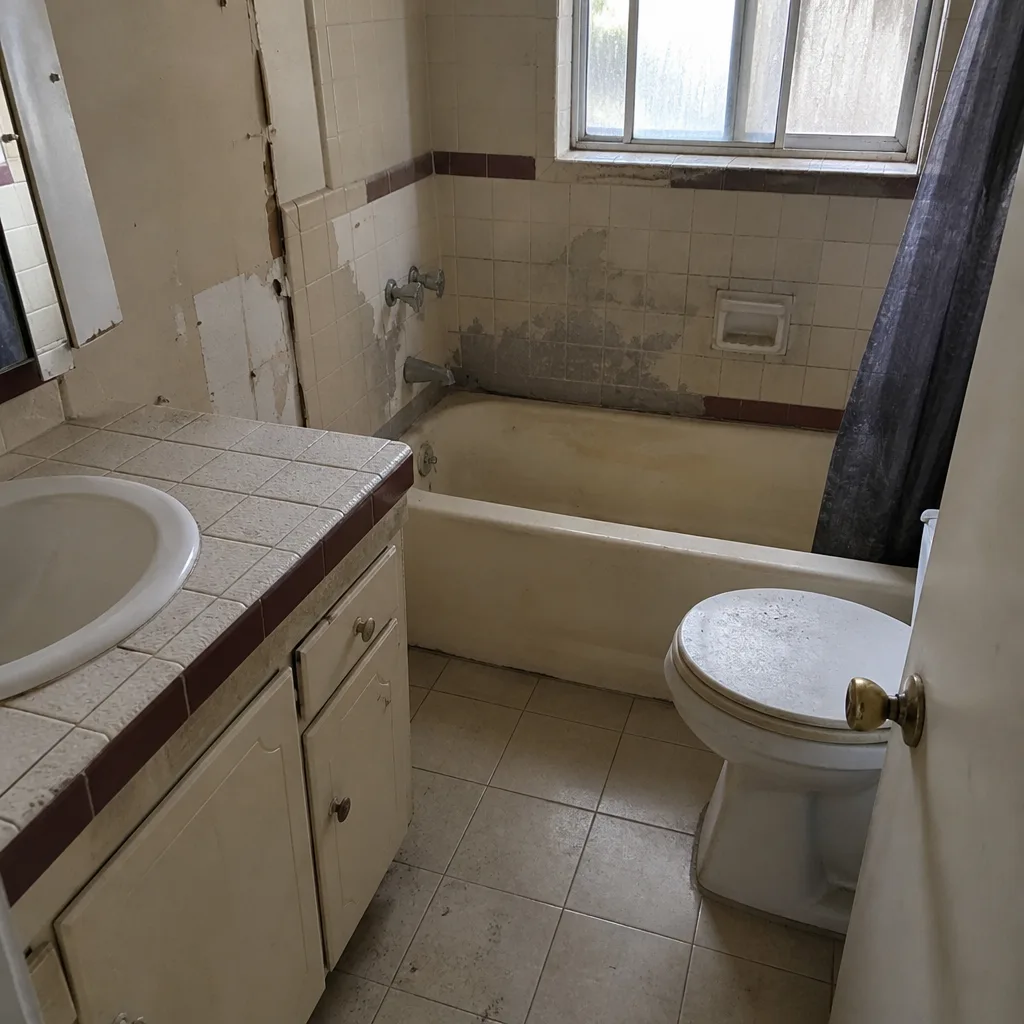
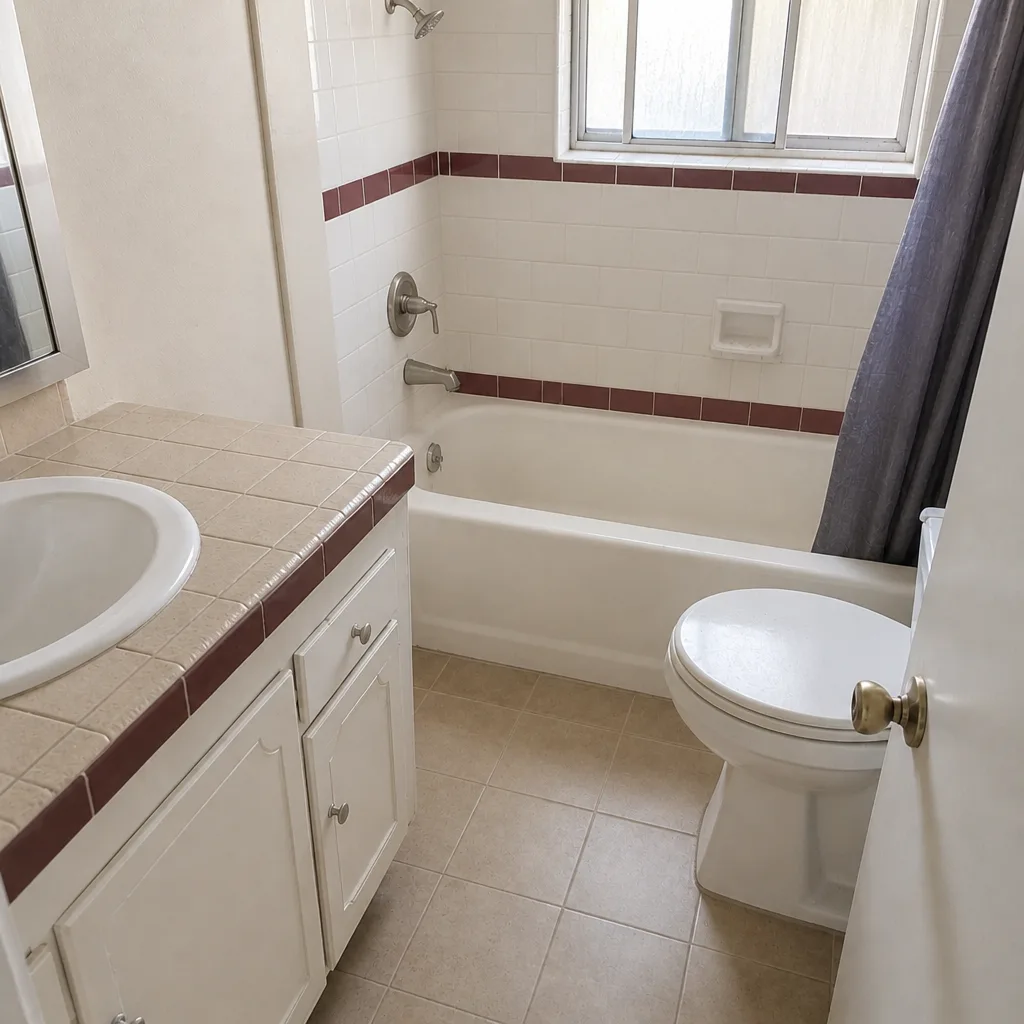
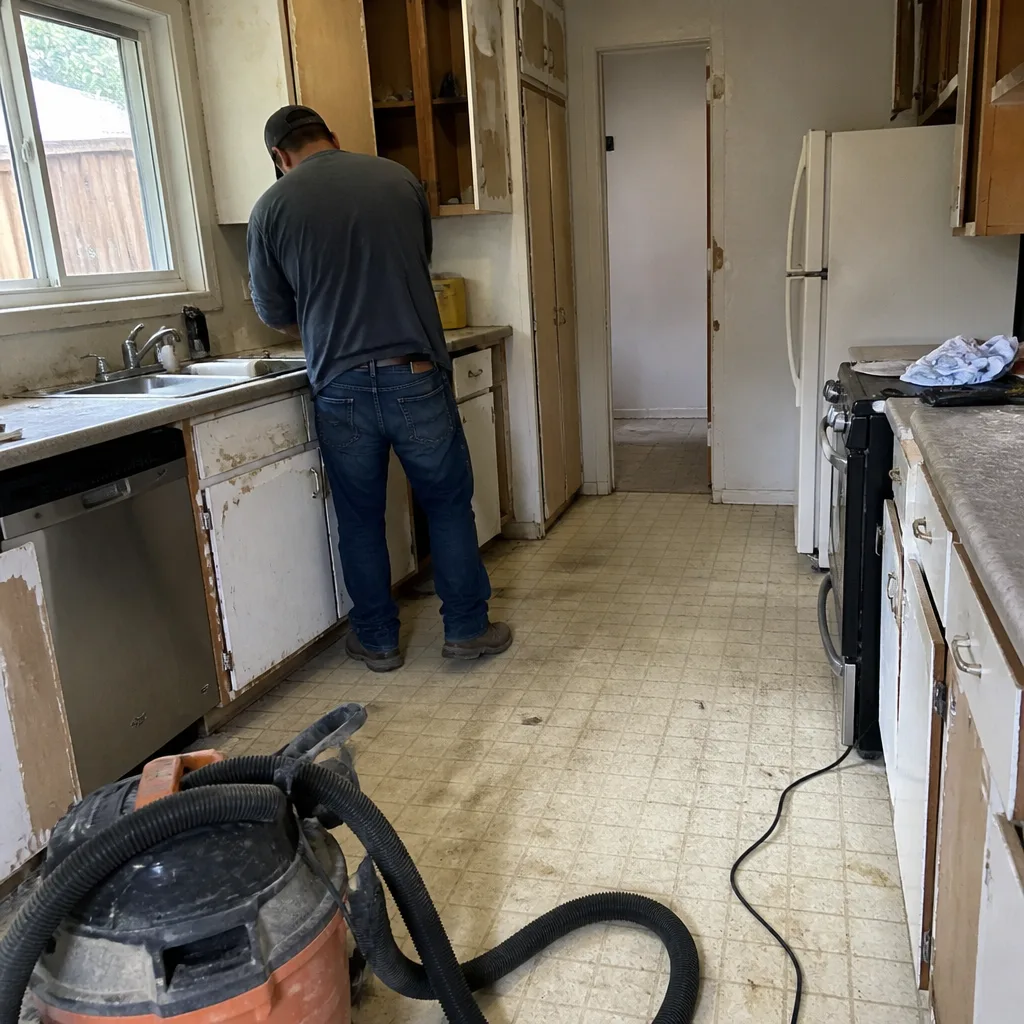
See the difference
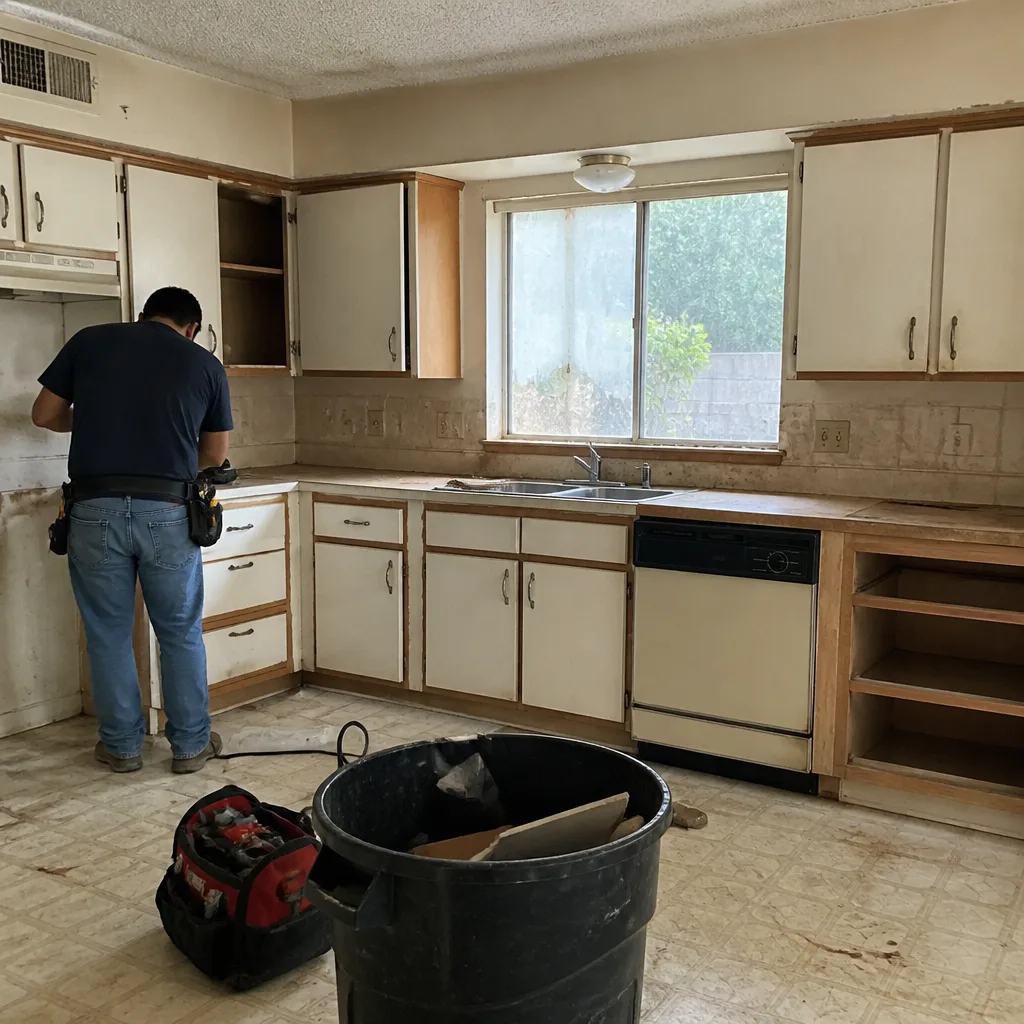 Before
 After
 Before
 After
 Before
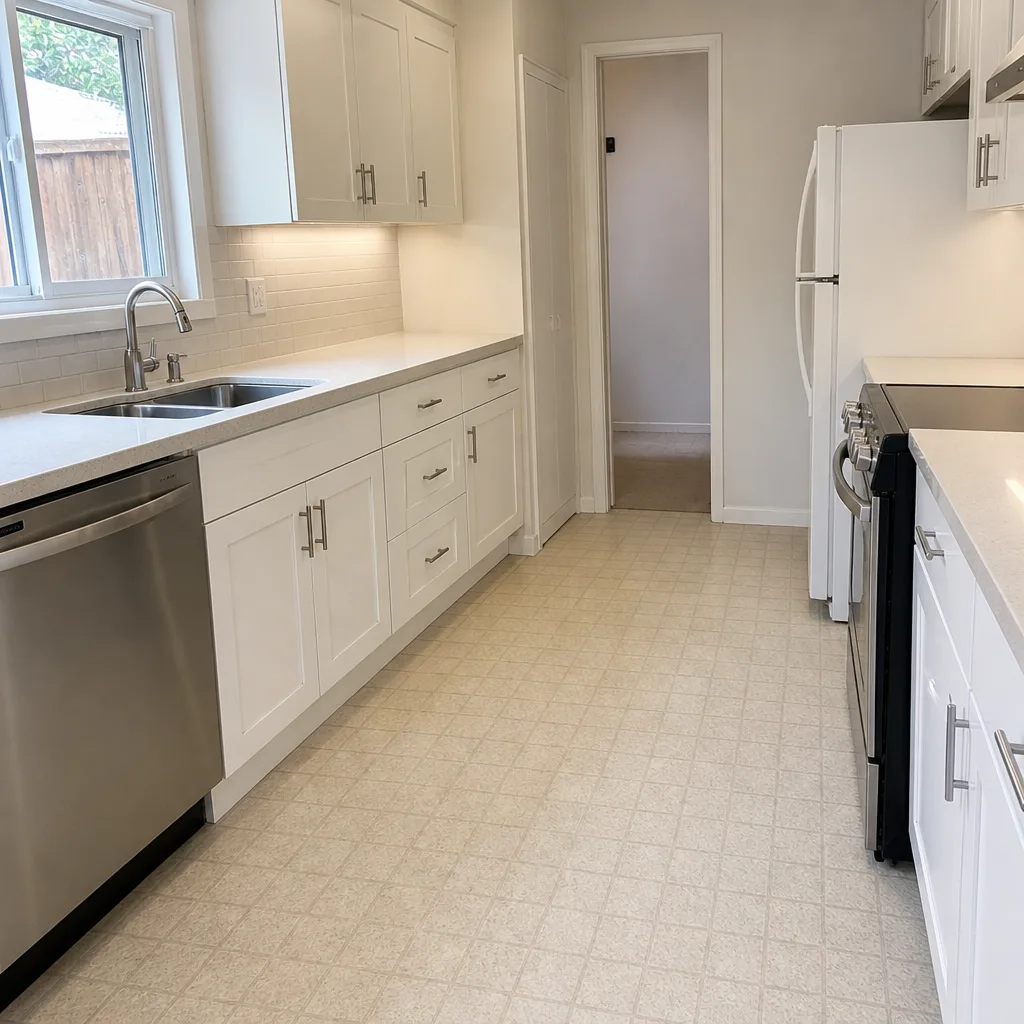 After
When to Call a Professional
Some projects need a professional from day one. Any structural change, room addition, foundation work, or anything that touches the fire zone overlay should go through a licensed contractor who runs the permits and knows the local review process. Roof replacements, window and door swaps on fire-facing walls, and anything involving electrical or gas service crossing a wall are also professional territory – the DIY version loses your permit path and your warranty. For smaller hardscape, fence, and paver repairs, a pre-project estimate is still worth having, because the estimate confirms the scope actually matches the permit-free work. If you aren’t sure where the line sits, the answer is usually to ask.
Barrett & Sons Construction Santa Clarita offers free estimates in Santa Clarita – call (833) 762-8116 to schedule one. Calls are answered by a live person 24 hours a day, 7 days a week. Standing offers include $40 off any repair over $200, a free second opinion on any written estimate, no trip charge inside the county, and a permanent 10% Senior & Veteran discount.
Frequently Asked Questions
It depends on your parcel’s jurisdiction, not the mailing address. The City of Santa Clarita covers the incorporated areas, while unincorporated LA County pockets inside and around the city use county review. Confirm your parcel on the city or county site first – the wrong jurisdiction can cost three weeks. Call (833) 762-8116 for a free estimate and we’ll confirm the jurisdiction before we write anything down.
Expect four to seven months on a typical addition, longer if the plan hits fire zone review or an HOA back-and-forth. Plan review at the city or county runs a few weeks, and framing plus inspections add most of the rest. Sequencing the backed-up trades early keeps that timeline from stretching. Call (833) 762-8116 for a free estimate and we’ll walk through your specific scope.
Yes – the HOA review board is a separate approval track and can reject a design even after the city signs off. Their rules on fence height, roof color, and window style often differ from the city’s. Pull the HOA guidelines before you draw plans and submit both the same week. Call (833) 762-8116 to talk through your community’s requirements during a free estimate.
Because it changes the foundation design and the drainage plan, and it differs from lot to lot. Hillside lots in Canyon Country and the eastern ridges carry expansive clay that moves with the seasons, while parts of the valley floor have sandy loam that settles. A geotech report on hillside lots and additions pays for itself in avoided repairs. Call (833) 762-8116 for a free estimate and we’ll discuss what your lot needs.
Yes – permits pulled and inspections signed on every eligible job. We list the permit path in the written estimate so you see exactly which department reviews your plans and who signs the inspection card. That’s a piece of accountability most estimates skip. Call (833) 762-8116 for a free estimate and the permit path in writing.
On a Barrett & Sons job, the 90-Day Done Right Promise is written on the contract, not buried in fine print – if it’s not done right, one call brings Tom back to make it right. The promise has a name and a phone number behind it because Tom is on-site most days. If your current contractor won’t give you a call-back path in writing, ask why. Call (833) 762-8116 for a free second opinion on any written estimate before you sign anything else.
The Bottom Line
Construction in Santa Clarita comes down to getting the local details right before a single nail goes in. Confirm your jurisdiction – city, county, or fire district – before you draw plans. Read the HOA rules in parallel with the permit track. Read your specific lot’s soil before you commit to a foundation plan. Sequence the backed-up trades (roofing, concrete, framing) before they push your start date. And hire a contractor whose name, address, and license number you can look up, with a warranty written on the contract and a call-back path with a real person’s name behind it. Do those five things and the rest of the job is a straight line from scope to final inspection. For everything else – fences, driveways, windows, and the finishes inside – the specific product guides will get you further. Start with the Fence Installation in Santa Clarita guide if a fence is on your list, and the Driveway & Pavers in Santa Clarita guide if you’re tackling the front of the house first.
Call (833) 762-8116 to schedule your free estimate. We’ll walk through the jurisdiction, the permit path, the schedule, and the full written scope so you know the numbers before you commit to anything.
Written by the team at Barrett & Sons Construction Santa Clarita.