
Last updated November 16, 2026
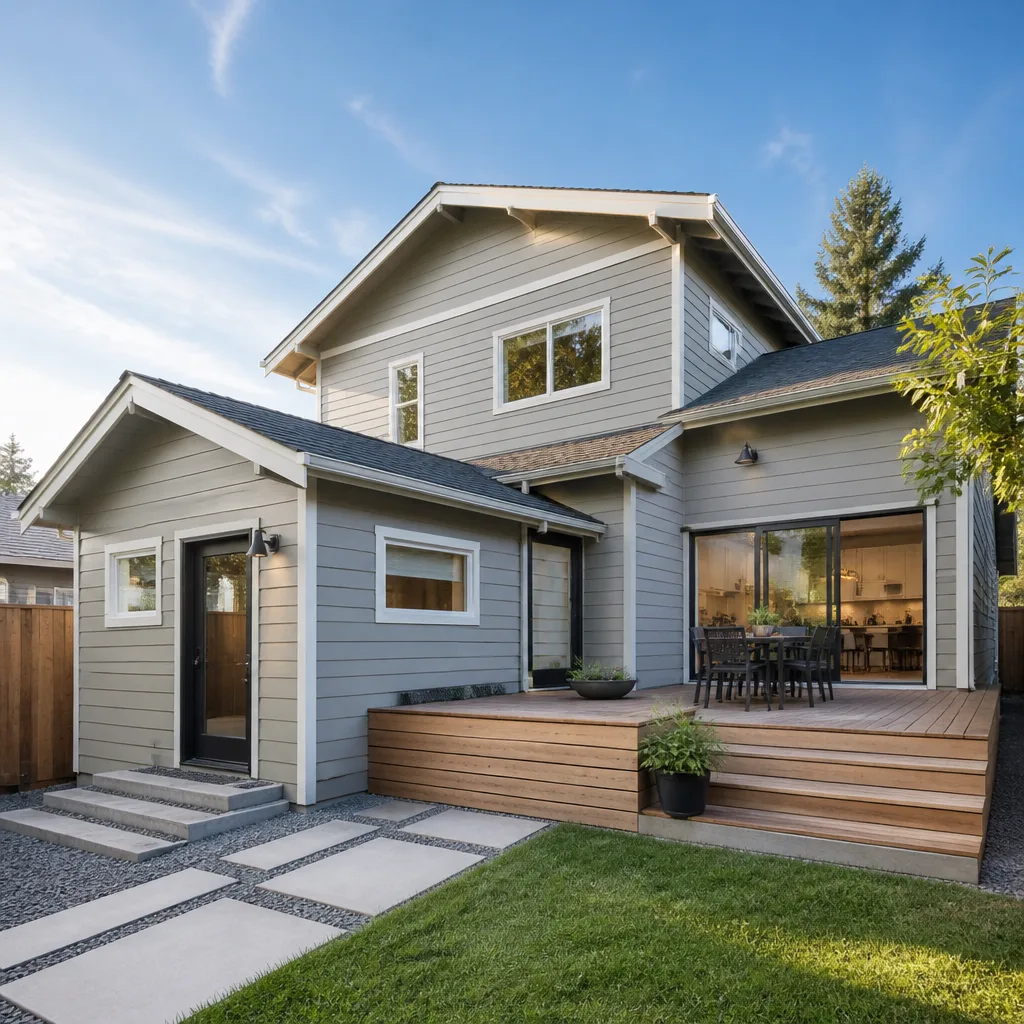 Home additions & ADU
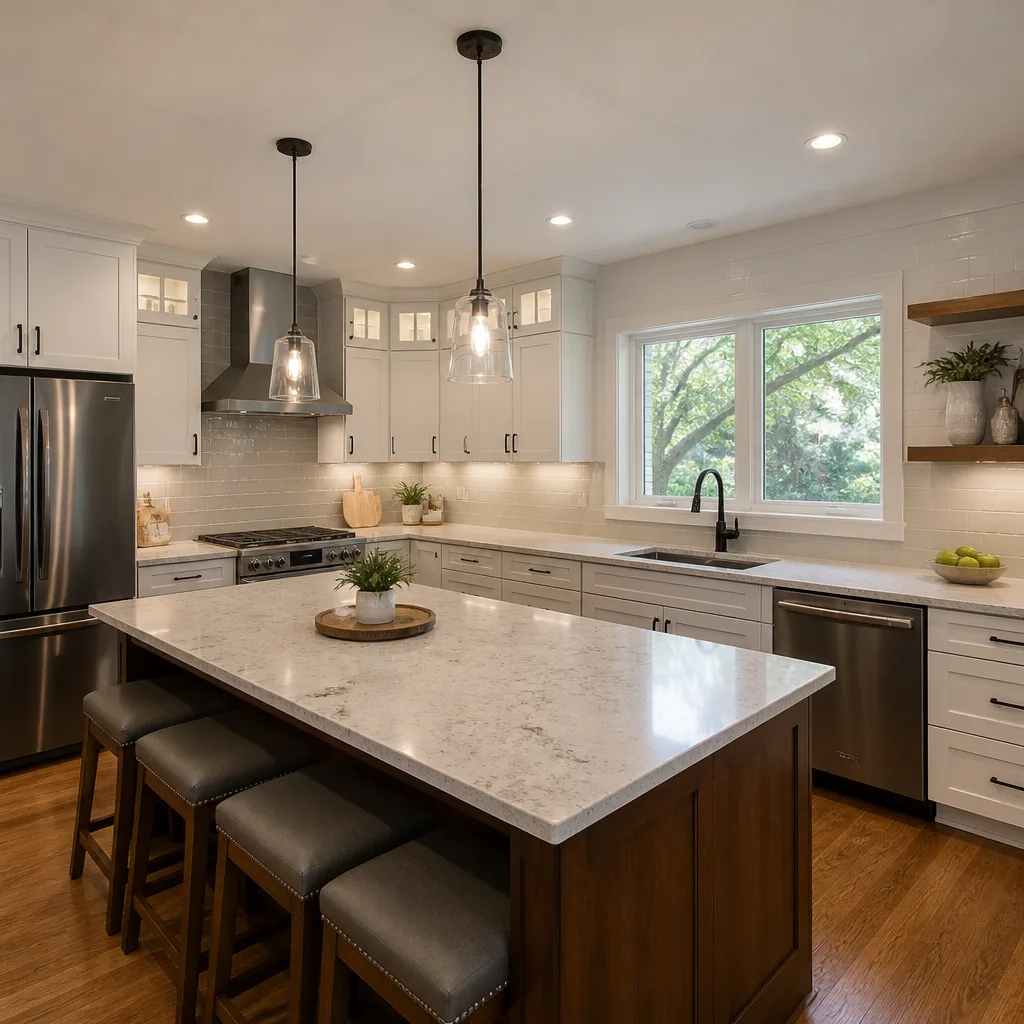 Kitchen remodeling
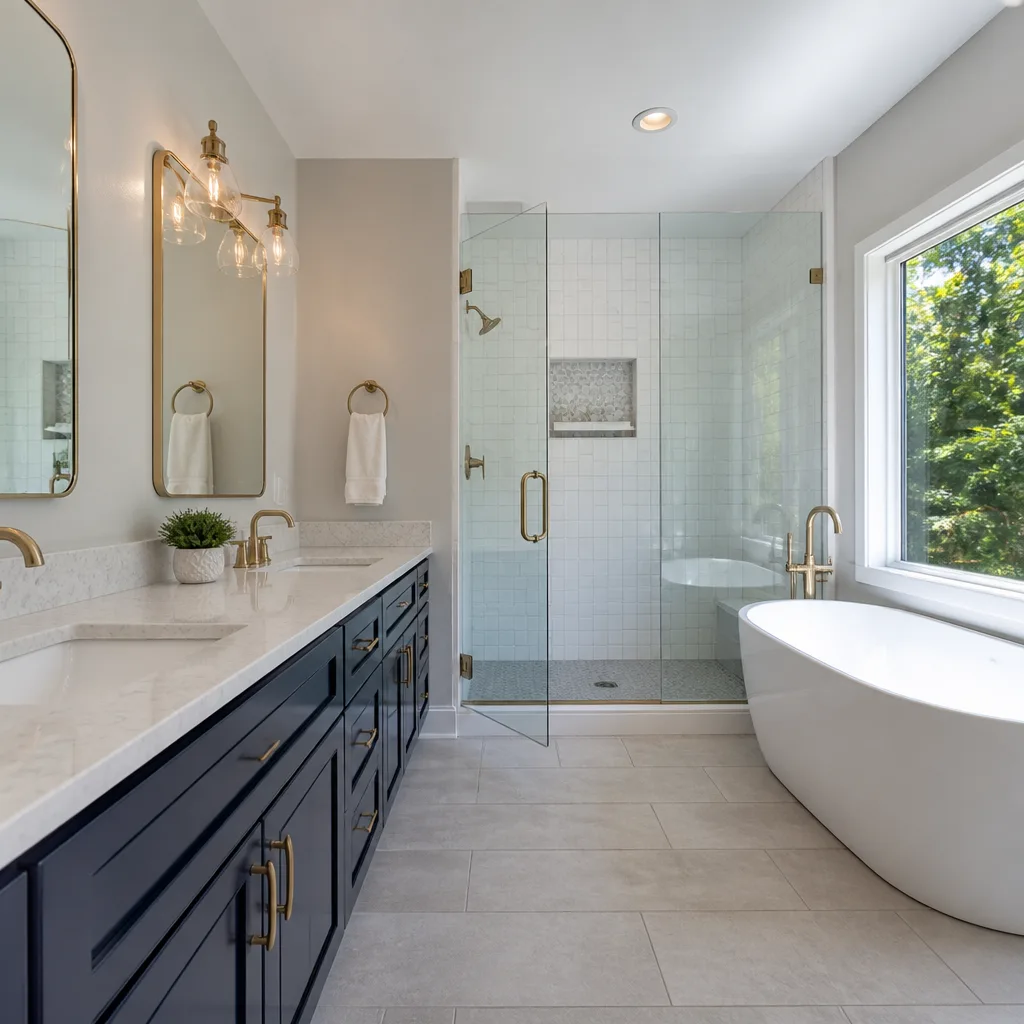 Bathroom remodeling
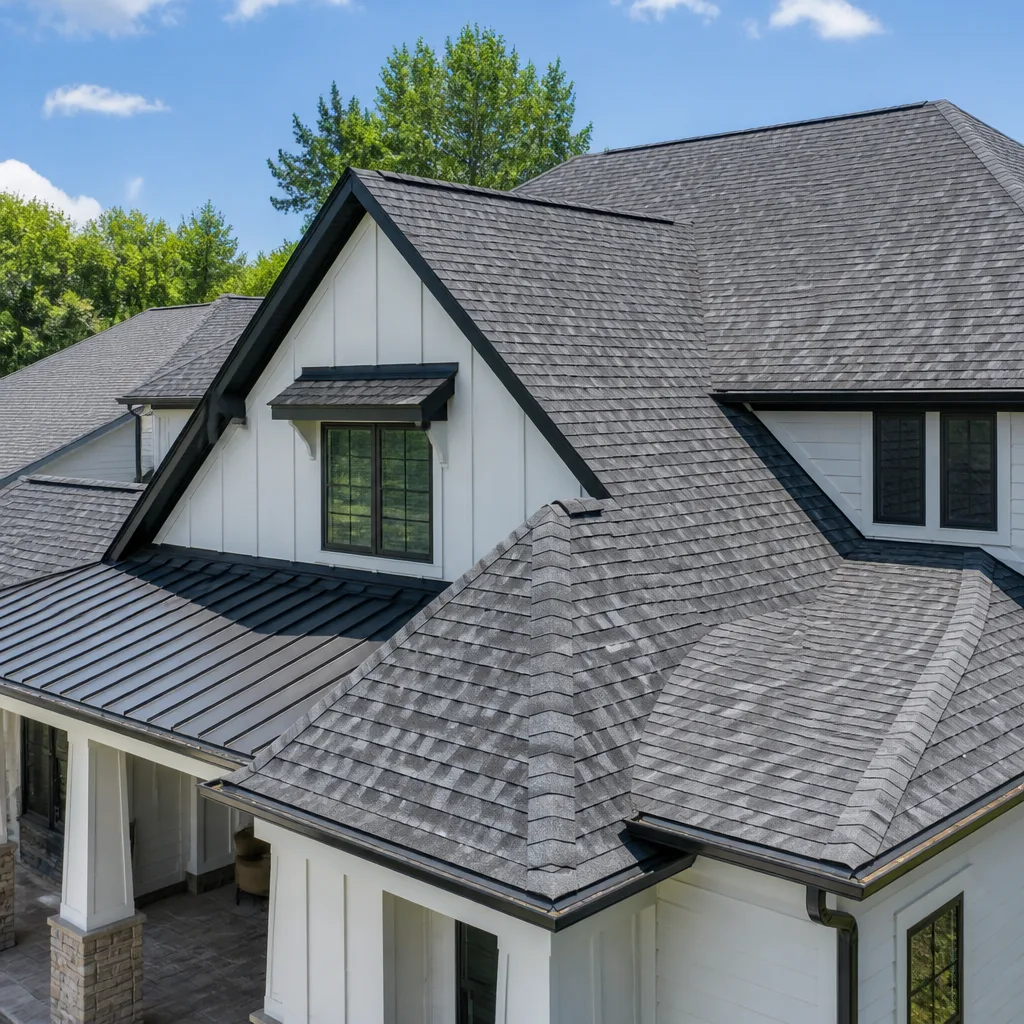 Roofing
 Windows & doors
 Driveway & pavers
 Fence
Free written scope consultation - allowances, timeline, and change-order rules on paper before a single trade is scheduled
DIY vs Professional Construction: The Santa Clarita Homeowner’s Decision Guide
Most advice about DIY versus hiring a contractor misses the point. It isn’t really about how handy you are. It’s about which mistakes you can undo and which ones follow the title of your house for the next 20 years. In California, a homeowner can legally pull their own permit and do their own work. But the moment you sell, you have to disclose it, and buyers’ lenders and insurers are increasingly requiring licensed sign-off on anything done under an owner-builder permit. That single fact reshapes the whole decision. This guide walks you through what DIY genuinely saves in Santa Clarita, what it can cost you later, and where the hybrid model makes real financial sense.
Quick Answer
In Santa Clarita, DIY makes sense for cosmetic and low-liability work (paint, finishing, landscaping, demo, prep) and for projects you’re certain you’ll never sell around. Hiring a licensed professional makes sense for anything structural, electrical, gas, roofing, or permit-inspected, because owner-builder permits create disclosure and insurance complications at resale that usually cost more than the labor you saved. The smartest move for most homeowners is the hybrid: do your own demo and prep, and bring in a licensed crew for the inspected work.
Table of Contents
- The California Disclosure Trap Nobody Warns You About
- Where DIY Genuinely Saves Money in Santa Clarita
- Trade Sequencing: The Most Expensive DIY Mistake
- Honest Math: Your Time vs Santa Clarita Labor Rates
- Owner-Builder Permits: What You’re Actually Agreeing To
- The Hybrid Model That Actually Works
- Common Mistakes to Avoid
- When to Call a Professional
The California Disclosure Trap Nobody Warns You About
Here’s the part that catches people years after the fact. When you pull an owner-builder permit and do your own work, you can absolutely do it legally. What you can’t do is pretend it didn’t happen when you sell. California requires disclosure of any work done under an owner-builder permit, and in practice, Santa Clarita buyers in neighborhoods like Valencia, Saugus, and Stevenson Ranch are getting pickier every year. Their lenders want documentation. Their insurers want licensed sign-off. An inspector’s sign-off on your own permit is not the same thing as a licensed contractor’s warranty.
We’ve watched escrows stall on this exact issue. A homeowner finishes a beautiful kitchen in 2019, does it under his own permit, and in 2025 the buyer’s lender flags it. Suddenly there’s a re-inspection, a retroactive correction, and a negotiation over who pays. It doesn’t happen on every sale, but when it does, it typically clips 5% to 10% off the final price or costs the seller real cash to cure.
The disclosure isn’t the only concern either. Most homeowner insurance policies exclude work performed by the homeowner from coverage if it later causes a loss. Fail to waterproof a shower properly under your own permit, and when it damages the floor below, that’s your problem, not the policy’s. That’s the asymmetry. Skilled carpentry you can learn from a weekend class. Insurance and disclosure you can’t undo.
Where DIY Genuinely Saves Money in Santa Clarita
Some projects clear the bar. These are categories where the work is low-liability, doesn’t usually require an inspected permit, and doesn’t create a paper trail buyers penalize. In Santa Clarita specifically, the following projects usually pencil out as DIY:
- Interior painting. Walls and trim, no drywall removal, no electrical. The labor is 60% of the cost and the risk is near zero.
- Landscaping and sod. As long as you’re not moving a retaining wall over 4 feet or touching drainage tied into a slab, this is fair game. Santa Clarita is a high-fire zone, though, so keep defensible space in mind.
- Fence replacement on existing footings. Swapping pickets and rails on an existing fence line is DIY-friendly. Setting new posts, especially with Barrette or similar vinyl systems, is where we see homeowners get in over their heads. If you’re pricing this out, take a look at our guide to fence installation in Santa Clarita so you know what a proper post set actually looks like.
- Demo and prep. Tearing out cabinets, tile, flooring, and old fixtures is genuinely helpful labor that a licensed crew would otherwise bill you for. We’ll take it.
- Cosmetic finishes. Hardware, cabinet painting, shelving, closet systems, and similar.
These are the corners of a project where you get the DIY savings without taking on the disclosure risk. Take the win. But notice what’s missing from the list: anything that gets inspected.
Trade Sequencing: The Most Expensive DIY Mistake
If you remember one thing from this guide, remember this: the biggest DIY loss in construction isn’t a bad cut. It’s doing trades in the wrong order. Contractors spend years learning the sequence for a reason. When you skip a step, you don’t lose the step. You lose everything that has to come out to fix it.
The two most common sequencing failures we see in Santa Clarita homes:
- Electrical before drywall (but wiring it wrong). The homeowner runs new circuits, hangs drywall, finishes, paints. Then the inspection fails because the wire gauge, box fill, or GFCI protection doesn’t meet code. Everything comes back out. In a bathroom or kitchen, that’s $3,000 to $8,000 of undone and redone work on top of what the wiring itself would have cost through a licensed electrician.
- Flatwork before drainage. A homeowner pours a new patio or driveway, then discovers the grade runs toward the house. Water sits. In Santa Clarita’s flash-flood-prone late summers, that’s a slab replacement and possibly interior water damage. Drainage first, always. Our general guide to driveway and pavers in Santa Clarita walks through the base prep and slope that get skipped in most homeowner pours.
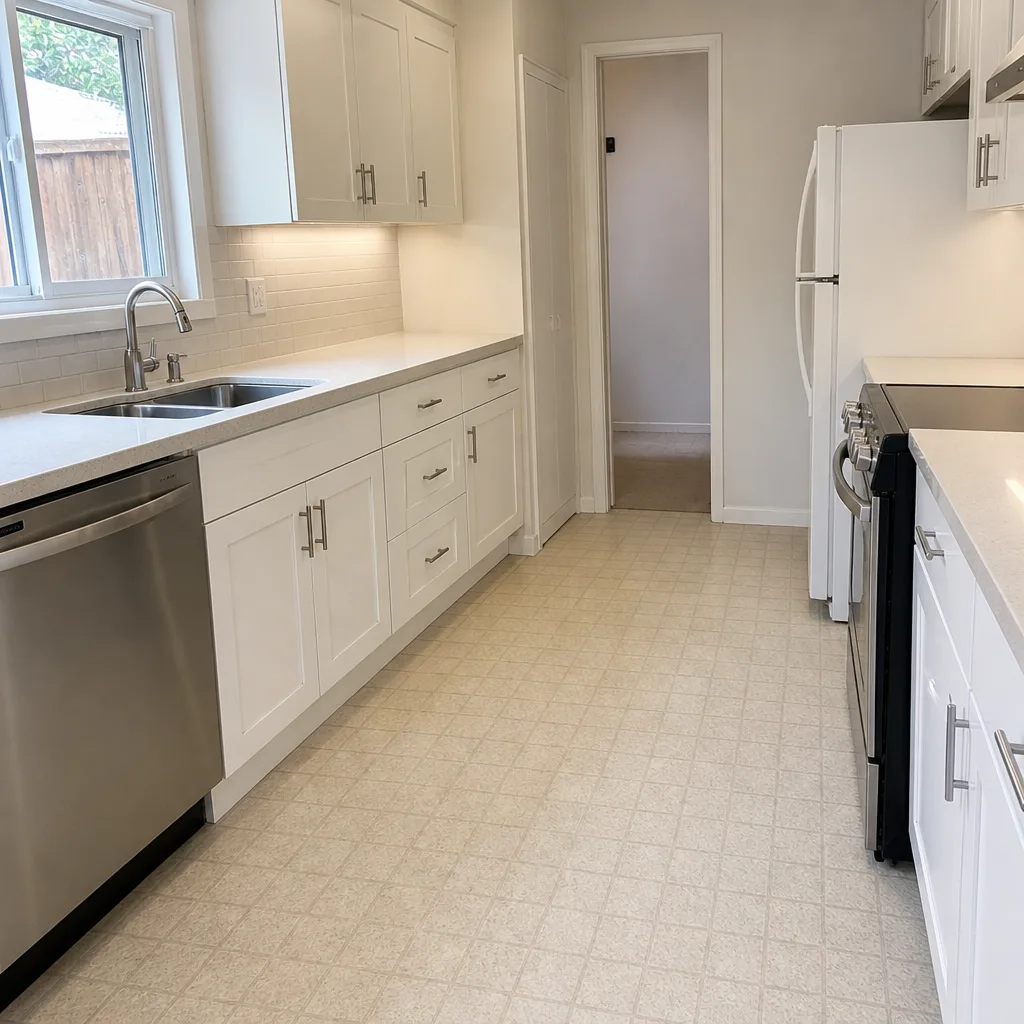
The other sequencing trap is cabinet-to-countertop timing. Cabinets have to be set level and shimmed before a templated stone counter goes in. Homeowners often install cabinets, then hire a counter fabricator, and discover the cabinets were ¼ inch out of level from wall to wall. Now the counter has to be templated twice. At Cambria and quartz prices, that’s a $1,500 to $2,500 mistake on a single kitchen. If you’re pricing out a kitchen, our guide on kitchen remodeling in Santa Clarita through the link below is worth a read before you commit.
Honest Math: Your Time vs Santa Clarita Labor Rates
Here’s where the calculation gets real. Santa Clarita labor is persistently backlogged. Good crews are booked 6 to 12 weeks out on most trades, and the reason is simple: the SCV builds a lot and has fewer licensed contractors per capita than LA proper. That backlog is a hidden factor in the DIY math. When you can’t get a plumber for six weeks, the temptation to do it yourself gets loud. But the labor rates here aren’t going down, and the contractor you hire at the back of the backlog isn’t necessarily the cheap one.
Run the math honestly. Take a realistic hourly value for your time (not what you wish it was). Then double the hours you think the job will take. Almost every homeowner underestimates by at least that factor. Then compare against a written estimate from a licensed crew.
- A weekend paint job at $75/hour of your own time vs. a kitchen repaint: DIY usually wins by margins that matter.
- A 3-weekend bathroom under your own permit vs. a licensed crew booking 8 weeks out: the licensed crew usually wins, because the “3 weekends” is typically 6 to 9 weekends plus inspection delays.
- A roof replacement in Santa Clarita: DIY almost never pencils out, because the permit, the inspection, the manufacturer warranty requirements on GAF or CertainTeed systems, and the liability all point away from it.
And there’s a cost to being down a bathroom or kitchen for those extra weekends. If the project runs long enough that you have to rent a temporary solution, that gets subtracted from the DIY savings column too.
Owner-Builder Permits: What You’re Actually Agreeing To
If you go the owner-builder route, read what you’re signing. The permit isn’t just an approval. It’s an agreement that carries legal weight, and most homeowners skim past it. Here’s what you’re accepting:
- You are the contractor of record. Any defect, code failure, or injury on the site is your responsibility, not a licensed professional’s.
- You must occupy the home for 12 months after completion. If you sell sooner, the sale can trigger disclosure complications and, in some cases, affect financing.
- You assume workers’ comp and liability exposure. If a friend helping you falls off a ladder, your homeowner’s policy may not cover it. Your licensed contractor’s insurance would.
- You waive the protections licensed contractors carry. No warranty, no bond, no license to hold accountable. The state can’t discipline you.
- You must disclose at sale. This is the one that changes the economics for most Santa Clarita families.
None of that means owner-builder permits are wrong. They exist for a reason, and California still lets you use them. But they’re a promise, not a shortcut. When someone signs one without reading it, we’re not surprised. We’re just the crew that gets called three years later to untangle the paperwork.
For a family planning on aging in place in a home in Canyon Country or Newhall, the calculus is different than for someone who will sell within five years. Be honest about which one you are. If you’re weighing an addition or accessory unit, the compliance overhead gets heavier fast. Our page on home additions and ADU in Santa Clarita covers the state and city layers that come with permitted additions.
The Hybrid Model That Actually Works
This is the approach we recommend most homeowners use. It’s not a compromise. It’s the model that captures the DIY savings on the work that carries low liability and puts the licensed crew on the work that gets inspected.
The hybrid model divides the project like this:
- You handle: demo, hauling, prep, material selection, and cosmetic finish work (paint, hardware, trim touch-ups).
- A licensed crew handles: anything requiring a permit and inspection (electrical, plumbing, gas, structural framing, roofing), and anything with a manufacturer warranty that requires licensed install (GAF roofing, CertainTeed, Andersen, Marvin, Therma-Tru doors, Mr-Glass shower systems, ViewLux windows).
- You both handle: timeline coordination. A hybrid project lives and dies on scheduling. Get the sequence agreed in writing before demo starts.
Why this works in Santa Clarita: the labor is what’s expensive here, not the materials. You capture the savings on the labor that doesn’t get inspected. You keep the licensed paper trail on the work that does. At resale, you have a clean record on the inspected work and no disclosure concern on the cosmetic work. That’s the combination buyers and lenders actually accept without friction.
The trade-off is coordination. A hybrid project has two calendars. Someone has to own the schedule. If you don’t want that job, don’t do hybrid. Just hire it out end to end. And if you need the DIY version of a project you’d otherwise hire out, we cover that in the same guide series, including the framing and drainage angles that get skipped on most DIY prep.
Common Mistakes to Avoid
- Pulling your own permit without understanding the 12-month occupancy rule. This isn’t a technicality. If you sell before 12 months, the disclosure burden lands on you.
- Hiring the cheapest bid on the same project you were going to DIY. The gap between the lowest bid and a written estimate from a licensed crew usually isn’t savings. It’s skipped permits or unbonded labor, and it turns into your problem at inspection.
- Doing the electrical and drywall without an electrical plan reviewed first. In Santa Clarita, the most common failure is on panel capacity, not wiring. A 1950s Saugus home may not have the headroom for what you’re adding. Check before you demo.
- Pouring flatwork without a drainage plan. Santa Clarita’s late-summer storms are short and violent. Water finds the low spot. Sometimes that low spot is your living room.
- Assuming your homeowner’s policy covers DIY mistakes. Most don’t, and the exclusions aren’t printed in big letters. Call your carrier and ask before you start.
- Installing premium brand material without checking warranty requirements. GAF and CertainTeed roof warranties are void if install isn’t done by a credentialed installer. Same story with Andersen and Marvin windows on the seal and glazing. You don’t get the warranty if you install it yourself, so the “brand” premium you paid isn’t actually buying you the coverage.
- Forgetting the disposal line item. Demo hauling in Santa Clarita isn’t free. Dumpster rental plus the tipping fees on construction debris add $400 to $900 to most kitchen tear-outs. That number has to be in the DIY column too, not just the contractor’s.
When to Call a Professional
Some jobs have a hard line. If the work is going to be inspected, walk away from DIY unless you are genuinely prepared for the disclosure and resale implications. That includes anything electrical beyond a fixture swap, anything touching gas lines, anything structural, any roofing project with a warranty involved, and any plumbing that goes behind a wall. Santa Clarita code and inspection requirements changed meaningfully in the last decade, and inspectors are not shy about failing work that would have passed in 2015. Steep-roof and second-story work is dangerous in a way that no homeowner should learn the hard way, and high-tension garage hardware has injured experienced tradespeople. For anything above 8 feet on a pitch, or any gas or panel work, hire a licensed crew. Barrett & Sons Construction Santa Clarita offers free estimates in Santa Clarita. Call (833) 762-8116 to schedule yours.
Frequently Asked Questions
Yes. California allows owner-builder permits, and Santa Clarita follows state rules. But the permit assumes you’ll occupy the home for at least 12 months after the work is completed, and you must disclose owner-builder work at sale. Read the paperwork in full before you sign. Call (833) 762-8116 if you want to talk through whether your project fits the owner-builder model before you commit.
Yes, but only in specific categories: interior painting, landscaping, existing-footing fence replacement, cosmetic finishes, and demo. In those categories, DIY labor savings are real and the disclosure risk is minimal. For anything inspected, the DIY savings usually get erased at resale or at the first inspection. Call (833) 762-8116 for a written estimate that lets you compare honestly.
Trade sequencing failures, by a wide margin. Wiring before drywall with the wrong capacity, or pouring flatwork before drainage, typically costs $3,000 to $8,000 in undo-and-redo. Cabinet-to-countertop sequencing errors add $1,500 to $2,500 on a kitchen. The fix isn’t more skill, it’s a sequence plan before you start. Call (833) 762-8116 if you want us to review yours.
Yes. Any work done under an owner-builder permit must be disclosed at sale in California. Buyers’ lenders and insurers increasingly require licensed sign-off on owner-builder work, which can stall escrow or force a re-inspection and renegotiation. If you’re planning to sell within five years, the DIY math usually flips. Call (833) 762-8116 for a free second opinion on any written estimate you’re comparing.
Anything touching gas, electrical panels, or structural framing. Anything on a pitched roof above single-story walkable pitch. Anything where a manufacturer warranty (GAF, CertainTeed, Andersen, Marvin, Therma-Tru) requires a credentialed installer. And anything an insurer will later ask about on a claim. These aren’t skill questions. They’re liability questions. Call (833) 762-8116 to schedule a free estimate on any of these.
Yes, and it’s usually the best DIY leverage you have. Demo, hauling prep, and material staging are labor hours a licensed crew would otherwise bill. Get the sequence agreed in writing first, and confirm the licensed crew is comfortable taking over from a partially demo’d site. Call (833) 762-8116 to plan a hybrid scope – demo by you, inspected work by us.
The Bottom Line
The DIY-versus-hire question isn’t a test of how handy you are. It’s a question of what you’re willing to have follow the title to your house for the next 20 years. In Santa Clarita, DIY wins on cosmetics and prep. It loses on anything that gets inspected, because the disclosure, insurance, and resale math usually costs more than the labor you saved. The hybrid model is the real answer for most homeowners: do the demo and finish work yourself, hire a licensed crew for the electrical, plumbing, structural, and roofing scope. Get the sequence in writing before anyone touches a hammer. Whether you’re planning a kitchen, a roof, or an addition in Valencia or Newhall, start with the Barrett & Sons Construction Santa Clarita home page to see how we scope projects, and ask for a free written estimate before you commit to either path.
Barrett & Sons Construction is a licensed local contractor in Santa Clarita, and we’ve spent years walking homeowners through this exact decision. If reading this guide has clarified your project, that’s what we’re here for. If you’re still weighing the hybrid model or the full-hire path, we’d rather have that conversation before you start. Call (833) 762-8116 for a free estimate. Our technicians have up to 28 years of experience, we pull every eligible permit and get every inspection signed, and every completed job is backed by our written 90-Day Done Right Promise.
Written by the team at Barrett & Sons Construction Santa Clarita.
Styles & brands we work with
- Kitchen remodeling
- Bathroom remodeling
- Home additions & ADU
- Roofing
- Windows & doors
- Driveway & pavers
- Fence
See the difference
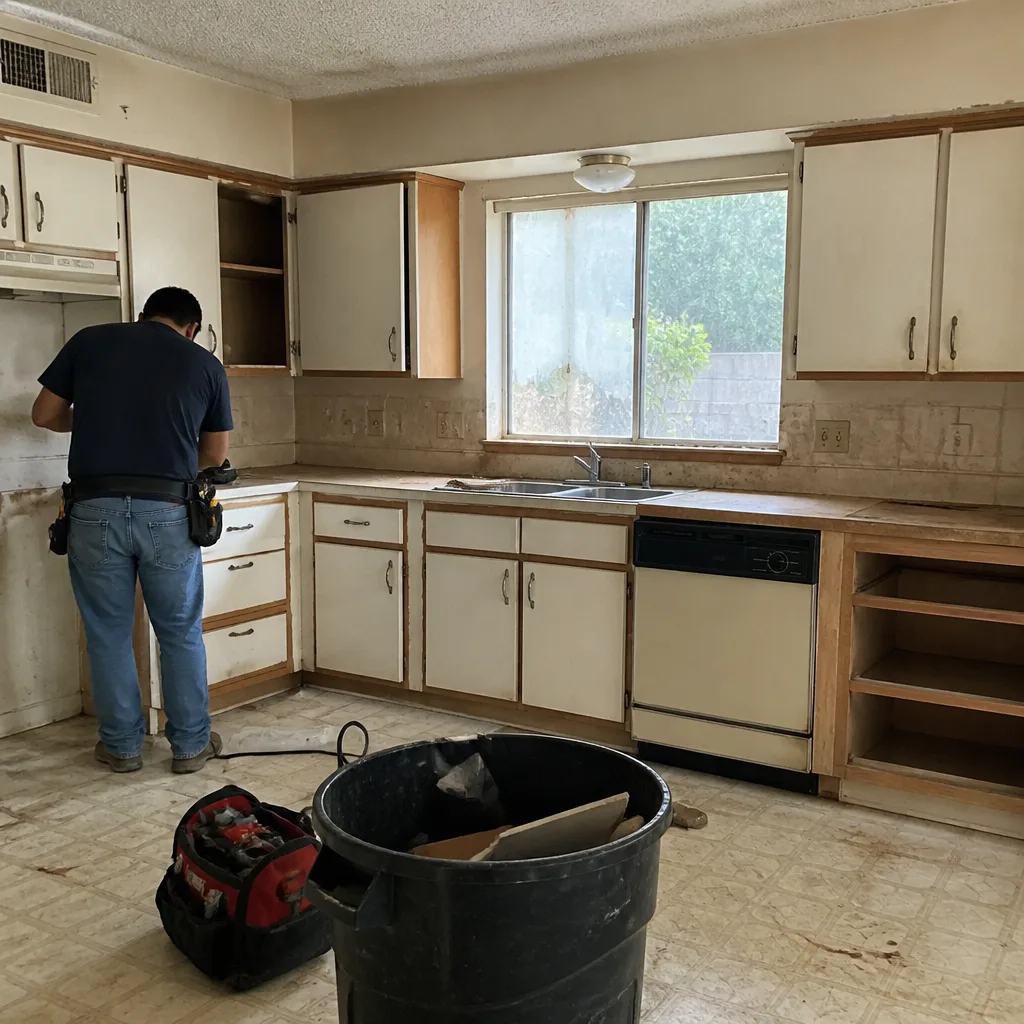 Before
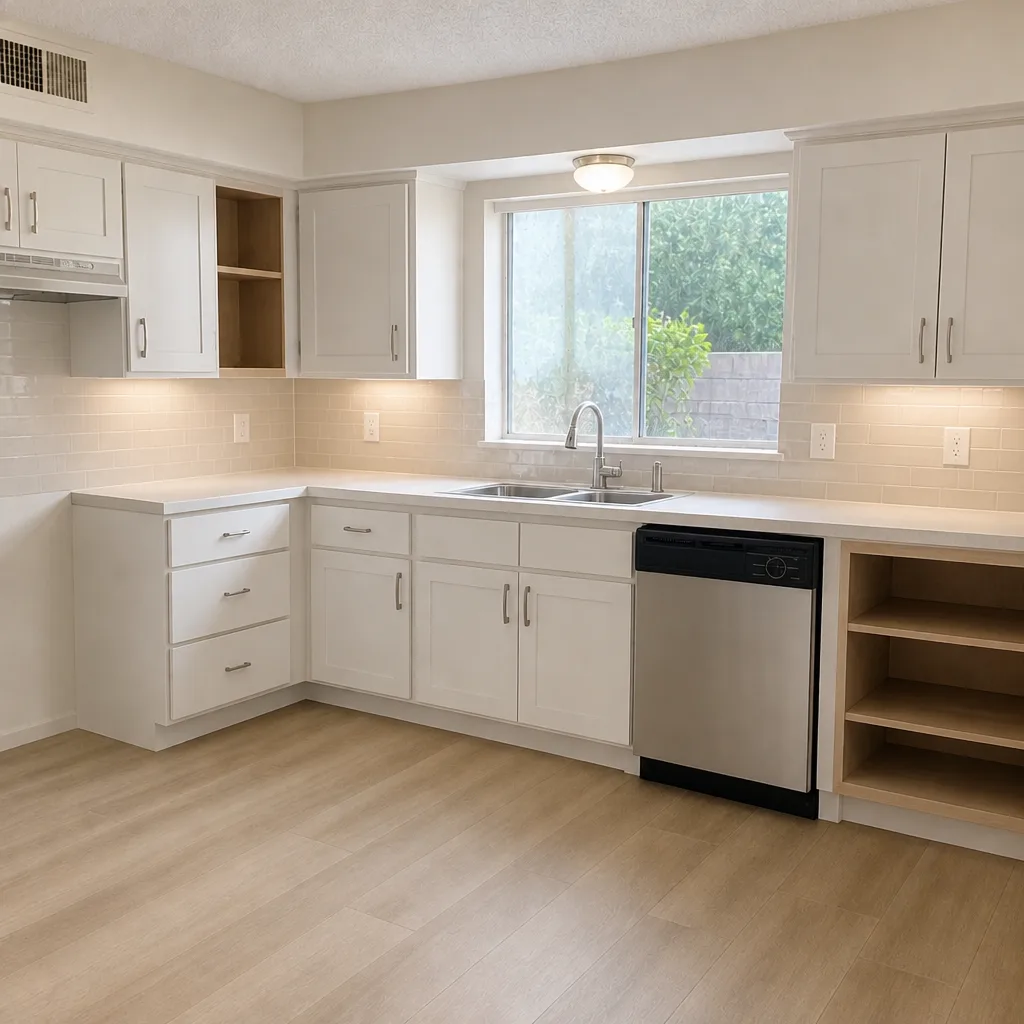 After
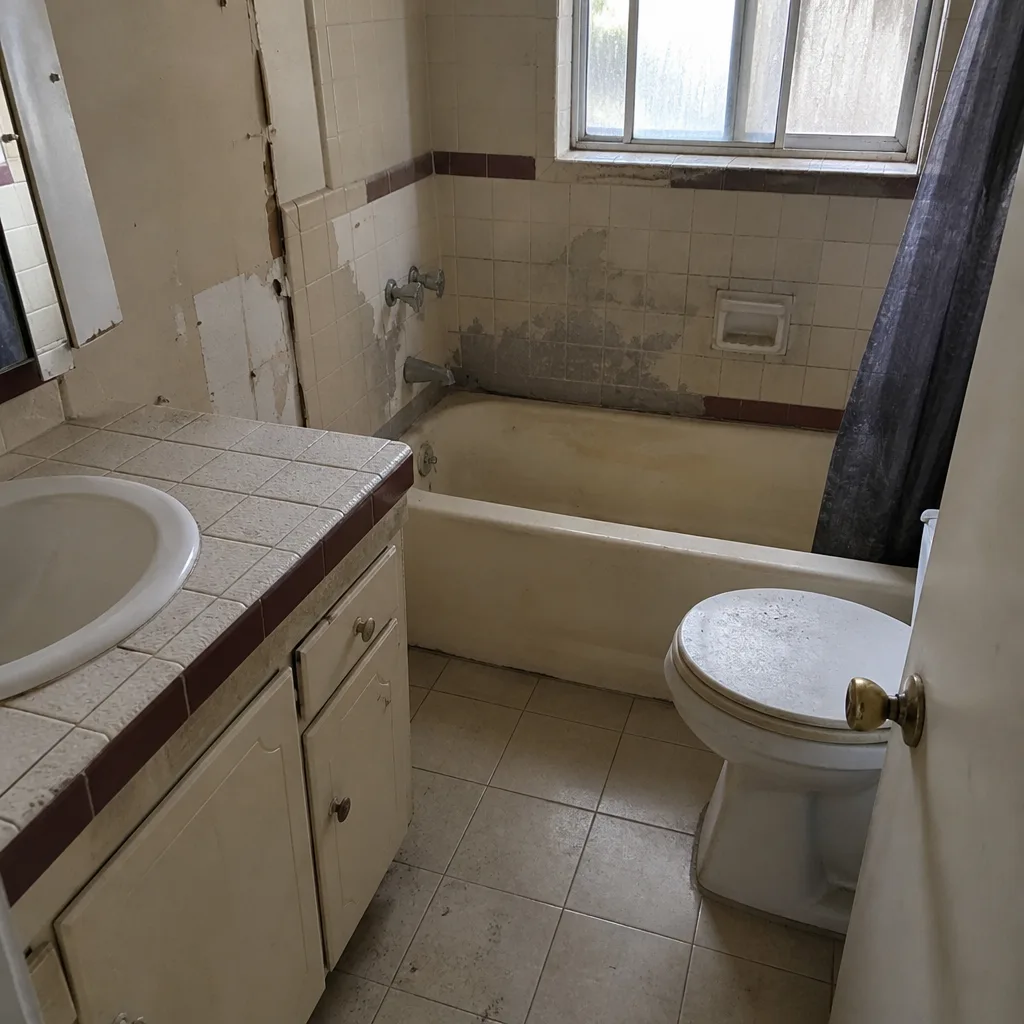 Before
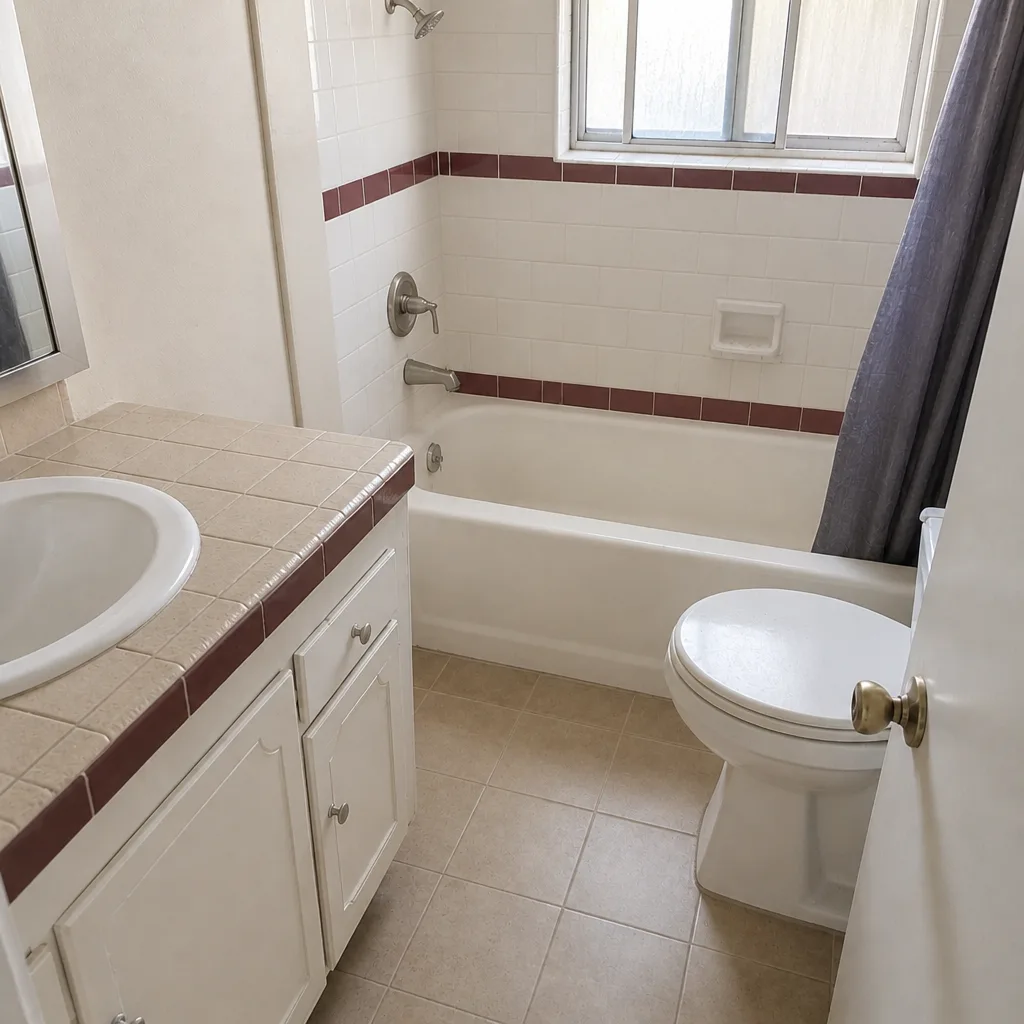 After
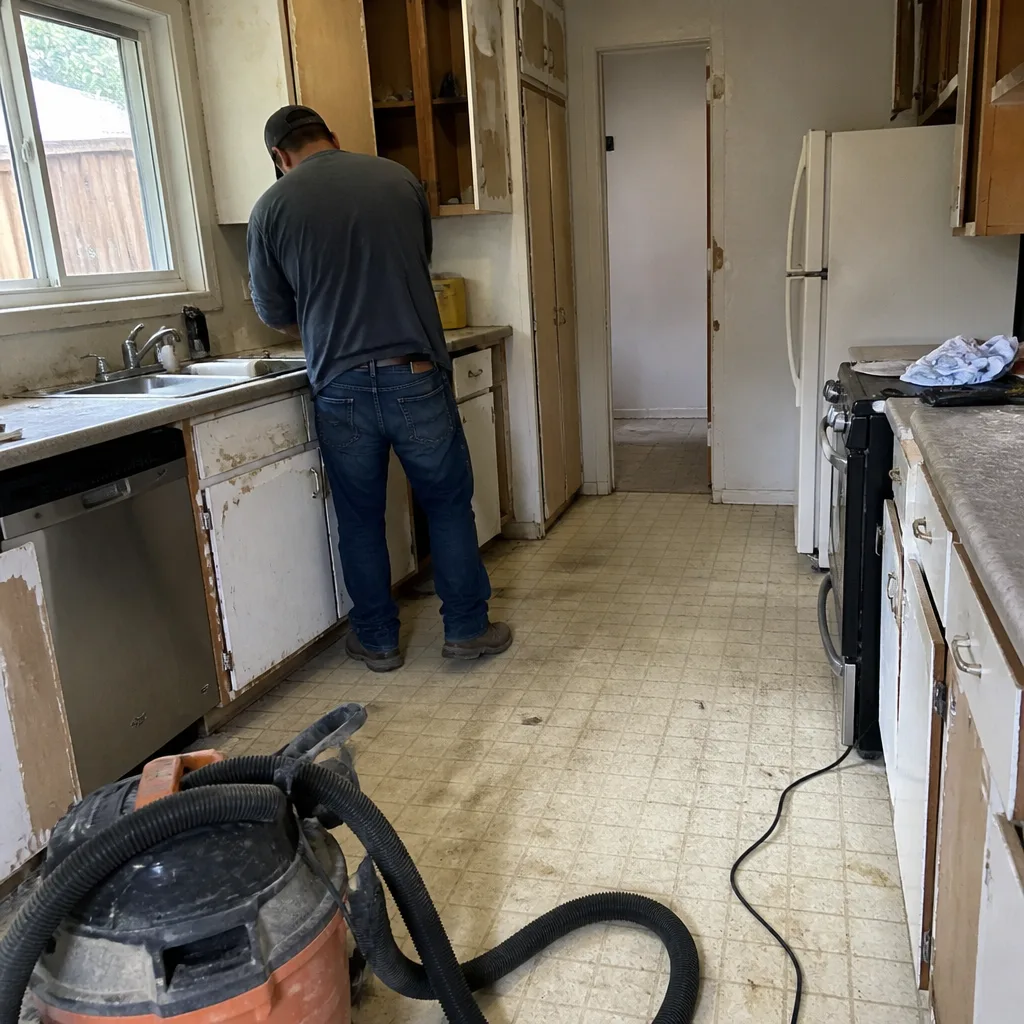 Before
 After