
Last updated November 16, 2026
 Home additions & ADU
 Kitchen remodeling
 Bathroom remodeling
 Roofing
 Windows & doors
 Driveway & pavers
 Fence
Free written scope consultation - allowances, timeline, and change-order rules on paper before a single trade is scheduled
DIY vs Professional Home Additions & ADU: What’s Safe to Do Yourself
California lets an owner-builder pull a permit and build an addition or ADU with their own hands. That’s a real rule, not a rumor. What the rule doesn’t tell you is that the permit record follows the house forever: it lands in the public file, the Title 24 energy paperwork, and the county assessor’s roll, and any lender, appraiser, or buyer can read it years later. We’ve sat across kitchen tables in Santa Clarita while families worked out what that record meant for their sale date. So the honest question on an ADU or addition isn’t “can I physically do this task.” It’s “will doing this task myself void a permit, fail an inspection, or leave a liability that follows the house to resale.” Here’s how to tell the two apart.
Styles & brands we work with
- Kitchen remodeling
- Bathroom remodeling
- Home additions & ADU
- Roofing
- Windows & doors
- Driveway & pavers
- Fence
Quick Answer
In an addition or ADU project, DIY is genuinely safe and legal for finish painting, interior trim, cabinet hardware, and landscaping around the finished structure. DIY is neither safe nor legal for electrical panel work, gas line connections, and the structural framing that requires a signed inspection – those are licensed-trade work in California, and doing them yourself can void the permit and trigger demolition to expose what an inspector couldn’t see. Everything structural, electrical, or gas-related should be handled by licensed professionals.
Table of Contents
- The owner-builder permit: what it really means in California
- What’s genuinely safe to do yourself on an addition or ADU
- The licensed-trade-only work where DIY breaks the law
- What happens when an inspector finds unpermitted work mid-project
- The honest cost comparison: labor rates vs. the risk of a failed inspection
- Santa Clarita specifics: climate, code, and neighborhoods
- How a DIY addition shows up at resale and financing
- Common mistakes to avoid
The owner-builder permit: what it really means in California
California’s owner-builder exemption lets you pull a permit and act as your own general contractor on your own primary residence, as long as you meet the contractor licensing exemption rules. You can legally hire subcontractors, manage the schedule, and sign the permit documents in many cases. The one condition people miss: the owner-builder exemption requires that the home be one you will live in, and it carries disclosure requirements when you turn around and sell within a set window. That disclosure is the part that surprises people.
What the owner-builder path actually leaves behind is a paper trail:
- A permit record that names you, not a contractor.
- Inspection sign-offs that list the dates each element was checked.
- A Title 24 and energy compliance document tied to your name.
- Assessor records that update the square footage and the tax basis.
- Any required owner-builder disclosure when the property is sold within the window the state sets.
In Santa Clarita, the permit record is readily searchable through the city’s online portal, and appraisers pull it before a refinance or sale. We’ve walked into homes in Saugus and Valencia where a ten-year-old owner-builder addition still generated inspection requests at a refinance because a permit was pulled but never finaled. The paperwork doesn’t expire; it just waits.
When does owner-builder actually make sense? Usually on smaller, self-contained projects where you’re genuinely capable, you carry the time, and the scope is limited enough to keep the inspection clear. When does it go sideways? On anything with structural, electrical, or gas scope that crosses a licensed-trade boundary, or on any project where you plan to sell within that disclosure window. That’s where the risk lives.
If you want a contractor who pulls permits and gets every inspection signed on your behalf, our Home Additions & ADU in Santa Clarita page covers that path.
What’s genuinely safe to do yourself on an addition or ADU
The safe DIY list is shorter than most people expect, but it’s real. These are tasks that don’t require a permit, don’t require a licensed trade, and don’t create hidden defects that follow the house. Limiting your DIY to this category is the single best protection for your investment.
- Finish painting. Interior and exterior painting, after all inspections pass, is fully DIY-appropriate. Zero permit impact.
- Interior trim and baseboard. Installing baseboard, casing, and door trim after drywall is signed off doesn’t touch structural, electrical, or gas.
- Cabinet hardware and drawer pulls. If you’re outfitting an ADU kitchenette or bath, installing pulls and knobs is simple and safe. For full cabinet and countertop work, our Barrett & Sons Construction Santa Clarita home page lays out how we handle that trade.
- Landscaping around the structure. Planting, mulch, and patio border all sit outside the permit footprint, as long as you don’t grade against the foundation or alter drainage.
- Interior finishing touches. Switch plates (after electrical is signed off), shelf installation that doesn’t touch critical structure, and furniture installation.
- Move-in ready work. Cleaning, final walkthrough prep, and punch-list items that don’t require an inspection.
What you’ll notice: every task on this list sits downstream of the inspections. You’re doing the last 10-15% of the work, after the 85-90% that required a license has been signed off. That ordering matters, and it’s what separates a happy DIY project from a horror story. In our experience the homeowners who thrive on self-performed work are the ones who treat the licensed portion as untouchable.
The licensed-trade-only work where DIY breaks the law
California’s Contractors State License Law requires a licensed contractor for any project over $500 in labor and materials, and specific trades require specific licenses regardless of project size. Three categories are non-negotiable on an addition or ADU:
Electrical panel work. Replacing a service panel, adding a subpanel, wiring an ADU kitchenette, or pulling a new circuit requires a licensed C-10 electrical contractor, a permit, and an inspection. Panel work is also genuinely dangerous: 240-volt service doesn’t warn you, and a bad panel connection is a fire that starts inside a wall. No guide can safely walk you through this, and we won’t try. If your panel needs work, hire the licensed electrician.
Structural framing that requires inspection. Every structural element in an addition or ADU – foundation, shear walls, headers, roof framing – gets inspected by a city or county building inspector at specific phases. The inspector has to see the framing before the drywall goes up. If you self-perform the framing and the inspector fails it, you’re removing drywall and finish to expose the work, then doing it over. That correction cost is on you. Structural framing isn’t a task where “I think it’s fine” survives an inspection – it either passes or it doesn’t.
Gas line connections. Running or connecting gas to an ADU kitchenette, dryer, water heater, or outdoor BBQ requires a licensed plumber and a separate gas permit with a pressure test inspection. A DIY gas connection that leaks is a carbon monoxide or explosion risk, and no homeowner should be in that position.
There’s a fourth category that sits at the seam: plumbing rough-in and water heater replacement. Some minor plumbing can be self-performed under an owner-builder permit, but rough-in that gets buried in a wall should be signed off before drywall. The line between “fine” and “not fine” here is thin enough that most professionals don’t cut it close.
What happens when an inspector finds unpermitted work mid-project
This is the section most DIY guides skip. When the building department discovers unpermitted or non-code work during a permitted project – or when a neighbor calls, a utility flags it, or a refinance appraisal surfaces it – the consequences follow a specific sequence:
- A stop-work order. The inspector issues it on the spot. No inspections happen until the issue is resolved, and no contractor continues.
- Required demolition to expose covered elements. Anything the inspector needs to see must be opened up: drywall removed, ceiling opened, sheathing pulled back. Repairing that after correction is a cost many owners don’t foresee.
- Re-inspection fees and correction cycles. Every failed inspection carries a fee in most jurisdictions, and each correction starts a new inspection cycle. In Santa Clarita this can add weeks to the schedule and thousands to the budget.
- Possible certificate of occupancy delay. An addition or ADU can’t be occupied or financed until the certificate of occupancy is issued, and it won’t issue while corrections are open.
- Cost borne by whom? When the work was self-performed under an owner-builder permit, the cost is the owner’s. No contractor liability, no recourse, no insurance claim on work the owner performed.
We’ve seen a stop-work order turn a six-week project into a five-month project in Canyon Country, on a detach
See the difference
 Before
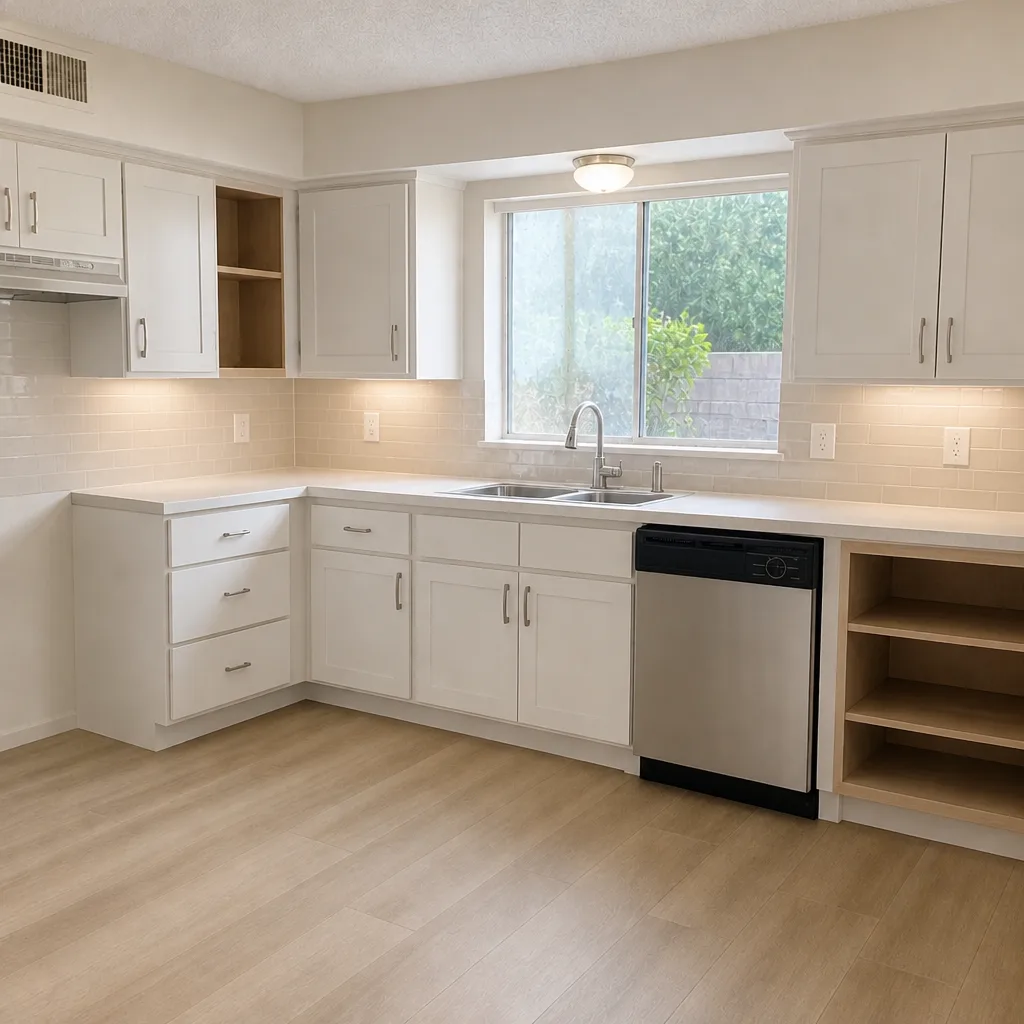 After
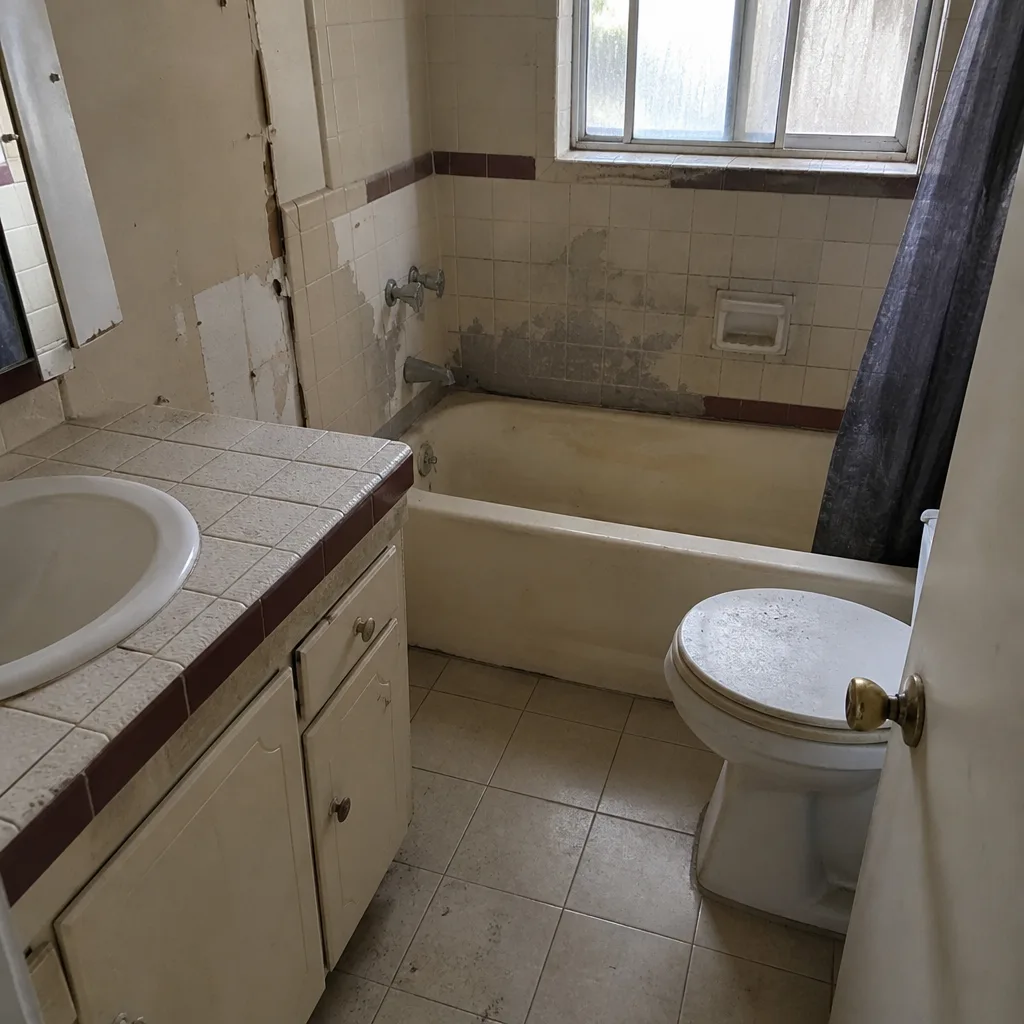 Before
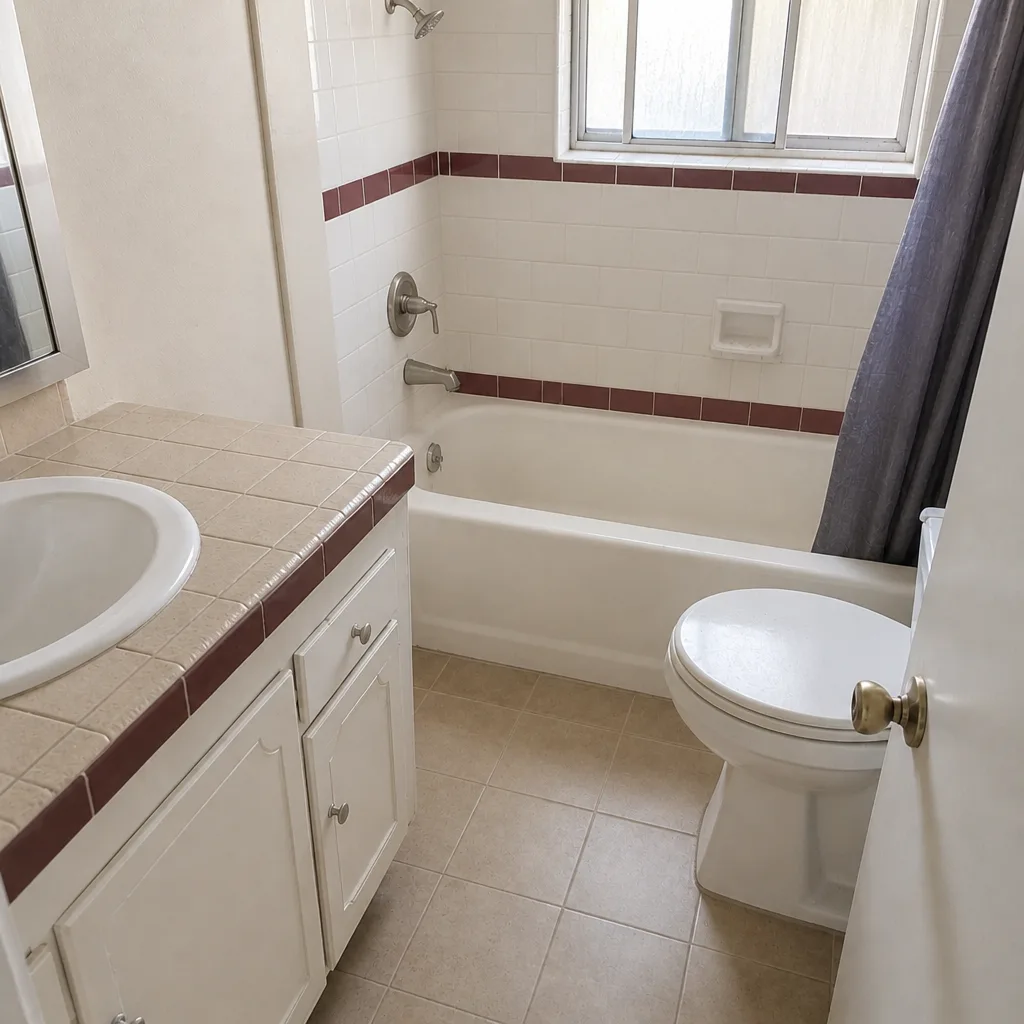 After
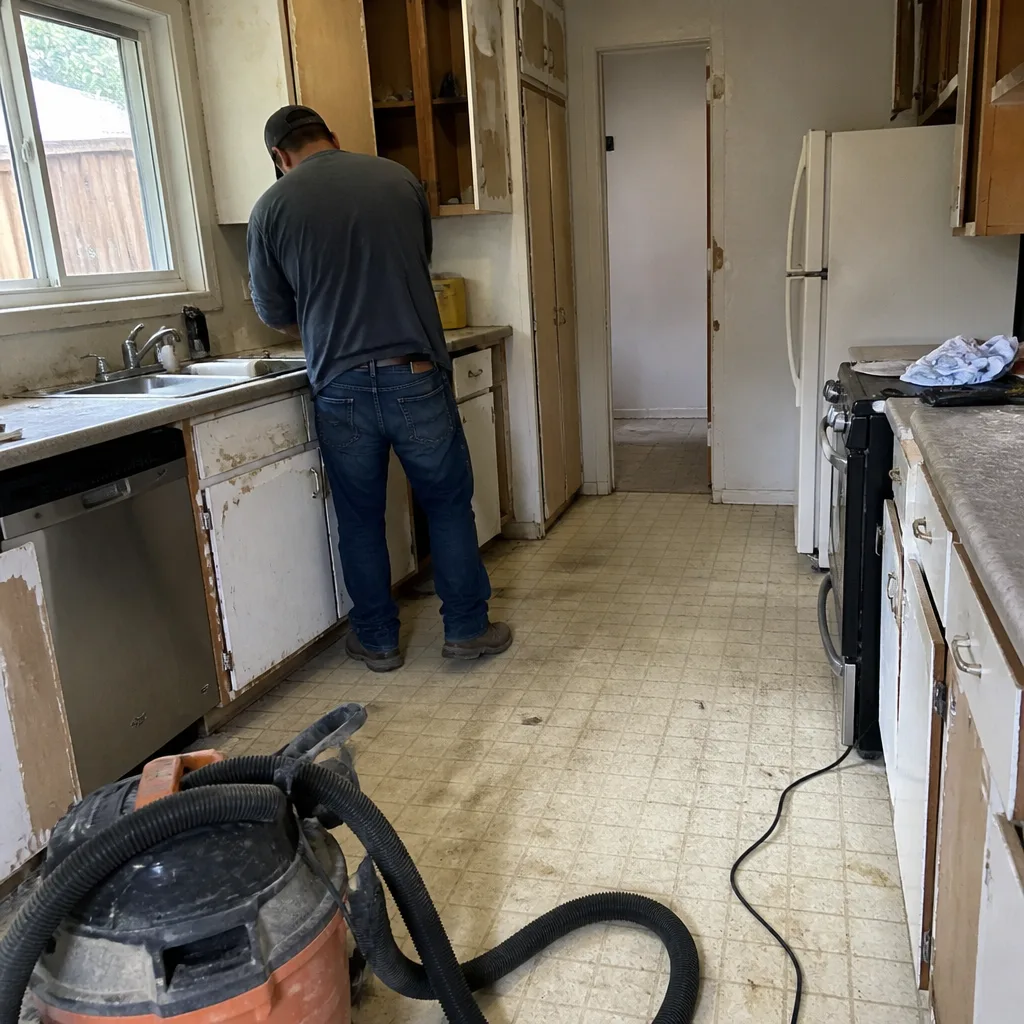 Before
 After