
Last updated November 16, 2026
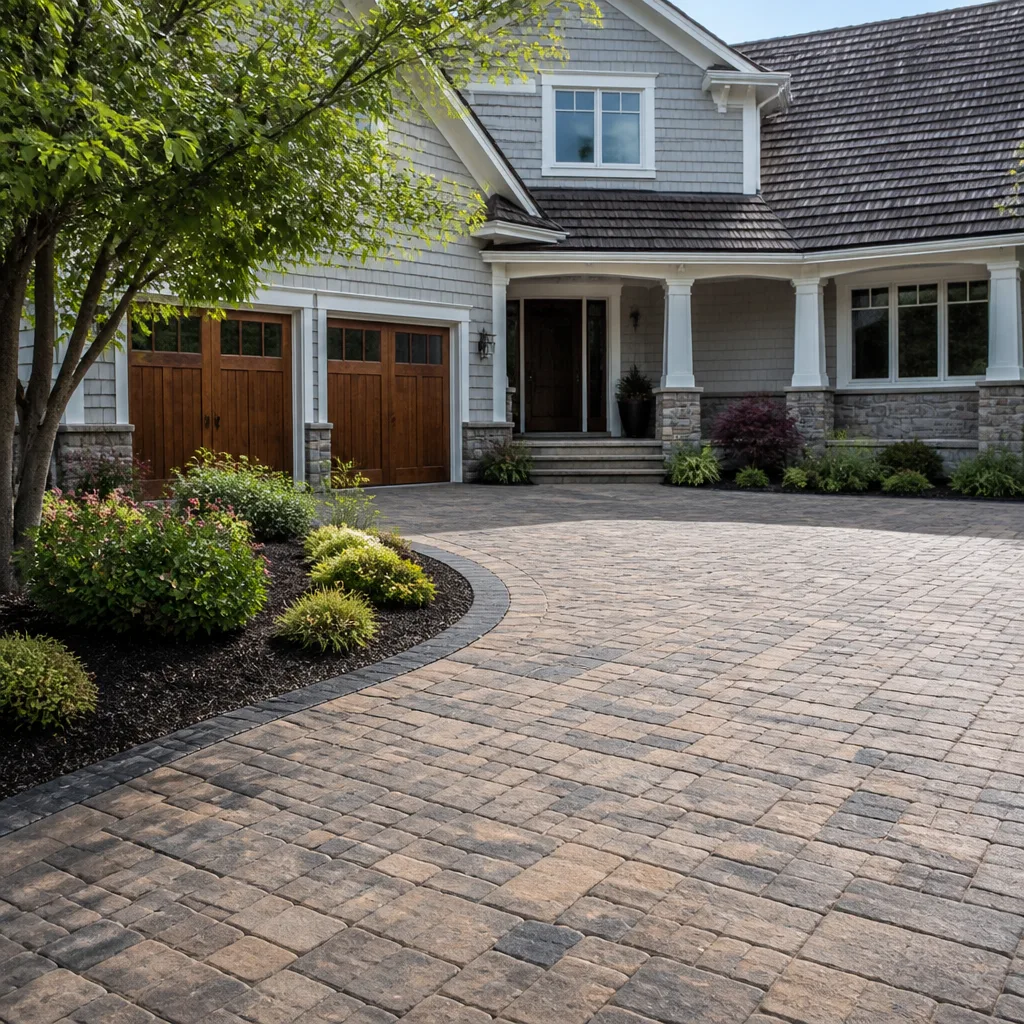 Driveway & pavers
 Kitchen remodeling
 Bathroom remodeling
 Home additions & ADU
 Roofing
 Windows & doors
 Fence
Free written scope consultation - allowances, timeline, and change-order rules on paper before a single trade is scheduled
The Complete Driveway & Pavers Guide for Santa Clarita Homeowners
Most paver failures in Santa Clarita start six inches underground, not at the surface. The visible cracking and shifting homeowners call about is almost always a base problem that began on day one. Santa Clarita sits on some of the most expansive clay soil in Southern California, and it bakes at 100°F-plus for weeks each summer. Generic installation advice written for sandy Florida lots or coastal Orange County doesn’t survive either condition. This guide covers what actually holds up here: the base depth our crews build on, how pavers and stone behave under this valley’s heat cycles, the drainage grades that protect foundations in Canyon Country and Stevenson Ranch, the permits Santa Clarita requires, and how to read a contractor bid so you can tell a real quote from a lowball that gets padded later.
Quick Answer
A driveway in Santa Clarita needs a compacted aggregate base deeper than the Southern California average, a slope that moves water away from the house at roughly 2% fall, and a permit before the first shovel hits dirt. Cambridge and Belgard pavers, installed over a properly compacted base with correct drainage, will outlast a poured slab in this climate. Skip any one of those three and you’ll be repaving within five to seven years.
Styles & brands we work with
- Kitchen remodeling
- Bathroom remodeling
- Home additions & ADU
- Roofing
- Windows & doors
- Driveway & pavers
- Fence
Table of Contents
- Why Santa Clarita’s Clay Soil Changes the Whole Game
- How the Heat Treats Pavers vs. Natural Stone vs. Permeable Systems
- Drainage Slopes That Protect Your Foundation on Hill Grades
- What Permits Does Santa Clarita Require for Driveway Work?
- How to Read a Paver Bid: The Three Line Items That Matter
- Choosing Paver Materials for This Valley
- What a Proper Installation Looks Like, Step by Step
- Keeping Pavers Looking Right in Santa Clarita
Why Santa Clarita’s Clay Soil Changes the Whole Game
If you’ve ever watched a fence post heave out of the ground or a sidewalk crack along a diagonal line with no traffic on it, you’ve met expansive clay. Santa Clarita has it in spades. The soil holds water like a sponge, swells when it’s wet, and shrinks back when the summer dries it out. That cycle repeats every year, and it moves everything sitting on top of it.
Here’s what that means for a driveway. The standard base thickness in much of Southern California is four inches of compacted aggregate. On Santa Clarita clay, our crews treat four inches as a starting point for foot traffic, not vehicles. For a driveway carrying a full-size pickup or an SUV, we’re building six to eight inches of compacted Class II base, sometimes more where the subgrade is particularly bad, in lifts of two to three inches each and compacted with a plate compactor between each lift. You cannot compact a six-inch lift in one pass. It looks fine on top and stays loose underneath.
We’ve seen it in neighborhoods off Bouquet Canyon and in the older tracts near Solemint Junction where the original slabs had no aggregate base at all, just pavers set on sand. Those driveways show rutting along tire tracks within three or four years. The pavers themselves are fine. The base failed.
- Expansive clay swells and shrinks with the seasons, stressing everything above it.
- Six to eight inches of compacted Class II base is our working minimum for driveways, not four.
- Two to three inch lifts compacted individually, not one thick pour of gravel.
- Geotextile fabric between the subgrade and the aggregate slows migration of fines into the base.
How the Heat Treats Pavers vs. Natural Stone vs. Permeable Systems
Santa Clarita gets weeks of triple-digit heat every summer. That’s not just a comfort issue for the person installing the material. It changes how each surface behaves.
Concrete pavers, including Cambridge and Belgard lines, are manufactured with colorfast pigments and a high compressive strength. They handle the heat well and hold color longer than most people expect, but a dark chocolate or charcoal paver will read hot to a bare foot and can hit 140°F surface temperature in August. Inspect a sample in direct sun before you commit to a dark color on a west-facing driveway.
Natural stone like travertine or flagstone looks gorgeous and stays cooler underfoot, but it’s more porous and needs sealing to survive this valley’s sun. Unsealed stone here will fade and pit within a few years. Sealing is a real, recurring cost, not a one-time upsell.
Permeable pavers with open joints and a gravel reservoir below are excellent in areas with clay soil that needs help draining. They’re not a magic bullet. In clay-heavy Santa Clarita lots, permeable systems need careful engineering so water percolates out instead of pooling in the reservoir. Some lots don’t have the percolation rate to support them without a reinforced subgrade.
One more heat-related point most guides skip: installers who set pavers on a hot afternoon without a compacted, stable base feel will get edge creep along the borders by fall. The joints widen when the material cools and contracts. We schedule installations so the compaction happens in cooler morning hours and check edge restraints twice.
Drainage Slopes That Protect Your Foundation on Hill Grades
Water is the enemy of every driveway, and Santa Clarita’s rolling grades make it a real design problem. Canyon Country and Stevenson Ranch both have streets where a driveway climbs steeply, and the water off the top of that slope has to go somewhere. If it goes toward the house, you’re in for foundation problems you’ll be paying for the rest of your life.
The general rule is a minimum 2% slope away from the house, which is about a quarter inch of fall per foot. On a 20-foot driveway, that means the far edge should be four to five inches lower than the edge near the garage. On steep lots, that rule needs to be combined with a channel drain, a French drain at the low point, or a swale that carries water around the house rather than past it.
In our experience across Santa Clarita, the call we get most often after a heavy rain is about water pooling against a garage door. Usually it’s because the original installer left the driveway nearly flat near the door because it looked cleaner, or the slope was calculated without accounting for the apron. Building the fall in from the start is free. Retrofitting a drain later runs into real money.
- Check the fall: minimum 2% away from the structure, more on long runs.
- Route the water: have a plan for where it ends up (gutter, swale, grate, storm drain).
- Watch the low spots: the driveway apron where it meets the street is a common pooling point.
- Confirm the reservoir: if the lot is flat, permeable pavers may be a better answer than a slope you can’t build.
What Permits Does Santa Clarita Require for Driveway Work?
This is the section most homeowners skip and later regret. Every driveway replacement or substantial alteration in Santa Clarita needs a permit from the city’s Building and Safety division. The exact requirements vary based on whether you’re changing the footprint, adding a curb cut, working near the street right-of-way, or touching storm drainage, but a full replacement always touches at least one of those categories.
Why does it matter? Two reasons. First, unpermitted work shows up during a home sale inspection and can stall a closing until it’s torn out and redone. We’ve seen escrow freeze for weeks over a driveway added without a permit. Second, the city inspects the base and drainage before the pavers go down. That inspector works for you, not for the crew. If the base hasn’t been built to spec, you find out before a single paver is laid rather than watching it fail two summers later.
Your contractor should be pulling the permit as part of the written scope, not charging extra for it or leaving it to you. At Barrett & Sons, every eligible job includes permits pulled and inspections signed because the last contractor most people used told them permits were optional. They weren’t.
How to Read a Paver Bid: The Three Line Items That Matter
The difference between a real quote and a lowball bid almost always comes down to three things. If any of them is missing or vague, the price you see on page one is not the price you’ll pay.
- Base specification. The bid should say exactly what depth of base is being installed, what type of aggregate, and that it will be compacted in lifts. “Gravel base” isn’t a spec. “Six inches of Class II base, compacted in two-inch lifts, over geotextile fabric” is.
- Drainage plan. The bid should describe the slope (minimum percentage and direction) or the drainage components (channel drain, French drain, area drain) with a line item for each. Any bid that doesn’t mention water is a bid that hasn’t thought about water.
- Permits and disposal. Permit fee, permit pull, and haul-away of the old material should be line items. Skipping these from the quote is a classic way to pad the price later with a “change order” that should have been in the original bid.
The other thing to look for: written change orders. Every scope change, every material substitution, every allowance should be in writing before work moves forward. Tom Barrett’s line is that an allowance that isn’t on paper is a surprise waiting for a date. That’s true on a $90,000 kitchen remodel and it’s true on a paver driveway.
Barrett & Sons uses Belgard and Cambridge pavers, plus Quikrete base materials and Sakrete for smaller repairs, so every material on your bid is a brand you can look up. The 90-Day Done Right Promise is printed on every contract, and if something isn’t right, Tom comes back himself. Published standing offers include a $40 Off Any Repair Over $200, a Free Second Opinion on Any Written Estimate, No Trip Charge Inside the County, and a permanent 10% Senior & Veteran discount, which is worth knowing when you’re collecting quotes.
Choosing Paver Materials for This Valley
Material selection is where a lot of Santa Clarita homeowners get talked into something they didn’t want. Here’s how the main categories actually behave in this valley.
- Concrete pavers (Cambridge, Belgard, Oldcastle): The most common choice here for good reason. Uniform color, tight joints, easy repair, and they hold up to the heat. Dark colors read hot underfoot. Light sand and limestone tones stay cooler and hide dust from the dry season.
- Clay brick pavers: Beautiful and extremely hard, but more expensive and more labor-intensive to install. Worth it for a front walkway or accent border. Less common as a full driveway.
- Natural stone (travertine, flagstone): Cooler underfoot and lower maintenance in the heat than many expect, but they need sealing and the color palette fades faster than concrete pavers in Santa Clarita’s UV load.
- Permeable pavers: A real solution in flat lots with drainage constraints. Require more engineering up front and a maintenance plan for keeping the joints open.
Whichever you pick, ask to see the product in direct sun on a sample board and confirm the color match on the actual pallet delivered to the job. Batches vary. A supplier’s sample tile and the pallet on site are not always the same shade, and your driveway is the wrong place to find that out.
What a Proper Installation Looks Like, Step by Step
Understanding the sequence helps you judge a crew mid-job. Here’s the process our teams follow on a Santa Clarita driveway.
- Demo and haul-away. Remove the old surface and dispose of it. Inspect the subgrade before anything goes back down.
- Subgrade prep. Grade to the drainage plan and amend any particularly bad soil patches.
- Geotextile fabric. Laid over the subgrade to keep fine clay particles from migrating into the base.
- Base install in lifts. Six to eight inches of Class II aggregate, compacted in two to three inch lifts with a plate compactor. This is the step where shortcuts show up years later.
- Edge restraints. Aluminum or concrete curb set along the perimeter so pavers can’t creep outward under vehicle load.
- Sand setting bed. One inch of coarse bedding sand screeded evenly.
- Paver lay and cuts. Install per pattern, cut edges to fit with a wet saw for clean lines.
- Polymeric joint sand. Sweep into joints, activate with water, and allow to cure. This is what keeps weeds out and pavers locked.
- Final inspection and cleanup. Walk the job with the homeowner and hand over the written 90-Day Done Right Promise.
Keeping Pavers Looking Right in Santa Clarita
Pavers in this valley are low-maintenance, not no-maintenance. The dust and pollen load from spring through early summer is real, and the sun will fade unsealed polymeric sand faster than you’d expect.
- Rinse and re-sweep twice a year. Spring and fall, before the seasonal shifts.
- Top up joint sand every two to three years. If you can see gap between pavers, you’re losing polymeric sand.
- Spot-clean oil and rust promptly. Dry dust on a hot driveway sets stains faster than many homeowners realize.
- Check the drainage after the first rain each fall. Watch where water actually goes. If it’s pooling nowhere near the drain you planned, call your installer.
- Don’t pressure-wash aggressively. A focused 3,000 PSI blast will strip polymeric sand out of the joints. A fan tip and lower pressure does the same job.
Common Mistakes to Avoid
- Trusting a four-inch base on Santa Clarita clay. It’s the most common cause of early failure we’re called to fix, and the fix is a full redo.
- Ignoring the permit. An unpermitted driveway can stall a home sale and cost thousands to legalize. Skip it and the risk lives with you, not the contractor.
- Skipping edge restraints. Without them, the outer row creeps and the whole field starts to spread on hot days.
- Building the slope without a drainage plan. Water has to go somewhere, and “somewhere” is not the garage door.
- Accepting a verbal change order. If the crew says they need to add a drain or move a downspout, get it in writing before the work starts.
- Not confirming the pallet color matches the sample. Batches vary. Check the pallet before it comes off the truck.
- Using a crew that won’t pull a permit. That’s the same one that will disappear when something fails two summers from now.
See the difference
 Before
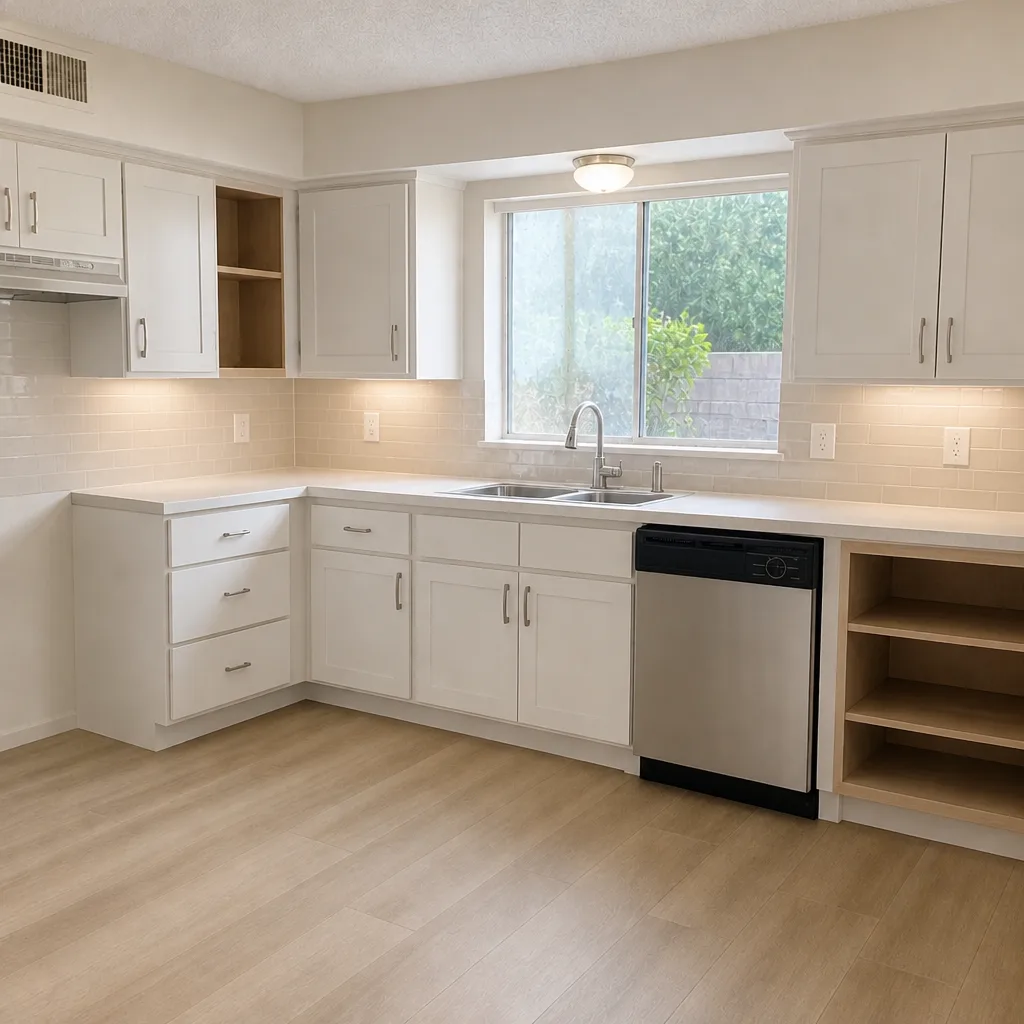 After
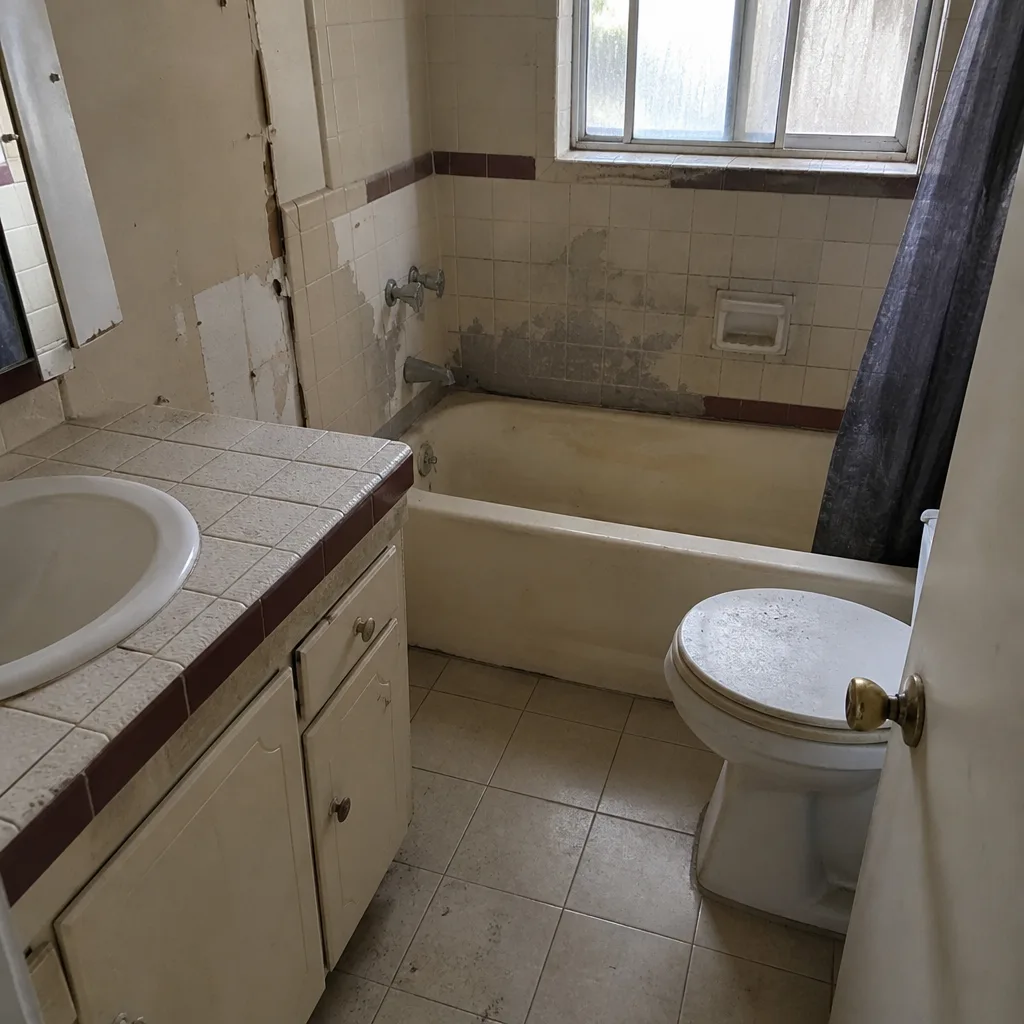 Before
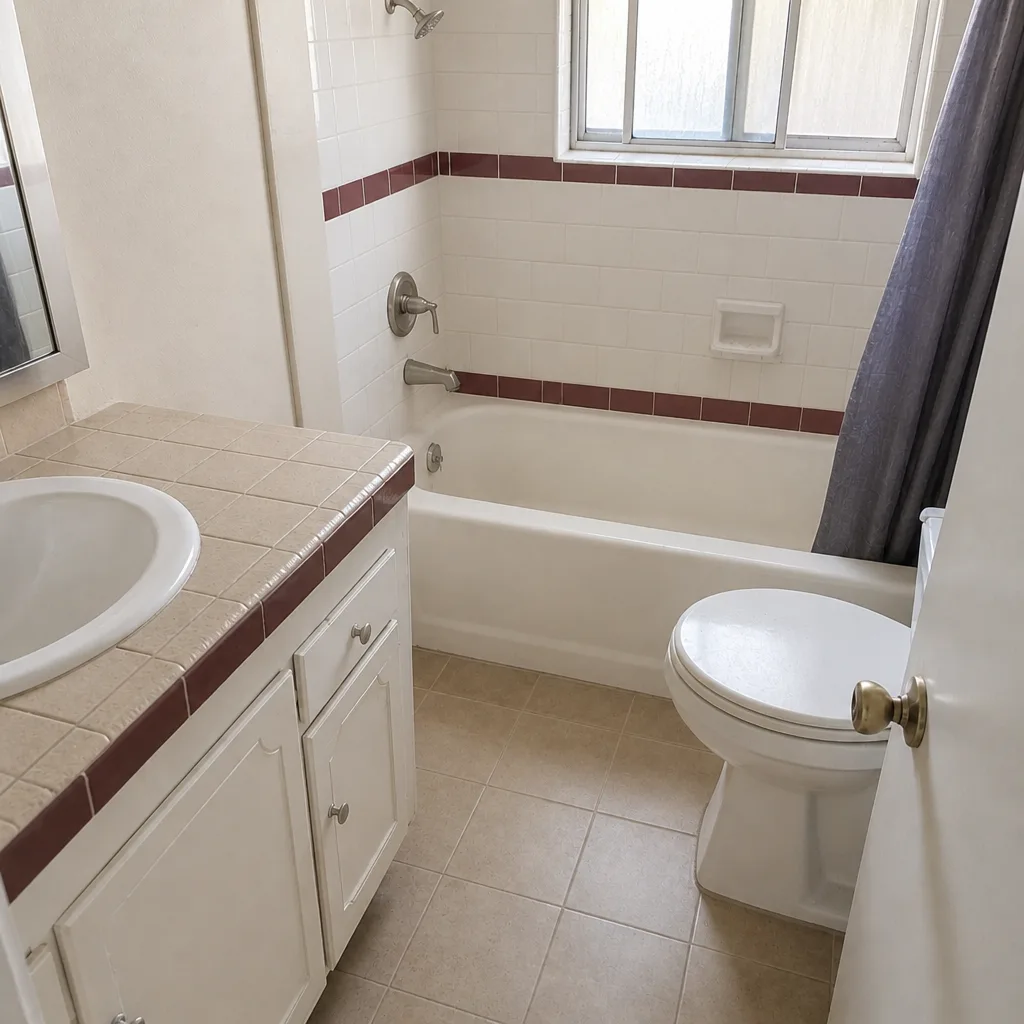 After
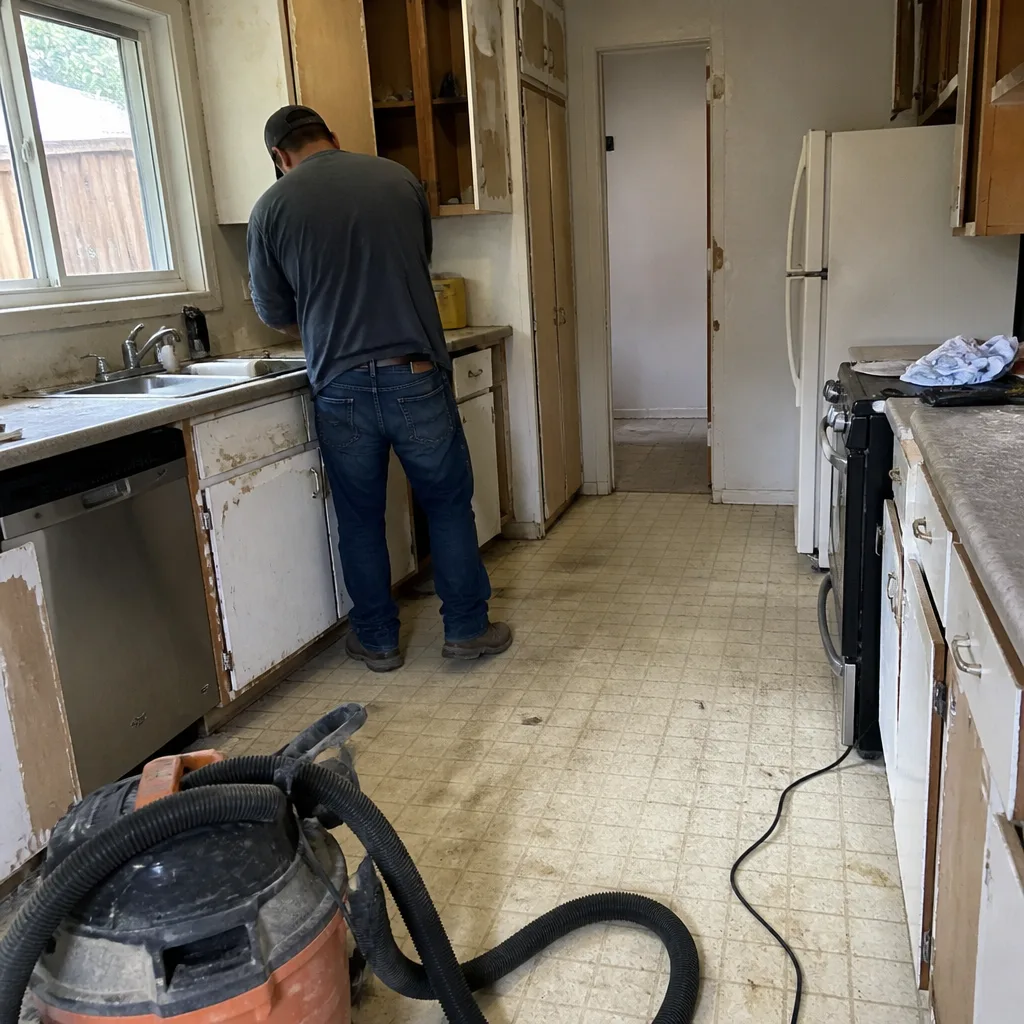 Before
 After
When to Call a Professional
Some paver work is manageable for a handy homeowner. A small patio reset or a re-sanding is fine. A full driveway replacement on Santa Clarita clay isn’t. The base compaction alone needs equipment, and the drainage engineering needs someone who’s built on these grades before. Call a professional when the driveway is more than about 40 feet long, when the lot has any slope toward the house, when the existing surface is showing any sign of failure within five years of install, or when you’re planning a permit-touching change like a widened apron or a new curb cut. Those are all cases where the wrong sub-base means a second bill in three years.
Barrett & Sons Construction Santa Clarita offers free estimates in Santa Clarita and writes every scope, allowance and change order down before work happens. Our crews also handle the fence line along your new driveway, and we’re the same team for the Driveway & Pavers in Santa Clarita work and the Fence Installation in Santa Clarita jobs around it. Call (833) 762-8116 and we’ll come out, walk the grade, and put a written quote in your hands.
Frequently Asked Questions
Most full driveway replacements in Santa Clarita run between about $14 and $22 per square foot installed, which puts a typical two-car driveway at $9,000 to $18,000 depending on square footage, base depth, drainage work, and paver choice. Premium natural stone and complex drainage can push higher. Call (833) 762-8116 for an exact quote. Estimates are free.
On Santa Clarita’s expansive clay, plan on six to eight inches of compacted Class II aggregate base for a driveway, not the four inches you’ll see in most national guides. The base needs to go in two to three inch lifts with a plate compactor between each lift. Four inches will look fine installed and fail in five to seven years.
Yes. Any full driveway replacement or alteration touching the right-of-way, drainage, or curb cut requires a permit through the city’s Building and Safety division. The permit is cheap compared to the cost of unpermitted work stalling a home sale. We pull permits as part of the written scope on every eligible job.
Not on our jobs, unless the scope actually changes. Every scope, allowance and change order is in writing before the work proceeds. If we discover bad subgrade once the old surface is up, we stop, document, and issue a written change order before proceeding. No surprise invoices at the end.
Concrete pavers are the practical default here. Cambridge and Belgard lines handle the UV and heat well, stay colorfast, and repair easily. Natural stone is a lovely choice for a front walk or entry and stays cooler underfoot, but needs sealing every few years in this climate. Ask to see both in direct sun before deciding.
A typical two-car Santa Clarita driveway takes about three to five working days from demo to final joint sand, plus however long the city takes to schedule the base inspection. Very large or steeply graded jobs can take a week or more. Call (833) 762-8116 and we’ll give you a realistic timeline with the estimate.
The Bottom Line
Santa Clarita’s clay soil and hot summers aren’t the enemy here. Bad installation is. A driveway that lasts in this valley needs three things: a base deeper than the Southern California default and compacted in proper lifts, a drainage plan that moves water away from the house on your specific grade, and a permit pulled before a shovel touches dirt. Get those right and a Belgard or Cambridge paver driveway will hold up for decades. Get them wrong and you’ll be redoing it in five years. We’ve seen both outcomes more times than we can count, and the difference is always invisible on day one. That’s why Barrett & Sons Construction Santa Clarita home publishes the license number, writes the scope, and backs it with the 90-Day Done Right Promise. If your project runs into a bigger plan down the road, our Home Additions & ADU in Santa Clarita team works the same way.
Ready to know exactly what your driveway project will cost? Call (833) 762-8116 for a free estimate. A live person answers 24 hours a day, and we’ll come out, walk the grade with you, and put a written quote in your hands.
Written by the team at Barrett & Sons Construction Santa Clarita.