
Last updated November 16, 2026
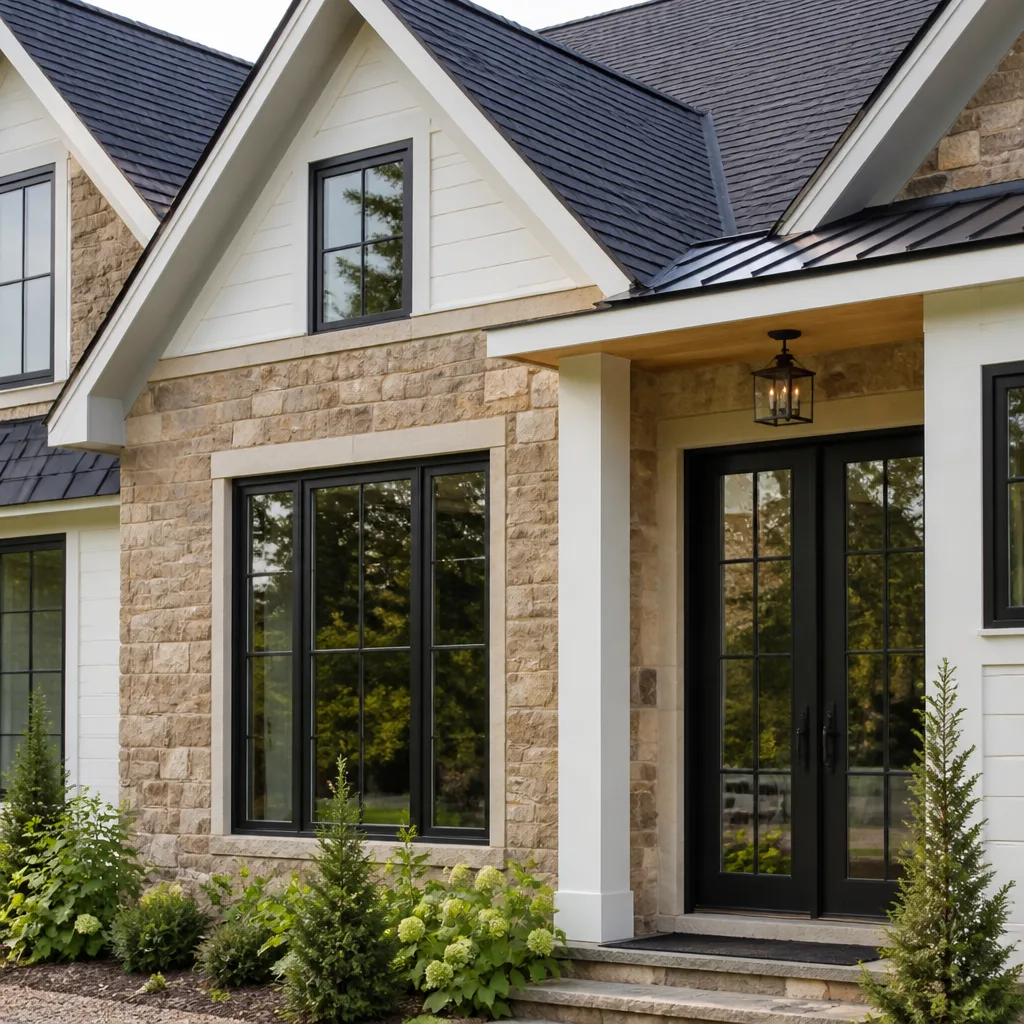 Windows & doors
 Kitchen remodeling
 Bathroom remodeling
 Home additions & ADU
 Roofing
 Driveway & pavers
 Fence
Free written scope consultation - allowances, timeline, and change-order rules on paper before a single trade is scheduled
Windows & Doors Warning Signs Every Homeowner Should Know
If your energy bill jumped last summer but nothing obvious changed in your house, stand next to your largest west-facing window on a hot afternoon and hold your hand two inches from the glass. If you can feel radiant heat from that distance, your low-e coating has failed. It’s been failing quietly since the day you stopped noticing it.
That’s the frustrating truth about windows and doors. They give you years of warning before they actually fail, and most homeowners walk past every one of those warnings because nobody ever handed them a scorecard. This guide is that scorecard. We’ll cover the tests you can run in an afternoon, how to tell frame damage from glass failure from a foundation problem, and the honest point where repair stops making financial sense. Around Santa Clarita, the sun is unforgiving and the ground moves in some neighborhoods, so those distinctions matter more than they do in milder climates. By the end you’ll know exactly what you’re looking at and when to pick up the phone.
Quick Answer
Windows and doors are failing when you notice any of these: condensation fog or moisture trapped between panes (a sealed-unit failure), a hand test showing radiant heat bleeding through glass, drafts or rattles, sticking or rubbing, water staining on the frame or drywall below, or daylight visible around a closed door. Frame, glass, and hardware failures each have a different repair path and a different cost level. Structural symptoms like cracks, sticking doors, or gaps that change with the seasons point to the foundation, not the door.
Styles & brands we work with
- Kitchen remodeling
- Bathroom remodeling
- Home additions & ADU
- Roofing
- Windows & doors
- Driveway & pavers
- Fence
Table of Contents
- The Hand Test: What Your Palms Can Tell You
- The Dollar Bill Test and the Condensation Read
- Frame Damage vs. Glass Failure vs. Hardware Failure
- Why Santa Clarita Sun Ages Windows Faster Than the Spec Sheet Says
- When a Sticking Door Is a Foundation Warning, Not a Door Problem
- Repair or Replace? The Honest Thresholds
- What Window and Door Work Costs
The Hand Test: What Your Palms Can Tell You
The hand test is the simplest diagnostic in the whole guide, and it catches the most expensive hidden failure. Here’s how it works.
- Wait for a hot afternoon with full sun hitting the glass, ideally 85°F or above.
- Close the door or window and turn off the AC on that side.
- Hold your palm flat, about two inches from the glass, for ten seconds.
- If you feel a radiant warmth radiating back at you, the low-e coating on that pane has degraded or failed.
- Repeat on a north-facing window of the same age as a control. A healthy low-e window will feel noticeably cooler.
Low-e coatings are microscopic metal-oxide films applied to keep heat energy out. Sunlight and heat cycles slowly break them down. When that film goes, the glass still looks perfectly intact, which is exactly why this failure goes undetected for years. The window isn’t broken. It’s just stopped doing half its job.
The hand test is not definitive on its own, but if it fails on multiple windows of a certain age and orientation, it’s time to bring someone out. Our crews have up to 28 years of experience evaluating this kind of wear, and we’ll tell you plainly whether a window is salvageable or past its usefulness. A failed coating doesn’t need a whole window, but a window whose coating has failed across the board often does.
The Dollar Bill Test and the Condensation Read
Those two tests measure two completely different things, and homeowners confuse them constantly. The dollar bill test checks the seal between the sash and the frame. The condensation read checks what’s happening inside the sealed glass unit.
The dollar bill test: Close your window on a dollar bill so half hangs inside and half outside. Try to pull it out. It should resist firmly. If it slides out with almost no drag on multiple sides, the weatherstripping or seal is shot and you’re paying for that gap every month on your gas and electric bill. A bill that slips in one corner only is a simpler fix. A bill that slips on all four sides is usually a replacement conversation.
The condensation read: Where you see moisture tells you what’s failing.
- Moisture on the inside surface of the glass – that’s humidity in the room, not a window defect. Ventilation and a dehumidifier solve most of it.
- Moisture between the panes – the sealed unit’s desiccant has failed and the unit is taking on water. Fog, haze, or hard water spots inside a double pane mean the glass pack is failing. In Santa Clarita, where swings from cold nights to warm days stress those seals repeatedly, we see this on plenty of inland-facing windows that are only 12 to 15 years old.
- Moisture or staining on the frame or the drywall below the sill – that’s not a glass problem. That’s water getting behind the wall.
That last one is the one people put off. Water behind the wall doesn’t announce itself. It rots the framing around the rough opening, degrades the sheathing, and by the time it shows on interior drywall, the repair scope usually involves carpentry, not just glass.
Frame Damage vs. Glass Failure vs. Hardware Failure
Three things fail inside a window or door, and each one has a different fix, timeline, and price. Getting the diagnosis right is the whole game. This is where a lot of homeowners overspend in the wrong direction, buying a full replacement when a sash pack or a hinge adjustment would have solved it.
Glass failure
Signs: fog or condensation between panes, the hand test failing, or a visible crack. The frame and sash are usually still sound. The repair is typically replacing the insulated glass unit rather than the whole window, which is a fraction of the cost. Age is the driver. If the sealed unit has failed once, it will fail again eventually.
Frame damage
Signs: soft or spongy wood at the bottom rail or sill, peeling paint on the exterior frame, daylight visible where the frame meets the wall, or dark staining that doesn’t wash off. Water intrusion and UV breakdown are the usual culprits. On wood-frame windows, a soft sill is your cue that water has been getting in for a while. Frame damage on a handful of windows can be repaired. Frame damage across a whole wall usually means replacement.
Hardware failure
Signs: locks that don’t engage cleanly, a crank that grinds, a handle that’s loose, or a sliding door that needs lifting to latch. Most hardware failures are repairable and are the cheapest path. Do not confuse a hinge problem with a structural one.
When our crews walk a house, they check all three categories on every opening. A window that needs a $200 sash pack should get a sash pack. A window with soft framing needs a different conversation entirely.
Why Santa Clarita Sun Ages Windows Faster Than the Spec Sheet Says
Manufacturer test data assumes a fairly even climate. Santa Clarita doesn’t hand out an even climate. We get long, hot summers with many 100°F-plus days, hard afternoon sun on south and west exposures, and winter nights that can drop into the 30s. That daily swing is the part that quietly eats windows alive. Thermal expansion pushes the seals, and the low-e film and vinyl frame both take the hit.
In our experience, west-facing windows in parts of Valencia and Stevenson Ranch show seal failures and coating degradation noticeably sooner than north-facing windows on the same home installed in the same year. South-facing windows take a similar beating. Canyon Country and Saugus homes with a clear south or west line of sight catch the worst of it.
What this means for you:
- Expect lower-efficiency windows on sun-baked exposures to fail faster than the manufacturer’s estimated lifespan, often by several years.
- Check the hottest-facing windows first when the bill goes up. They’re usually the culprits.
- When it’s time to replace, consider upgraded low-e and solar-control glass on west and south sides. The extra cost on those openings pays back fastest in an SCV summer.
- Trim and sealant on those sun-facing frames will need attention sooner than on shaded sides. Sun bakes caulk joints brittle, and once they crack, water gets in behind the frame.
We install Andersen and Marvin windows when a home needs new ones, partly because both publish the specs and glass options clearly and both hold up to real solar load. Insist on seeing the NFRC rating for the actual glass package you’re buying. A cheap window that fails in eight years isn’t cheaper.
When a Sticking Door Is a Foundation Warning, Not a Door Problem
Doors are the best diagnostic tool in the house, because they’re rigid, they’re plumb, and they fit in their frame to within a fraction of an inch. When a door starts to stick, bind, or show a widening gap, you need to figure out whether the door moved or the house moved.
Here’s the distinction that saves people real money. If a door is binding at one corner of the frame, or you can see daylight in a widening crescent near the top or bottom, and the trim around the door shows a visible crack at the corner, that’s a sign the door frame is racking. That’s a structural movement signal, not a hardware failure. Foundation movement is common in parts of Santa Clarita with expansive clay soils, especially on homes from the tract-building era. The foundation is a foundation problem. Buying a new door to fix it doesn’t work: the new door will rack too.
What to check before you call anyone:
- Look at the corner joints of the door trim. A crack that runs diagonally from the corner is a frame movement signal.
- Look for daylight in a growing crescent between the door and frame. A door that used to close flush and now shows a quarter inch of daylight at the top has moved.
- Check the interior wall around the door. Any crack in the drywall radiating from the frame is worth a call.
- Check whether the door sticks only in certain seasons. Doors that stick in late summer and release in winter suggest soil movement driven by seasonal moisture.
- If all of the above line up, stop before replacing the door. Get the foundation checked first.
Once the foundation issue is settled, then a new door – or a proper adjustment – makes sense. A door replacement without a foundation repair is money thrown at a symptom. If you’re adding a room or an addition onto a home where the existing framing has moved, that’s another reason to have a real building pro look at the whole picture before walls go up. Home Additions & ADU in Santa Clarita is where we walk through that structural reality in detail.
Repair or Replace? The Honest Thresholds
Here are the thresholds we use when we look at a window or door. They’re not designed to sell you replacement. They’re designed to fix what can be fixed and replace what’s genuinely done for.
Repair makes sense when:
- One or two insulated glass units have failed and the frames are sound.
- Hardware – locks, hinges, cranks, rollers – is the only issue.
- The sash fits the frame and the weatherstripping is replaceable.
- The window is under roughly 15 years old on a shaded exposure and the frame is solid.
Replacement makes sense when:
- Multiple sealed units on the same exposure have failed and the frames are 20 years or older.
- Wood framing, sills, or rails are soft to a screwdriver.
- You can see daylight around the frame where it meets the wall.
- The window is single-pane and you’re heating or cooling through it year-round. The energy math at that point favors replacement over repair.
- Aging isn’t just cosmetic – replacement is the same conversation as an efficiency upgrade.
One rule of thumb worth keeping in your head: if the repair will cost more than half of what the window costs new and the unit is past the 15-year mark on a hot exposure, replace. Below that threshold, repair.
What Window and Door Work Costs
Prices vary by size, glass package, and how much trim and exterior work is involved, but here’s the honest ballpark we give homeowners before we walk a house. These are starting ranges, not final quotes, and any contractor who gives you a firm number over the phone without seeing the window is quoting a guess.
| Work Type | Typical Range |
|---|---|
| Insulated glass unit replacement (one window) | $250 – $550 |
| Hardware repair (locks, hinges, cranks) | $150 – $400 |
| Weatherstripping replacement | $150 – $350 |
| Exterior door replacement | $1,200 – $3,200 |
| Sliding glass door replacement | $2,000 – $5,000 |
| Single window replacement | $750 – $2,000 |
| Whole-home window replacement (per window, mid-range) | $700 – $1,600 |
Every job we run gets a written scope, a written allowance, and a written change order before anything is torn out. No surprise invoices at the end. If we find rot behind a window frame once it’s out – and we do, more often than buyers expect – you’ll see the added scope and cost in writing before we touch the repair. That’s the only way a price holds. We back the finished work with the 90-Day Done Right Promise on the written contract: if something isn’t right, one call brings us back.
Common Mistakes to Avoid
- Replacing a door that’s actually racking from foundation movement. Look for cracked trim joints and crescent-shaped daylight gaps before you spend money on a new door. A new door in a moving frame will rack too, and you’ll have spent sixteen hundred dollars to learn that.
- Assuming surface condensation means the window is bad. Inside-surface moisture is a room humidity issue. Between-glass moisture is a failed sealed unit – a completely different problem with a completely different fix.
- Skipping the temperature-control test. Never run the hand test on a north-facing window on a cool day and call it a comparison. North-facing windows simply get less sun. Test same-age windows on similar exposures.
- Assuming the manufacturer’s spec sheet applies in Santa Clarita. West and south-facing windows here take sun loads that shorten sealed-unit and low-e lifespans. Budget for it and plan for early replacement on the baking side of the house.
- Buying replacement windows from a phone quote. A price given without seeing the actual frames, checking for soft wood, or looking at the trim is not a price. It’s a sales trap. Get a written line-item quote with brands and glass packages named.
- Skipping the permit. Window and door replacements that alter openings are permitted work in most jurisdictions. The permit inspection is a second set of eyes on your install and you shouldn’t skip it. The permit inspector works for you, not for the contractor.
- Waiting until every window has failed. Replace in waves on the sun-baked exposures and you’ll spread the cost. Wait until all of them fail in one season and you’ll be buying on a deadline, which is the worst time to negotiate.
For a broader look at the exterior of the home, including how water manages and drains around the structure, our guide on the main page dives deeper: Barrett & Sons Construction Santa Clarita home.
See the difference
 Before
 After
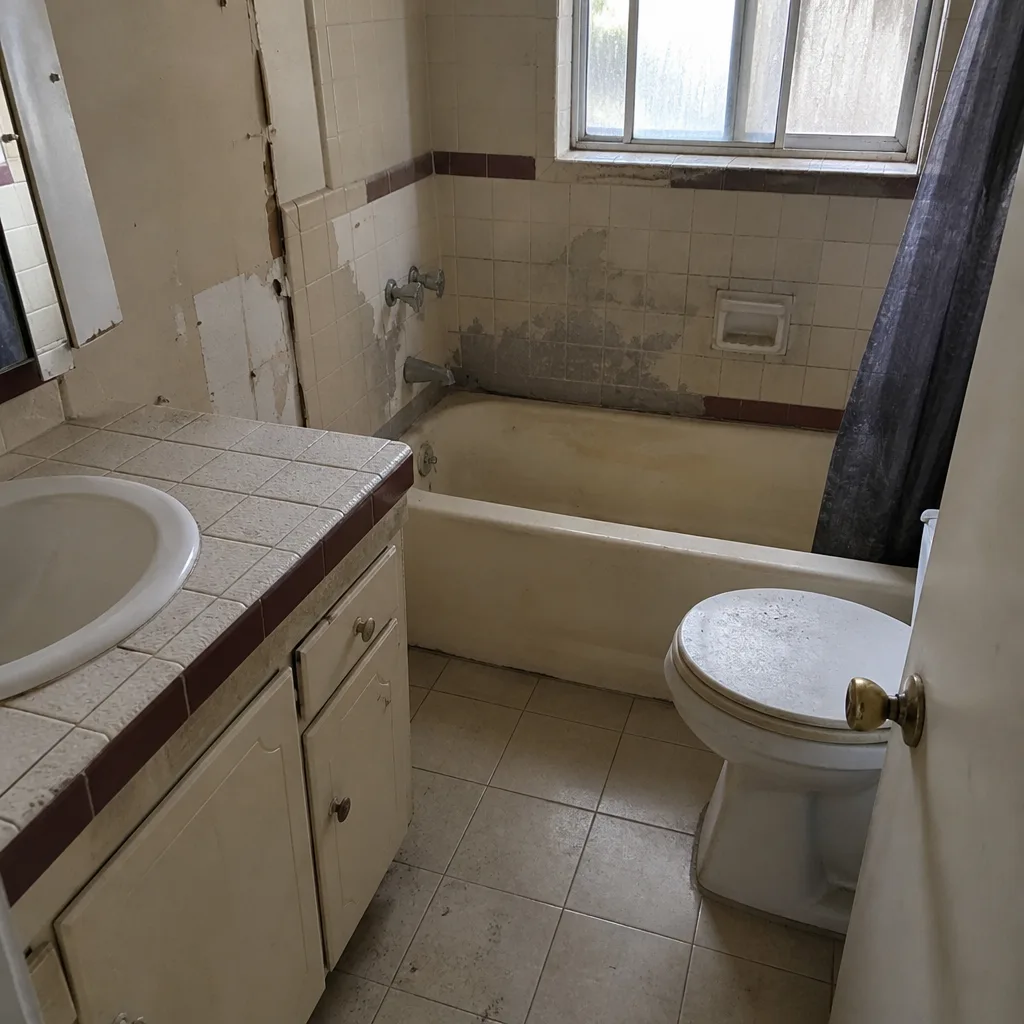 Before
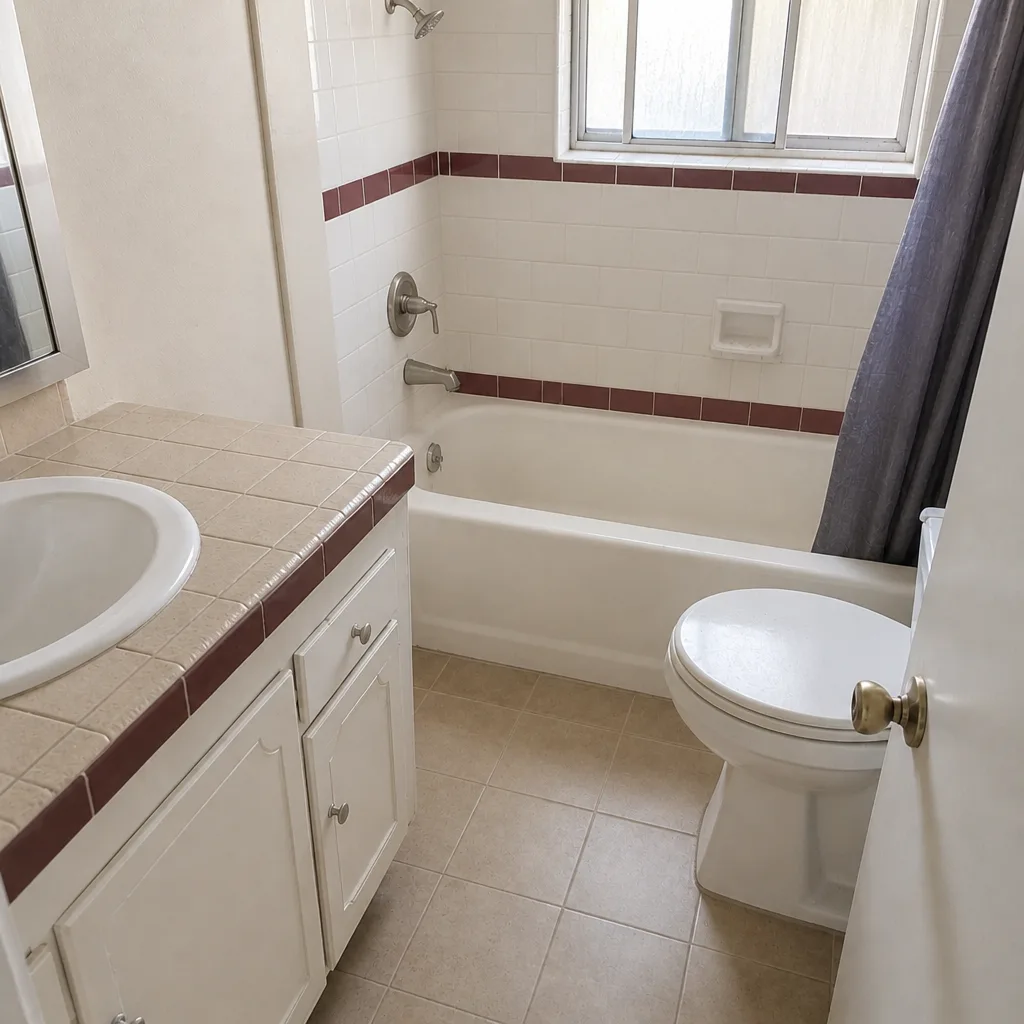 After
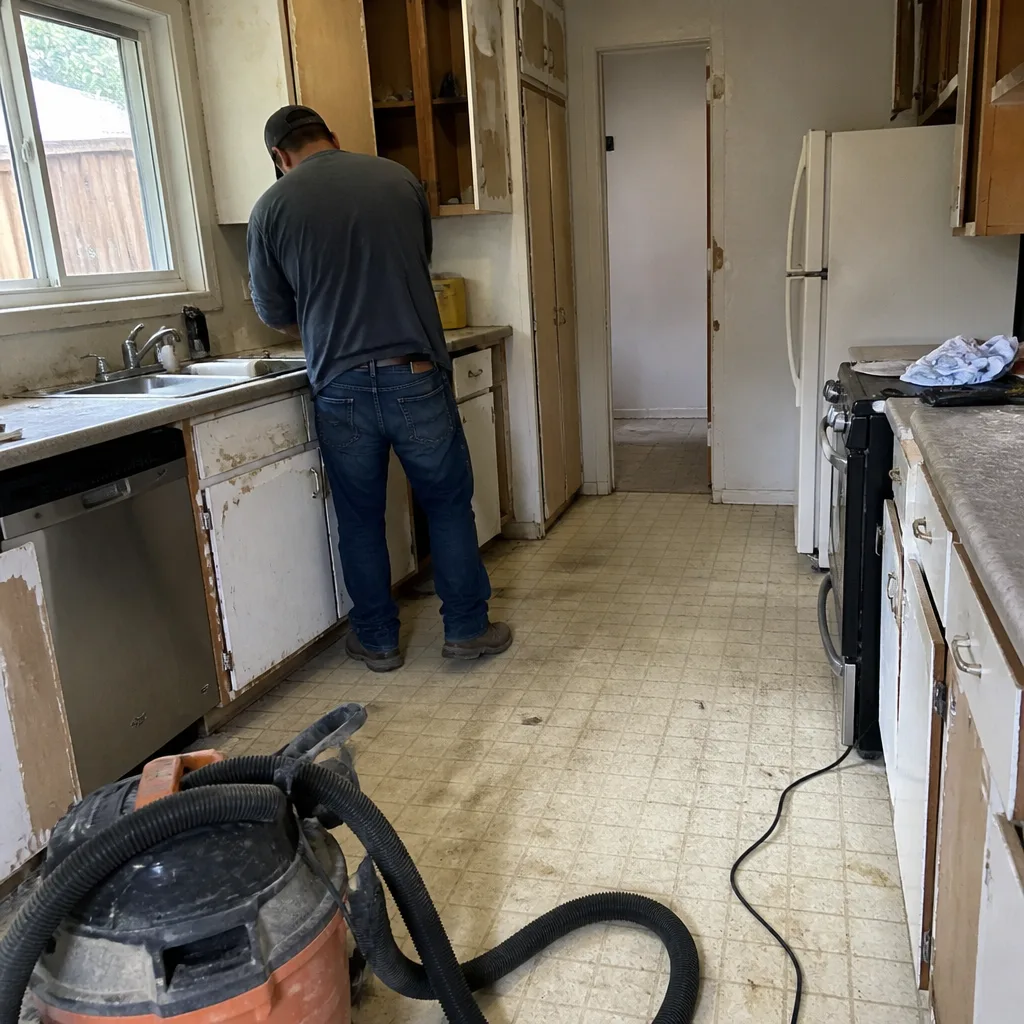 Before
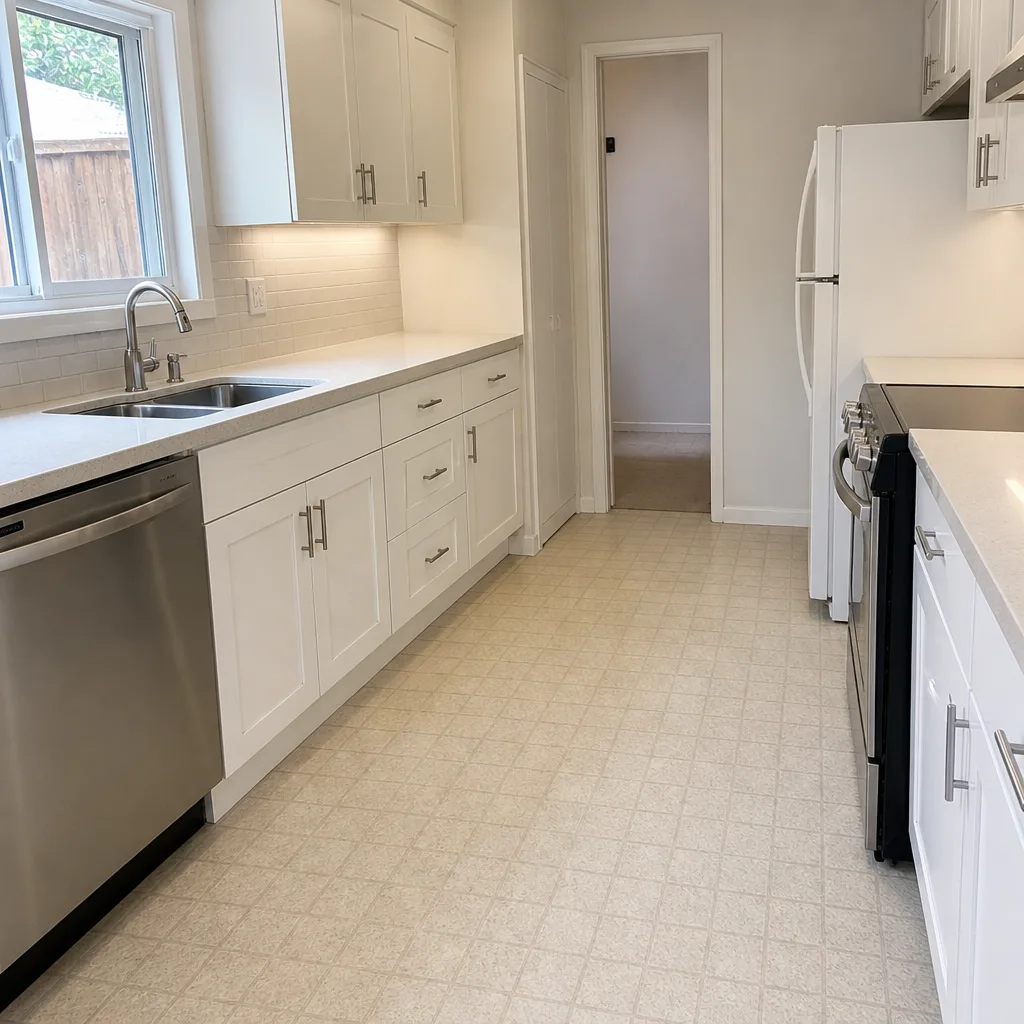 After
When to Call a Professional
Call us when the diagnosis points to work you can’t safely or correctly handle yourself. Specifically: when you’ve run the dollar bill test and the hand test and the window is failing on both; when water is staining the frame or the drywall below the sill; when the corner joints of a door trim are cracking and daylight is showing in a crescent; when you’ve found soft wood at the sill or the frame; or when a whole wall of windows has failed and you need to know the honest repair-versus-replace call. Glass replacement, sealed-unit work, and any job that touches framing or a rough opening is not a weekend project. Our crews have up to 28 years of experience and we’ll hand you a written scope before any hammer swings.
Barrett & Sons Construction Santa Clarita offers free estimates in Santa Clarita. Call (833) 762-8116 to schedule yours.
Frequently Asked Questions
The first reliable sign is condensation or fog that appears between the glass panes and doesn’t clear. That means the sealed unit has lost its gas fill and desiccant and won’t recover. A small occurrence on one window is a glass-pack repair. Fog on multiple windows of the same age and exposure is usually the start of a replacement conversation. Call (833) 762-8116 for a free assessment – we’ll check the frame and glass separately and tell you which one you’re dealing with.
Usually yes, if the frame and sash are structurally sound. A failed insulated glass unit can typically be swapped for a new sealed unit without touching the surrounding framing, and the cost is a fraction of a full window. If the frame is soft, cracked, or water-damaged, glass-only replacement doesn’t solve the real problem. Have someone look at the frame before you commit to a glass repair.
Doors stick more in summer because expansive clay soils in many Santa Clarita neighborhoods swell with seasonal moisture and shrink as they dry, which gradually shifts the framing. If the sticking follows the seasons, that’s a soil-movement signature. If the sticking is constant and accompanied by cracked trim corners or a widening gap at the top of the door, it may be movement that needs a foundation check before you spend money on the door itself. Call us for a free second opinion on any written estimate.
Run the hand test. On a hot afternoon, with the sun on the glass, hold your hand two inches away and feel for radiant warmth. A healthy low-e window will feel cool. A failed coating lets heat radiate through. Repeat on a north-facing window of similar age as a control. If the coated window fails the test and the control window doesn’t, the coating has degraded. The glass will look fine – that’s why the test matters.
Yes, any replacement that changes a rough opening or requires work on the wall assembly typically requires a permit. Same-size glass-only replacement often doesn’t, but it’s worth confirming with the city before the work starts. On every eligible job we pull the permit and see the inspection signed, so you have a second set of eyes on the install. Call (833) 762-8116 and we’ll walk you through what your specific job needs.
Not on our jobs without a written change order in your hands first. Every scope, every allowance, and every adjustment gets priced in writing before any new work starts, so the invoice at the end matches the contract. If we open a wall and find rot you couldn’t see, we’ll show you, quote the added work, and get your signature before anyone touches it. Call (833) 762-8116 for a free written estimate.
The Bottom Line
Windows and doors warn you for years before they fail. A hand test tells you whether your low-e coating is still working. A dollar bill test tells you whether your seal is tight. A condensation read tells you whether the glass pack or the frame is the problem. A door that sticks seasonally or shows cracked corners and crescent-shaped gaps is telling you the foundation moved, not the door. Put those diagnostics together and you’ll know whether you’re looking at a repair, a glass pack, or a replacement – and around Santa Clarita, with the sun beating on south and west exposures, that distinction is worth real money. Ask a neighbor to run the hand test with you. Then call a professional with the diagnosis in hand, not a blank checkbook.
Outside windows and doors, we also handle hardscape and drainage-adjacent work. If your investigation moved you toward outdoor improvements, see Driveway & Pavers in Santa Clarita and Fence Installation in Santa Clarita. Both touch the same exterior envelope your water management depends on.
If anything in this guide matches what you’re seeing at home, the next step is a free estimate. We answer the phone with a live person, and we’ll show up, look at the actual windows and doors, and hand you a written scope with line-item pricing. Call (833) 762-8116 to schedule yours. Our current standing offers include $40 Off Any Repair Over $200, a Free Second Opinion on Any Written Estimate, No Trip Charge Inside the County, and a permanent 10% Senior & Veteran discount. Every eligible job gets permits pulled and inspections signed, and every completed job carries the 90-Day Done Right Promise in writing.
Written by the team at Barrett & Sons Construction Santa Clarita.