
Last updated November 16, 2026
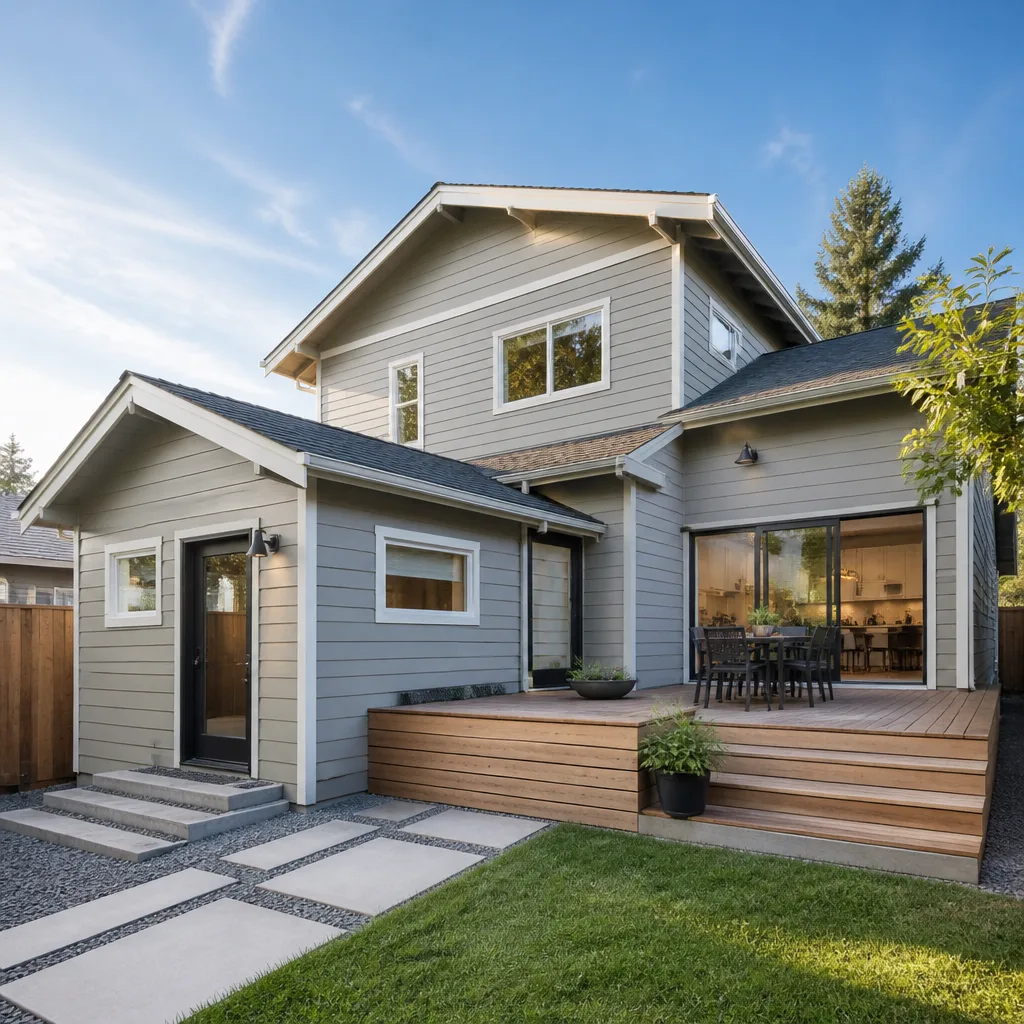 Home additions & ADU
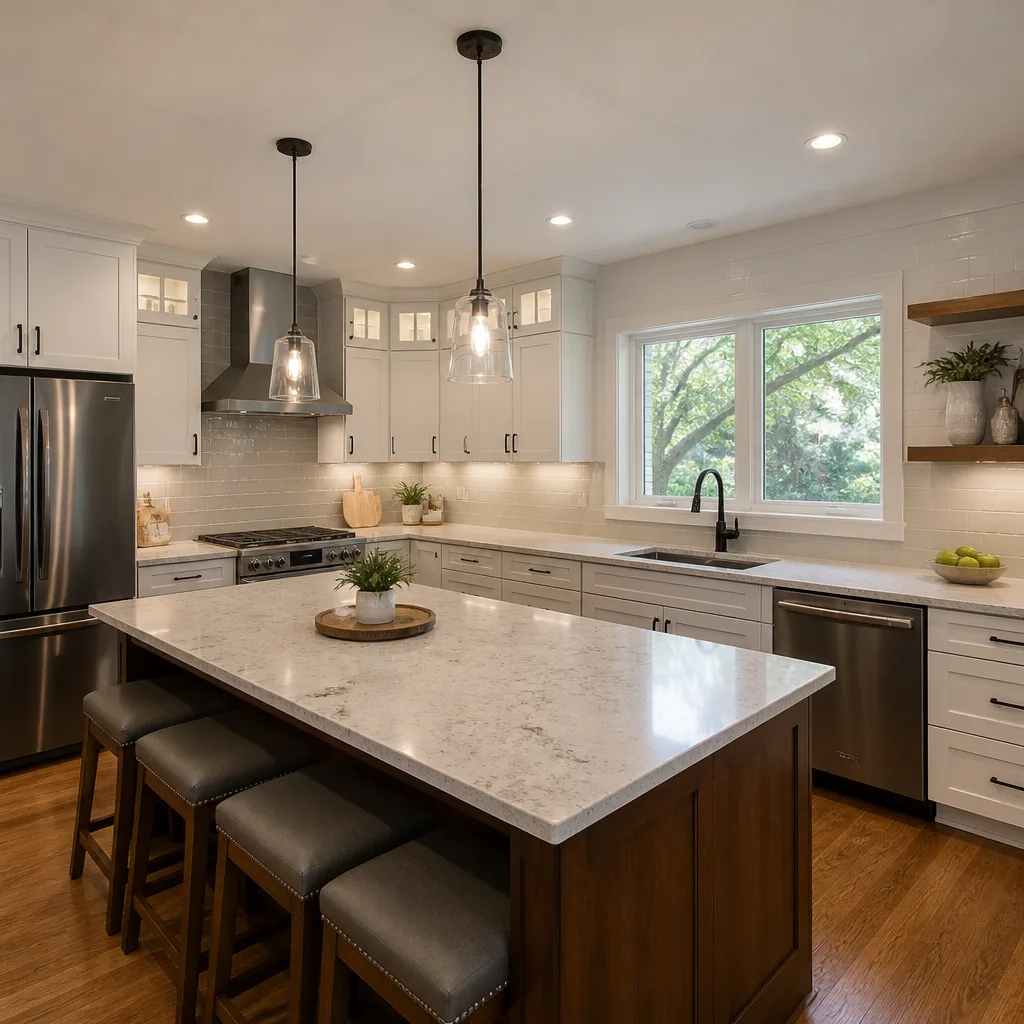 Kitchen remodeling
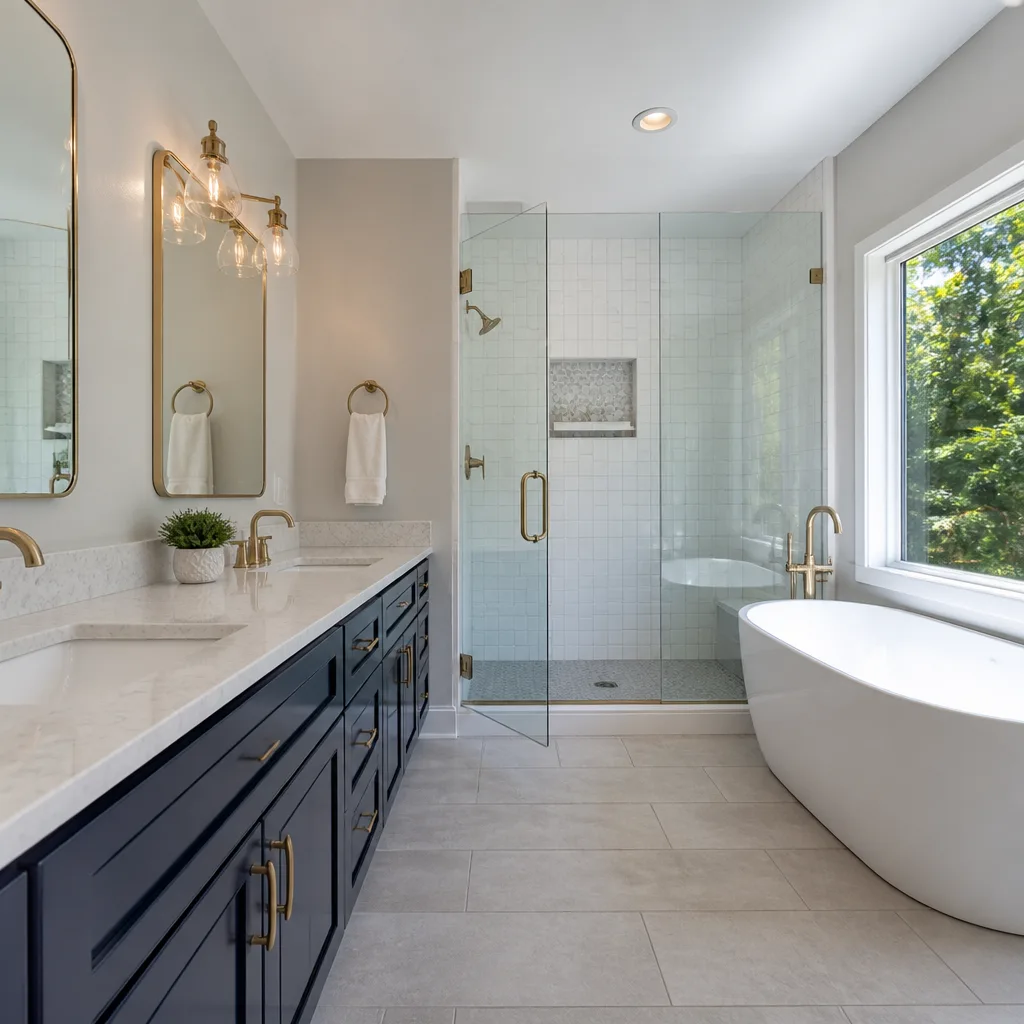 Bathroom remodeling
 Roofing
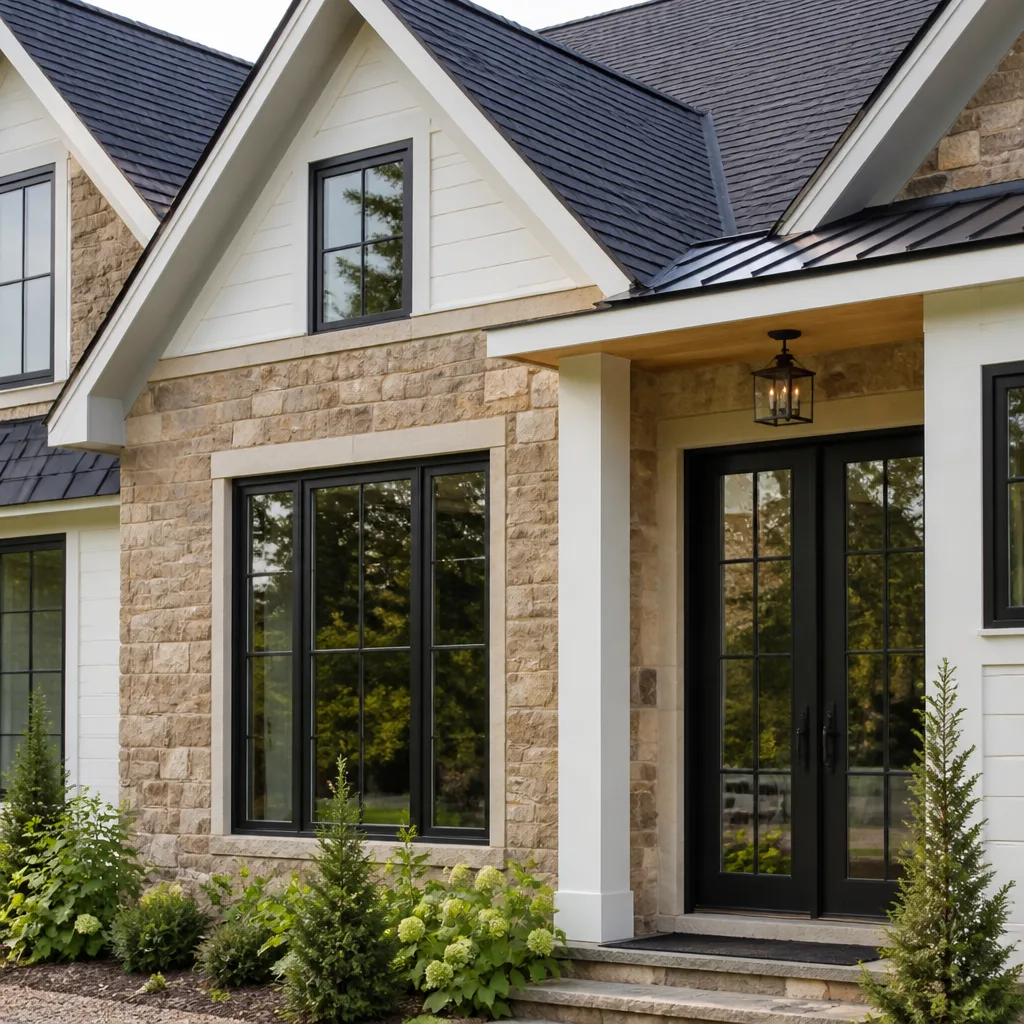 Windows & doors
 Driveway & pavers
 Fence
Free written scope consultation - allowances, timeline, and change-order rules on paper before a single trade is scheduled
Home Additions & ADU Warning Signs Every Homeowner Should Know
Most homeowners pick a contractor based on the bid. That’s a mistake. The number on the page tells you very little about whether your addition will sail through inspection or stall out for six months with a half-poured foundation in the backyard. In our experience across Santa Clarita, the red flags that predict real trouble show up long before the contract is signed – in how a contractor talks about permits, change orders, engineering, and what happens when something unexpected turns up inside the wall. This guide covers the warning signs worth walking away from, what a healthy process looks like, and the questions that separate a careful builder from a costly one.
Quick Answer
The biggest warning signs of a bad addition or ADU contractor are: they suggest skipping or downgrading permits, they can’t explain which jurisdiction governs your parcel, their bid leaves out permit fees, their contract has no trade-by-trade scope or milestone payments tied to inspections, and they start work from sketches instead of stamped drawings. Any one of these is a reason to slow down. Two or more means walk away.
Styles & brands we work with
- Kitchen remodeling
- Bathroom remodeling
- Home additions & ADU
- Roofing
- Windows & doors
- Driveway & pavers
- Fence
Table of Contents
- Permit Red Flags
- Contract Red Flags
- Design-Phase Red Flags
- Subcontractor Red Flags
- What a Healthy Change-Order Process Looks Like
- Santa Clarita-Specific Signals to Watch For
- Questions to Ask Before You Sign
- Common Mistakes to Avoid
Permit Red Flags: The First Thing to Watch
The contractor who says “we can probably skip the soils report on a simple addition” is describing a shortcut. On a Santa Clarita hillside lot, that shortcut can end in a failed footing inspection and a slab that has to come out. We’ve watched homeowners eat that cost because the contractor was long gone by the time the inspector showed up.
Permits are the single cleanest signal of whether your contractor plans to build something legal, insurable, and resellable. Here’s what to watch for:
- Downgraded permits. A contractor who suggests pulling a lesser permit – say, a “remodel” when the scope is really an addition – is trading your inspection trail for their schedule. The permit type determines the inspections you get, and the inspections are what protect you.
- Confusion about jurisdiction. Santa Clarita parcels sit under the City of Santa Clarita, Los Angeles County, or in some cases an HOA overlay on top. A contractor who can’t tell you which jurisdiction governs your parcel off the top of their head is going to find out the hard way – on your dime.
- Permit fees left out of the bid. If the bid doesn’t carry a line for permit fees, plan on paying them twice: once to the city, and once as a “surprise” when the contractor’s number comes up short.
- “We’ll pull the permit after we start.” Pulling after the fact means your foundation may already be poured before plans are reviewed. That’s how stop-work orders happen.
On every Home Additions & ADU in Santa Clarita job we take on, permits are pulled and inspections are signed. Not because it’s convenient – because the permit inspector works for you, not for us.
Contract Red Flags: What a Vague Agreement Actually Costs You
A vague contract isn’t just annoying to read. Every gap in the paperwork is a specific financial risk with a dollar sign on it. Here’s how each common gap turns into money out of your pocket:
- No scope breakdown by trade. Without a trade-by-trade line (framing, electrical, plumbing, HVAC, drywall, finishes), you can’t compare bids fairly and you can’t prove what was supposed to be included. When the drywall quote “forgot” insulation, you pay for insulation.
- No milestone payment schedule tied to inspections. Payments should follow signed inspections, not calendar dates. A contractor who wants 50% up front and the rest on “substantial completion” holds all the leverage.
- No written change-order clause. If the contract doesn’t say how changes get priced and approved in writing, then every small adjustment becomes a negotiation you can lose. An allowance that isn’t on paper is a surprise waiting for a date.
- No exclusions list. Good contracts say what’s NOT included – landscaping restoration, temporary fencing, dumpster placement, utility relocation – so there are no arguments later.
- No completion definition. “Done” needs to be defined, ideally with a punch-list process. Otherwise, done is whatever the contractor says at the end of a long week.
Every scope, every allowance, every price change should arrive as a written change order before work happens. If a contractor’s paperwork can’t survive a five-minute checklist, it won’t survive a three-month addition.
Design-Phase Red Flags: Sketches, Stamps, and Structure
Design is where the cheapest mistakes get baked in – and the most expensive ones come out. Three specific red flags to watch:
- Building from sketches. If your contractor plans to break ground on hand-drawn sketches rather than stamped construction drawings, you’re going to be resolving dimensions in the field with a framing crew, which is exactly where overruns come from.
- No structural engineering on a load-bearing addition. An addition that touches an existing wall, adds a second story, or opens up a long span needs a stamped structural package. On Santa Clarita lots with grade changes and expansive soils, “the framer will figure it out” is a recipe for a re-pour.
- The contractor as “designer.” A contractor can absolutely help with layout and constructability. But if the same person is producing the plans and there’s no licensed architect or engineer stamping them, you’re missing the check that catches the thousand-dollar problem before it becomes a fifty-thousand-dollar one.
We’ve seen plenty of Santa Clarita ADU projects where the design phase lasted three weeks and the correction phase lasted five months. The good news: this is the easiest stage to enforce standards. Ask for the stamped drawings and the engineering before signing anything.
Subcontractor Red Flags on Larger Projects
An addition or ADU isn’t one trade – it’s eight or ten, coordinated. The subs are where quality lives or dies. Red flags worth naming:
- Rotating subs with no relationship to the general contractor. If the framing crew on Tuesday doesn’t know the electrician showing up Wednesday, nobody’s on the same page about wall cavities, chases, or penetrations. Established relationships mean subs who’ve worked together before – and who return each other’s calls.
- Subs who don’t know what permit is on file. Ask the electrician what permit number is posted at the site. If they don’t know, they’re not working to the approved plans.
- Electrical or plumbing subs who can’t produce their own license. California requires each trade to hold its own license. If a sub can’t show you one on request, that’s not a paperwork problem – it’s a liability problem, and it lands on you if something goes wrong.
- No background check on crew members. People will be walking through your home for weeks. You have a right to know who’s coming in and out.
On any Santa Clarita job, we expect every sub to know the permit on file and to hand you their license number without hesitating. If they hesitate, that’s the whole answer.
What a Healthy Change-Order Process Looks Like
The change order is where most homeowner-contractor relationships break down. A healthy process is boring and predictable. Every change order should carry four things:
- A written scope description. Exactly what is changing, in plain language. “Upgrade to Cambria countertops in kitchen and island” – not “counter upgrade.”
- Dollar cost. A firm number, with any allowance adjustments shown as a line item, not a footnote.
- Timeline impact. How many days added or removed from the schedule. If the answer is “no impact,” it should say that too.
- Homeowner signature before work proceeds. No signature, no work. That’s it.
A contractor who resists this process is telling you something. Either they don’t plan well enough to price changes accurately, or they’re planning to argue with you later. Either way, the countertop upgrade on week four is not the moment to find out. When we sit down with a Santa Clarita homeowner for a kitchen-to-ADU conversion, the conversation about changes starts in the first meeting – because if we can anticipate the change, we can put it on paper before it becomes a surprise.
Santa Clarita-Specific Signals to Watch For
Some warning signs are universal. Others are shaped by where you live. Santa Clarita has a specific set of pressures worth understanding before you sign anything:
- Hillside and slope work. Lots in Canyon Country and parts of Saugus routinely need soils reports and engineered foundations. A contractor who waves those off because “it’s just an ADU” hasn’t built on a slope.
- Fire zone and defensible-space rules. New construction in Santa Clarita’s wildland-urban interface often needs to comply with Chapter 7A materials and defensible-space clearance. If the bid doesn’t mention it, the corrections come out of your pocket.
- HOA overlays. Plenty of Santa Clarita neighborhoods (Valencia, Stevenson Ranch, parts of Saugus) sit under HOA architectural review on top of city or county permitting. A contractor who doesn’t ask about HOA approval early is going to hit a wall.
- Heat and curing schedules. Summer pours in the Santa Clarita Valley reach 105°F. Slabs that get finished without curing plans crack. A contractor who says “we just pour it” hasn’t poured here in July.
- Which jurisdiction. City of Santa Clarita, LA County, and adjacent city boundaries all meet in the valley. It matters which set of rules your parcel answers to, and the permit timeline is different for each.
None of this is a Santa Clarita problem specifically – it’s just the local version of what a careful contractor should already be tracking on every job.
Questions to Ask Before You Sign
The right questions surface warning signs faster than reading a contract. Here’s a working list – ask all of them and note how each answer lands:
- Which jurisdiction governs my permit, and why? A clear answer means they’ve looked. Hesitation means they haven’t.
- Will permit fees be a line item on the bid? Yes is the only right answer.
- Can I see the stamped drawings and structural package before we sign? If they don’t exist yet, they should be part of the contract’s deliverable list.
- How do change orders get priced and approved? The answer should be “in writing, with a signature, before work happens.”
- Can I meet your electrician and plumber, and can they show me their licenses? If they can’t, that’s your signal.
- What happens when we find something unexpected behind the wall? The right answer involves a written change order and a photo walkthrough – not a new invoice.
- Who is actually on-site on a typical Tuesday? “Our technicians get dispatched” is not the same as “the builder is on the job.”
For any homeowner weighing an Barrett & Sons Construction Santa Clarita home renovation, we’ll answer every one of these before the first nail. If another contractor won’t, that’s information you can use.
Common Mistakes to Avoid
- Choosing a bidder before checking the license. Before anything signs, look up the license number. A bid means nothing if the license behind it doesn’t exist or has a complaint history.
- Trusting a verbal scope. A remodel described out loud is already drifting. Get the scope written, trade by trade, even on small jobs – the same discipline protects a bathroom just as much as a full primary suite.
- Paying a large deposit up front. Progress payments tied to signed inspections keep everyone honest. If a contractor wants 50% down to “get materials,” that’s a working-capital problem, not your problem.
- Skipping HOA review on a Santa Clarita project. A stamped city permit doesn’t protect you if your HOA architects disapprove the design. Check both, early.
- Ignoring the fire-zone question. In the Saugus and Canyon Country interface, materials and defensible space are code requirements. Cheap substitutions don’t pass inspection.
- Assuming a permit is optional because the last contractor said so. The last contractor is the reason most homeowners get burned. Unpermitted additions go into the property record if you ever sell – and they can sink a financing appraisal.
- Letting the schedule drive the process. An addition that skips soils testing to save two weeks can eat six months in rework. Slow is fast on this kind of work.
See the difference
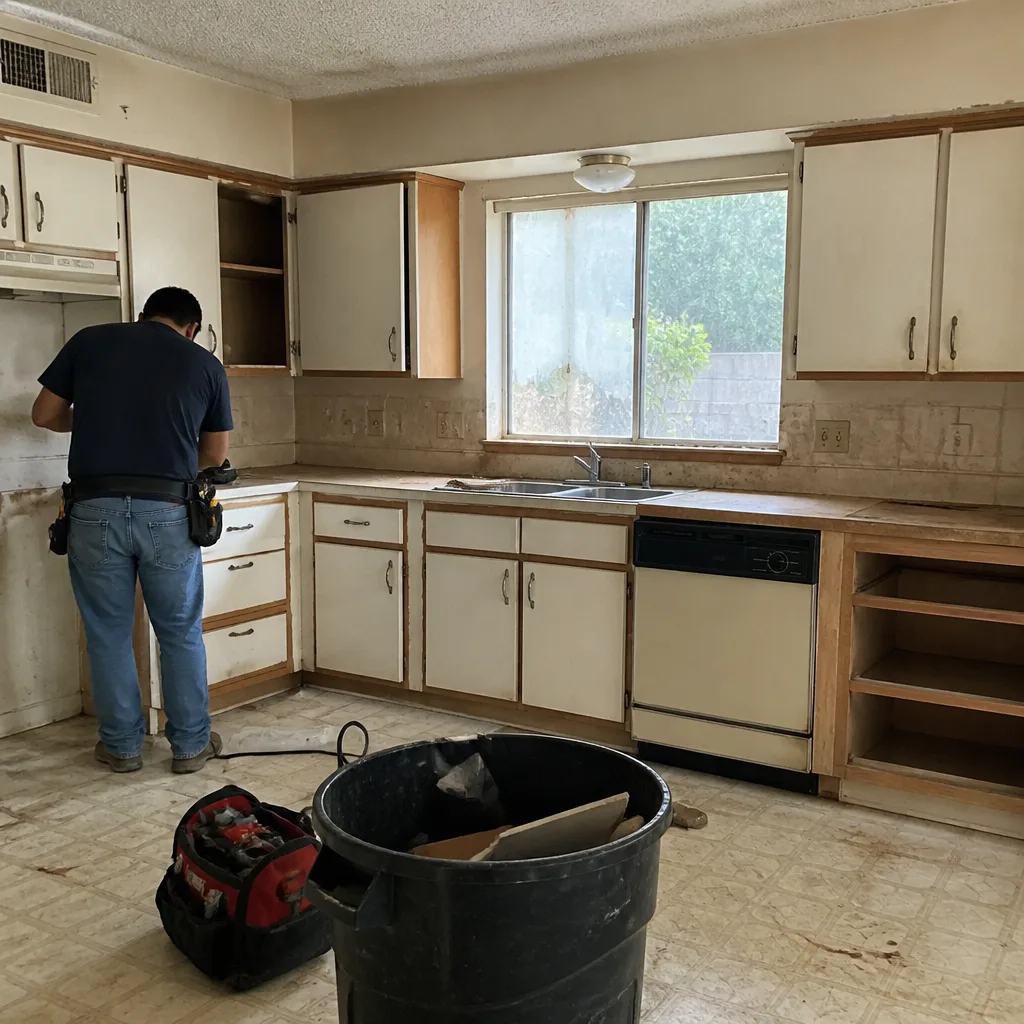 Before
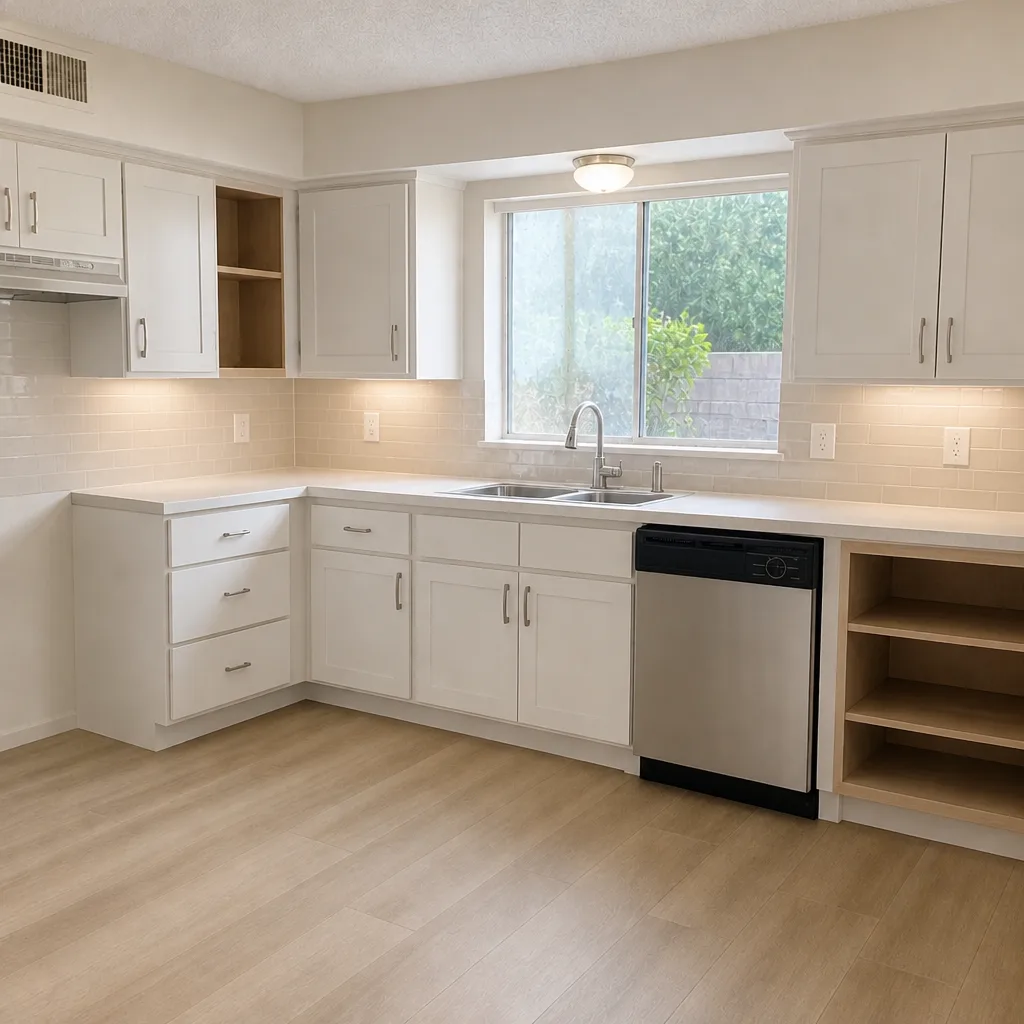 After
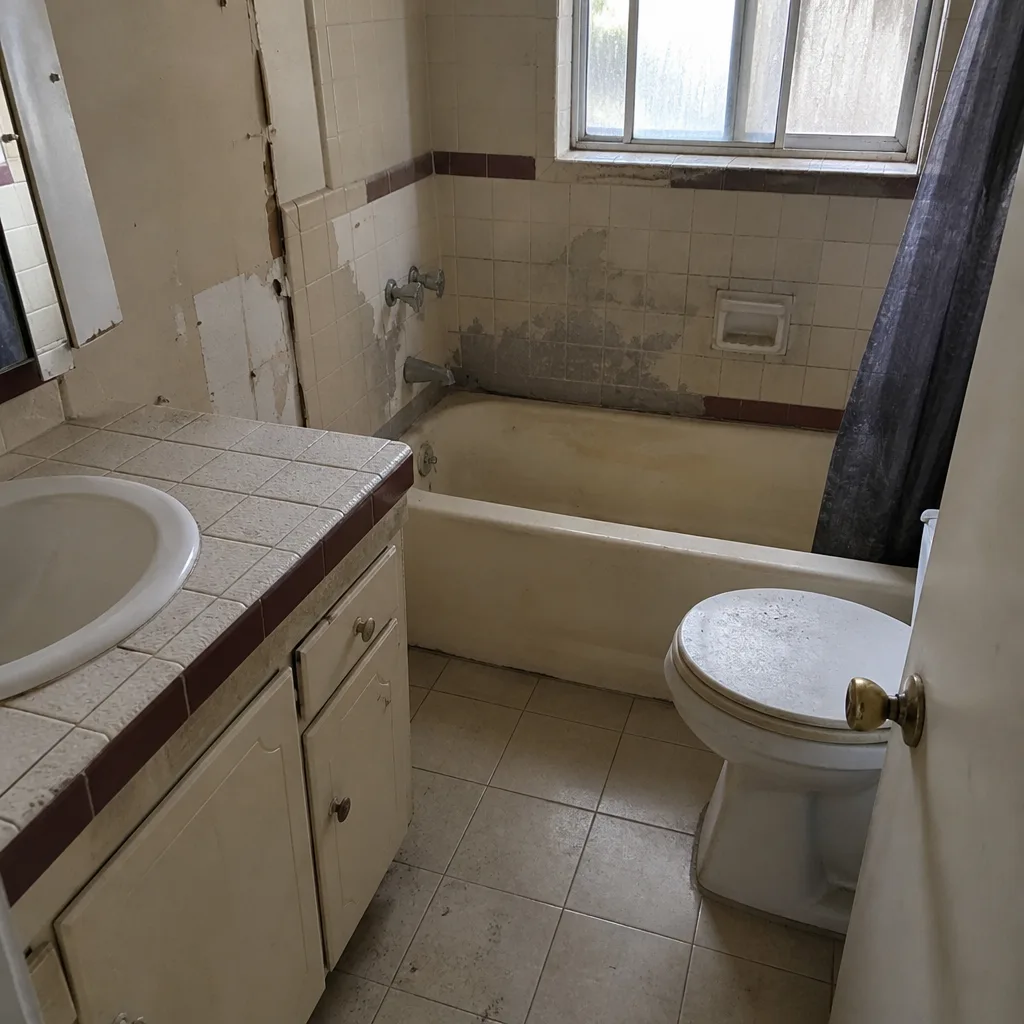 Before
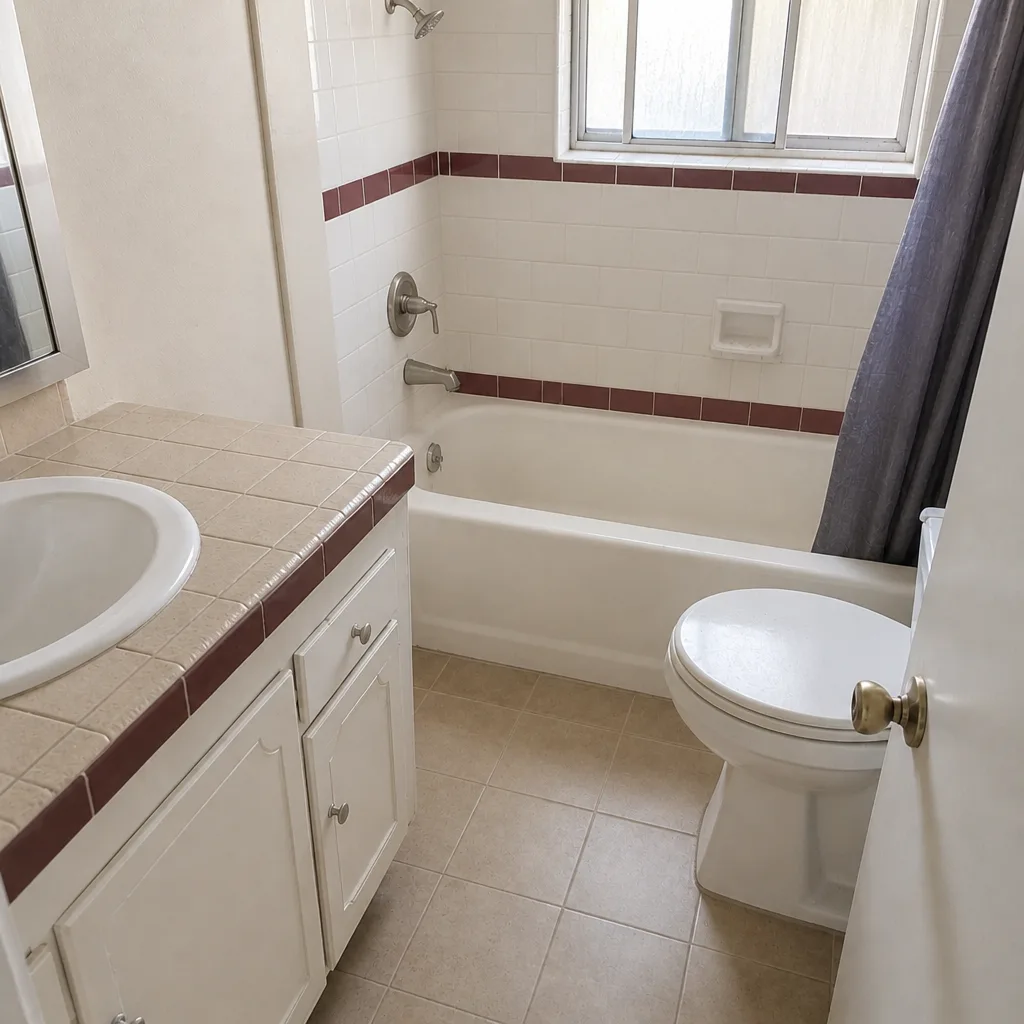 After
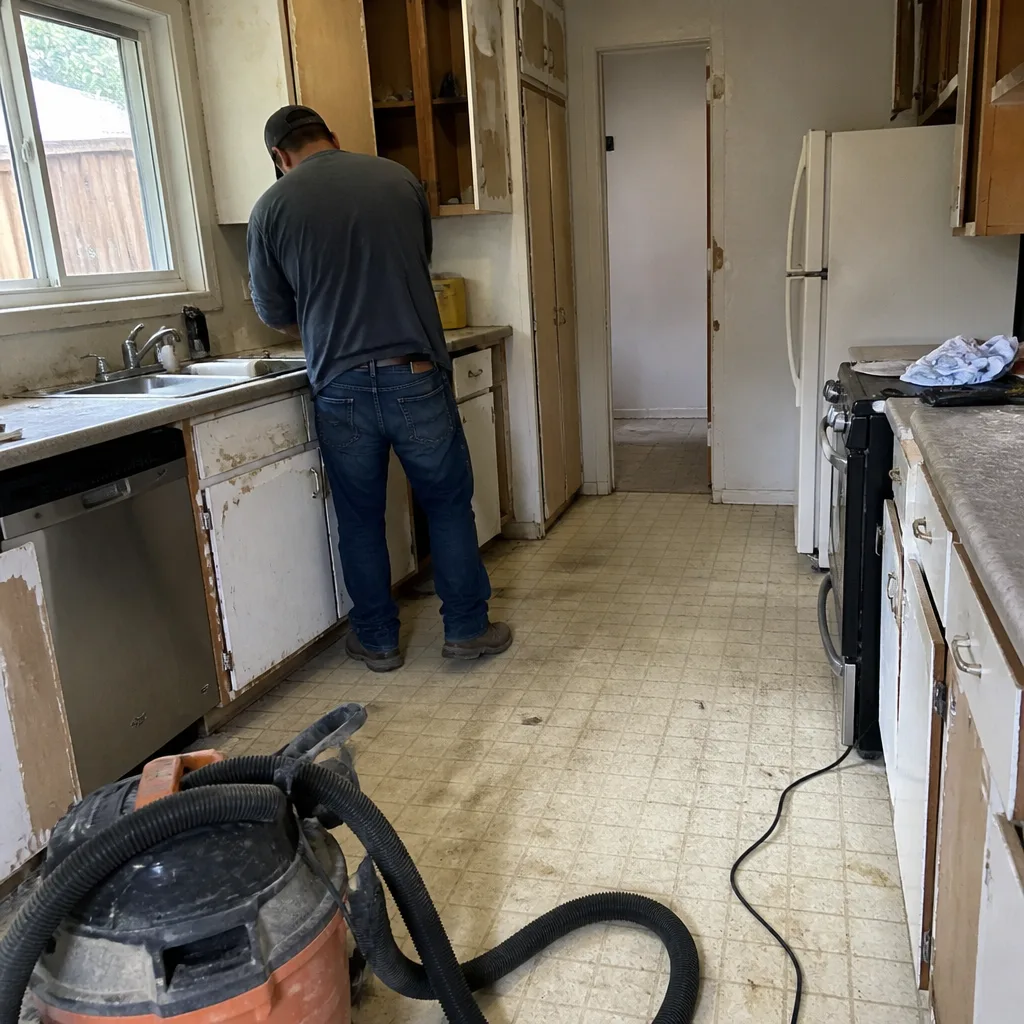 Before
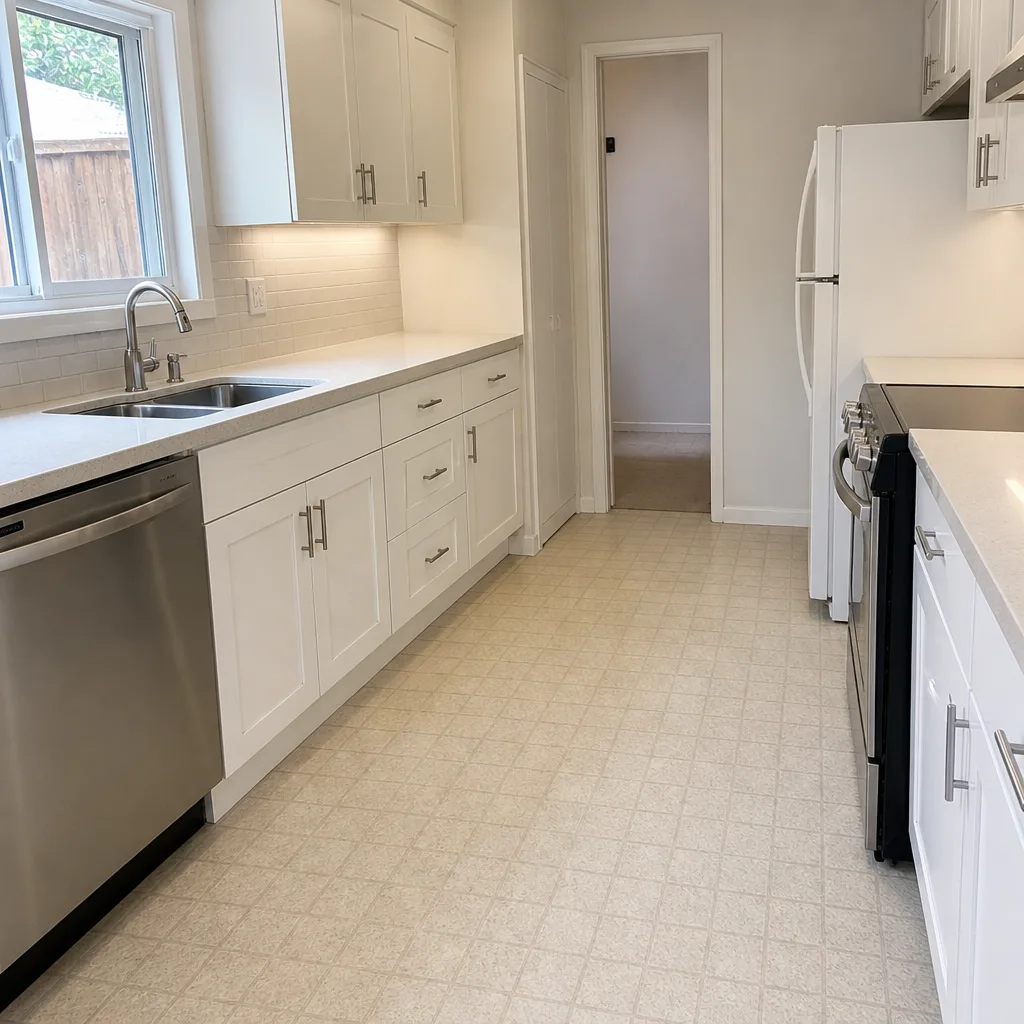 After
When to Call a Professional
Most additions and ADUs need a licensed contractor, stamped drawings, and a full permit package – not because the rules are strict, but because the fixes when they’re skipped run from five figures to a demolished slab. Call a professional if: your parcel is on a slope, you’re touching a load-bearing wall, the project needs new electrical or plumbing, your HOA needs a submittal, or you’re inside a fire zone. Each of those flags means engineering, permitting, or inspection oversight you shouldn’t try to manage on your own. Barrett & Sons Construction Santa Clarita offers free estimates in Santa Clarita – call (833) 762-8116.
Frequently Asked Questions
In the Santa Clarita market, detached ADU costs typically land in the $180,000 to $320,000 range for a fully finished unit, and attached garage conversions often fall between $110,000 and $180,000, depending on foundation work, utility runs, and finish level. Hillside lots and fire-zone parcels push toward the higher end because of soils work and Chapter 7A materials. Call (833) 762-8116 for an exact quote – estimates are free.
The clearest early warning sign is a contractor who suggests skipping or downgrading the permit. If they’re willing to shortcut the paperwork, they’re willing to shortcut the work underneath it. That one answer tells you more than an entire bid package.
Yes. Every eligible addition and ADU we build gets permits pulled and inspections signed. That’s a hard line for us, because unpermitted work creates a real resale and insurance problem for the homeowner – and because the inspector’s job is to protect your investment, not ours.
Only through a written change order, signed by you, before the work happens. Scope, allowances, and price changes all arrive in writing. If something turns up in the wall that we couldn’t see in the drawings, we photograph it, price it in writing, and get your signature before proceeding – no surprise invoices at the end.
A typical detached ADU in Santa Clarita runs about nine to fourteen months from contract signing to final inspection, with permitting and plan-check eating three to five of those months depending on jurisdiction. Garage conversions move faster, closer to five to seven months. Weather, soils, and utility tie-ins are the usual wildcards.
Absolutely. We offer a free second opinion on any written estimate. Bring the bid, the contract, and the drawings if you have them – we’ll tell you straight what looks fine and what looks like a shortcut. No obligation, no sales pitch.
The Bottom Line
The warning signs that predict a painful addition or ADU rarely live in the price. They live in how a contractor talks about permits, engineering, subcontractors, and change orders – in writing, before work begins. Skip the contractor who waves off a soils report on a Santa Clarita hillside, who wants to start from sketches, or who hesitates when you ask which jurisdiction governs your parcel. Choose the one who puts scope, allowances, and change orders on paper, who pulls the permit, and who knows your neighbors by name. That’s the whole test. The rest is finish work.
If you’re ready to price an addition or ADU, call (833) 762-8116 to schedule your free estimate. We’ll walk the site, talk through jurisdiction and permits, and hand you a written scope with real numbers. If you want to see how we handle related exterior work first, our Driveway & Pavers in Santa Clarita and Fence Installation in Santa Clarita pages show the same scope-in-writing discipline in smaller projects.
Written by the team at Barrett & Sons Construction Santa Clarita.