
Last updated November 16, 2026
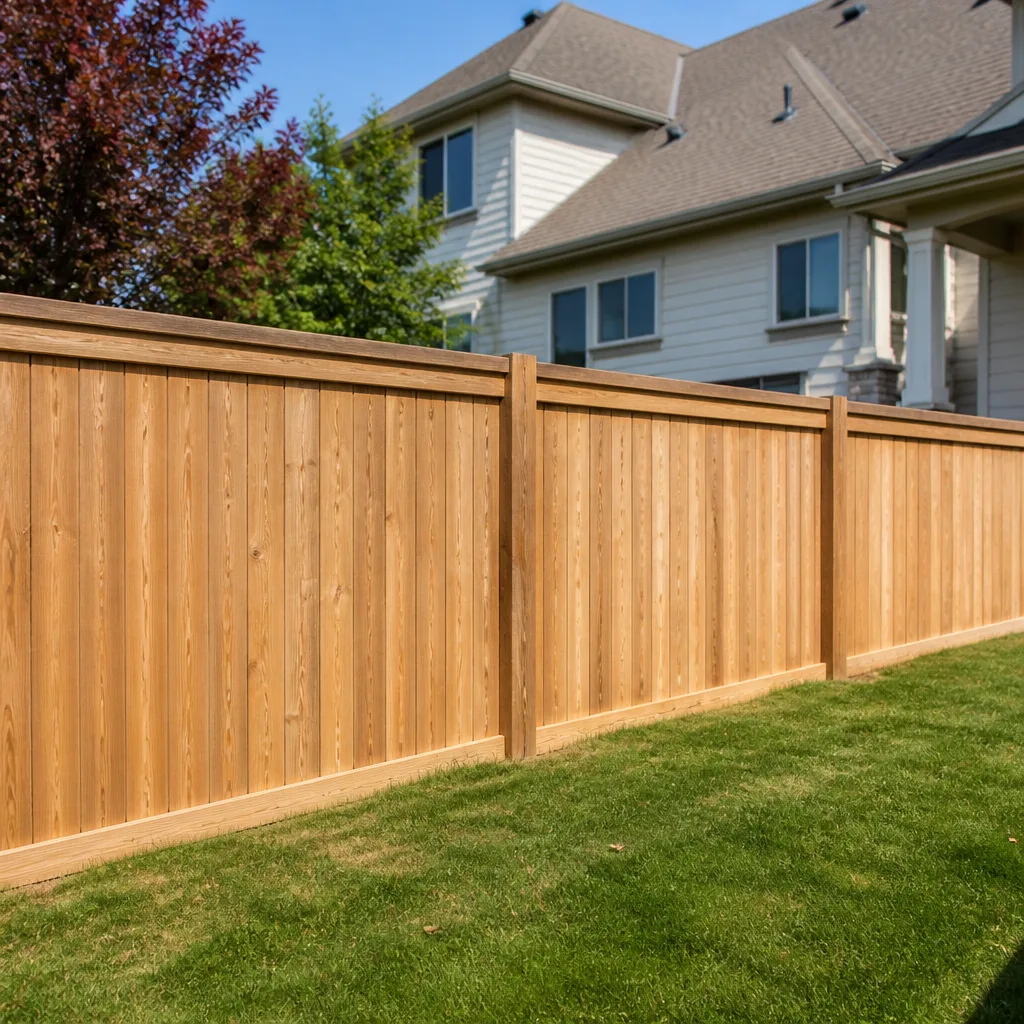 Fence
 Kitchen remodeling
 Bathroom remodeling
 Home additions & ADU
 Roofing
 Windows & doors
 Driveway & pavers
Free written scope consultation - allowances, timeline, and change-order rules on paper before a single trade is scheduled
How Long Does Fence Installation Take? Timelines and What to Expect
The average wood fence installation takes under two days once work starts. What most homeowners don’t realize is that “once work starts” can be three weeks away from the day they sign a contract. The part nobody warns you about isn’t the digging and the nailing – it’s the utility marking, the permit window, and the material lead time stacked up before a single post goes in the ground. In Santa Clarita, those hidden delays can stretch a job that looks like a two-day project into a month-long waiting game. This guide breaks the whole timeline into the four phases that actually matter, so you know exactly what you’re signing up for.
Quick Answer
Actual fence installation usually takes one to three days for a standard residential lot, but the full process from signed contract to finished fence typically runs two to five weeks in Santa Clarita because of utility marking (DigAlert), permit approval when required, and material delivery lead times. A flat-lot vinyl job can wrap in a couple of days from start to finish once materials arrive. A wood fence on a sloped hillside lot with concrete footings, custom gates, and a required permit can stretch past a month from contract to completion.
Styles & brands we work with
- Kitchen remodeling
- Bathroom remodeling
- Home additions & ADU
- Roofing
- Windows & doors
- Driveway & pavers
- Fence
Table of Contents
- The Four Phases of a Fence Installation Timeline
- Phase 1: Utility Marking and Why It Comes First
- Phase 2: Permit Approval and HOA Windows
- Phase 3: Material Delivery and Backorder Reality
- Phase 4: Installation Days, By Fence Type
- How Soil and Terrain Change the Clock
- Fence Length, Slope, and Gates: The Labor Multipliers
- One-Day Vinyl vs. Multi-Day Wood: A Real Comparison
- Common Mistakes to Avoid
- When to Call a Professional
- Frequently Asked Questions
- The Bottom Line
The Four Phases of a Fence Installation Timeline
Homeowners tend to think of fence installation as one event. Contractors know it’s four separate phases, each with its own clock. Understanding them is the difference between a realistic two-week plan and a frustrating month of phone calls.
- Utility marking (DigAlert). State law requires a call to 811 before any digging, and in Santa Clarita the notice period typically runs two to three business days, longer during peak spring and early summer when excavation crews are backed up across the valley.
- Permit approval. Santa Clarita requires a permit for most fences over six feet and for any fence in a front or street-side setback, plus fences on corner lots where sight distance matters. Plan on one to three weeks for standard approval; longer if the property is in a designated hillside or special overlay zone.
- Material delivery. Stock vinyl panels, standard redwood or cedar, and common chain-link often deliver in three to seven days. Custom colors, ornamental aluminum, and specific composite panel profiles can backorder four to eight weeks, especially after wildfire season shifts regional production toward rebuilding materials.
- Installation. The visible part. One to three days for most residential jobs, with specific factors below deciding where in that range yours lands.
Add those four phases and you get the honest answer for a Santa Clarita job: two to five weeks from contract to finished fence. Knowing which phase you’re in, and what it depends on, keeps the whole thing from feeling like a runaway process. When you’re ready to talk specifics, our Fence Installation in Santa Clarita team walks through each phase up front so the timeline is on paper before you sign.
Phase 1: Utility Marking and Why It Comes First
DigAlert is the free utility locating service that every legit contractor calls before digging anywhere in Santa Clarita. Underground irrigation lines, gas lines, water mains, electrical conduit, and the occasional abandoned septic line all run under residential lots, and hand-digging blind is how you turn a two-day job into a two-week repair-bill nightmare.
The marking process itself is short: a certified technician comes out and paints the ground with color-coded flags and lines to show where utilities run. The clock is the notice period, not the mark. Two to three business days is standard, but plan for more in these cases:
- Spring digging season, when every landscaper and pool builder in the Santa Clarita Valley is calling 811 at the same time.
- Properties with private utilities on them – a well line, a landscape subpanel, or an old pool feeder – that aren’t in the public locator database and need an additional private locator visit.
- Lots where the locator marks conflict with your planned post layout, which requires a re-marking call and starts the notice period over.
Here’s the thing most per-linear-foot quotes leave out entirely: if the locator marks a gas or water line right through the fence line, post placement has to shift, which can add posts, alter picket spacing, or change the whole layout. This is why utility marking isn’t just a formality. It’s part of the design. Skipping it isn’t an option – and any contractor who offers to skip it is telling you something about how they run every other phase too.
Phase 2: Permit Approval and HOA Windows
Permits take longer than most people expect, and in Santa Clarita they’re required more often than most people assume. That includes:
- Fences exceeding six feet in height.
- Fences in a front yard or street-side yard, where the city wants to see sight-distance setback compliance.
- Fences on corner lots, where visibility for drivers matters.
- Fences in a Hillside Preservation or Special Standards district, which trigger additional review.
- Fences that form part of a pool safety barrier, where the fence becomes part of the pool permit scope.
Standard permit turnaround inside Santa Clarita is one to three weeks, and that assumes complete plans at submittal. Missing plot plans, unmarked property-line determinations, and height changes all add days. Then there’s the inspection: after install, the city sends an inspector to verify height, setback, and footing compliance before the permit closes out.
If you’re in an HOA – and many Santa Clarita neighborhoods in Stevenson Ranch, Valencia, and parts of Saugus are – there’s an entirely separate approval cycle running alongside the permit. HOA architectural review boards typically meet twice a month, sometimes monthly, and their window for approval ranges from ten days to six weeks depending on when your submittal lands relative to their meeting calendar. The two clocks do not run in parallel for free: layering HOA and city review can push the “before work starts” timeline to six or seven weeks on its own.
And a hard truth: a neighbor dispute can halt the job regardless of how clean the permit is. Boundary line questions, HOA complaint holds, and “the fence is on my property” disagreements all freeze work while they resolve. A permit inspector works for you, not for us – and that’s why we like him. But a neighbor hold is a delay nobody can inspect their way out of. Better to sort boundary lines before the survey goes in than after the posts do. Our broader Barrett & Sons Construction Santa Clarita home team coordinates permit and inspection logistics on every eligible job, and takes that part off your plate.
Phase 3: Material Delivery and Backorder Reality
Material lead time is the single most under-communicated part of a fence project, and it’s where a two-day install becomes a two-month wait. Here’s the realistic breakdown for Santa Clarita jobs:
- Standard vinyl panels and posts: three to seven days for common colors and heights from regional suppliers.
- Redwood or cedar: three to ten days, longer after fire season when regional mills are running rebuilding material.
- Composite and cellular PVC: one to three weeks, sometimes four for less common profiles.
- Ornamental aluminum and steel: three to six weeks, and up to eight for custom powder-coat colors.
- Custom gate fabrications: four to six weeks, because gate fabrication has its own queue behind fence panel production.
The pattern is worth noting if you’re planning around a deadline: the more custom the spec, the longer the lead time, and the more upside risk on delivery estimates. A standard six-foot vinyl privacy fence in a common color rarely backorders. An eight-foot custom-colored ornamental fence with a matching arch gate does – and often does so unexpectedly.
When we quote materials, we quote a substitution window in writing so you know what happens if the exact panel backorders. Scope in writing, allowances in writing, change orders in writing – the same standard we hold on every job, from a simple fence install to our Home Additions & ADU in Santa Clarita projects where material lead times are even longer. No surprises at the end because the allowance wasn’t on paper to begin with.
Phase 4: Installation Days, By Fence Type
Once materials are on-site and the ground is marked, here’s what to expect for the actual build days. These are honest ranges for a typical residential lot of 150 to 200 linear feet, not best-case marketing numbers:
- Vinyl privacy fence, flat lot: one to two days. Panels pop into pre-routed posts, so weather isn’t a factor and cleanup is quick.
- Wood fence, flat lot, standard 6-foot: two to three days, longer if concrete footings are needed on every post.
- Wood fence, sloped or hillside lot: three to five days because every post height adjusts to grade, and rails are cut on-site.
- Chain-link, standard: one to two days. Fastest install on the list.
- Ornamental aluminum with masonry columns: four to seven days, and the masonry columns drive the schedule more than the fence itself.
- Composite privacy fence: two to four days, slightly longer than vinyl due to heavier panels and more fastener work.
Two things extend the install phase beyond what a per-linear-foot quote suggests. First, if the lot is rocky – which much of Canyon Country and the hillside areas of Santa Clarita is – digging switches from a power auger to a hand-dig or rock bar, and post setting can take two to three times longer per hole. Second, if the fence runs alongside a pool, spa, or any electrical equipment, the crew has to stay outside the pool safety envelope, which can lengthen the layout phase. Details like these are why the same 150 linear feet costs three days on one street and six on another.
How Soil and Terrain Change the Clock
Santa Clarita is a tale of two terrains. Flat valley floor sections – parts of Valencia, Newhall, and Saugus – have soil that a standard power auger chews through without much drama, and post holes set in forty-five minutes to an hour. Hillside lots in Canyon Country, Sand Canyon, and the foothills above Stevenson Ranch are another story entirely.
Those hillsides are rocky, often with decomposed granite and hard-packed clay layers that fight a power auger. On a bad day, a post hole that took an hour on the valley floor takes two or three with a hand bar and a hammer drill. On a worse day, the hole hits a rock seam and has to be relocated a few inches, which changes post spacing for the whole run. Doing this on a hillside crew adds roughly fifteen to forty percent to the total install days for the same fence length.
There’s also the question of weather on setting concrete. In Santa Clarita’s heat – and August afternoon temps hitting 100-plus in the valley regularly – concrete post footings need shade, extra water, and a slower cure, especially during early summer installations. Colder winter mornings slow the same cure differently. Both affect whether a crew can set posts and hang panels in the same day or has to stagger work across two visits.
Fence Length, Slope, and Gates: The Labor Multipliers
A per-linear-foot quote gives you a clean number, but it doesn’t fully capture what drives labor on a real Santa Clarita installation. Three multipliers matter most:
- Length. A 100-foot fence takes roughly a day and a half to two days for most wood types. A 300-foot fence doesn’t just triple the time – it typically runs five to seven days because material staging, crew fatigue, and the complexity of keeping the run straight all compound. Long fences along a property line often mean more corners and turns, which slow the run.
- Slope. Each post on a sloped lot adjusts to grade, and rails are cut and stepped on-site. Unlike a flat run where a full day gets 60-80 linear feet of panel up, a steep slope drops that to 30-45 linear feet a day. That’s the reality behind a hillside lot quote that surprises people.
- Gate count. Each gate is a mini-project inside the fence project: setting stronger posts, hanging hardware, fitting, and adjusting. A standard walk gate runs roughly half a day of install labor on its own. A double-drive gate runs one to one and a half days, and a custom arched gate can run two days if it requires fabrication. Four gates on a property can add two full days over and above the fence run.
Terrain and gate count are also the two factors most accessible to a quick estimate – and the two most useful facts you can share when you call. A rough linear footage, a description of slope, and a gate count will get you a much more accurate timeline than a single phone quote can give you.
One-Day Vinyl vs. Multi-Day Wood: A Real Comparison
The cleanest way to see the difference is to compare two jobs on the same 200 linear feet, in the same Santa Clarita neighborhood, with two different scopes:
- Flat-lot vinyl privacy fence, 200 linear feet, no gates. DigAlert two to three days; permit not required if under six feet with no front-yard exposure; material three to five days for standard panels. Installation one to two days. Total timeline from contract to finished fence: roughly one and a half to two weeks.
- Sloped wood privacy fence, 200 linear feet, two walk gates, front yard section, six-foot height requiring permit. DigAlert two to three days (longer in spring); permit and inspection cycle two to three weeks; HOA review if applicable adds one to four weeks. Material five to ten days for redwood, longer if a specific panel style is backordered. Installation four to six days for slope and gate work. Total from contract to finished fence: five to eight weeks, sometimes longer.
Same length, same street, wildly different timelines – because the four phases aren’t fixed. They scale with permit scope, material availability, terrain, and gate complexity. A fence quote that doesn’t separate these phases and tell you expected durations for each is a quote that’s guessing at when your job will actually get done.
Common Mistakes to Avoid
- Signing without a written utility-marking plan. If your contractor quotes and schedules without mentioning DigAlert, ask. In Santa Clarita, that’s how a fence post ends up through an irrigation line or worse, a private gas stub. Skipping the mark saves three days and costs a few thousand in repairs.
- Assuming your project doesn’t need a permit because the last contractor said so. Plenty of Santa Clarita fences get installed without permits every year and then become a headache at resale, during a refinance appraisal, or when a neighbor complains. Check the height, setback, and overlay-district rules for your specific lot before you sign.
- Lining up HOA and city approval in sequence instead of in parallel. If you’re in a Stevenson Ranch or Valencia HOA with a monthly architectural review meeting, submit to both the HOA and the city at the same time. Running them sequentially doubles your pre-install calendar for no reason.
- Ordering custom panels before the plan is approved. A backordered ornamental panel that arrives before the permit is issued sits in a pile. Worse, if HOA review rejects the material, you’re stuck with a special order you can’t return.
- Underestimating the slope. A hillside lot in Canyon Country quoted at flat-lot pricing can run three extra install days, which nobody wants to hear mid-project. Get a slope-aware quote up front.
- Forgetting the gate in the timeline. Each gate is half a day to two days of install labor depending on the type. Homeowners who only plan the fence run and forget the gate count end up squeezing it on the same crew visit when there’s no time.
- Skipping the boundary survey when the property line is at all uncertain. A neighbor hold can freeze a fence project for weeks. If the line is fuzzy, get the survey before you schedule materials – not after the posts go in.
When to Call a Professional
Some fence work is legitimately DIY territory. A short, low, standard vinyl fence on a flat lot with clean boundaries and no permit exposure is doable for a confident homeowner with a weekend and a helper. But call a professional when the job involves a permit requirement, an HOA review, a slope of more than two feet of grade change across the run, any masonry columns, any gate that has to be fabricated, or any digging that could conceivably come near a private utility. Those are the situations where a weekend project becomes a month-long delay, or worse, a hole through a gas line. Our crews carry the experience of thousands of installs, up to 28 years on the longest-tenured members, and we’ve seen every Santa Clarita hillside rock seam and HOA calendar schedule in the book. Barrett & Sons Construction Santa Clarita offers free estimates in Santa Clarita – call (833) 762-8116. We answer the phone with a live person, and every eligible job arrives with permits pulled and a written timeline you can actually plan around.
Frequently Asked Questions
Actual installation takes one to three days for most residential Santa Clarita fences, and the full process from contract to finished fence runs two to five weeks because of utility marking, permit approval, and material lead times. The installation phase is fast; the pre-install phases are what take the weeks. Call (833) 762-8116 for a free estimate with a realistic timeline for your lot.
Yes in several common cases: any fence over six feet tall, any fence in a front or street-side yard, fences on corner lots with sight-distance requirements, and fences in a Hillside Preservation or Special Standards district. Under six feet in a side or rear yard with no overlay exposure often skips the permit. Call (833) 762-8116 and we’ll confirm the rules for your specific lot before anything gets ordered or scheduled.
Yes, a standard vinyl privacy fence on a flat Santa Clarita lot can install in one day, sometimes two. Wood fences, sloped lots, and any project with multiple gates typically run two to five days of install labor. The “one-day” claim only holds under narrow conditions, and any contractor claiming a hillside ornamental job is a one-day install is either guessing or cutting corners.
Custom material backorders and HOA approval windows are the two biggest delays, each capable of adding four to eight weeks on its own. Utility marking (two to three days) and permits (one to three weeks) are the next biggest. A neighbor hold over a boundary line can freeze a job indefinitely, which is why we sort property lines before scheduling any installation.
Concrete post footings need 24 to 48 hours of cure before the fence panels are loaded, though crews can often set posts and hang panels the next day when the weather cooperates. In Santa Clarita summer heat, extra water and shade slow the cure slightly to avoid cracking. Full structural cure runs seven days, but the fence is finished and usable well before that.
Not with us. Every scope, every allowance, and every price change arrives as a written change order before work happens – no surprise invoice at the end. If the locator finds a private utility or the hillside hits a rock seam that changes the plan, you’ll see the change in writing before anyone digs again. That’s the same standard we’ve held on every job, and it’s why our Driveway & Pavers in Santa Clarita and fence projects quote the same way.
The Bottom Line
The visible install is fast. A standard Santa Clarita fence comes together in one to three days once materials are staged and the ground is marked. The full timeline – the one that actually matters when you’re planning around a move-in date, a pool install, or a dog that needs containing – runs two to five weeks, and longer if you’re in an HOA or have custom materials. The phases that catch people out are the pre-install ones: DigAlert, permit approval, material lead time. Plan for those honestly and the whole project runs smoothly. Skip them and the two-day install becomes a two-month project. A real written timeline on a real quote is what lets you plan. We’d rather hand you that in writing before you sign than explain a delay afterward. Every completed job is backed by our 90-Day Done Right Promise: if something isn’t right, one call brings Tom back. We’re honored to serve Santa Clarita, and we answer our own phone.
Your Free Estimate
Whether you’re planning a vinyl privacy fence on a flat Valencia lot or a wood fence with custom gates up a Canyon Country hillside, the timeline starts with an honest conversation. Barrett & Sons Construction Santa Clarita offers free estimates with a written four-phase timeline, permits pulled and inspections signed on every eligible job, and written change orders before any scope change touches the work. Call (833) 762-8116 to schedule your free estimate today – a live person answers, 24 hours a day, seven days a week. You can also ask about our standing offers: $40 Off Any Repair Over $200, a Free Second Opinion on Any Written Estimate, No Trip Charge Inside the County, and a permanent 10% Senior & Veteran discount.
Written by the team at Barrett & Sons Construction Santa Clarita.
See the difference
 Before
 After
 Before
 After
 Before
 After